
Myrrh Essential Oil
Essential Oils
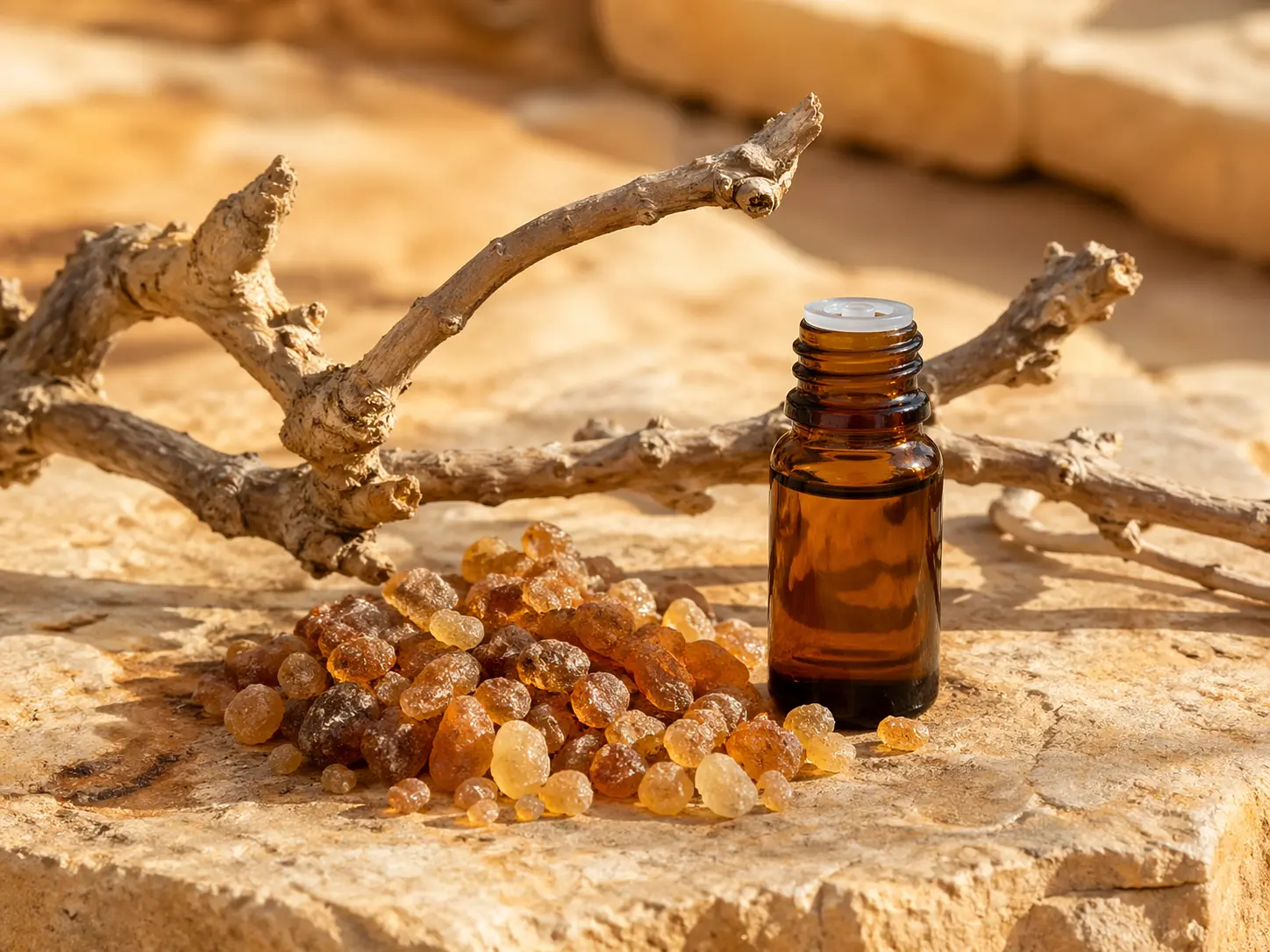
Myrrh essential oil is warm, resinous, earthy, and ancient-smelling, with the deep aroma of desert trees, amber resin, quiet incense, and slow ritual smoke.
Distilled from the aromatic gum-resin of Commiphora myrrha, Myrrh essential oil is often used in natural perfumery, resin-rich diffuser blends, meditation-style routines, and carefully diluted body-care formulas. It is closely linked with history, ceremony, and traditional aromatic use, but it should still be approached as a concentrated essential oil: potent, complex, and best used with patience and moderation.
Quick Answer
Myrrh essential oil is a warm, earthy, balsamic resin oil from Commiphora myrrha. It is commonly used in diffuser blends, incense-style natural perfumes, grounding aromatic routines, and low-dilution topical blends when appropriate. It is not the same as frankincense, and it should be diluted before skin use, avoided during pregnancy unless professionally guided, and never ingested casually.
What Is Myrrh Essential Oil?
Myrrh essential oil comes from Commiphora myrrha, a spiny shrub or small tree in the Burseraceae family. This is the same plant family that includes frankincense-producing Boswellia trees, which is one reason the two resins are often discussed together.
The aromatic material is the tree’s gum-resin exudate. When the bark is naturally or intentionally wounded, resinous material can emerge and harden into amber, reddish-brown, or golden-brown tears. These resin tears are then used as incense material or distilled into essential oil.
Myrrh essential oil is often thicker than many leaf, flower, or citrus oils. It may pour slowly from the bottle and can become more viscous over time. This resinous texture fits its aroma: deep, warm, dry, earthy, and lingering.
Myrrh vs Frankincense Essential Oil
Myrrh and Frankincense Essential Oil are both ancient aromatic resins from the Burseraceae family, but they are not the same. Myrrh comes from Commiphora myrrha, while frankincense comes from several Boswellia species.
Frankincense essential oil is often brighter, more citrus-resinous, pine-like, and airy. Myrrh essential oil is usually darker, earthier, warmer, more bitter, and more balsamic. Frankincense can feel like pale resin and dry light; myrrh can feel like dark resin, warm wood, and old incense.
In blending, they work beautifully together. Frankincense brings lift and clarity, while Myrrh adds depth and gravity. Together they create a classic incense accord without needing a heavy hand.
What Does Myrrh Essential Oil Smell Like?
Myrrh essential oil smells warm, resinous, earthy, balsamic, smoky, and slightly bitter. Some people notice dry wood, old churches, amber, leather, incense, medicinal resin, or dusty desert air. It is not sweet in the same way as vanilla or benzoin, and it is not bright like citrus. Its beauty is slow and grounded.
In natural perfumery, Myrrh essential oil functions as a base note. It anchors lighter oils, softens sharp edges, and gives blends a meditative, ceremonial depth. In a diffuser, it can make a room feel quiet and settled, especially when paired with woods, resins, gentle citrus, or soft florals.
Common Uses of Myrrh Essential Oil
Myrrh essential oil is commonly used in diffuser blends when a warm resinous atmosphere is wanted. It pairs naturally with Frankincense Essential Oil, Sandalwood Essential Oil, Cedarwood Atlas Essential Oil, and Patchouli Essential Oil.
It is also popular in natural perfumery. Myrrh gives depth to amber, incense, resin, chypre-inspired, sacred-woods, and dark floral accords. A small amount can make a blend feel older, quieter, and more complete.
In body-care formulas, Myrrh essential oil may be used at low dilution in massage oils, body oils, balms, or unscented lotions when appropriate. It has a long association with skin-care style products, but it should not be presented as a treatment for wounds, infections, gum issues, scars, inflammation, or any medical condition.
Myrrh is also used in reflective routines: a short diffusion session, meditation-style breathing, journaling, prayer, or a quiet evening transition. These are aromatic and symbolic uses, not medical or spiritual promises.
Quick Tips for Using Myrrh Essential Oil
Be Patient With the Bottle
Myrrh can be thick and slow to pour. Warm the bottle gently in your hands rather than forcing the dropper.
Use It as a Base Note
A small amount of Myrrh can anchor lighter oils and give a blend a deeper resinous finish.
Pair With Frankincense
Blend it with frankincense for a classic incense-like aroma with both lift and depth.
Avoid During Pregnancy
Because of traditional cautions and limited modern safety clarity, avoid Myrrh essential oil during pregnancy unless professionally guided.
Dilution Guidance
For adult topical use, Myrrh essential oil should be diluted before applying to skin. A conservative everyday range is about 0.5% to 1% for leave-on body products. This means about 1 to 2 drops of essential oil in 2 teaspoons, or 10 ml, of carrier oil.
For sensitive skin, facial use, older adults, children, breastfeeding, medical conditions, medication use, or anyone with a history of fragrance sensitivity, use extra caution and consult a qualified professional. During pregnancy, it is best to avoid Myrrh essential oil unless a qualified professional gives individualized guidance.
Because Myrrh is resinous and slow-moving, it can feel deceptively gentle. Do not use it undiluted, do not apply it to broken or irritated skin, and do not use it inside the mouth unless under qualified professional care.
Simple Dilution Reminder
For a 1% dilution, use about 1 drop of Myrrh essential oil in 1 teaspoon, or 5 ml, of carrier oil. Patch test first, avoid broken skin and mucous membranes, and stop use if irritation or discomfort occurs.
How to Use Myrrh Essential Oil
For diffusion, add 1 drop of Myrrh essential oil to a blend with resins, woods, citrus, or soft florals. Diffuse for short sessions in a well-ventilated room. Because Myrrh is heavy and persistent, it works best as an accent rather than the whole blend.
For an incense-style room blend, combine Myrrh with Frankincense Essential Oil, Cedarwood Atlas Essential Oil, or Sandalwood Essential Oil. Add Bergamot Essential Oil or Sweet Orange Essential Oil if you want more brightness.
For a body oil, dilute Myrrh essential oil in a carrier such as jojoba, sunflower, fractionated coconut oil, sweet almond oil, or sesame oil. Keep the dilution low and avoid the face, eyes, mucous membranes, broken skin, and sensitive areas.
For natural perfumery, use Myrrh as a base note. It pairs well with Helichrysum Essential Oil, Patchouli Essential Oil, Vetiver Essential Oil, Neroli Essential Oil, and Ylang Ylang Essential Oil.

History and Origins of Myrrh
Myrrh has one of the oldest and most recognizable histories of any aromatic resin. Commiphora myrrha is native to dry regions of northeast Africa and the Arabian Peninsula, including areas listed by Kew such as Ethiopia, Kenya, Somalia, Oman, Saudi Arabia, and Yemen.
The resin was historically traded across desert routes and maritime networks. It appears in ancient perfumery, incense, ceremonial preparations, embalming traditions, and religious texts. Its value came from both scent and scarcity: resin had to be gathered from tough trees growing in demanding dry landscapes.
As an aromatic material, Myrrh bridges plant, resin, and ritual. It is not a bright garden herb or a simple flower oil. It carries the scent of hardened sap, old trade routes, dry wood, and slow-burning incense, which is why it continues to feel timeless in modern perfumery and aromatherapy-style blending.
Diffuser Blends with Myrrh Essential Oil
Desert Resin
Desert Resin
- 1 drop Myrrh Essential Oil
- 2 drops Frankincense Essential Oil
- 1 drop Cedarwood Atlas Essential Oil
Dry, resinous, and quietly grounding, with the feeling of warm incense and pale wood.
Amber Chapel
- 1 drop Myrrh Essential Oil
- 2 drops Sandalwood Essential Oil
- 1 drop Sweet Orange Essential Oil
Warm, smooth, and softly sweet, with a resinous base and a gentle citrus glow.
Golden Stillness
- 1 drop Myrrh Essential Oil
- 1 drop Helichrysum Essential Oil
- 2 drops Bergamot Essential Oil
Honeyed, resinous, and luminous, with a warm reflective character.
What Blends Well with Myrrh Essential Oil?
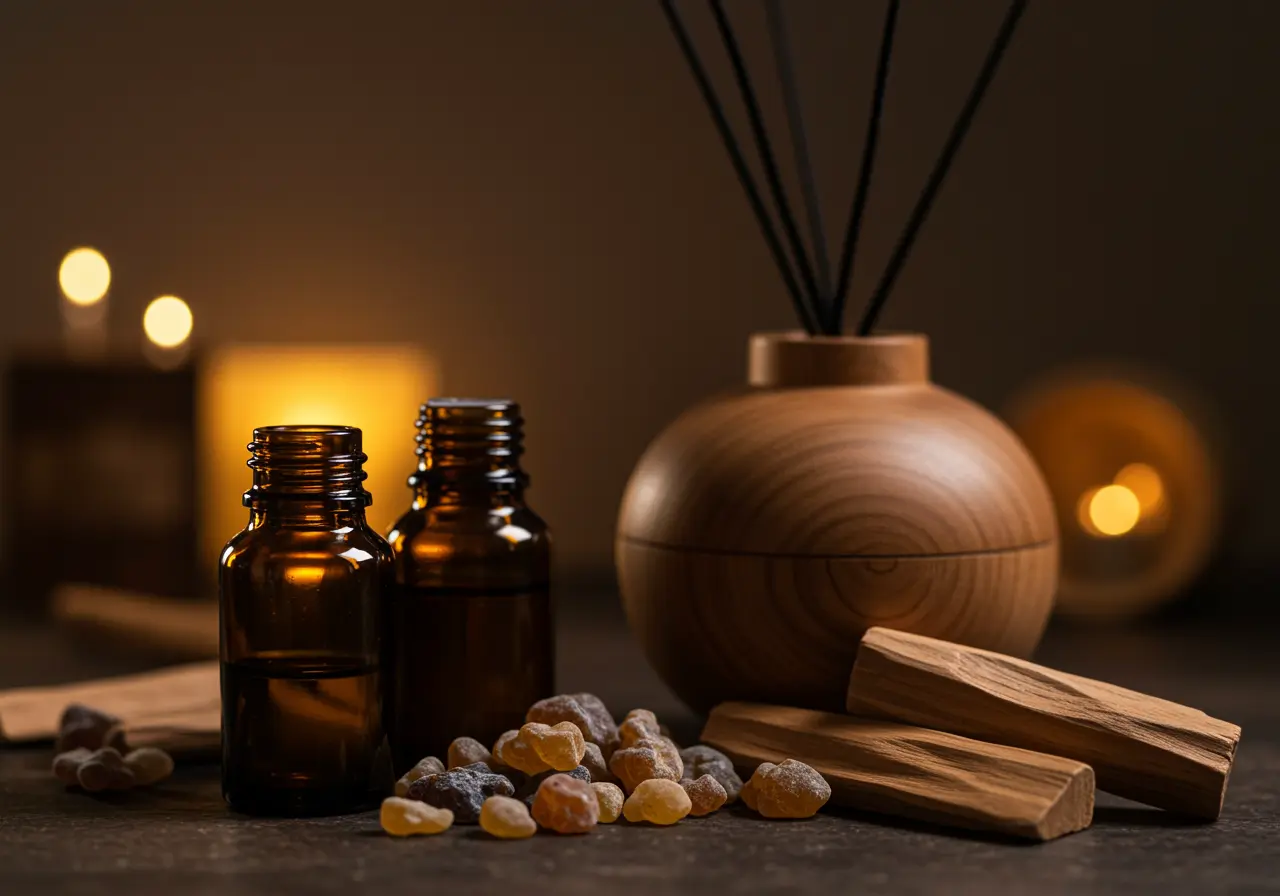
Myrrh essential oil blends especially well with resin and wood oils, including Frankincense Essential Oil, Helichrysum Essential Oil, Cedarwood Atlas Essential Oil, Sandalwood Essential Oil, Cypress Essential Oil, and Black Spruce Essential Oil. These combinations create deep, dry, incense-like blends.
It also pairs well with earthy base notes such as Patchouli Essential Oil and Vetiver Essential Oil. Use small amounts so the blend stays warm and dimensional rather than heavy.
For brightness and balance, try Myrrh with citrus and floral oils such as Bergamot Essential Oil, Sweet Orange Essential Oil, Neroli Essential Oil, Geranium Essential Oil, Ylang Ylang Essential Oil, and Lavender Essential Oil. These oils soften Myrrh’s bitter-resinous edge.
Myrrh Essential Oil FAQ
Is Myrrh essential oil the same as frankincense essential oil?
No. Myrrh essential oil comes from Commiphora myrrha, while frankincense essential oil comes from Boswellia species. Myrrh is usually darker, earthier, and more bitter-resinous; frankincense is often brighter and more airy.
What is Myrrh essential oil commonly used for?
It is commonly used in resinous diffuser blends, incense-style natural perfumes, low-dilution body oils, grounding aromatic routines, and quiet reflective practices.
Why is Myrrh essential oil so thick?
Myrrh essential oil is distilled from gum-resin rather than fresh leaves or citrus peel. Its resinous chemistry can make it thick, slow to pour, and deeply persistent in aroma.
Can Myrrh essential oil be used on skin?
Yes, but only when properly diluted. Patch test first, avoid broken or irritated skin, and avoid use during pregnancy unless guided by a qualified professional.
Can you ingest Myrrh essential oil?
Do not ingest Myrrh essential oil casually. Myrrh resin has a long traditional history, but concentrated essential oil requires qualified professional guidance for any internal use.
Myrrh Essential Oil, Spirituality, and Soul
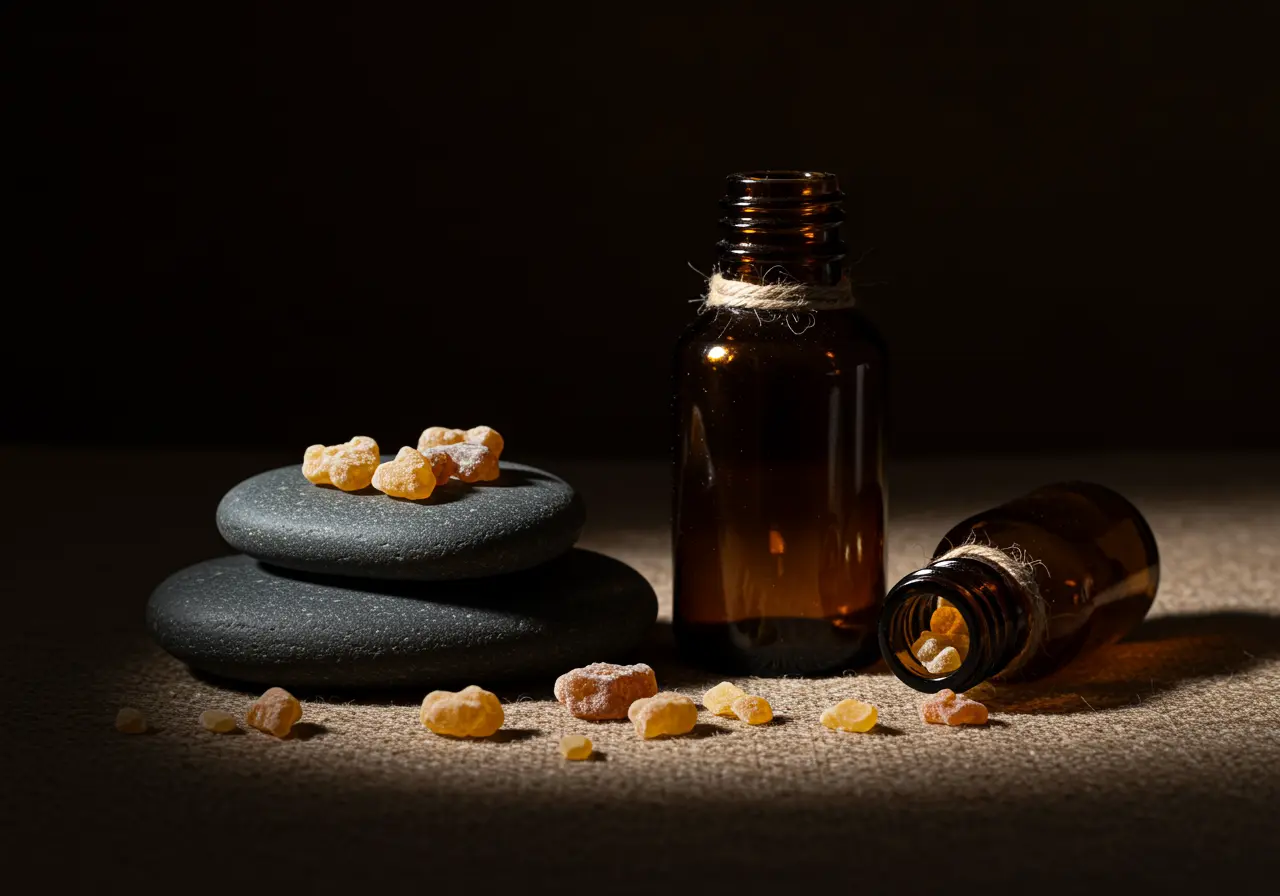
The main sections above focus on botanical information, practical use, dilution, and safety. Myrrh also has a powerful symbolic and spiritual life in modern aromatherapy, shaped by its long history in incense, ceremony, contemplation, and sacred texts.
In symbolic routines, Myrrh essential oil is often used when someone wants a scent that feels solemn, grounding, and inward. It does not sparkle or rush. It settles. Its aroma can mark a quiet pause, a moment of remembrance, or a deliberate transition from noise into stillness.
Myrrh is especially suited to simple rituals: lighting a candle, opening a journal, sitting in silence, preparing a room for prayer or meditation, or closing the day with intention. These uses are symbolic and personal, not promises of emotional, spiritual, energetic, or medical effects.
Safety Notes
Myrrh essential oil is concentrated and should be used with care. Dilute before topical use, avoid eyes, mucous membranes, broken skin, and sensitive areas, and do not ingest casually.
Use Myrrh essential oil moderately in a well-ventilated room. Avoid continuous diffusion, especially around babies, young children, pregnant or breastfeeding people, pets, older adults, and anyone with asthma, respiratory sensitivity, migraines, allergies, or strong scent sensitivity.
Avoid Myrrh essential oil during pregnancy unless a qualified professional gives individualized guidance. Use extra caution while breastfeeding, with children, with pets, before surgery, with medical conditions, or when taking medication.
For topical use, patch test first and keep dilution low. Do not apply essential oils to wounds, mouth tissue, gums, infected skin, rashes, or any area that needs medical attention. Stop use if irritation, redness, itching, headache, nausea, coughing, wheezing, dizziness, or any other adverse reaction occurs.
Safety-first reminder: Myrrh essential oil may feel ancient and familiar, but it is still a concentrated aromatic resin oil. Use small amounts, dilute carefully, ventilate well, and avoid pregnancy use unless professionally guided.
Basil Essential Oil
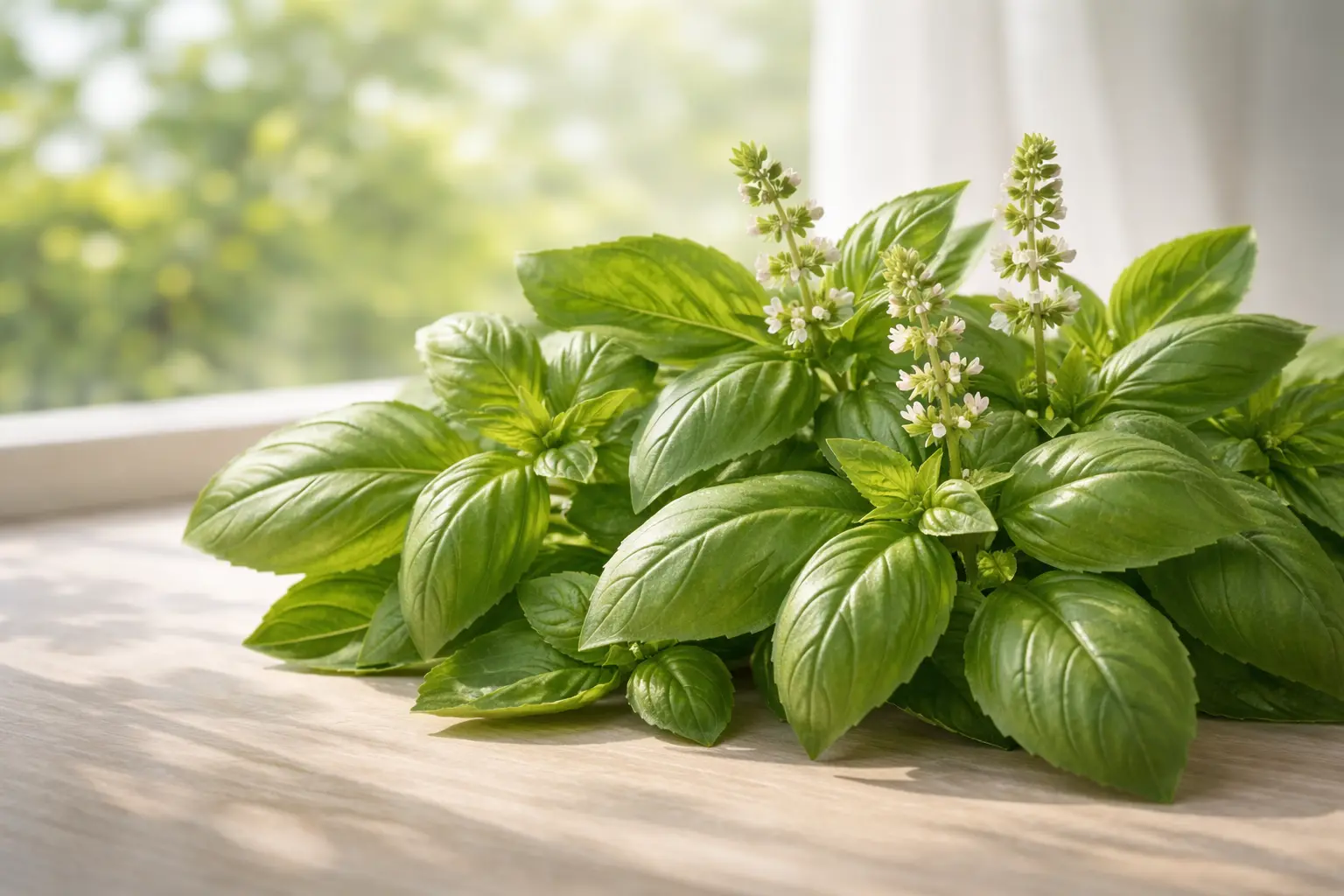
Basil essential oil is bright, green, sweet, and herbaceous: a familiar kitchen-garden aroma transformed into a concentrated aromatic oil with a crisp, lively personality. Steam distilled from the leaves and flowering tops of Ocimum basilicum, Basil essential oil is often used in diffuser blends, fresh herbal accords, natural perfumery, and carefully diluted body-care formulas. It can feel clear and uplifting in a room, especially when paired with citrus, mint, soft florals, or other Mediterranean herbs. Because basil oils vary widely in chemistry, this is also an oil where chemotype, dilution, and safety notes matter.
Bergamot Essential Oil
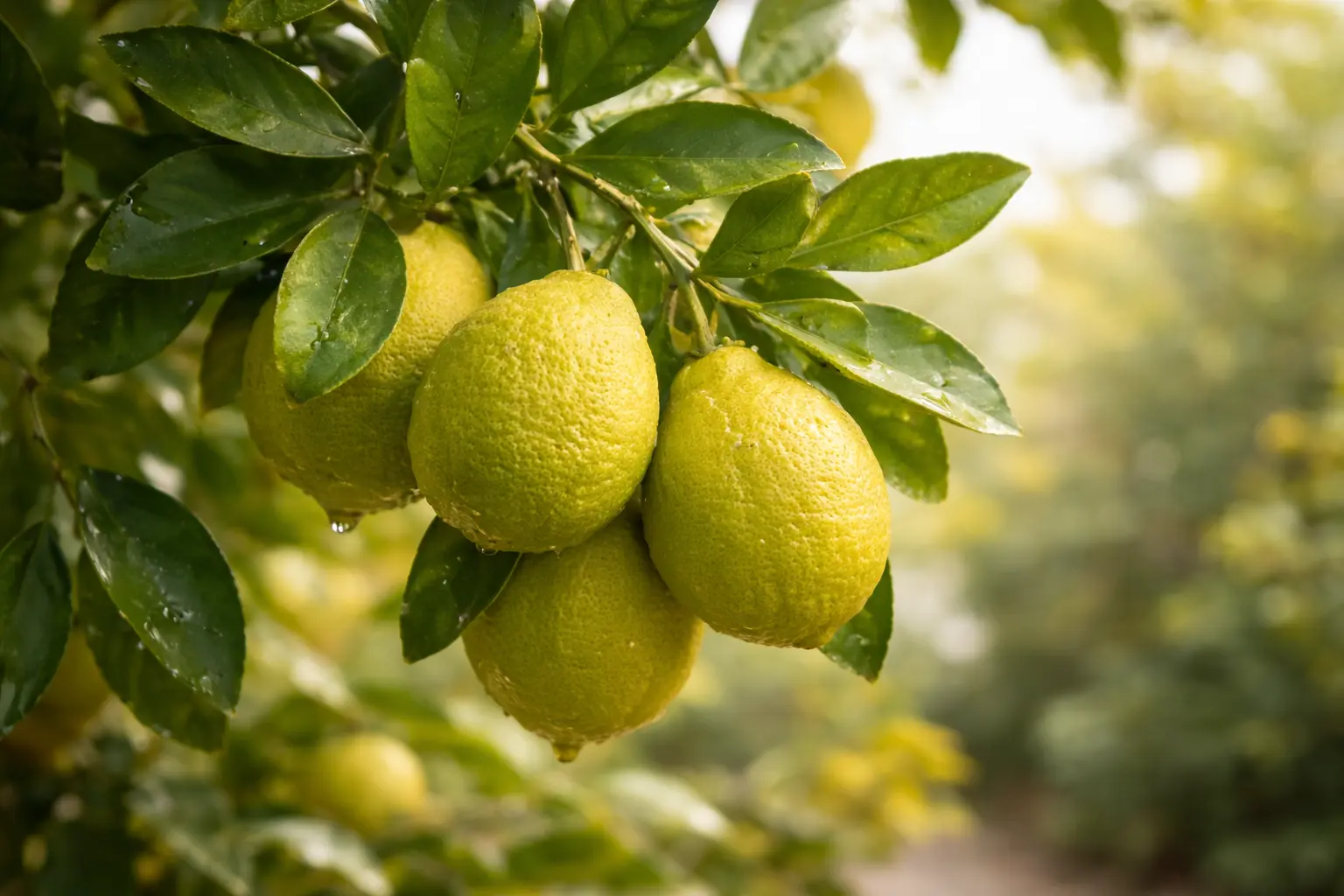
Bergamot essential oil is a bright, elegant citrus oil expressed from the peel of Citrus bergamia. It is best known for its fresh green-citrus aroma, soft floral undertone, connection to Earl Grey tea, and its long-standing role in perfumery, diffuser blends, emotional wellness rituals, and natural fragrance. Bergamot smells lighter and more complex than many familiar citrus oils. It has the sparkle of lemon, the gentle sweetness of sweet orange, a slightly bitter green edge, and a delicate floral quality that makes it blend beautifully with herbs, woods, resins, and florals.
Black Pepper Essential Oil
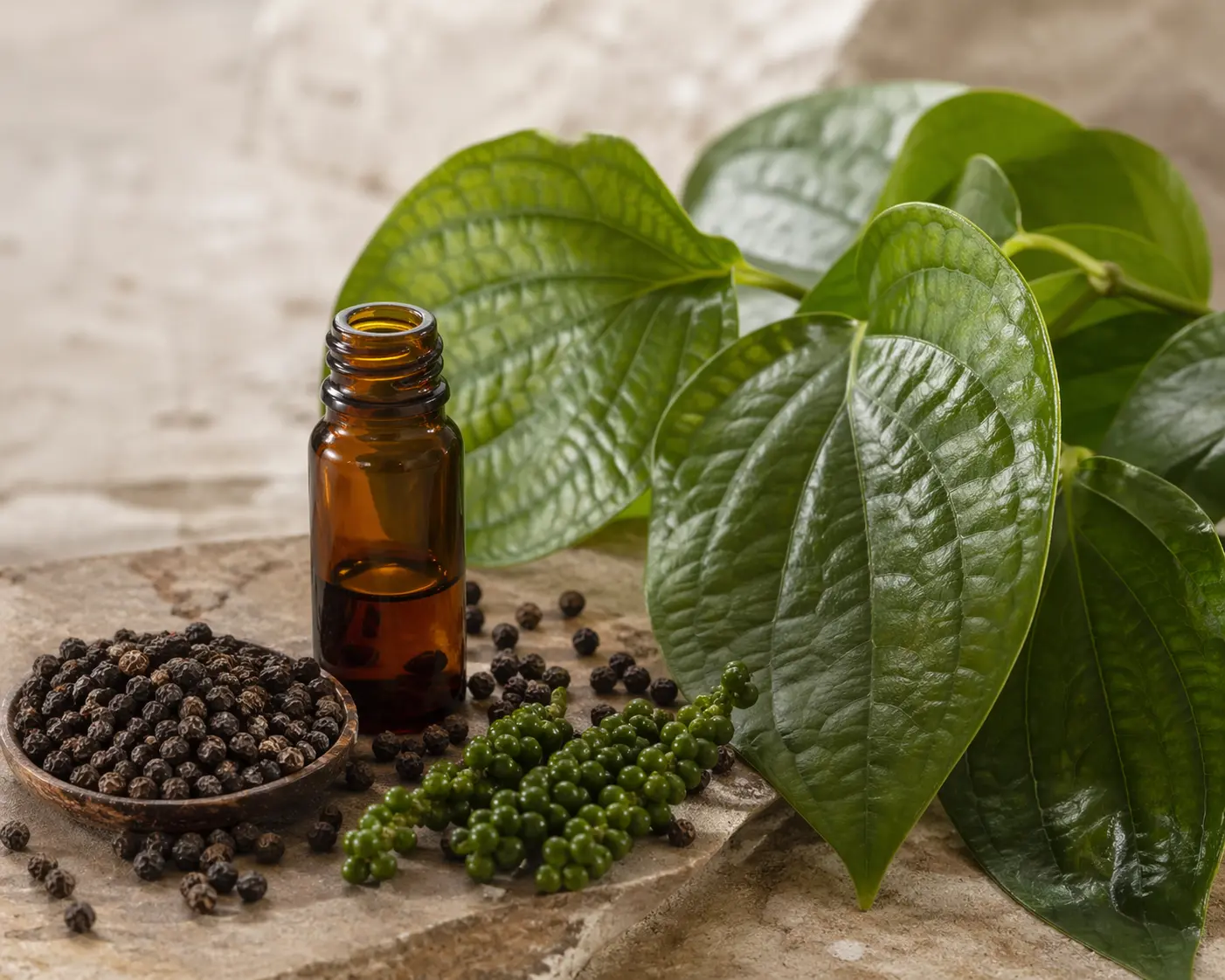
Black Pepper essential oil is warm, dry, spicy, and quietly energizing, with the familiar spark of cracked peppercorns softened into a smooth aromatic oil. Steam distilled from the fruits of Piper nigrum, Black Pepper essential oil is often used in diffuser blends, natural perfumery, warming-feeling massage oils, and cozy routines where a dry spice note is wanted. It smells recognizable, but it is not the same as sprinkling pepper on food. The essential oil is a concentrated aromatic extract, used by the drop, and it should be diluted carefully before topical use.
Cardamom Essential Oil
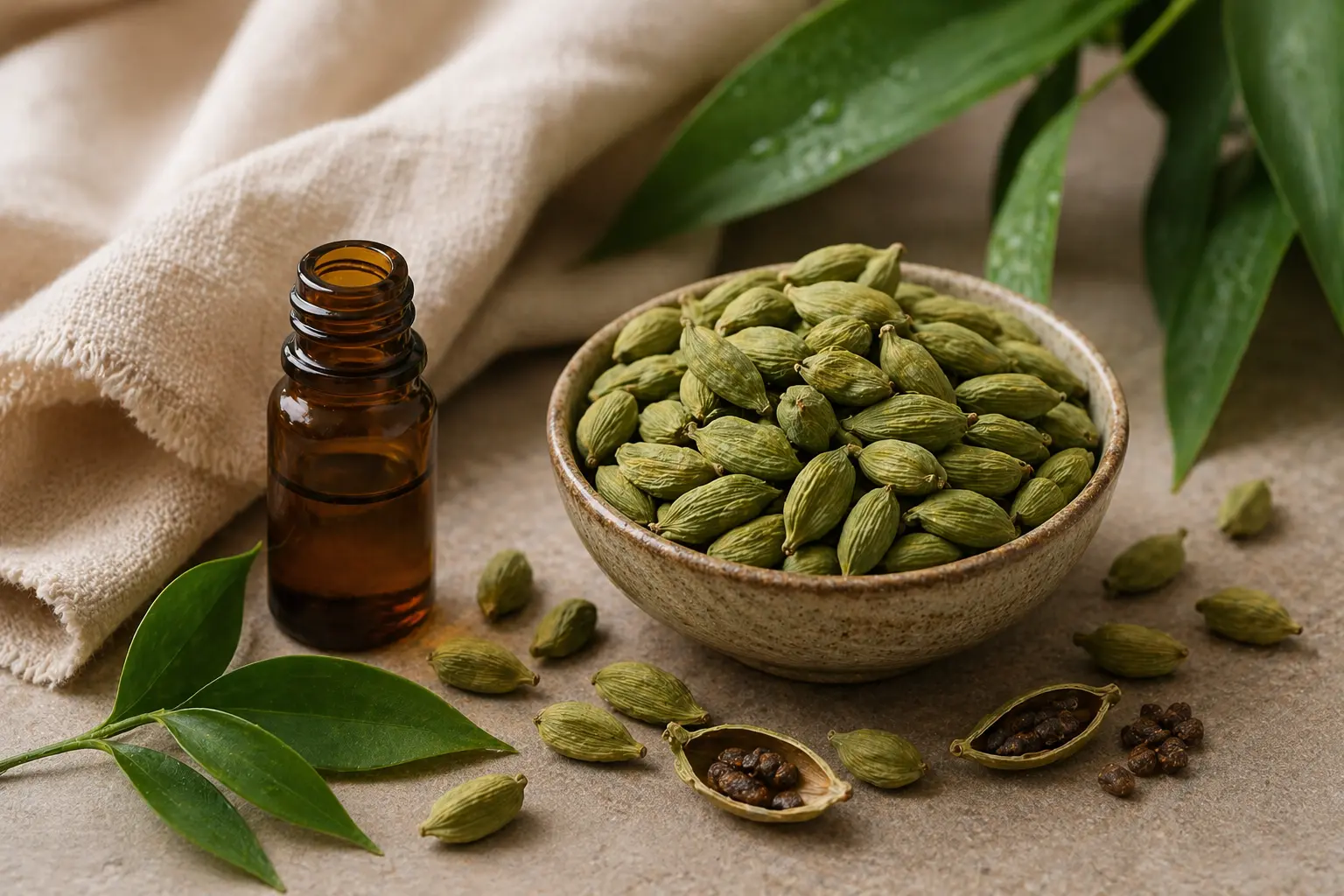
Cardamom essential oil is warm, sweet, spicy, and softly aromatic, with the elegant scent of green cardamom pods, citrus peel, fresh spice markets, and cozy kitchen rituals. Steam distilled from the seeds of Elettaria cardamomum, Cardamom essential oil is often used in diffuser blends, natural perfumery, massage oils at low dilution, and comforting home routines where a smooth spice note is wanted. It is gentler in aroma than many hot spice oils, but it is still a concentrated essential oil and should be diluted, diffused moderately, and used with care around sensitive people.
Further Reading and Sources
For botanical, chemical, and safety-oriented background, these sources may be useful starting points:
- Kew Plants of the World Online: Commiphora myrrha (T.Nees) Engl.
- Commiphora myrrh: A Phytochemical and Pharmacological Update
- Sesquiterpenoids from the Resinous Exudates of Commiphora myrrha
- Furanosesquiterpenoids of Commiphora myrrha
- Sesquiterpenoids from Resin of Commiphora myrrha
- Tisserand Institute: Q&A Safety Maximums for Dermal Application