
Patchouli Essential Oil
Essential Oils
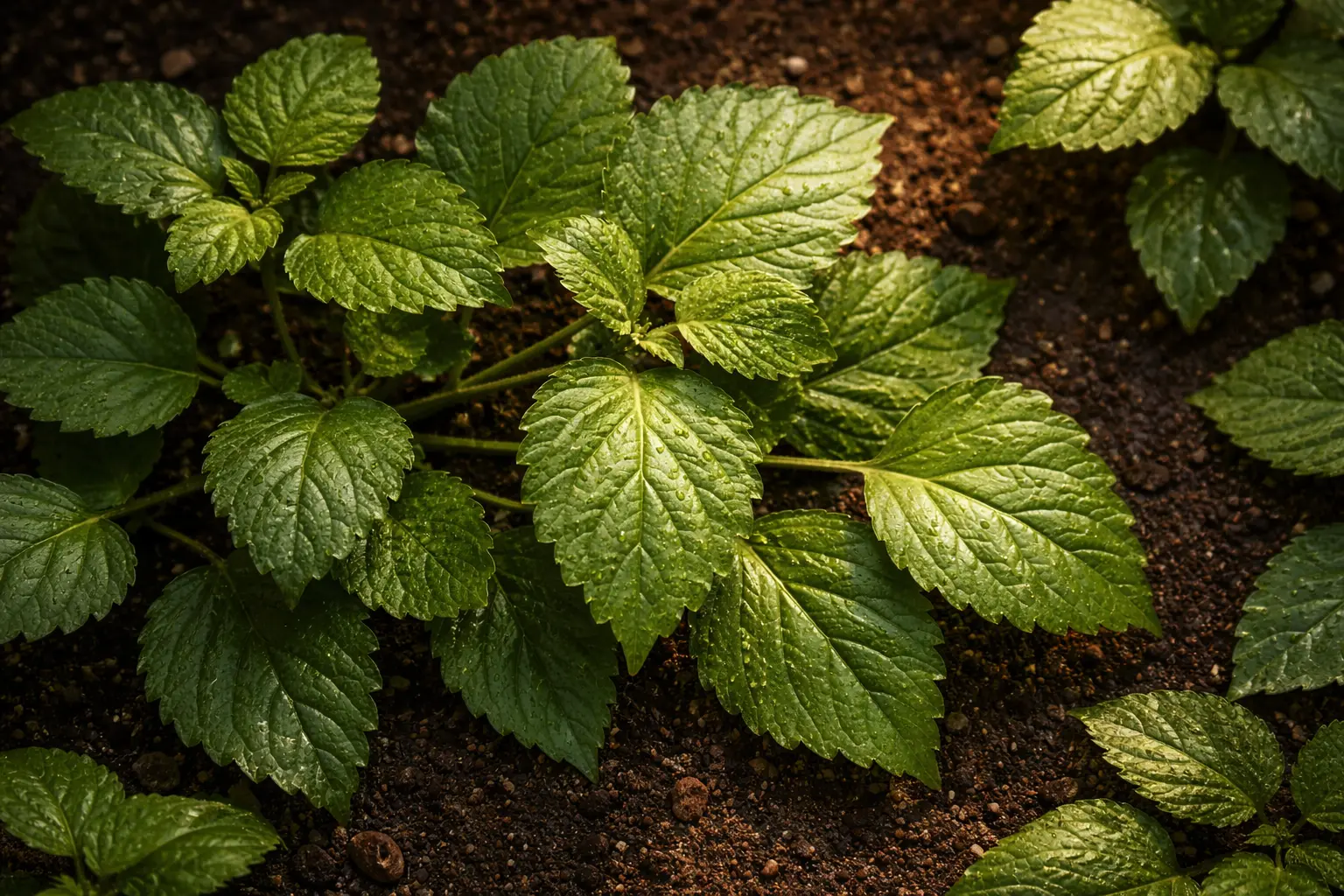
Patchouli essential oil is a deep, earthy, woody-balsamic oil steam distilled from the leaves of Pogostemon cablin. It is best known for its long-lasting aroma, its role as a natural perfume base note, and its ability to make blends feel grounded, warm, smoky, and quietly sensual.
Patchouli is one of those essential oils people often recognize immediately. Used well, it can smell elegant, soft, dry, woody, and almost velvety. Used too heavily, it can dominate a blend. A little patchouli goes a long way, especially in diffuser blends, perfume oils, body oils, and relaxing evening routines.
Quick Answer
Patchouli essential oil is commonly used in natural perfumery, grounding diffuser blends, massage oils, mature or dry-skin body care, incense-style blends, earthy floral blends, and slow evening routines. It pairs especially well with bergamot, sweet orange, pink grapefruit, lavender, geranium, ylang ylang, cedarwood atlas, sandalwood, frankincense, and vetiver.
The most important practical point is strength. Patchouli is not usually a beginner oil because it is persistent, heavy, and very easy to overuse. Start with one drop in diffuser blends or very low percentages in topical blends, then build slowly.
What Is Patchouli Essential Oil?
Patchouli essential oil comes from Pogostemon cablin, a tropical aromatic plant in the Lamiaceae family. That makes it a botanical relative of familiar aromatic plants such as lavender, peppermint, spearmint, rosemary, and basil, even though patchouli smells much deeper and more earthy than most mint-family oils.
The essential oil is usually obtained by steam distilling dried or partially cured leaves. Patchouli oil is valued in perfumery because it is unusually long lasting. It can anchor volatile top notes, soften sweet florals, deepen woods and resins, and make citrus blends feel more sophisticated. Its key odor-impact chemistry is strongly associated with sesquiterpenes, especially patchoulol, also called patchouli alcohol.
Patchouli is often described as earthy, woody, balsamic, smoky, sweet, and slightly herbaceous. Older patchouli oil may smell smoother and rounder than freshly distilled oil, which can be sharper, greener, or more camphoraceous at first. This aging quality is one reason patchouli has such a distinctive place in natural perfumery.
What Does Patchouli Essential Oil Smell Like?
Patchouli smells deep, earthy, woody, resin-like, dark, sweet, and slightly damp, with a dry herbal edge. Some people experience it as soft and grounding; others find it intense or heavy. The difference usually comes down to dose, quality, age, and what it is blended with.
In very small amounts, patchouli can be elegant. It gives body to bergamot, warmth to sweet orange, depth to lavender, sensuality to ylang ylang, and a mossy base to woods such as cedarwood atlas, sandalwood, and vetiver.
Common Uses of Patchouli Essential Oil
Patchouli is most useful when a blend needs depth, persistence, warmth, and a quiet earthy foundation. It is popular in perfume, incense-style blends, diffuser recipes, massage blends, body oils, mature-skin body care, and slow evening routines.
Natural Perfumery
Patchouli is a classic base note and fixative. It helps a natural perfume last longer and gives weight to lighter notes. It works beautifully under citrus, florals, resins, soft spices, and woods. In small amounts, patchouli can make a blend feel more expensive and complete; in large amounts, it quickly becomes the main character.
Grounding Diffuser Blends
In a diffuser, patchouli can create a warm, earthy atmosphere for evenings, reading, meditation, journaling, or quiet home routines. Use it sparingly. One drop is often enough when blended with lighter oils such as orange, bergamot, lavender, frankincense, cedarwood, or clary sage.
Massage and Body Oils
Patchouli is often used in massage blends and body oils because it adds warmth and depth. It is especially nice with carrier oils that feel rich and skin-softening. Keep the dilution modest, and use patchouli as a supporting note rather than the entire blend.
Skincare and Body Care
Patchouli appears often in formulas for dry, mature, or rough-feeling skin, but it should still be treated as a concentrated essential oil rather than a cure for skin conditions. Use it diluted, avoid broken or irritated skin, and patch test carefully if your skin is reactive.
Spiritual and Reflective Routines
Patchouli has a strong symbolic association with grounding, embodiment, stillness, and earth connection. In a practical sense, it can support the atmosphere of a ritual or reflective routine by making a space feel slower, warmer, and more rooted.
Quick Tips for Using Patchouli Essential Oil
Start with One Drop
Patchouli is powerful and long lasting. In a diffuser blend, start with 1 drop patchouli and build the rest of the blend around lighter oils.
Use as a Base Note
Add a tiny amount to citrus, floral, wood, or resin blends when you want the aroma to feel deeper and more anchored.
Soften with Citrus
If patchouli feels too dark, blend it with bergamot, sweet orange, pink grapefruit, or mandarin to make it brighter and easier to enjoy.
Patch Test Topical Blends
Dilute before skin use and patch test first, especially for sensitive skin, allergy-prone skin, or leave-on body products.
Dilution Guidance
General Adult Dilution
For general adult topical use, patchouli essential oil is usually kept around 1% to 2% dilution. A 1% dilution is about 1 drop of essential oil per teaspoon of carrier oil. A 2% dilution is about 2 drops per teaspoon of carrier oil.
How to Use Patchouli Essential Oil
In a Diffuser
Use patchouli in low amounts in a diffuser. A good starting point is 1 drop patchouli with 3 to 5 total drops of lighter oils. It pairs well with citrus oils for brightness, lavender for softness, frankincense for resinous depth, and cedarwood or sandalwood for a dry woody base. Diffuse intermittently in a ventilated room.
On Skin
Patchouli can be used in diluted body oils, massage blends, perfume oils, and balms. It is best as a supporting note, especially if the blend will be worn close to the body. Use a carrier oil, keep the dilution moderate, and patch test before wider use.
In Natural Perfume
Patchouli is one of the most useful base notes in natural perfumery. Try it with bergamot, neroli, geranium, ylang ylang, sandalwood, frankincense, cedarwood atlas, sweet orange, or vetiver. Let perfume blends rest for several days before judging them; patchouli often becomes rounder and more integrated over time.
In DIY Products
Patchouli can be used in body oils, solid perfumes, balms, massage blends, bath oils, soaps, room sprays, and diffuser recipes. Water-based products need proper formulation, not just essential oil and water. Label blends clearly and keep them away from children and pets.
History and Origins of Patchouli
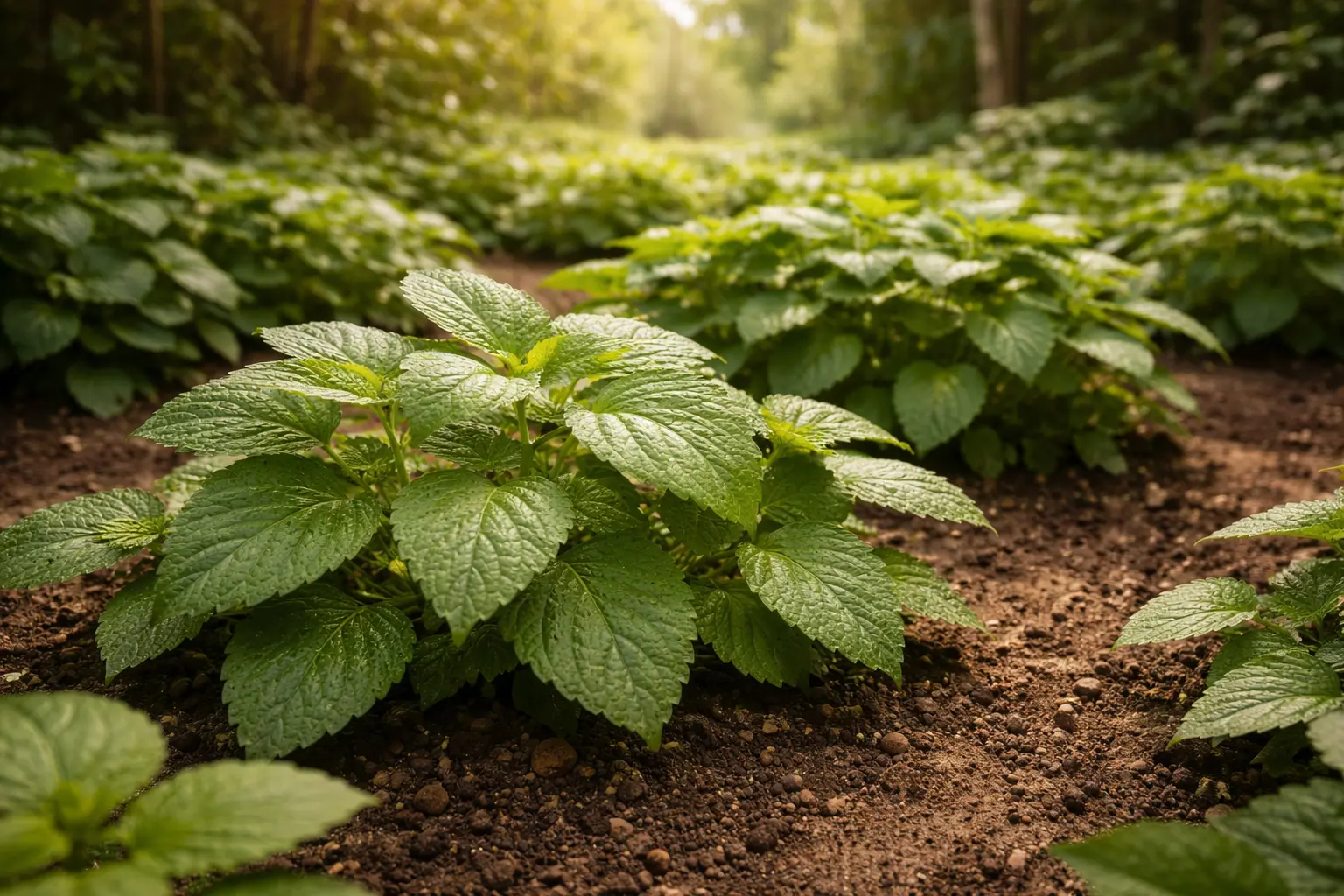
Patchouli has a long history in fragrance, textile scenting, incense, and traditional aromatic practice across parts of Asia. The plant grows in warm, humid regions and became especially important as a fragrant raw material because the dried leaves and distilled oil have a strong, persistent aroma.
Historically, patchouli was associated with scented textiles, perfumed goods, and protective storage aromas. Its deep scent could cling to fabric and help identify valuable imported goods. Later, patchouli became famous in Western perfumery, incense culture, and countercultural fragrance trends. Today it remains an important fragrance material, both in natural perfumery and in larger-scale fragrance composition.
Modern patchouli oil is produced in several tropical growing regions, with Indonesia often discussed as a major source. The oil's quality and aroma can vary by cultivar, growing conditions, harvesting time, drying or curing, storage, and distillation technique.
Patchouli Diffuser Blends
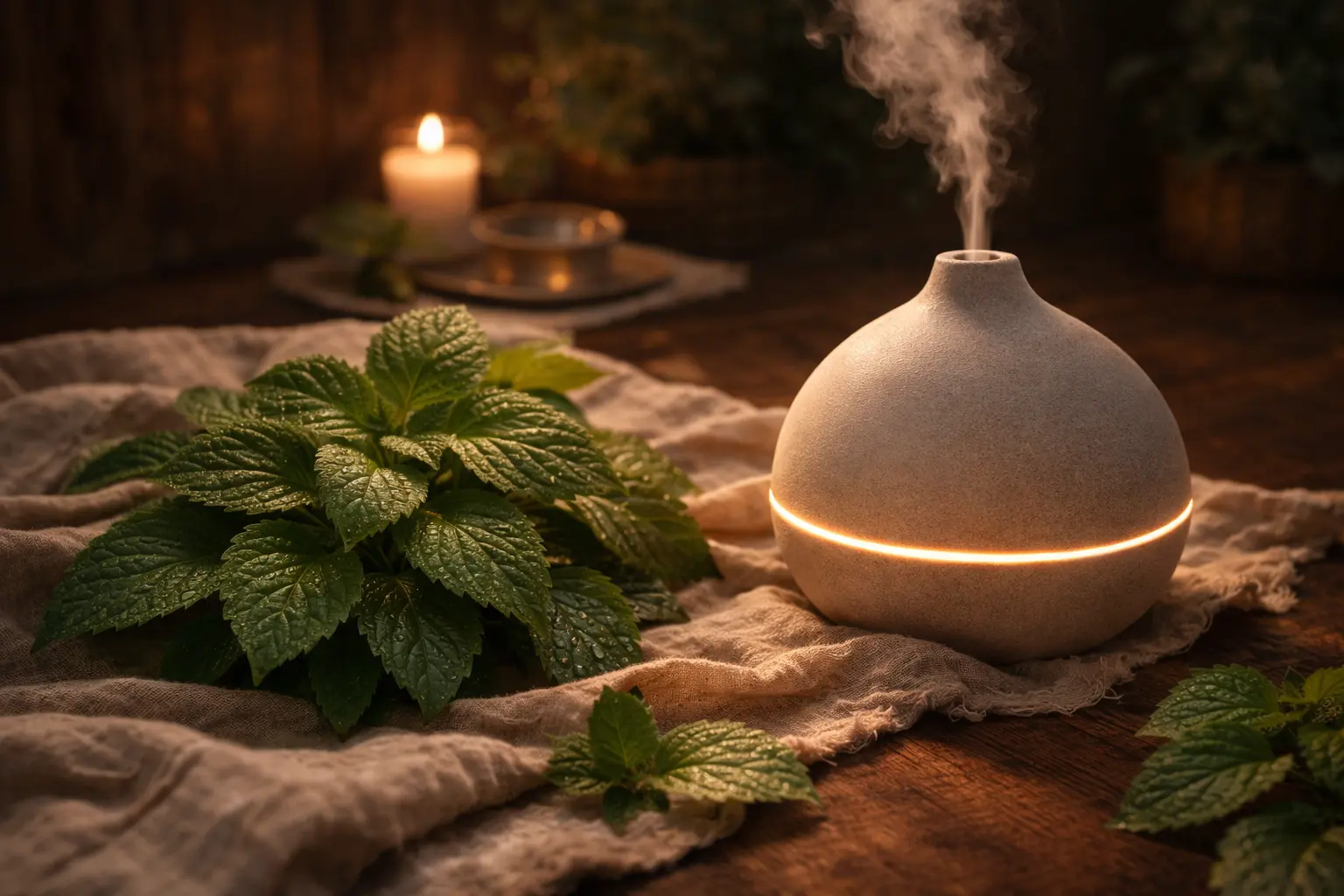
Patchouli diffuser blends should be balanced. If the room smells heavy or muddy, use less patchouli and more bright, fresh, or floral oils.
Earth and Citrus
Earth and Citrus
- 3 drops sweet orange
- 2 drops bergamot
- 1 drop patchouli
A warm, bright blend that makes patchouli feel softer, cleaner, and easier for daytime use.
Quiet Forest Floor
- 2 drops cedarwood atlas
- 2 drops frankincense
- 1 drop patchouli
A dry, resinous, woody-earthy blend for quiet evenings, reading, and slow home routines.
Velvet Lavender
Deep Exhale
- 2 drops bergamot
- 2 drops frankincense
- 1 drop patchouli
A grounded citrus-resin blend for meditation, journaling, or a quiet reset after a long day.
What Blends Well with Patchouli Essential Oil?
Patchouli blends well with bergamot, sweet orange, pink grapefruit, red mandarin, lavender, geranium, ylang ylang, clary sage, neroli, cedarwood atlas, sandalwood, frankincense, vetiver, black pepper, and cardamom.
For a softer patchouli blend, use lavender, geranium, or bergamot. For a darker perfume, use frankincense, sandalwood, vetiver, or cedarwood atlas. For a brighter room aroma, add orange, mandarin, pink grapefruit, or lemon.
FAQ About Patchouli Essential Oil
Is patchouli essential oil a base note?
Yes. Patchouli is a classic base note. It evaporates more slowly than many citrus or floral oils and helps give a blend depth, warmth, and staying power.
Is patchouli essential oil the same as patchouli fragrance oil?
No. Patchouli essential oil is distilled from Pogostemon cablin leaves. Patchouli fragrance oil may be synthetic, partly natural, or a fragrance composition made to smell like patchouli. They are not interchangeable for aromatherapy or safety calculations.
Can patchouli essential oil be used on skin?
Yes, but it should be diluted in a carrier oil first. Patchouli is often used in body oils, massage blends, and natural perfume oils, but it should not be applied neat to skin.
Is patchouli essential oil phototoxic?
Patchouli essential oil is not generally treated as a phototoxic oil. The main topical concerns are dilution, skin sensitivity, irritation, oxidized oil, and individual allergy risk.
Why does patchouli smell so strong?
Patchouli is rich in heavier aromatic molecules that linger. It is a base note, so it lasts longer than many lighter oils. This is useful in perfumery, but it also means small amounts are usually enough.
Can patchouli essential oil help anxiety or depression?
Patchouli is often used in calming or grounding aromatic routines, but it should not be described as treating anxiety, depression, or any mental health condition. It can help shape a comforting atmosphere, but it is not a substitute for professional care.
Can patchouli essential oil be ingested?
Do not ingest patchouli essential oil as a casual wellness practice. Essential oils are highly concentrated, and internal use should only happen under the guidance of a qualified professional trained in that method of use.
Patchouli Essential Oil, Spirituality, and Soul
The practical sections above focus on aroma, blending, dilution, and safety. Patchouli also has a strong symbolic life. In modern aromatic practice, it is often associated with earth, roots, embodiment, slowness, sensuality, and the feeling of coming back down into the body.
Patchouli can be useful in rituals where the desired mood is quiet, grounded, and steady. It does not feel airy or sparkling. It feels like soil, dark wood, old fabric, warm skin, and the low note underneath a fragrance.
Grounding and Embodiment
Patchouli is often chosen when a blend should feel stabilizing rather than bright. It can support the atmosphere of yoga, meditation, breathwork, journaling, or an evening reset, especially when paired with frankincense, cedarwood, lavender, or sandalwood.
Earth and Root Symbolism
Although patchouli oil comes from leaves, its scent is deeply associated with earth and roots. Symbolically, it can represent staying present, slowing down, letting the nervous system soften, and creating a stronger sense of place.
Sensuality and Natural Perfume
Patchouli has a long association with sensual fragrance. In natural perfume, it can add warmth, intimacy, and skin-like depth. These are symbolic and aesthetic associations, not medical claims.
Safety Notes
Patchouli essential oil should be diluted before topical use. Do not apply it undiluted to the skin, do not use it in or near the eyes, and do not take it internally as a casual wellness practice.
Patchouli is not generally considered phototoxic, but it can still irritate sensitive skin, especially if used too strongly or if the oil is old or oxidized. Patch test leave-on blends, keep dilutions modest, and stop use if irritation occurs.
Use extra caution with children, elderly adults, pregnancy, breastfeeding, sensitive skin, asthma, complex medical conditions, medication use, and pets. Diffuse in moderation, keep rooms ventilated, and avoid continuous diffusion. Store patchouli tightly closed, away from heat, light, and air.
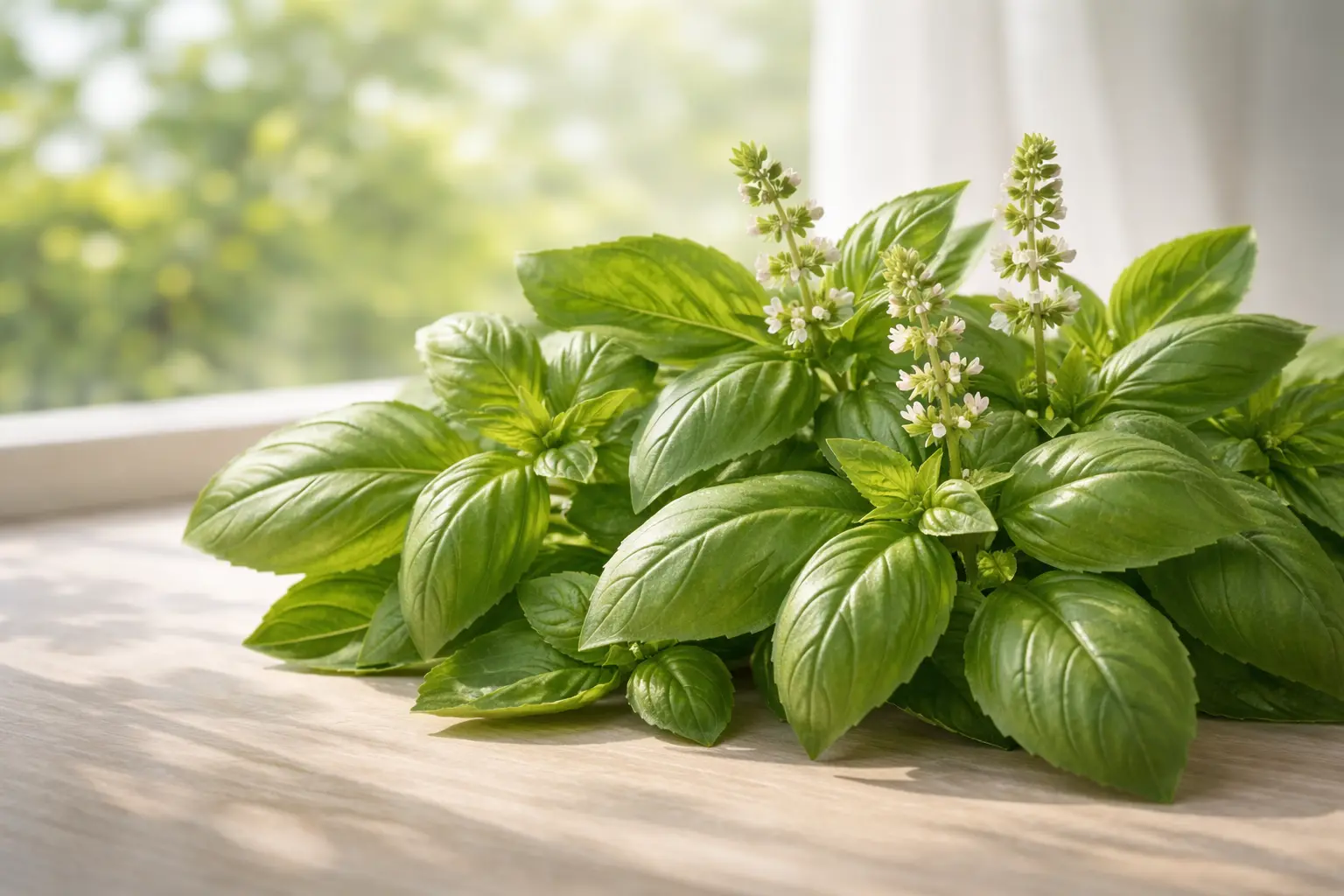
Basil Essential Oil
Basil essential oil is bright, green, sweet, and herbaceous: a familiar kitchen-garden aroma transformed into a concentrated aromatic oil with a crisp, lively personality. Steam distilled from the leaves and flowering tops of Ocimum basilicum, Basil essential oil is often used in diffuser blends, fresh herbal accords, natural perfumery, and carefully diluted body-care formulas. It can feel clear and uplifting in a room, especially when paired with citrus, mint, soft florals, or other Mediterranean herbs. Because basil oils vary widely in chemistry, this is also an oil where chemotype, dilution, and safety notes matter.
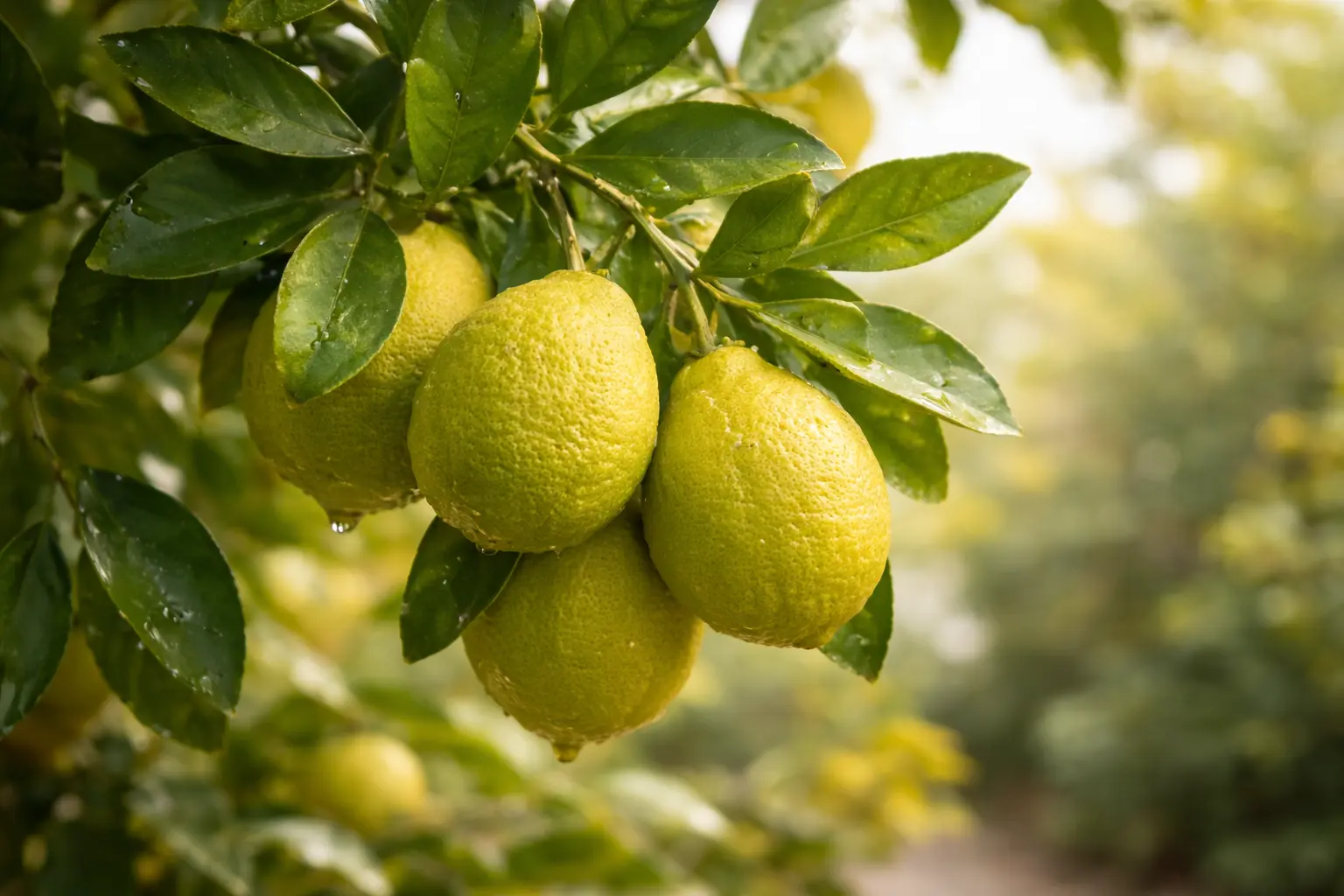
Bergamot Essential Oil
Bergamot essential oil is a bright, elegant citrus oil expressed from the peel of Citrus bergamia. It is best known for its fresh green-citrus aroma, soft floral undertone, connection to Earl Grey tea, and its long-standing role in perfumery, diffuser blends, emotional wellness rituals, and natural fragrance. Bergamot smells lighter and more complex than many familiar citrus oils. It has the sparkle of lemon, the gentle sweetness of sweet orange, a slightly bitter green edge, and a delicate floral quality that makes it blend beautifully with herbs, woods, resins, and florals.
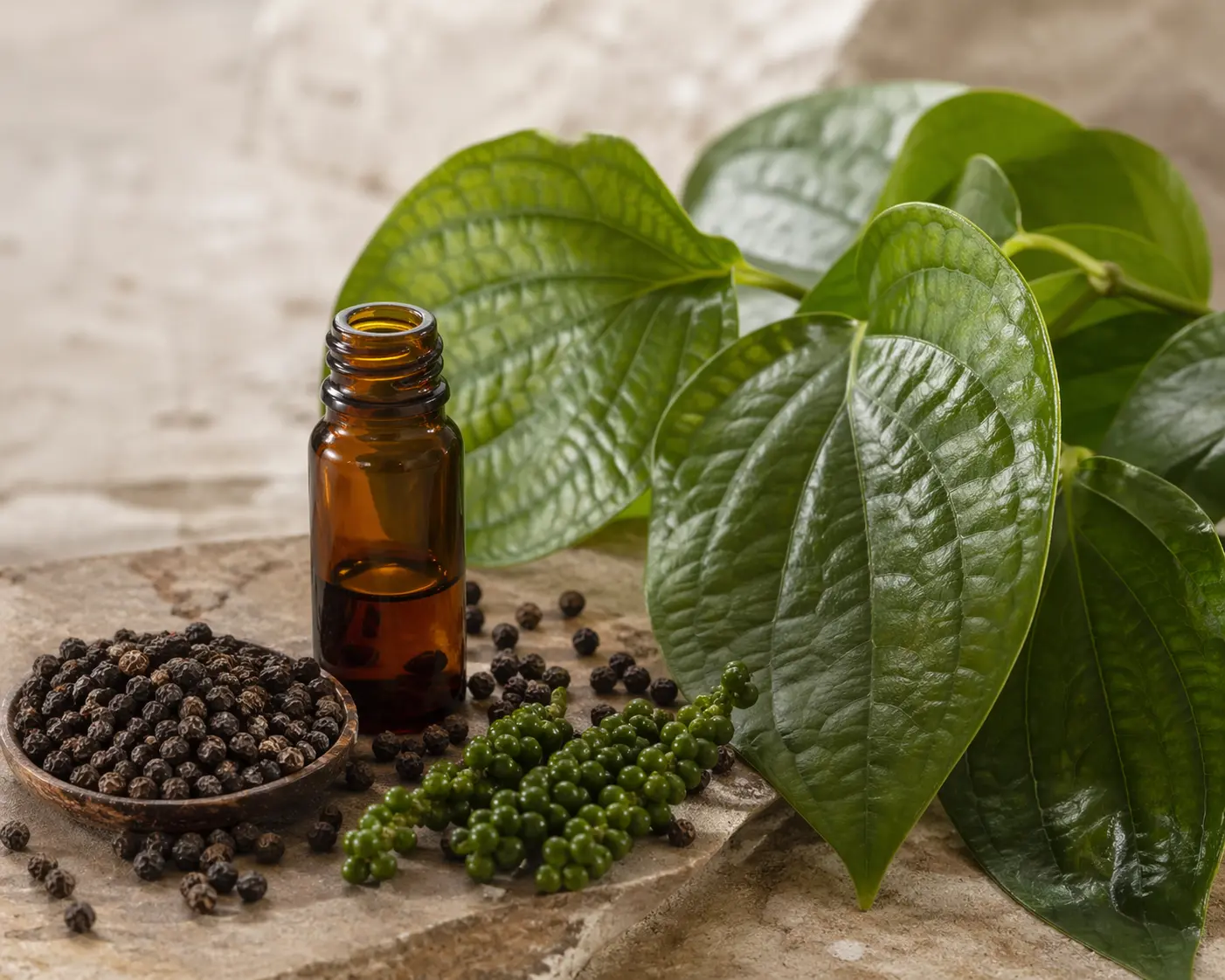
Black Pepper Essential Oil
Black Pepper essential oil is warm, dry, spicy, and quietly energizing, with the familiar spark of cracked peppercorns softened into a smooth aromatic oil. Steam distilled from the fruits of Piper nigrum, Black Pepper essential oil is often used in diffuser blends, natural perfumery, warming-feeling massage oils, and cozy routines where a dry spice note is wanted. It smells recognizable, but it is not the same as sprinkling pepper on food. The essential oil is a concentrated aromatic extract, used by the drop, and it should be diluted carefully before topical use.
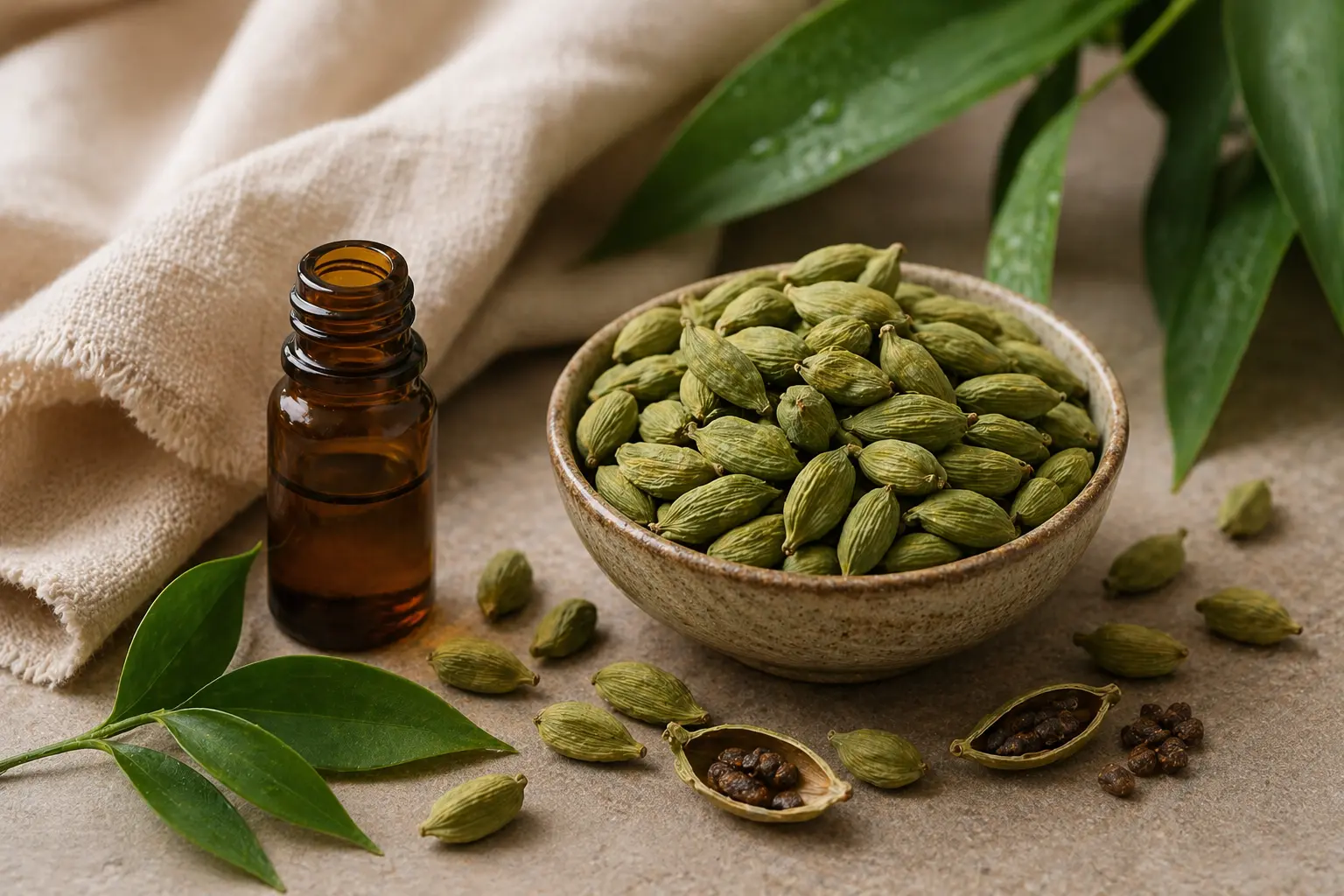
Cardamom Essential Oil
Cardamom essential oil is warm, sweet, spicy, and softly aromatic, with the elegant scent of green cardamom pods, citrus peel, fresh spice markets, and cozy kitchen rituals. Steam distilled from the seeds of Elettaria cardamomum, Cardamom essential oil is often used in diffuser blends, natural perfumery, massage oils at low dilution, and comforting home routines where a smooth spice note is wanted. It is gentler in aroma than many hot spice oils, but it is still a concentrated essential oil and should be diluted, diffused moderately, and used with care around sensitive people.
Further Reading and Sources
For botanical, chemical, fragrance, and safety-oriented background, these sources may be useful starting points:
- The essential oil of patchouli, Pogostemon cablin: a review
- A comprehensive review on Pogostemon cablin phytochemistry and activities
- PubMed: Pogostemon cablin review record
- EFSA / PubMed: patchouli oil safety and efficacy as a sensory feed additive
- Patchouli extracted via supercritical carbon dioxide: chemical characterization