
Pink Grapefruit Essential Oil
Essential Oils
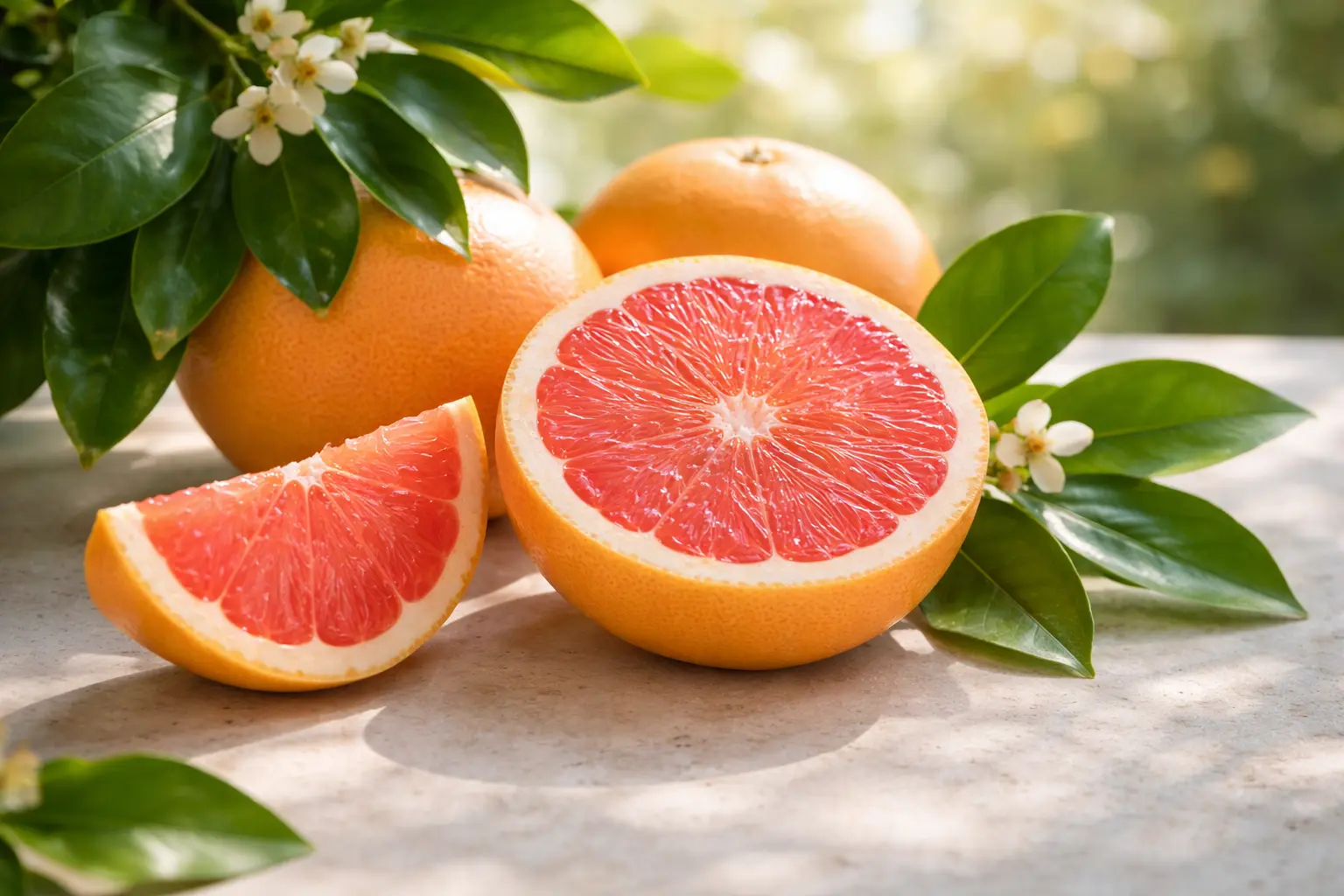
Pink grapefruit essential oil is a bright, fresh, sparkling citrus oil expressed from the peel of Citrus paradisi. It is commonly used in aromatherapy for cheerful diffuser blends, fresh home routines, room sprays, body-care products, morning rituals, and citrus blends that need a juicy, clean, uplifting aroma.
Its scent is tangy, sweet-bitter, juicy, and slightly green. Compared with sweet orange, pink grapefruit smells sharper and more sparkling. Compared with lemon, it feels rounder and fruitier. Compared with bergamot, it is less floral and more juicy-citrus.
Quick Answer
Pink grapefruit essential oil is best known for its bright citrus aroma and its use in diffuser blends, fresh home routines, room sprays, body oils, bath products, natural perfume, and morning self-care rituals. It blends especially well with lemon, lime, bergamot, sweet orange, mandarin red, peppermint, rosemary, and cedarwood atlas.
The main safety point is sun exposure. Cold-pressed grapefruit essential oil is generally considered less phototoxic than oils like cold-pressed bergamot or expressed lime, but it can still require caution in leave-on skin products. Use conservative dilution, avoid old oxidized oil, and avoid sun or tanning bed exposure after topical use if you are unsure of the formulation.
What Is Pink Grapefruit Essential Oil?
Pink grapefruit essential oil is usually cold expressed from the peel of Citrus paradisi, a subtropical citrus fruit known for its large size, glossy leaves, white blossoms, and juicy pink to red flesh. Like other citrus oils, the essential oil is found in tiny oil glands in the peel. When the peel is mechanically pressed, the bright aromatic oil is released.
Botanically, pink grapefruit belongs to the Rutaceae family, the same citrus family as lemon, lime, sweet orange, mandarin red, bergamot, bitter orange, neroli, and petitgrain. Grapefruit is especially interesting because it is a hybrid citrus, generally understood as related to sweet orange and pomelo ancestry.
Pink grapefruit essential oil is usually rich in limonene, the bright citrus constituent found in many peel oils. Smaller aromatic components help give grapefruit its distinctive bitter-sweet, juicy, slightly sulfurous sparkle. As with all essential oils, composition can vary depending on fruit variety, growing region, peel freshness, extraction method, and storage.
Pink Grapefruit vs. White Grapefruit
Pink grapefruit and white grapefruit come from the same broad species, Citrus paradisi, but the fruit flesh differs in color and flavor. Pink and red grapefruits tend to have a warmer, fruitier, slightly sweeter impression, while white grapefruit can feel sharper, paler, and more bitter.
For essential oil, the distinction can be more subtle than it is for the fresh fruit, because the oil comes from the peel rather than the juice. Still, many people experience pink grapefruit essential oil as juicy, cheerful, and slightly softer than white grapefruit oil. If a recipe simply says “grapefruit essential oil,” check the label and botanical name, and note whether it is pink, white, cold pressed, or distilled.
What Does Pink Grapefruit Essential Oil Smell Like?
Pink grapefruit essential oil smells fresh, fizzy, juicy, citrusy, sweet-bitter, and slightly green. It has a clean brightness that makes a room feel more awake, but it is not as piercing as lemon or as floral as bergamot. Its bitterness gives it sophistication, while its pink-fruit sweetness keeps it cheerful and approachable.
In blends, pink grapefruit can lift heavy oils, sharpen soft oils, and make herbaceous oils feel more modern. It works beautifully with peppermint for crispness, rosemary for focus, geranium for floral balance, cedarwood atlas for grounding, frankincense for softness, and patchouli for a more natural perfume-like base.
Common Uses of Pink Grapefruit Essential Oil
Pink grapefruit essential oil is most often chosen when a blend needs to feel bright, clean, cheerful, and fresh. It belongs naturally to morning routines, open windows, fresh laundry moods, kitchen diffuser blends, room sprays, body oils, citrus perfumes, and gentle energy-reset rituals. It is not a cure for fatigue or low mood, but its aroma can make everyday spaces feel lighter and more awake.
Bright Morning Diffuser Blends
Pink grapefruit is one of the easiest oils to use in morning diffuser blends. It creates a fresh, juicy atmosphere without feeling overly sweet. For a crisp blend, pair it with peppermint or rosemary. For a softer citrus blend, combine it with sweet orange, mandarin red, or bergamot.
Fresh Home Routines
Pink grapefruit is popular in room sprays, linen sprays, kitchen diffuser blends, and after-cleaning aromatic routines. It gives a fresh citrus impression without smelling harsh or medicinal. It pairs well with lemon, lime, tea tree, eucalyptus radiata, rosemary, and petitgrain for clean, bright home aromas.
Emotional Lift and Everyday Motivation
Pink grapefruit is often used when someone wants a scent that feels optimistic, energetic, and emotionally light. It should not be described as treating depression, anxiety, emotional eating, weight concerns, or hormonal issues. A safer and more accurate way to describe it is as an aroma that can support a brighter environment, a pleasant morning routine, or a fresh start feeling.
For emotional lift, pink grapefruit blends naturally with bergamot, geranium, clary sage, frankincense, and cedarwood atlas.
Body Oils and Bath Products
Pink grapefruit is often used in body oils, scrubs, shower oils, bath products, and lotions because it smells fresh, juicy, and clean. For leave-on skin products, dilution and sun exposure need careful attention. Use conservative amounts, avoid old oxidized citrus oil, and do not apply grapefruit oil to skin before sun exposure unless the formulation is known to be safe for that purpose.
For body-care aromas, pink grapefruit pairs nicely with geranium, lavender, cedarwood atlas, patchouli, and juniper berry.
Natural Perfume
Pink grapefruit gives natural perfume blends a sparkling top note. It opens a fragrance with freshness, but like many citrus top notes, it fades relatively quickly. Base notes such as cedarwood atlas, patchouli, vetiver, sandalwood, and frankincense can help give the blend more staying power.
Scalp and Hair-Care Aromas
Pink grapefruit is sometimes used in shampoo-style blends, scalp oils, and hair mists for its fresh citrus scent. Keep dilution low, avoid irritated or broken skin, and do not present grapefruit essential oil as a treatment for hair loss, dandruff, scalp disease, or oily scalp conditions. For hair-care style aromas, it can be paired with rosemary, peppermint, tea tree, or cedarwood atlas.
Quick Tips for Using Pink Grapefruit Essential Oil
Bright Morning Diffuser
Add 3 drops pink grapefruit, 2 drops sweet orange, and 1 drop peppermint to a diffuser. Run for 30 to 45 minutes in a ventilated room for a fresh morning atmosphere.
Fresh Room Reset
Diffuse 3 drops pink grapefruit with 2 drops lemon and 1 drop rosemary after cleaning or opening windows. Keep the room ventilated and avoid continuous diffusion.
Cheerful Body Oil
Dilute 1 drop pink grapefruit and 1 drop geranium in 1 teaspoon of carrier oil. Use on covered skin and avoid sun exposure if using cold-pressed grapefruit.
Perfume Top Note
Use pink grapefruit with cedarwood atlas, patchouli, or frankincense for a fresh natural perfume opening with a warmer base.
Dilution Guidance
General Adult Dilution
For general adult topical use, pink grapefruit essential oil is usually best kept around 1% to 2% dilution. A 1% dilution is about 1 drop of essential oil per teaspoon of carrier oil. A 2% dilution is about 2 drops per teaspoon of carrier oil.
How to Use Pink Grapefruit Essential Oil
In a Diffuser
Use 3 to 6 total drops of essential oil in a standard room diffuser, depending on room size, diffuser type, and personal sensitivity. Pink grapefruit can be the main note in a citrus blend or a bright accent in herbal, floral, or woody blends. It works well with lime, lemon, peppermint, rosemary, geranium, and cedarwood atlas.
On Skin
Always dilute pink grapefruit essential oil before applying it to skin. Avoid using it on broken, irritated, inflamed, or freshly shaved skin. If the oil is cold pressed and the skin will be exposed to sunlight, keep the dilution conservative or choose a different oil for that product.
In Bath Products
Do not add pink grapefruit essential oil directly to bathwater. Essential oils do not dissolve in water and can sit on the surface, increasing the chance of irritation. Mix the oil into an appropriate dispersant, unscented bath gel, or fully emulsified bath product before adding it to the bath.
In DIY Products
Pink grapefruit can be used in room sprays, linen sprays, body oils, scrubs, shower oils, creams, lotions, and natural perfume blends. Water-based products need a proper solubilizer or emulsifier, not just water and essential oil. Label blends clearly, store them away from heat and light, and keep them away from children and pets.

History and Origins of Pink Grapefruit
Grapefruit is a relatively young citrus compared with ancient citrus fruits such as citron, mandarin, and pomelo. It is generally understood to have originated in Barbados as a natural hybrid connected with sweet orange and pomelo ancestry. From the Caribbean, grapefruit later spread into other warm citrus-growing regions, including Florida, Texas, California, Israel, South Africa, Brazil, and Mediterranean climates.
The name “grapefruit” is often linked to the way the fruits grow in clusters on the tree, somewhat like bunches of grapes. Older names and botanical discussions have also connected grapefruit with the idea of the “forbidden fruit” of Barbados, though historical naming around citrus can be complicated and sometimes overlapping.
Pink and red grapefruit varieties became especially popular because of their attractive flesh color, juicy flavor, and bright breakfast-fruit identity. In the world of essential oils, the peel is the important part. The aromatic oil glands in the rind hold the fresh citrus scent that gives pink grapefruit essential oil its cheerful, sparkling character.
As with other citrus peel oils, modern pink grapefruit essential oil is much more concentrated than the fresh fruit peel. It belongs in careful aromatic use, measured dilution, and thoughtful storage rather than casual internal use.
Pink Grapefruit Diffuser Blends
Pink grapefruit diffuser blends are best when they feel bright, fresh, and not too crowded. It works beautifully with other citrus oils, crisp herbs, soft florals, and grounding woods.
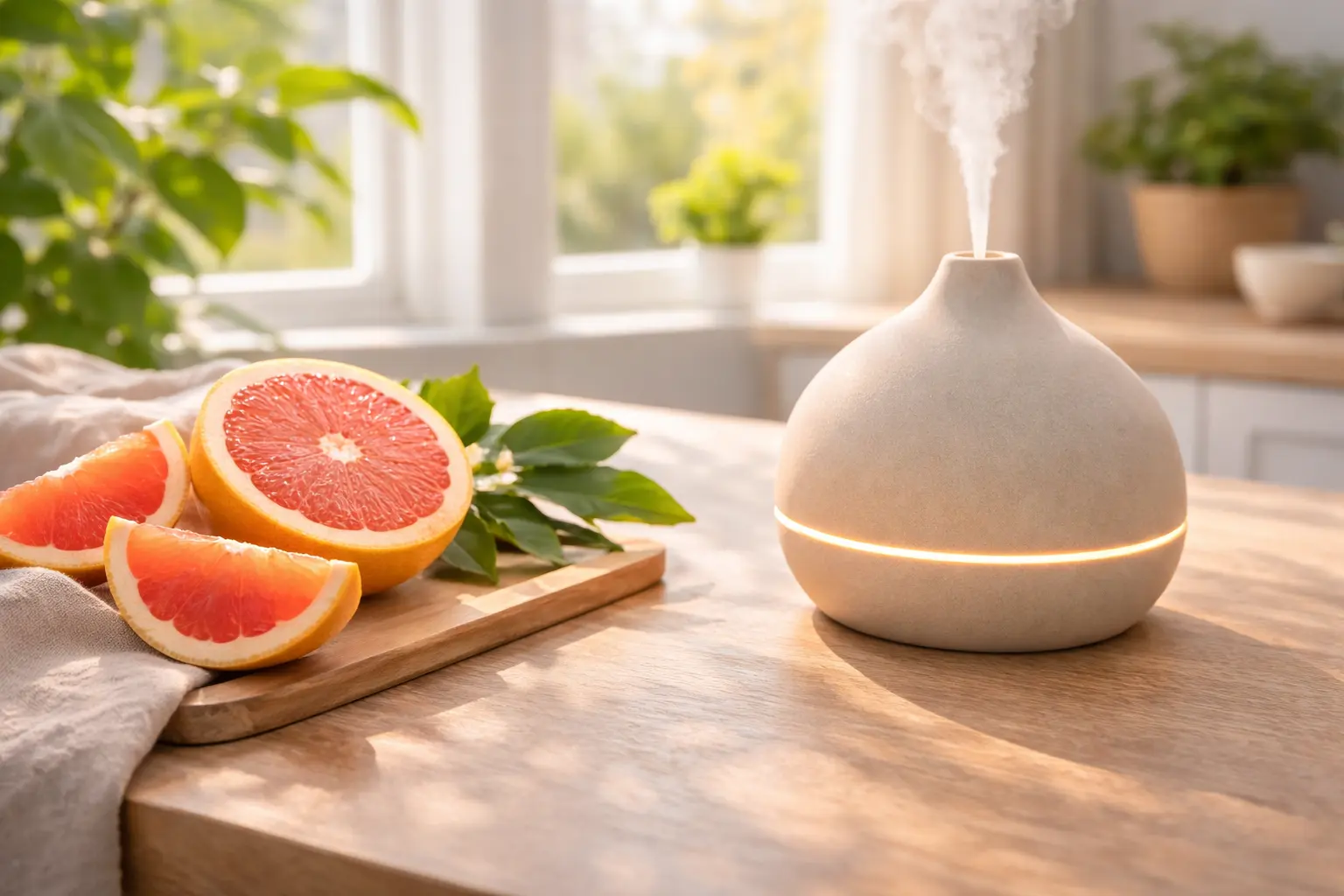
Sunlit Kitchen
Sunlit Kitchen
- 3 drops pink grapefruit
- 2 drops lemon
- 1 drop rosemary
A bright citrus-herbal blend for fresh mornings, kitchen resets, and open-window energy.
Pink Spark
- 3 drops pink grapefruit
- 2 drops sweet orange
- 1 drop peppermint
A cheerful, juicy, crisp blend for daytime freshness and a lighter-feeling room.
Garden Citrus
- 3 drops pink grapefruit
- 1 drop geranium
- 1 drop bergamot
A rosy citrus blend with a fresh floral lift and a polished, happy atmosphere.
Bright Woods
- 3 drops pink grapefruit
- 2 drops cedarwood atlas
- 1 drop frankincense
A fresh citrus-wood-resin blend that feels bright, grounded, and quietly elegant.
What Blends Well with Pink Grapefruit Essential Oil?
Pink grapefruit blends naturally with lemon, lime, bergamot, sweet orange, mandarin red, neroli, petitgrain, peppermint, rosemary, eucalyptus radiata, tea tree, geranium, clary sage, lavender, frankincense, cedarwood atlas, patchouli, and vetiver.
For bright blends, combine pink grapefruit with lemon, lime, sweet orange, or peppermint. For fresh home blends, pair it with rosemary, eucalyptus radiata, tea tree, or petitgrain. For natural perfume blends, use it with bergamot, geranium, cedarwood atlas, frankincense, patchouli, or vetiver.
FAQ About Pink Grapefruit Essential Oil
Is pink grapefruit essential oil phototoxic?
Cold-pressed grapefruit essential oil is generally considered lower risk than strongly phototoxic citrus oils such as cold-pressed bergamot or expressed lime, but caution is still appropriate for leave-on skin products. Keep dilution conservative, avoid old oxidized oil, and avoid sun or tanning bed exposure after topical use if you are unsure whether the blend is safely formulated.
Is pink grapefruit essential oil the same as grapefruit seed extract?
No. Pink grapefruit essential oil is an aromatic oil from the peel of Citrus paradisi. Grapefruit seed extract is a different product made from seed and pulp materials and is used for different purposes. They are not interchangeable.
Can pink grapefruit essential oil be used on skin?
Yes, but it must be diluted. For leave-on skin products, use conservative dilution and consider sun exposure. Avoid applying pink grapefruit essential oil to broken, irritated, inflamed, or freshly shaved skin.
Can pink grapefruit essential oil help with weight loss?
No essential oil should be presented as causing weight loss. Pink grapefruit essential oil is often used because its aroma feels fresh, bright, and motivating, but it is not a treatment for weight concerns, appetite, metabolism, or body composition.
Can pink grapefruit essential oil be used in a diffuser around children?
Use caution. Diffuse small amounts for short periods in a ventilated room, and avoid direct inhalation. For babies, toddlers, children with asthma, allergies, or medical conditions, seek qualified guidance first.
Can pink grapefruit essential oil be ingested?
Do not ingest pink grapefruit essential oil as a casual wellness practice. Essential oils are concentrated aromatic extracts, and internal use should only happen under qualified professional guidance.
How should pink grapefruit essential oil be stored?
Store it tightly closed, away from heat, light, and air. Citrus oils oxidize more quickly than many essential oils. If pink grapefruit oil smells stale, harsh, sticky, or noticeably different, do not use it on skin.

Pink Grapefruit Essential Oil, Spirituality, and Soul
The main sections above focus on botanical information, practical use, dilution, and safety. Pink grapefruit also has a symbolic and spiritual life in modern aromatherapy, where its bright citrus aroma is often associated with optimism, emotional lightness, renewal, and the simple courage of beginning again.
Pink grapefruit does not feel solemn or heavy. It has a sparkling, almost playful brightness, like sunlight hitting a breakfast table. It can be chosen for morning rituals, space clearing, journaling, and moments when the emotional atmosphere feels stale and needs fresh air.
Fresh Starts
In symbolic aromatherapy, pink grapefruit is often connected with new beginnings. It may be used in rituals for opening windows, clearing a room, starting a new habit, or marking a small but meaningful reset.
Solar Plexus Energy
Some spiritual traditions associate pink grapefruit with the solar plexus because of its sunny, bright, confidence-supporting aroma. This association is symbolic, not medical or scientific. The scent can feel cheerful, direct, and gently motivating.
Emotional Lightness
Pink grapefruit may be chosen when someone wants to bring more playfulness and freshness into the day. It does not erase difficulty, but symbolically it can help mark the choice to open the curtains, breathe more deeply, and let a little brightness back in.
Safety Notes
Pink grapefruit essential oil should be diluted before topical use. Do not apply it undiluted to the skin, do not use it in or near the eyes, and do not take it internally as a casual wellness practice.
Most pink grapefruit essential oil is cold pressed from the peel. It is generally considered less phototoxic than cold-pressed bergamot or expressed lime, but conservative topical use is still wise. If using it in leave-on skin products, keep dilution low and avoid sun exposure or tanning beds on the applied area if you are unsure whether the blend is formulated within safe limits.
Citrus oils oxidize over time, and oxidized oils are more likely to irritate skin. Store pink grapefruit essential oil away from heat, light, and air, and avoid using old oil on skin. Use caution around children, pregnancy, breastfeeding, pets, asthma, sensitive skin, medication use, and complex medical conditions. Diffuse in moderation, keep rooms ventilated, and avoid continuous diffusion.
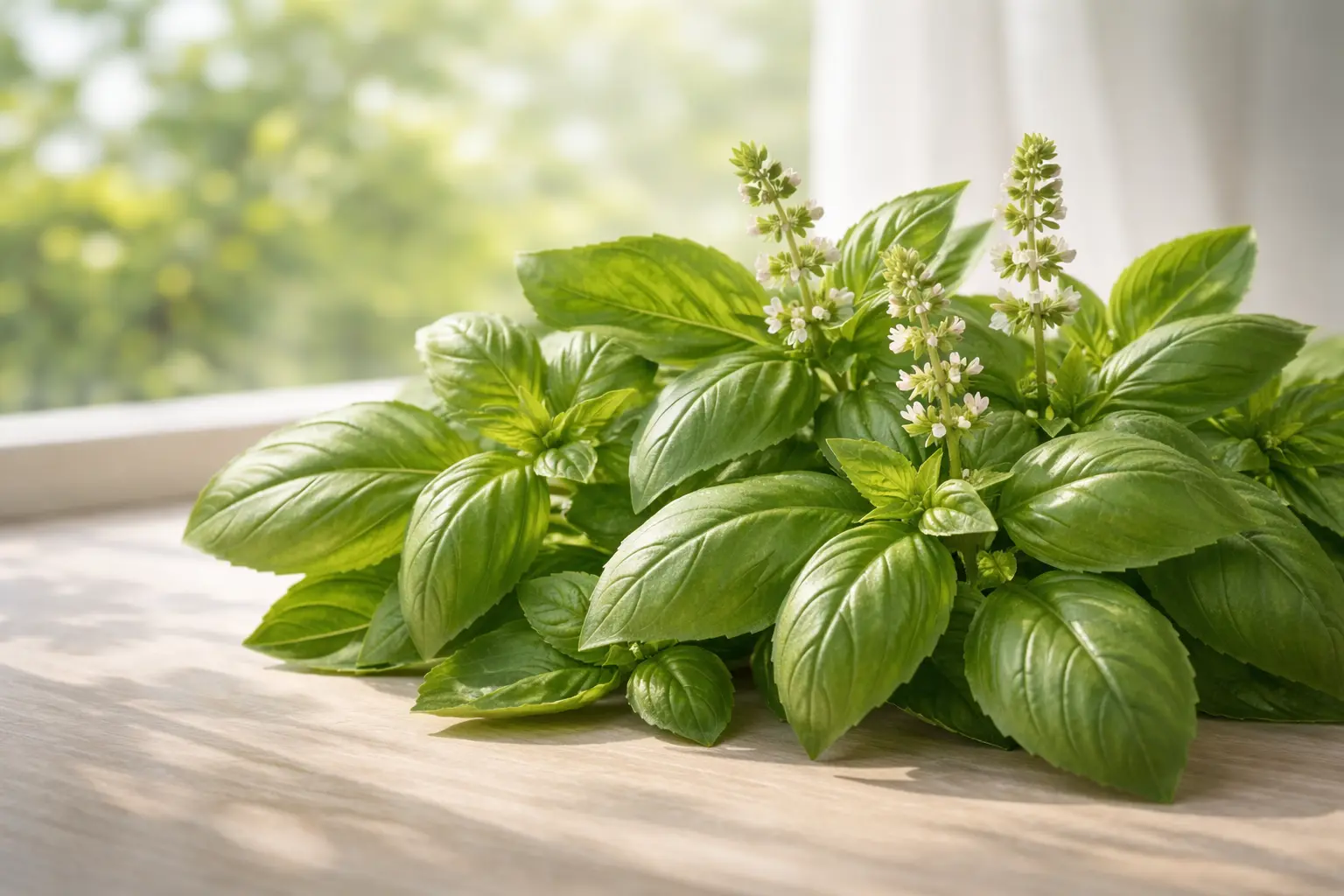
Basil Essential Oil
Basil essential oil is bright, green, sweet, and herbaceous: a familiar kitchen-garden aroma transformed into a concentrated aromatic oil with a crisp, lively personality. Steam distilled from the leaves and flowering tops of Ocimum basilicum, Basil essential oil is often used in diffuser blends, fresh herbal accords, natural perfumery, and carefully diluted body-care formulas. It can feel clear and uplifting in a room, especially when paired with citrus, mint, soft florals, or other Mediterranean herbs. Because basil oils vary widely in chemistry, this is also an oil where chemotype, dilution, and safety notes matter.

Bergamot Essential Oil
Bergamot essential oil is a bright, elegant citrus oil expressed from the peel of Citrus bergamia. It is best known for its fresh green-citrus aroma, soft floral undertone, connection to Earl Grey tea, and its long-standing role in perfumery, diffuser blends, emotional wellness rituals, and natural fragrance. Bergamot smells lighter and more complex than many familiar citrus oils. It has the sparkle of lemon, the gentle sweetness of sweet orange, a slightly bitter green edge, and a delicate floral quality that makes it blend beautifully with herbs, woods, resins, and florals.
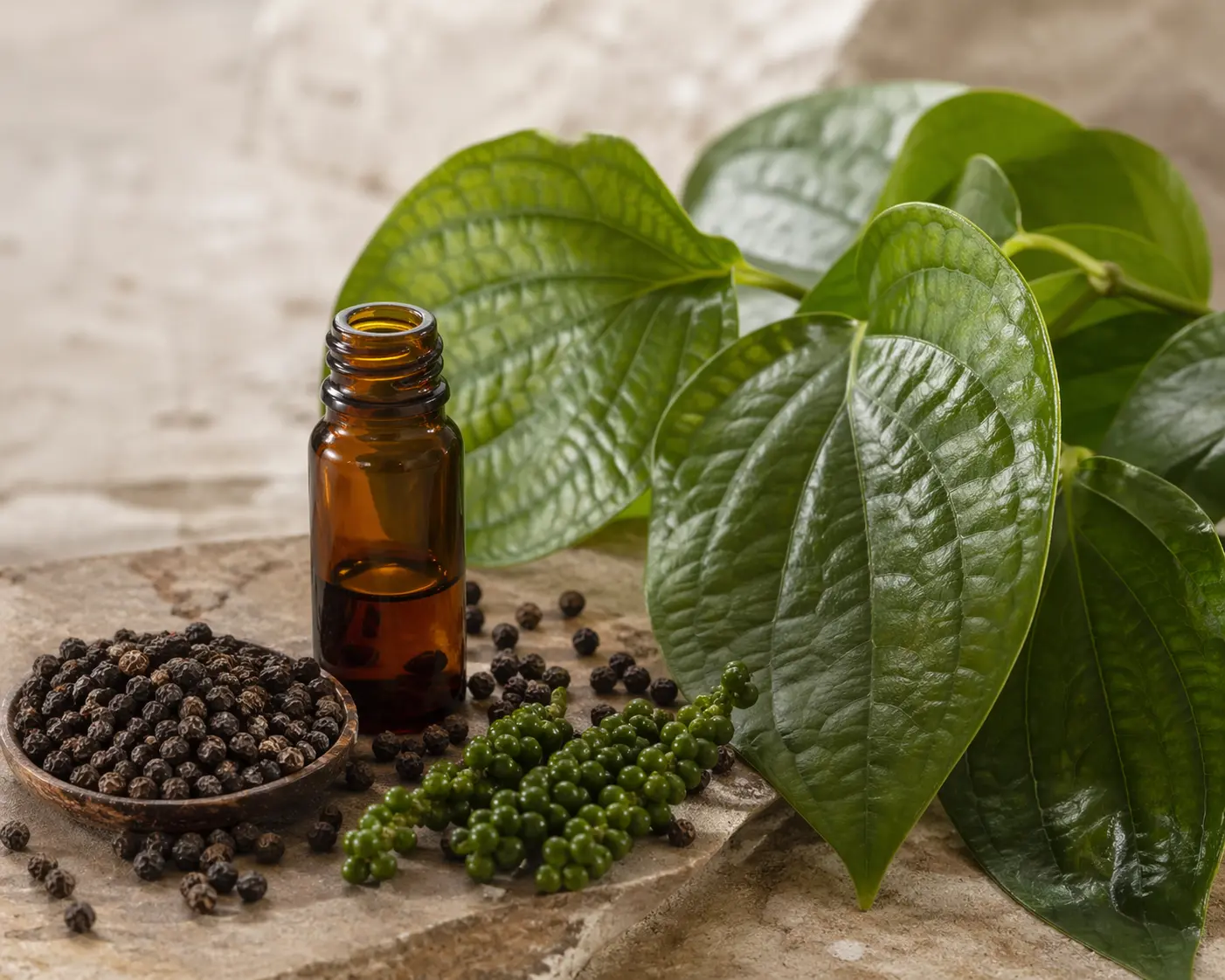
Black Pepper Essential Oil
Black Pepper essential oil is warm, dry, spicy, and quietly energizing, with the familiar spark of cracked peppercorns softened into a smooth aromatic oil. Steam distilled from the fruits of Piper nigrum, Black Pepper essential oil is often used in diffuser blends, natural perfumery, warming-feeling massage oils, and cozy routines where a dry spice note is wanted. It smells recognizable, but it is not the same as sprinkling pepper on food. The essential oil is a concentrated aromatic extract, used by the drop, and it should be diluted carefully before topical use.
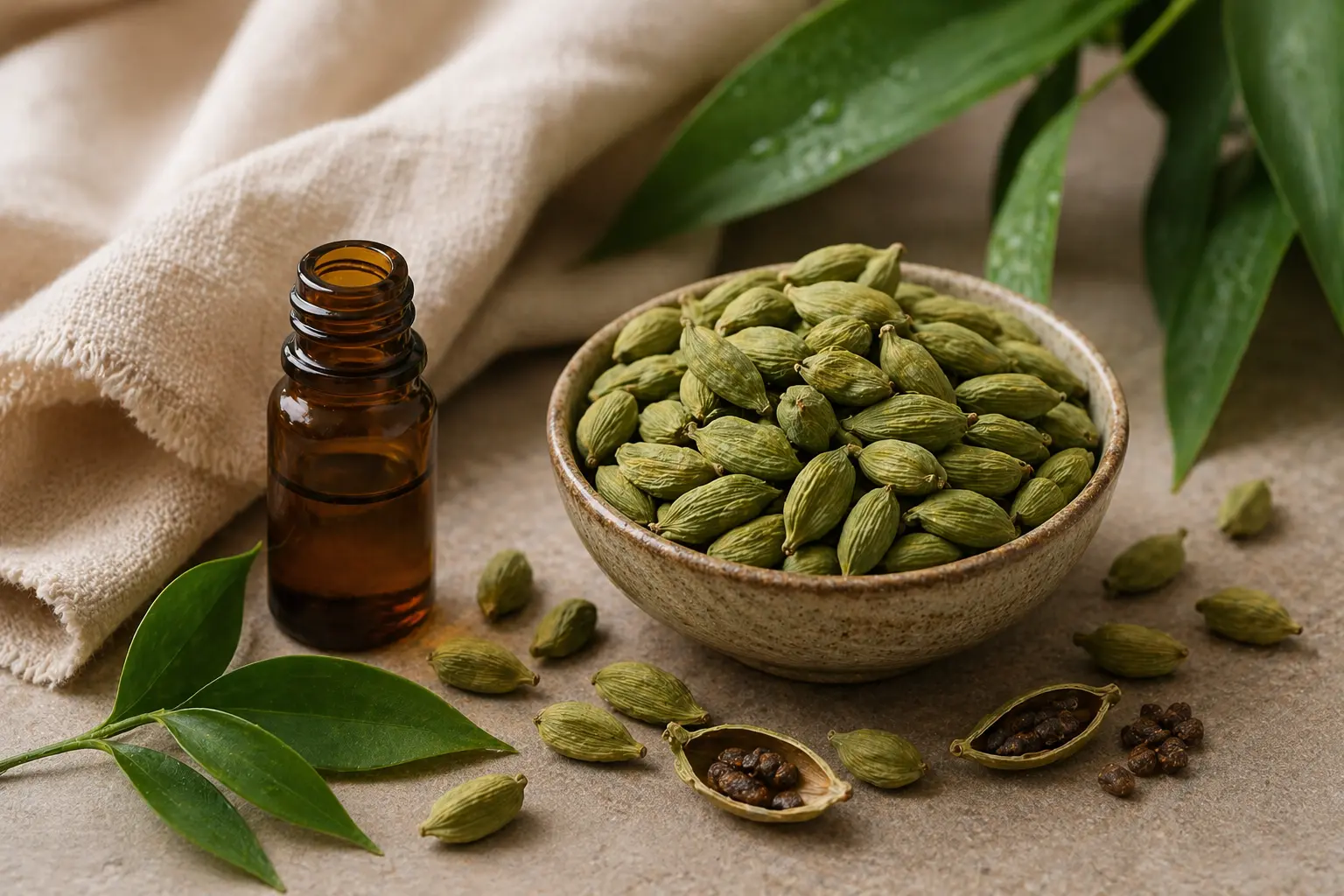
Cardamom Essential Oil
Cardamom essential oil is warm, sweet, spicy, and softly aromatic, with the elegant scent of green cardamom pods, citrus peel, fresh spice markets, and cozy kitchen rituals. Steam distilled from the seeds of Elettaria cardamomum, Cardamom essential oil is often used in diffuser blends, natural perfumery, massage oils at low dilution, and comforting home routines where a smooth spice note is wanted. It is gentler in aroma than many hot spice oils, but it is still a concentrated essential oil and should be diluted, diffused moderately, and used with care around sensitive people.
Further Reading and Sources
For botanical, chemical, and safety-oriented background, these sources may be useful starting points:
- Britannica: Grapefruit, Citrus paradisi
- Chemical composition and activity of grapefruit, tangerine, lemon, and cinnamon essential oils
- Tisserand Institute: Phototoxicity, essential oils, sun and safety
- NCBI Bookshelf: Grapefruit juice and drug interactions background
- NCBI Bookshelf: Citrus and furanocoumarin-related pharmacology background