
Spearmint Essential Oil
Essential Oils
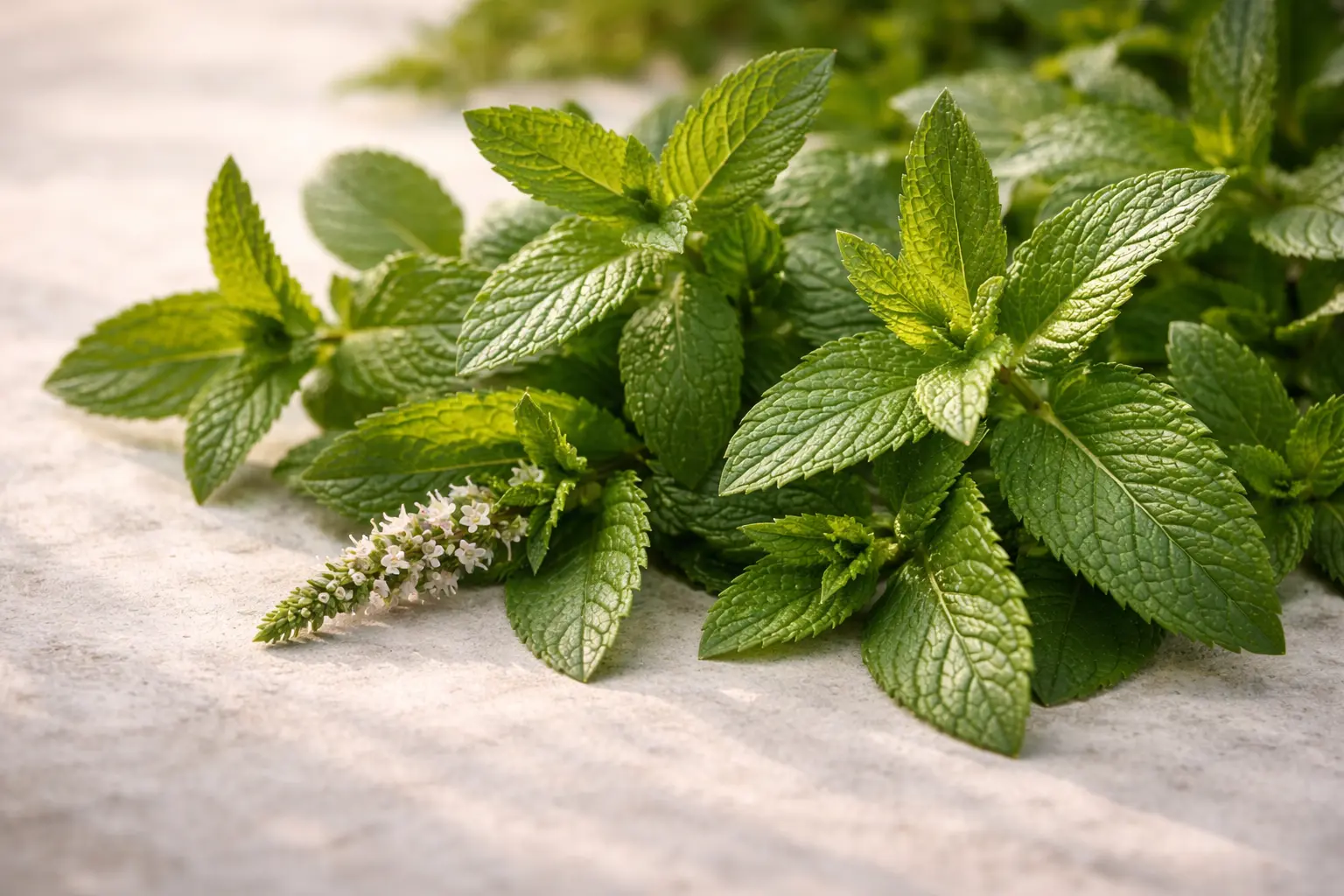
Spearmint essential oil is the sweeter, softer cousin in the mint family: fresh, green, lightly cooling, and unmistakably cheerful without the sharp intensity people often associate with peppermint.
Steam distilled from the leaves and flowering tops of Mentha spicata, Spearmint essential oil is often chosen for bright diffuser blends, clean home aromas, study corners, and simple body-care routines where a gentle mint note feels more balanced than icy. Its scent is familiar from herbal teas, garden mint, chewing gum, and fresh kitchen herbs, but the essential oil is much more concentrated and should be used thoughtfully.
Quick Answer
Spearmint essential oil is a sweet, green, minty oil from Mentha spicata. It is commonly used in diffusion, freshening blends, massage oils at low dilution, and natural perfumery when a soft mint note is wanted. It is not the same as peppermint essential oil and should still be diluted, used moderately, and kept away from eyes, mucous membranes, children, pets, and casual ingestion.
What Is Spearmint Essential Oil?
Spearmint essential oil comes from Mentha spicata, an aromatic member of the mint family, Lamiaceae. The plant has square stems, opposite leaves, and slender flower spikes, and it has long been grown as a culinary herb as well as a fragrance and flavor plant.
The essential oil is typically steam distilled from the aerial parts of the plant. Compared with the fresh herb, the oil is highly concentrated: a small amount can bring a strong mint aroma to a diffuser blend, topical formula, cleaning-style aroma blend, or natural perfume accord.
Spearmint is widely associated with freshness, but its character is more rounded than many people expect. It does not usually have the deep menthol punch of Peppermint Essential Oil. Instead, it leans sweet, leafy, green, and smooth, which makes it easier to blend with citrus, herbs, soft florals, woods, and resinous oils.
Spearmint vs Peppermint Essential Oil
Spearmint and peppermint are closely related, but they are not interchangeable. Spearmint essential oil comes from Mentha spicata, while peppermint essential oil comes from Mentha × piperita, a natural hybrid of water mint and spearmint.
The aromatic difference is easy to notice. Spearmint Essential Oil is sweet, green, and rounded. Peppermint Essential Oil is sharper, cooler, more penetrating, and typically more menthol-rich. In everyday blending, spearmint often works better when you want a fresh mint lift without turning the whole blend icy.
Chemically, spearmint oils are often associated with carvone and limonene, though published analyses show that composition can vary depending on growing region, plant material, harvest timing, and distillation method. This is one reason botanical name, batch information, and sensible dilution matter more than relying on a common name alone.
What Does Spearmint Essential Oil Smell Like?
Spearmint essential oil smells fresh, sweet, leafy, and green, with a clean mint opening and a softer drydown than peppermint. Many people describe it as garden mint, mint tea, green candy, or freshly crushed leaves, but good spearmint oil also has a slightly herbal, almost grassy quality.
Its sweetness makes it friendly in blends. It can brighten a room without feeling too medicinal, and it can make heavier oils feel clearer. In natural perfumery, spearmint is usually used in very small amounts because it is vivid and recognizable, but a trace can add a sparkling green top note.
Common Uses of Spearmint Essential Oil
Spearmint essential oil is commonly used for aromatic freshness. In a diffuser, it can make a room feel clean, bright, and awake, especially when paired with citrus oils such as Lemon Essential Oil, Lime Essential Oil, Sweet Orange Essential Oil, or Pink Grapefruit Essential Oil.
It is also popular in study and work routines. The aroma is crisp and lively, so it is often chosen when someone wants a fresh atmosphere for reading, planning, tidying, or an afternoon reset. This is an aromatic preference, not a medical effect, and it works best as part of a broader routine that includes ventilation, breaks, hydration, and realistic expectations.
In body-care formulas, spearmint can add a cooling-feeling, fresh scent to massage oils, foot blends, scalp oils, or wash-off products. Because essential oils are concentrated, it should be diluted well and used sparingly, especially on sensitive skin.
Spearmint also has a useful place in home aroma blends. It can soften sharper herbal oils, lighten earthy notes, and bring a clean edge to diffuser recipes without making the room smell like toothpaste.
Quick Tips for Using Spearmint Essential Oil
Use Less Than You Think
Spearmint is softer than peppermint, but it is still a strong mint oil. Start with one drop in a diffuser blend and add more only if needed.
Pair It With Citrus
For an easy fresh-room aroma, combine spearmint with lemon, lime, or sweet orange.
Keep It Away From Eyes
Mint oils can feel very uncomfortable near the eyes, nose, and mucous membranes. Wash hands after handling diluted blends.
Choose Gentle Settings
Diffuse in short sessions in a ventilated room, especially around children, pets, pregnant people, or anyone sensitive to strong aromas.
Dilution Guidance
For adult topical use, Spearmint essential oil is usually best kept at low dilution. A gentle everyday range is about 0.5% to 1%, especially for massage oils, body oils, and leave-on products. This means approximately 1 to 2 drops of essential oil in 2 teaspoons, or 10 ml, of carrier oil.
For a small-area adult blend, some people may use up to 2% dilution, but lower is often enough because spearmint has a clear aroma. For facial use, sensitive skin, pregnancy, breastfeeding, children, older adults, or anyone with a history of skin reactivity, use extra caution and consult a qualified professional.
Simple Dilution Reminder
For a 1% dilution, use about 1 drop of Spearmint essential oil in 1 teaspoon, or 5 ml, of carrier oil. Patch test first, avoid broken or irritated skin, and stop use if redness, itching, headache, coughing, or discomfort occurs.
How to Use Spearmint Essential Oil
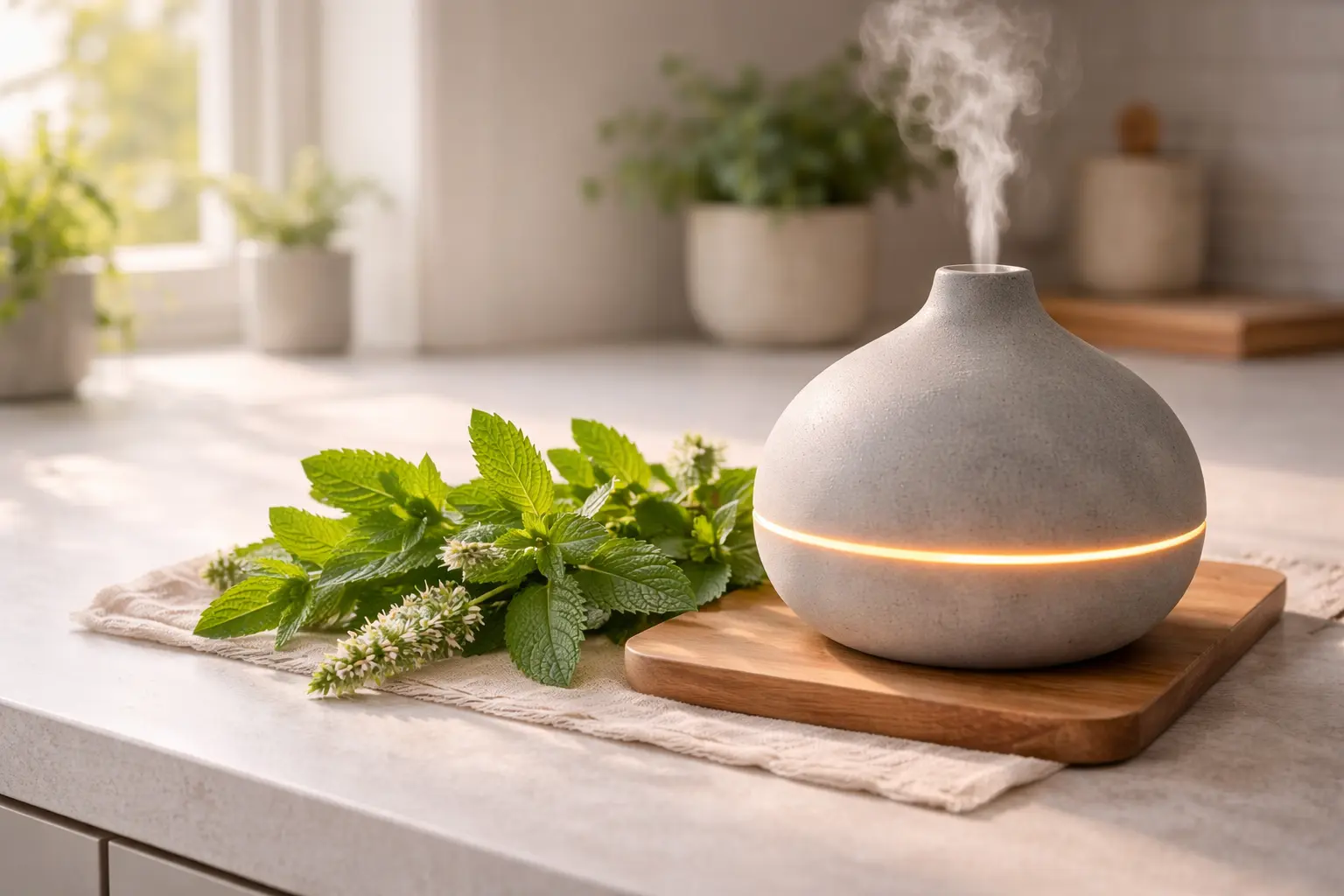
For diffusion, add 1 drop of Spearmint essential oil to a diffuser blend with other compatible oils. It combines beautifully with citrus, herbs, soft florals, and woods. Diffuse for short periods rather than continuously, and keep the room well ventilated.
For a fresh massage or body oil, dilute Spearmint essential oil in a carrier such as jojoba, fractionated coconut oil, sunflower oil, or sweet almond oil. Keep the dilution low and avoid the face, eyes, mucous membranes, and freshly shaved or irritated skin.
For a foot-care aroma, Spearmint can be blended with Tea Tree Essential Oil, Lavender Essential Oil, or Cedarwood Atlas Essential Oil in a properly diluted carrier oil or unscented lotion. The result is fresh and clean-smelling, but it should still be treated as a concentrated aromatic blend.
For natural perfumery, use Spearmint as a top note in tiny amounts. It can make a blend feel crisp and green when paired with Bergamot Essential Oil, Neroli Essential Oil, Rosemary Essential Oil, or Frankincense Essential Oil.
History and Origins of Spearmint
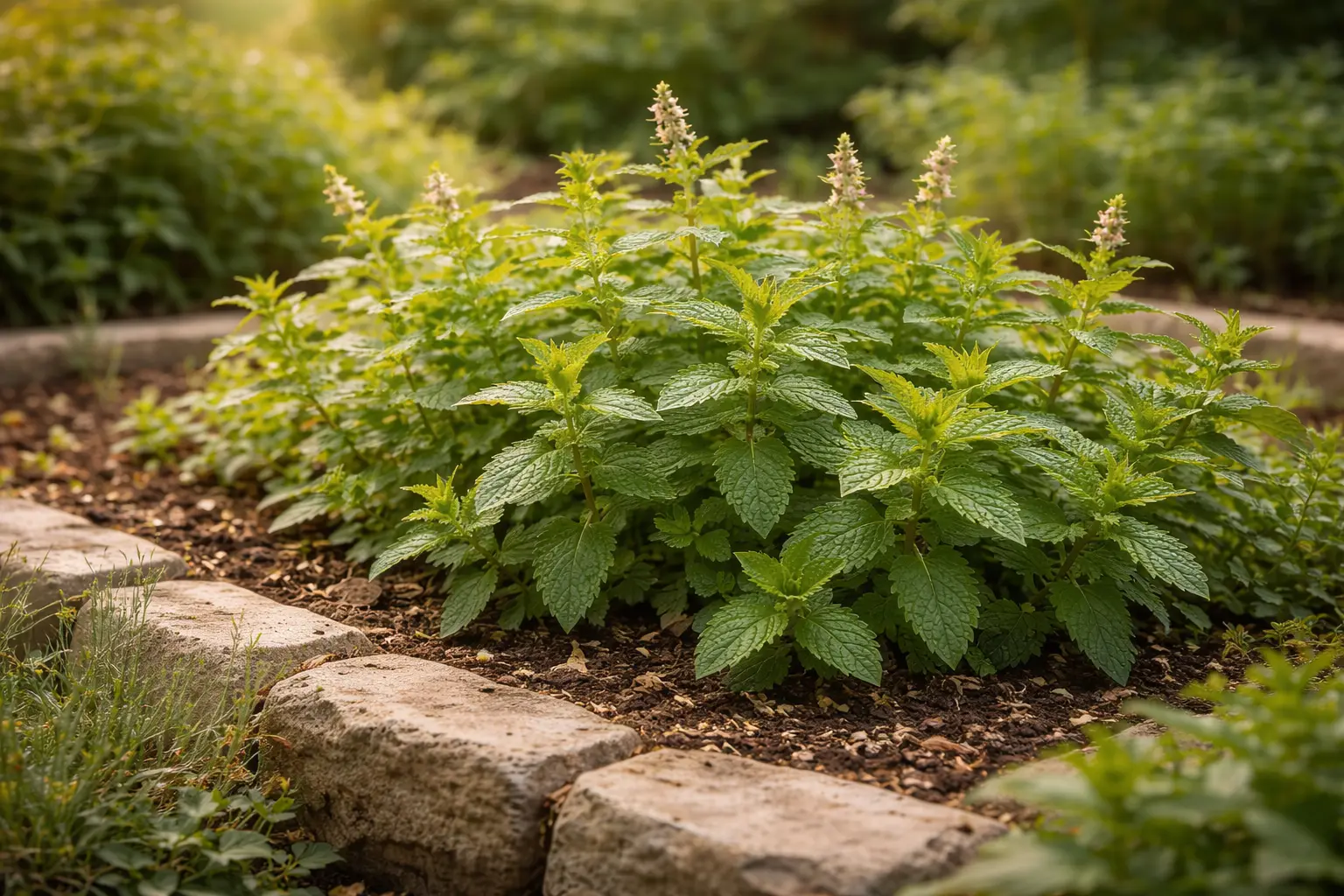
Spearmint has a long history as a culinary and aromatic herb. It has been grown in gardens, used in teas and foods, and valued for its unmistakable fresh scent across many regions. Kew describes spearmint as widely grown as both a culinary herb and ornamental plant, and notes its use in everyday products such as toothpaste, mouthwash, and chewing gum.
The plant’s common name is often linked to the shape of its leaves, which can appear spear-like, while the Latin spicata refers to the plant’s flower spikes. Like many mints, spearmint thrives in moist places and can spread vigorously in the garden, which is one reason it became such a familiar herb in household use.
In aromatherapy and fragrance work, Spearmint essential oil offers a bridge between kitchen herb and perfumery material. It feels recognizable and approachable, yet it can also add sophistication when used with restraint in green, citrus, herbal, and lightly floral compositions.
Diffuser Blends with Spearmint Essential Oil
Green Window
Green Window
- 1 drop Spearmint Essential Oil
- 3 drops Lemon Essential Oil
- 1 drop Rosemary Essential Oil
A bright, leafy blend for a clean-feeling desk, kitchen, or morning reset.
Mint Orchard
- 1 drop Spearmint Essential Oil
- 3 drops Sweet Orange Essential Oil
- 1 drop Geranium Essential Oil
Sweet, green, and softly floral, with a friendly freshness that avoids sharpness.
Clear Path
- 1 drop Spearmint Essential Oil
- 2 drops Lime Essential Oil
- 2 drops Cedarwood Atlas Essential Oil
A fresh green-citrus blend grounded by dry wood, useful when a room feels stale.
What Blends Well with Spearmint Essential Oil?
Spearmint blends especially well with citrus oils, including Lemon Essential Oil, Lime Essential Oil, Sweet Orange Essential Oil, Pink Grapefruit Essential Oil, Bergamot Essential Oil, and Red Mandarin Essential Oil. Citrus makes the mint note feel sunny, juicy, and clean.
It also pairs well with herbal oils such as Rosemary Essential Oil, Basil Essential Oil, Sweet Marjoram Essential Oil, and Thyme Linalool Essential Oil. These combinations can feel green, garden-like, and focused, but they should be balanced carefully because herbaceous oils can become intense quickly.
For softer blends, try Spearmint with Lavender Essential Oil, Roman Chamomile Essential Oil, Geranium Essential Oil, or Neroli Essential Oil. For a grounded base, it can be paired in small amounts with Cedarwood Atlas Essential Oil, Frankincense Essential Oil, Vetiver Essential Oil, or Patchouli Essential Oil.
Spearmint Essential Oil FAQ
Is Spearmint essential oil the same as peppermint essential oil?
No. Spearmint essential oil comes from Mentha spicata, while peppermint essential oil comes from Mentha × piperita. Spearmint is usually sweeter, softer, and less sharply cooling than peppermint.
What is Spearmint essential oil commonly used for?
It is commonly used for fresh diffuser blends, clean home aromas, gentle-feeling mint blends, natural perfumery, massage oils at low dilution, and foot-care or scalp-care formulas where a sweet mint note is wanted.
Can Spearmint essential oil be used on skin?
Yes, but only when properly diluted. Avoid undiluted application, avoid the eyes and mucous membranes, and patch test first. Sensitive users should use very low dilution or consult a qualified professional.
Can you ingest Spearmint essential oil?
Do not ingest Spearmint essential oil casually. Essential oils are highly concentrated, and internal use should only be considered under the guidance of a qualified professional trained in that method of use.
Is Spearmint essential oil safe for children?
Use extra caution around children. Avoid use on or near the face, keep dilutions very low when appropriate, diffuse only moderately in ventilated rooms, and consult a qualified pediatric or aromatherapy professional before using essential oils with young children.
Spearmint Essential Oil, Spirituality, and Soul
The main sections above focus on botanical information, practical use, dilution, and safety. Spearmint also has a symbolic and spiritual life in modern aromatherapy, especially because mint plants are so strongly associated with freshness, clearing, and renewal.
In a symbolic routine, Spearmint essential oil may be used to mark a fresh start: opening a window, clearing a desk, beginning a study session, or resetting the atmosphere after a long day. Its scent can feel like green air moving through a room, which is why many people connect it with lightness, simplicity, and a return to the present moment.
Spearmint is also a useful oil for gentle intention-setting because it does not feel heavy or ceremonial. It can be part of an uncomplicated ritual: a short diffusion session, a clean workspace, a few deep breaths, and a quiet decision about what deserves attention next. These uses are symbolic and personal, not promises of spiritual or emotional outcomes.
Safety Notes
Spearmint essential oil is concentrated and should be used with care. Dilute before topical use, avoid the eyes, inner ears, mucous membranes, and broken or irritated skin, and do not ingest casually.
Use Spearmint essential oil moderately in a well-ventilated room. Avoid continuous diffusion, especially around babies, young children, pregnant or breastfeeding people, pets, older adults, and anyone with asthma, respiratory sensitivity, migraines, allergies, or strong scent sensitivity.
For topical use, patch test first and keep dilution low. Stop using the oil if irritation, redness, itching, headache, nausea, coughing, wheezing, or any other adverse reaction occurs. Keep essential oils out of reach of children and pets.
Spearmint is gentler in aroma than peppermint, but it is still a mint oil. Do not apply it near the face of infants or young children, and avoid using essential oils as a substitute for medical care. If you are pregnant, breastfeeding, managing a health condition, taking medication, or using oils with children or pets, ask a qualified professional before use.
Safety-first reminder: Essential oils are aromatic concentrates. Spearmint essential oil can be a beautiful part of a fresh home or body-care routine, but careful dilution, moderate diffusion, and respect for individual sensitivity matter more than using more oil.
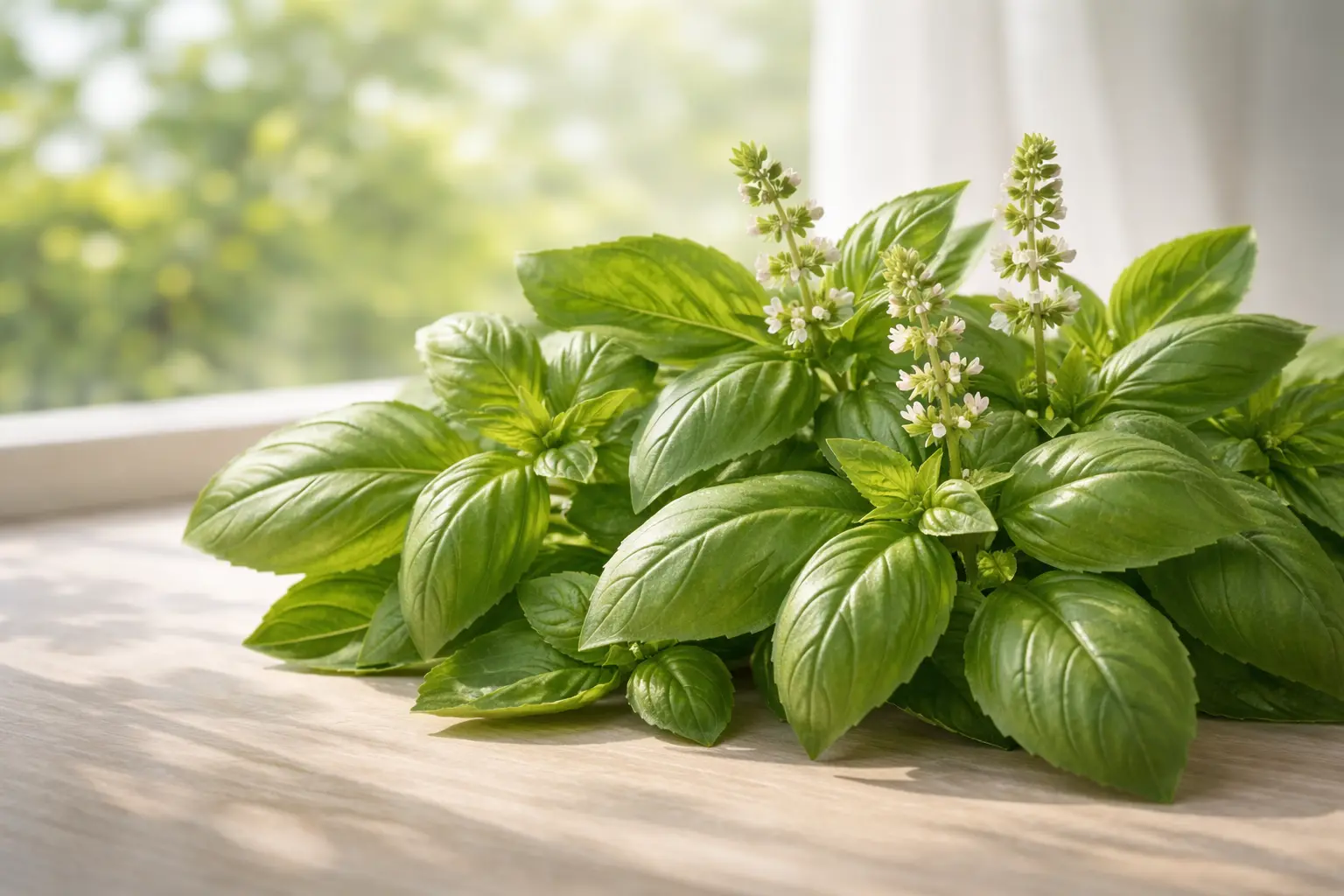
Basil Essential Oil
Basil essential oil is bright, green, sweet, and herbaceous: a familiar kitchen-garden aroma transformed into a concentrated aromatic oil with a crisp, lively personality. Steam distilled from the leaves and flowering tops of Ocimum basilicum, Basil essential oil is often used in diffuser blends, fresh herbal accords, natural perfumery, and carefully diluted body-care formulas. It can feel clear and uplifting in a room, especially when paired with citrus, mint, soft florals, or other Mediterranean herbs. Because basil oils vary widely in chemistry, this is also an oil where chemotype, dilution, and safety notes matter.
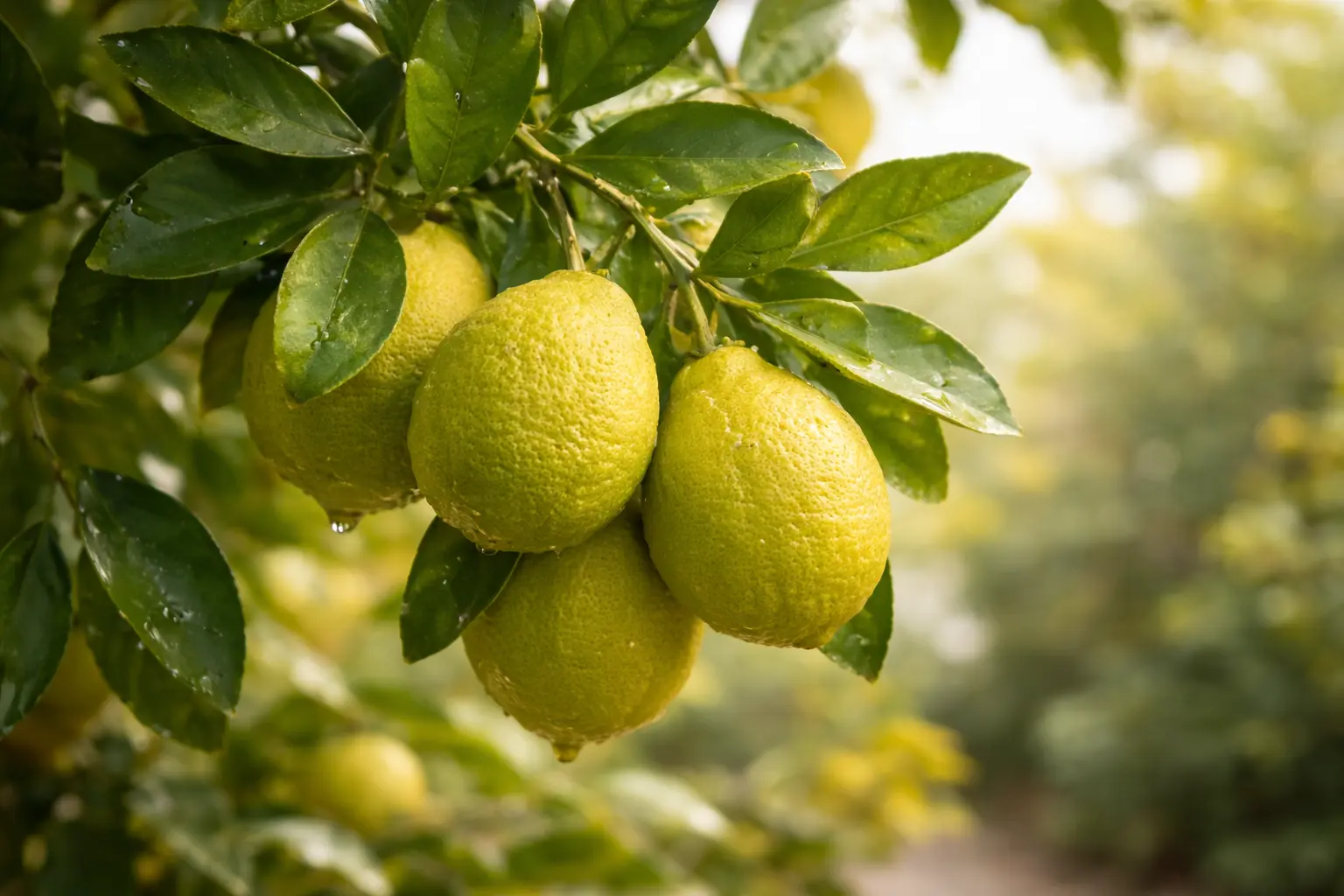
Bergamot Essential Oil
Bergamot essential oil is a bright, elegant citrus oil expressed from the peel of Citrus bergamia. It is best known for its fresh green-citrus aroma, soft floral undertone, connection to Earl Grey tea, and its long-standing role in perfumery, diffuser blends, emotional wellness rituals, and natural fragrance. Bergamot smells lighter and more complex than many familiar citrus oils. It has the sparkle of lemon, the gentle sweetness of sweet orange, a slightly bitter green edge, and a delicate floral quality that makes it blend beautifully with herbs, woods, resins, and florals.
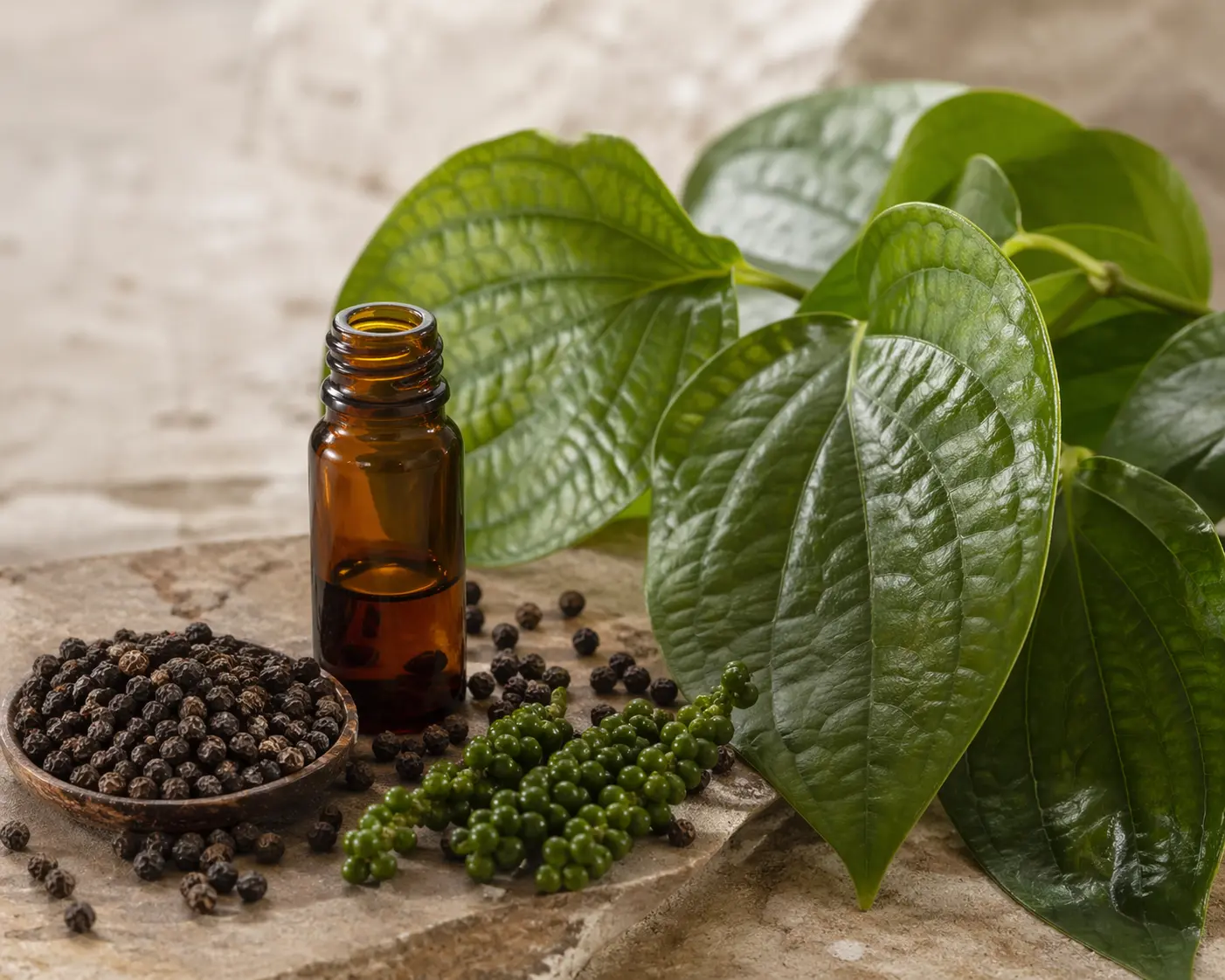
Black Pepper Essential Oil
Black Pepper essential oil is warm, dry, spicy, and quietly energizing, with the familiar spark of cracked peppercorns softened into a smooth aromatic oil. Steam distilled from the fruits of Piper nigrum, Black Pepper essential oil is often used in diffuser blends, natural perfumery, warming-feeling massage oils, and cozy routines where a dry spice note is wanted. It smells recognizable, but it is not the same as sprinkling pepper on food. The essential oil is a concentrated aromatic extract, used by the drop, and it should be diluted carefully before topical use.
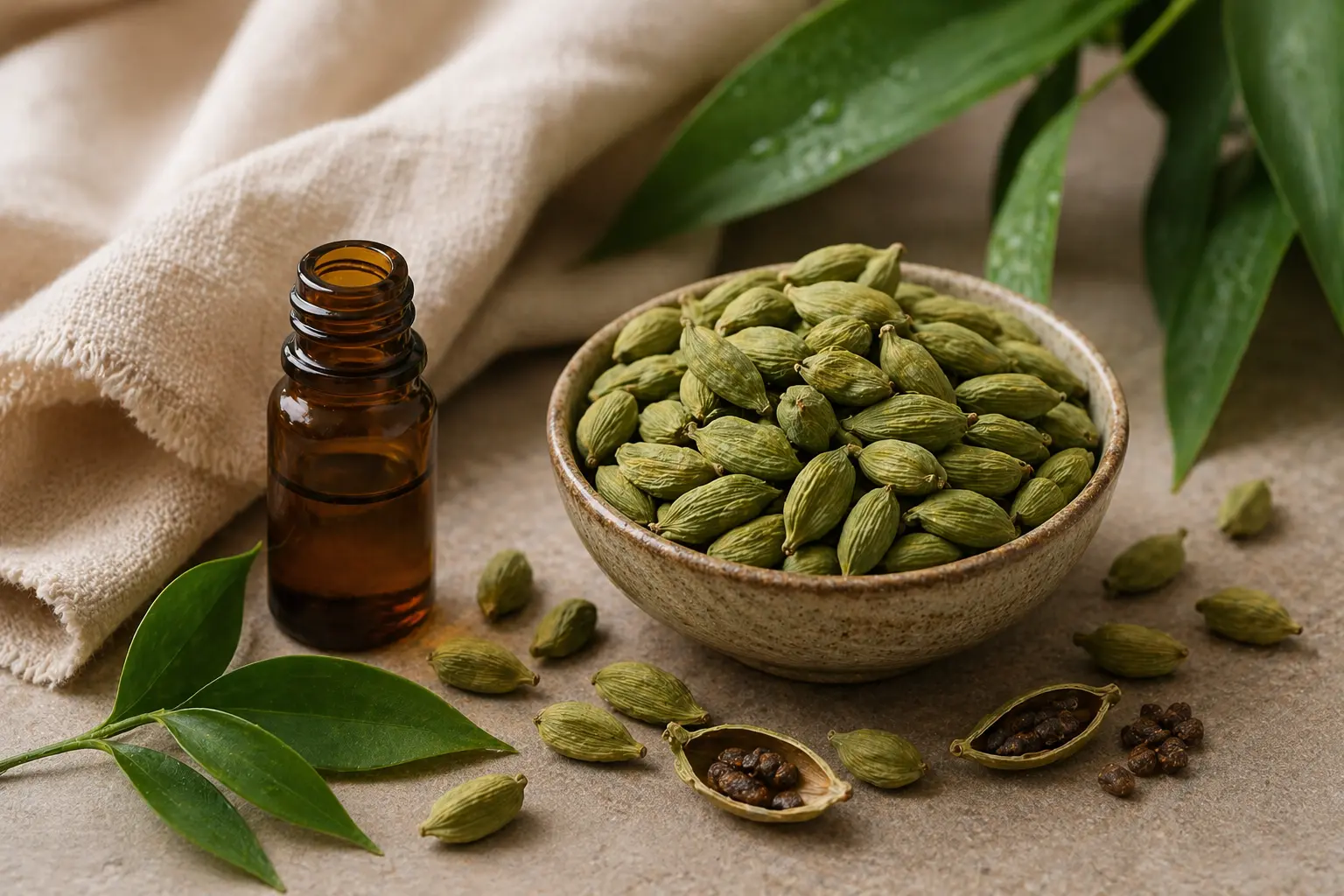
Cardamom Essential Oil
Cardamom essential oil is warm, sweet, spicy, and softly aromatic, with the elegant scent of green cardamom pods, citrus peel, fresh spice markets, and cozy kitchen rituals. Steam distilled from the seeds of Elettaria cardamomum, Cardamom essential oil is often used in diffuser blends, natural perfumery, massage oils at low dilution, and comforting home routines where a smooth spice note is wanted. It is gentler in aroma than many hot spice oils, but it is still a concentrated essential oil and should be diluted, diffused moderately, and used with care around sensitive people.
Further Reading and Sources
- Royal Botanic Gardens, Kew: Spearmint (Mentha spicata)
- Mentha spicata Essential Oil: Chemical Composition, Antioxidant and Antibacterial Activities against Planktonic and Biofilm Cultures of Vibrio spp. Strains
- Steps to Achieve Carvone-Rich Spearmint (Mentha spicata L.) Essential Oil: A Case Study on the Use of Different Distillation Methods
- Mentha spicata L. Essential Oil, Phytochemistry and Its Effectiveness in Flatulence
- Tisserand Institute: Q&A Safety Maximums for Dermal Application
- Johns Hopkins Medicine: Are Essential Oils Safe for Children?