
Vetiver Essential Oil
Essential Oils
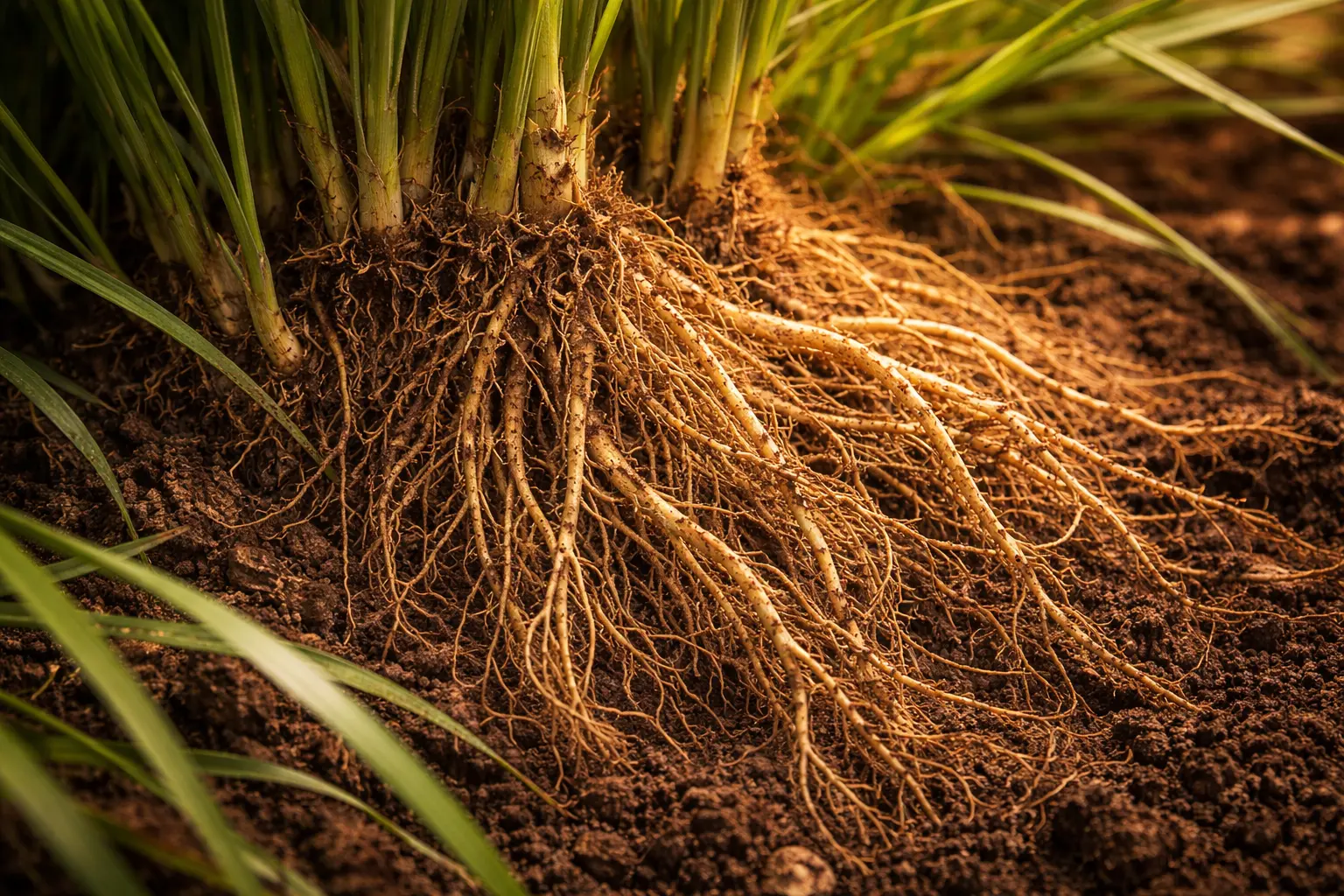
Vetiver essential oil is a deep, earthy, smoky, rooty essential oil steam distilled from the roots of Chrysopogon zizanioides. It is best known for its slow grounding aroma and is commonly used in natural perfume, meditation blends, bedtime-style diffuser routines, body oils, incense-like blends, masculine fragrance accords, and quiet rituals that need depth, patience, and stillness.
Vetiver is one of the deepest base notes in aromatherapy. It does not sparkle, rush, or brighten a room quickly. Instead, it settles. Its aroma can feel like roots, damp soil, dry grass, smoke, leather, wood, and warm earth. A single drop can pull an entire blend downward and make it feel slower, heavier, and more anchored.
Quick Answer
Vetiver essential oil is commonly used for grounding diffuser blends, meditation rituals, natural perfume, bedtime-style routines, body oils, massage blends, incense-like room aromas, and deep base notes in DIY fragrance. It blends especially well with cedarwood atlas, patchouli, frankincense, sandalwood, bergamot, lavender, ylang ylang, and red mandarin.
Vetiver is thick, persistent, and powerful. Use it sparingly, dilute well for skin, and avoid heavy diffusion in small rooms if the aroma feels too smoky, heavy, or sedating. Like all essential oils, it should not be used internally as a casual wellness practice.
What Is Vetiver Essential Oil?
Vetiver essential oil is distilled from the roots of Chrysopogon zizanioides, a tropical perennial grass with a dense, deep, fibrous root system. The plant is sometimes still referred to by its older botanical name, Vetiveria zizanioides. Unlike leaf, flower, or peel oils, vetiver comes from the underground part of the plant, and that is exactly how it smells: rooted, earthy, dark, and slow.
Vetiver belongs to the Poaceae family, the grass family. This connects it botanically with aromatic grasses such as lemongrass, palmarosa, and citronella. Aromatically, however, vetiver is much deeper and less lemony than those grasses. It is a base note, not a bright grassy top note.
Vetiver essential oil is often associated with sesquiterpenes and sesquiterpenols such as khusimol, vetiselinenol, vetivenes, vetivones, beta-eudesmol, and related complex root-derived constituents. Composition can vary depending on origin, cultivation, root age, drying or aging of the roots, distillation method, and storage.
Why Vetiver Oil Is So Thick
Vetiver essential oil is often thick, slow-pouring, and viscous. Some bottles need gentle warming in the hands before a drop will come out easily. This texture is part of vetiver’s personality as a heavy root oil rich in less volatile aromatic compounds.
If vetiver is too thick to drop from the bottle, do not overheat it. Hold the closed bottle in warm hands or place it briefly in a cup of warm water, keeping water away from the cap and label. For blending, many people pre-dilute vetiver in a carrier oil or alcohol-based perfume base so it is easier to measure accurately.
Because vetiver is so persistent, it is usually best used in small amounts. A single drop can be enough for a diffuser blend, body oil, or natural perfume accord.
What Does Vetiver Essential Oil Smell Like?
Vetiver essential oil smells earthy, rooty, smoky, woody, dry, warm, slightly bitter, and deeply grounding. Depending on origin and distillation, it may have nuances of damp soil, leather, tobacco, hay, balsamic wood, bitter chocolate, dry grass, or soft smoke.
Compared with patchouli, vetiver is drier, smokier, and more root-like. Compared with cedarwood atlas, it is heavier and more earthy. Compared with sandalwood, it is less creamy and more rugged. Vetiver can make a blend feel calm and composed, but it can also make it feel too heavy if overused.
Common Uses of Vetiver Essential Oil
Vetiver essential oil is most often chosen when a blend needs to feel grounded, slow, earthy, meditative, smoky, sensual, masculine, or deeply anchored. It is not a bright lifestyle oil or a fresh-clean top note. It is the oil you use when a blend needs roots.
Grounding Diffuser Blends
Vetiver is widely used in diffuser blends meant to create a grounded atmosphere. It pairs naturally with other deep oils such as cedarwood atlas, patchouli, frankincense, and sandalwood. To keep the blend from becoming too heavy, add a brighter oil such as bergamot, red mandarin, sweet orange, or pink grapefruit.
Bedtime-Style Routines
Vetiver is often used in bedtime-style blends because its aroma feels slow, heavy, and settled. It should not be described as curing insomnia or treating sleep disorders. A safer way to frame vetiver is as part of a calm evening routine or quiet bedroom atmosphere, especially when used in very small amounts.
For evening blends, vetiver pairs beautifully with lavender, roman chamomile, cedarwood atlas, frankincense, red mandarin, and bergamot.
Meditation and Breathwork
Vetiver has a strong reputation in aromatherapy for meditation, breathwork, and slow inward rituals. Its aroma feels low, stable, and body-centered. It can make a space feel quieter and more anchored, especially when paired with frankincense, sandalwood, cedarwood atlas, or patchouli.
These uses should remain atmospheric and symbolic. Vetiver essential oil should not be presented as treating anxiety, trauma, attention disorders, panic, depression, or any mental health condition.
Natural Perfume and Base Notes
Vetiver is one of the great base notes in natural perfumery. It adds depth, dryness, smoke, rootiness, and longevity. It works especially well in woody, chypre, amber, leather, masculine, incense, and earthy perfume styles.
For fragrance blends, vetiver pairs well with citrus top notes such as bergamot, pink grapefruit, lime, and red mandarin; floral notes such as ylang ylang, geranium, and rose absolute; and base notes such as patchouli, cedarwood atlas, sandalwood, frankincense, and vanilla oleoresin.
Body Oils and Massage Blends
Vetiver can make body oils and massage blends feel warm, grounded, and slow. Because the oil is thick and strongly scented, it is usually best used as a small part of a blend rather than the main note. It works well in carrier oils such as jojoba oil, sweet almond oil, apricot kernel oil, and fractionated coconut oil.
Skincare and Beard-Care Aromas
Vetiver is sometimes used in balms, facial oils, beard oils, body butters, and skincare-style blends because it smells earthy, dry, and refined. This should stay cosmetic and aromatic. Vetiver should not be presented as treating acne, eczema, wounds, scars, rashes, infections, or any diagnosed skin condition.
For beard-care or skincare aromas, vetiver blends well with cedarwood atlas, frankincense, sandalwood, lavender, and bergamot.
Quick Tips for Using Vetiver Essential Oil
Use One Drop
Start with 1 drop of vetiver in a diffuser blend. It is deep, thick, and persistent, and too much can make a blend feel heavy.
Grounding Diffuser
Diffuse 1 drop vetiver, 2 drops cedarwood atlas, and 2 drops bergamot for a grounded room aroma with a brighter citrus opening.
Evening Foot Oil
Dilute 1 drop vetiver and 1 drop lavender in 2 teaspoons of carrier oil, then massage into the feet as part of a slow evening routine.
Thick Oil Tip
If vetiver will not drop easily, warm the closed bottle in your hands. Do not overheat it or place water inside the cap.
Dilution Guidance
General Adult Dilution
For general adult topical use, vetiver essential oil is usually best kept around 0.5% to 1% dilution for many everyday blends because the aroma is so strong and persistent. A 1% dilution is about 1 drop of essential oil per teaspoon of carrier oil.
How to Use Vetiver Essential Oil
In a Diffuser
Use 1 drop of vetiver as part of a diffuser blend, especially in small rooms. Vetiver combines beautifully with cedarwood atlas, patchouli, frankincense, sandalwood, lavender, and bergamot. Diffuse intermittently in a ventilated room.
On Skin
Always dilute vetiver essential oil before applying it to skin. It can be used in body oils, facial oils, beard oils, creams, balms, massage oils, bath products, and perfume oils when properly diluted. Use lower dilutions for sensitive skin, facial use, or large-area application.
In Beard Oils and Skincare Products
Vetiver can be used in beard oils, balms, facial oils, and body butters for a dry earthy aroma. Use a low dilution and blend it with lighter oils so it does not dominate. Do not apply essential oils to inflamed, wounded, rashy, infected, or medically treated skin unless guided by a qualified professional.
In Bath Products
Do not add vetiver essential oil directly to bathwater. Essential oils do not dissolve in water and can sit on the surface, increasing the chance of irritation. Vetiver is also thick and may cling to surfaces. Mix it into an appropriate dispersant, unscented bath gel, or fully emulsified bath product before adding it to water.
In Natural Perfume
Vetiver is a powerful base note in natural perfume. Use it sparingly with citrus top notes, floral heart notes, woods, resins, and earthy oils. It is especially useful with bergamot, pink grapefruit, red mandarin, geranium, ylang ylang, patchouli, cedarwood atlas, sandalwood, frankincense, and vanilla oleoresin.

History and Origins of Vetiver
Vetiver is native to South Asia, especially India, and has been cultivated across tropical and subtropical regions for fragrance, soil protection, traditional household use, and environmental applications. The plant’s dense, deep root system helps hold soil in place, which is why vetiver grass is widely used for erosion control, slope stabilization, water management, and land restoration.
The aromatic roots of vetiver have been valued for centuries. In India, vetiver is known as khus or khas, and its roots have been used to make cooling screens, mats, fans, and fragrant household items. When warm air passes through moistened vetiver root screens, it can carry a cooling earthy aroma into a room. This traditional plant use helps explain why vetiver is associated with calm, shade, coolness, and grounded comfort.
Vetiver became important in perfumery because its root oil is deep, tenacious, and complex. It appears in woody, chypre, leather, fougere, amber, and masculine fragrance styles, but it is not limited to masculine perfume. Depending on the origin and blending style, vetiver can smell smoky, dry, green, citrusy, earthy, balsamic, or elegant.
Today, vetiver essential oil is produced in regions such as Haiti, India, Indonesia, Java, Brazil, and other tropical areas. Different origins can smell different: some vetiver oils are smokier, some more earthy, some greener, and some smoother or more refined. This variety makes vetiver one of the most fascinating base notes in aromatherapy and perfumery.
Vetiver Diffuser Blends
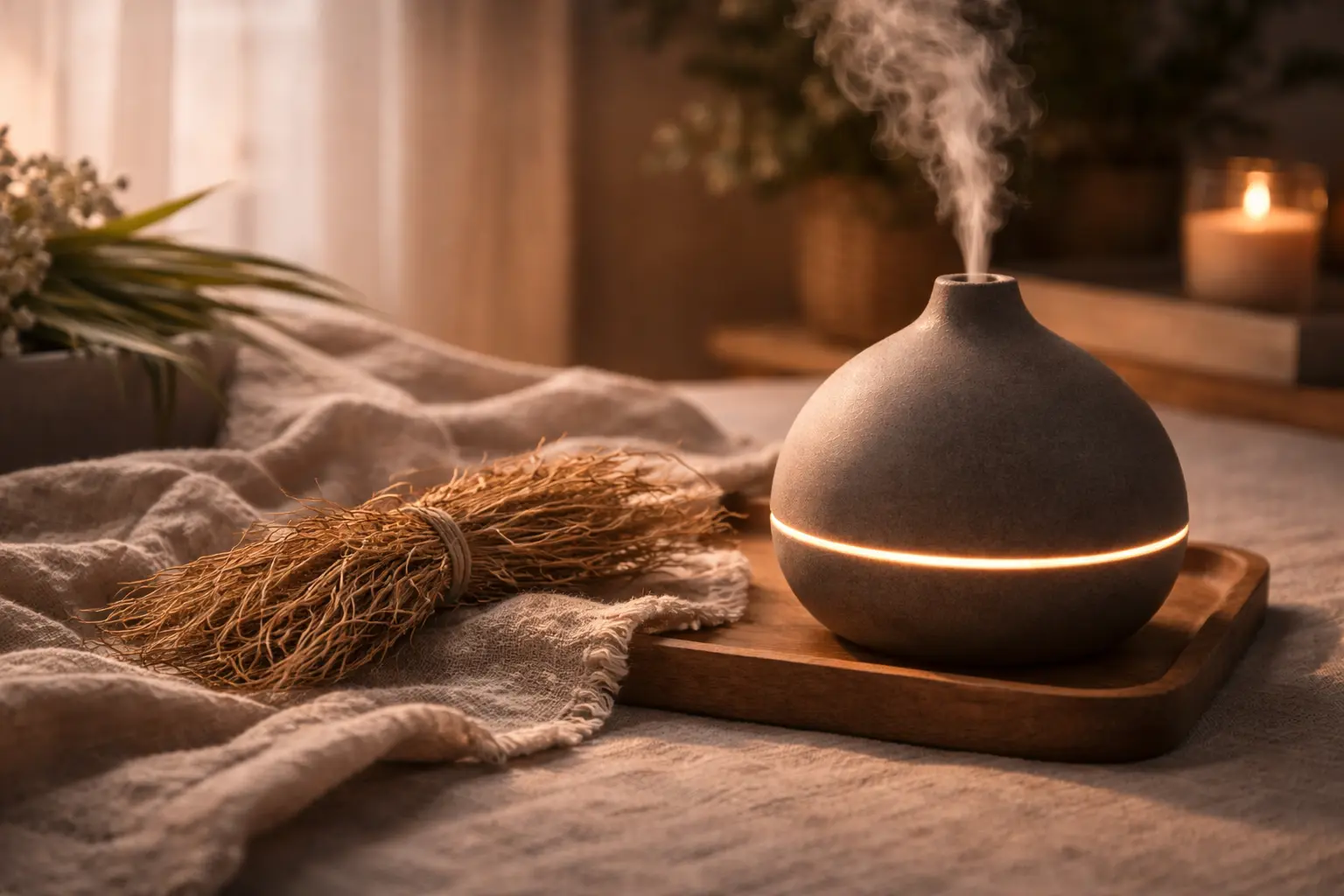
Vetiver diffuser blends are best when they are simple and balanced. Because vetiver is so deep, one drop is usually enough. Pair it with citrus to lift it, lavender or chamomile to soften it, or woods and resins to deepen it.
Rooted Light
Rooted Light
- 1 drop vetiver
- 3 drops bergamot
- 1 drop frankincense
A grounded citrus-resin blend with a bright opening and a slow earthy base.
Still Earth
- 1 drop vetiver
- 2 drops cedarwood atlas
- 2 drops lavender
A calm wood-floral-root blend for slow evenings, reading, and quiet bedroom routines.
Deep Forest Floor
- 1 drop vetiver
- 1 drop patchouli
- 3 drops sweet orange
A warm earthy-citrus blend with a deep base and a soft golden lift.
Quiet Smoke
- 1 drop vetiver
- 2 drops sandalwood
- 1 drop ylang ylang
A sensual wood-root-floral blend for meditation, evening rituals, and natural perfume moods.
What Blends Well with Vetiver Essential Oil?
Vetiver blends naturally with cedarwood atlas, patchouli, frankincense, sandalwood, bergamot, pink grapefruit, red mandarin, sweet orange, lime, lavender, roman chamomile, geranium, ylang ylang, clary sage, rose absolute, jasmine absolute, and vanilla oleoresin.
For grounding blends, pair vetiver with cedarwood atlas, patchouli, frankincense, sandalwood, or lavender. For natural perfume, combine it with bergamot, pink grapefruit, geranium, ylang ylang, rose absolute, jasmine absolute, or vanilla. For warmer evening blends, use vetiver with red mandarin, sweet orange, roman chamomile, or clary sage.
FAQ About Vetiver Essential Oil
Why is vetiver essential oil so thick?
Vetiver essential oil comes from roots and contains heavier aromatic compounds than many lighter essential oils. This makes it thick, slow-pouring, and long-lasting. Warm the closed bottle gently in your hands if needed.
Is vetiver essential oil good for sleep?
Vetiver is often used in bedtime-style blends because its aroma feels deep, slow, and grounding. It should not be described as curing insomnia or treating sleep disorders. It can be part of a calm evening routine.
Can vetiver essential oil help with anxiety or ADHD?
Vetiver is often discussed in connection with calm, focus, and grounding, but it should not be presented as treating anxiety, ADHD, or any mental health or neurodevelopmental condition. It can be used as part of a supportive aromatic environment, not as a substitute for professional care.
Can vetiver essential oil be used on skin?
Yes, but it must be diluted. Vetiver can be used in body oils, beard oils, balms, creams, massage oils, and perfume oils when properly diluted. Use lower dilutions for sensitive skin or facial products.
Can vetiver essential oil be used during pregnancy?
Pregnancy use should be cautious. Pregnant or breastfeeding people should consult a qualified healthcare professional or trained clinical aromatherapist before using vetiver essential oil, especially for topical use or frequent diffusion.
Can vetiver essential oil be applied directly to skin?
No. Vetiver essential oil should be diluted in a carrier oil, cream, lotion, balm, or other suitable base before topical use. Undiluted use increases the risk of irritation or sensitization.
Can vetiver essential oil be ingested?
Do not ingest vetiver essential oil as a casual wellness practice. Essential oils are concentrated aromatic extracts, and internal use should only happen under qualified professional guidance.
Does vetiver essential oil smell the same from every origin?
No. Vetiver oils from Haiti, Java, India, Indonesia, Brazil, and other origins can smell different. Some are smokier, some earthier, some greener, some smoother, and some more refined. Origin, root age, distillation, and storage all influence the aroma.

Vetiver Essential Oil, Spirituality, and Soul
The main sections above focus on botanical information, practical use, dilution, and safety. Vetiver also has a symbolic and spiritual life in modern aromatherapy, where its rooty, earthy aroma is often associated with grounding, patience, stability, embodiment, and the slow wisdom of staying.
Vetiver is not an oil of quick escape. It is an oil of return. Its aroma can feel like dark soil after rain, roots holding the earth, or a quiet place below the noise. It may be chosen for rituals of grounding, grief-softening, nervous-system gentleness, body awareness, and steady presence.
Root Energy and Stability
In symbolic aromatherapy, vetiver is strongly connected with root energy because it comes from the roots of the plant and smells deeply earthy. It may be chosen when someone wants to feel more settled, steady, and physically present. These associations are symbolic, not medical or scientific claims.
Patience and Slow Healing
Vetiver can symbolize patience because everything about it feels slow: the root system, the thick oil, the long-lasting aroma, the way it settles into a blend. It may be used in rituals where the goal is not quick transformation, but staying, breathing, and taking the next small step.
Returning to the Body
Vetiver’s earth-root aroma can be a symbolic companion for embodiment practices, restorative yoga, breathwork, and quiet reflection. It invites attention downward: feet, legs, breath, weight, ground, body, here.
Safety Notes
Vetiver essential oil should be diluted before topical use. Do not apply it undiluted to the skin, do not use it in or near the eyes, and do not take it internally as a casual wellness practice.
Vetiver has a deep, persistent aroma and may feel too heavy for some people, especially when overused in small rooms. Use sparingly, diffuse intermittently, and keep rooms ventilated. Stop diffusion if the scent causes headache, nausea, dizziness, breathing discomfort, or emotional unease.
Use caution during pregnancy, breastfeeding, around babies and young children, with pets, and for people with asthma, allergies, complex medical conditions, medication use, low blood pressure concerns, or very sensitive skin. Patch test before topical use, and stop using vetiver if irritation, rash, headache, nausea, dizziness, breathing discomfort, or any unusual reaction occurs.
Basil Essential Oil
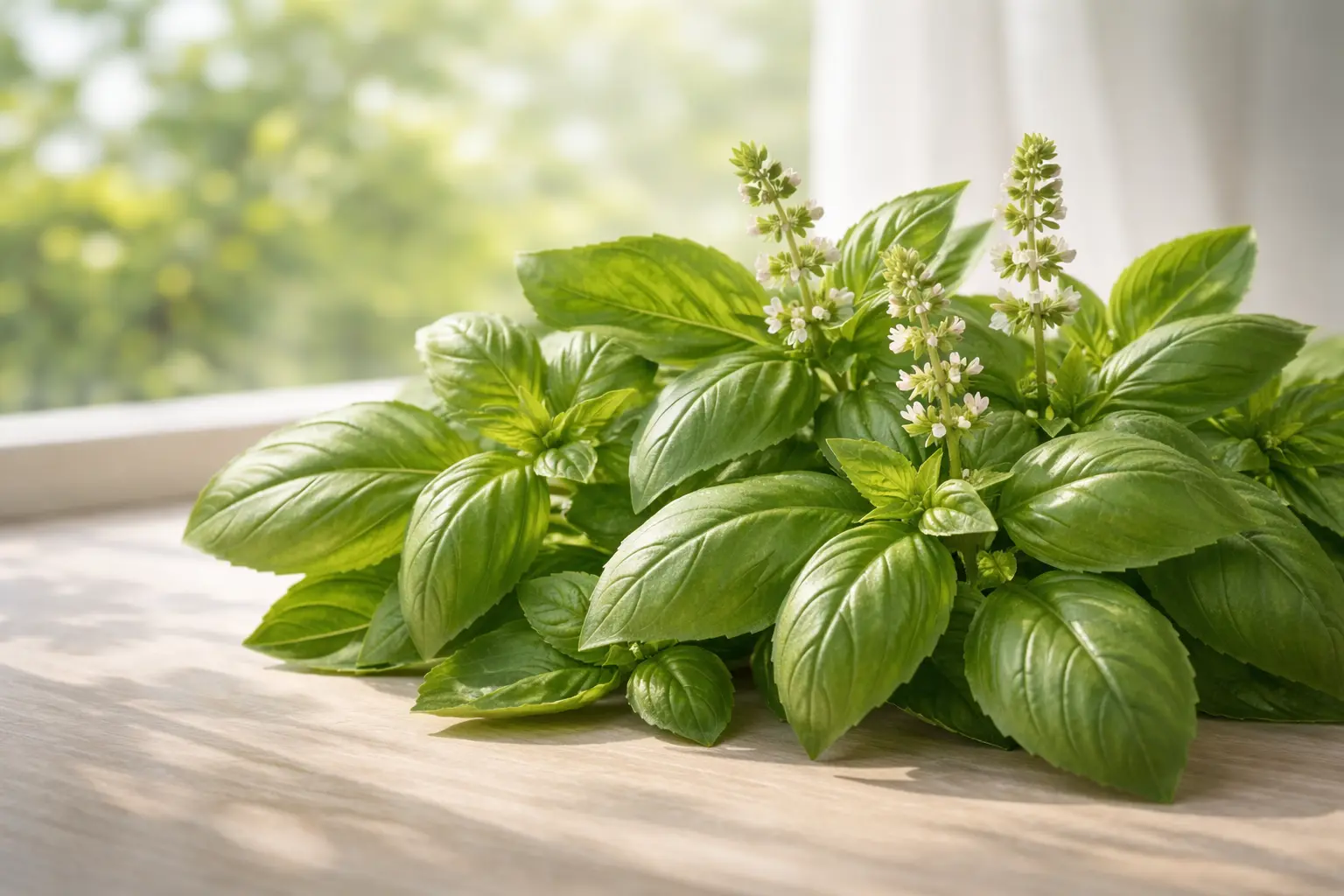
Basil essential oil is bright, green, sweet, and herbaceous: a familiar kitchen-garden aroma transformed into a concentrated aromatic oil with a crisp, lively personality. Steam distilled from the leaves and flowering tops of Ocimum basilicum, Basil essential oil is often used in diffuser blends, fresh herbal accords, natural perfumery, and carefully diluted body-care formulas. It can feel clear and uplifting in a room, especially when paired with citrus, mint, soft florals, or other Mediterranean herbs. Because basil oils vary widely in chemistry, this is also an oil where chemotype, dilution, and safety notes matter.
Bergamot Essential Oil
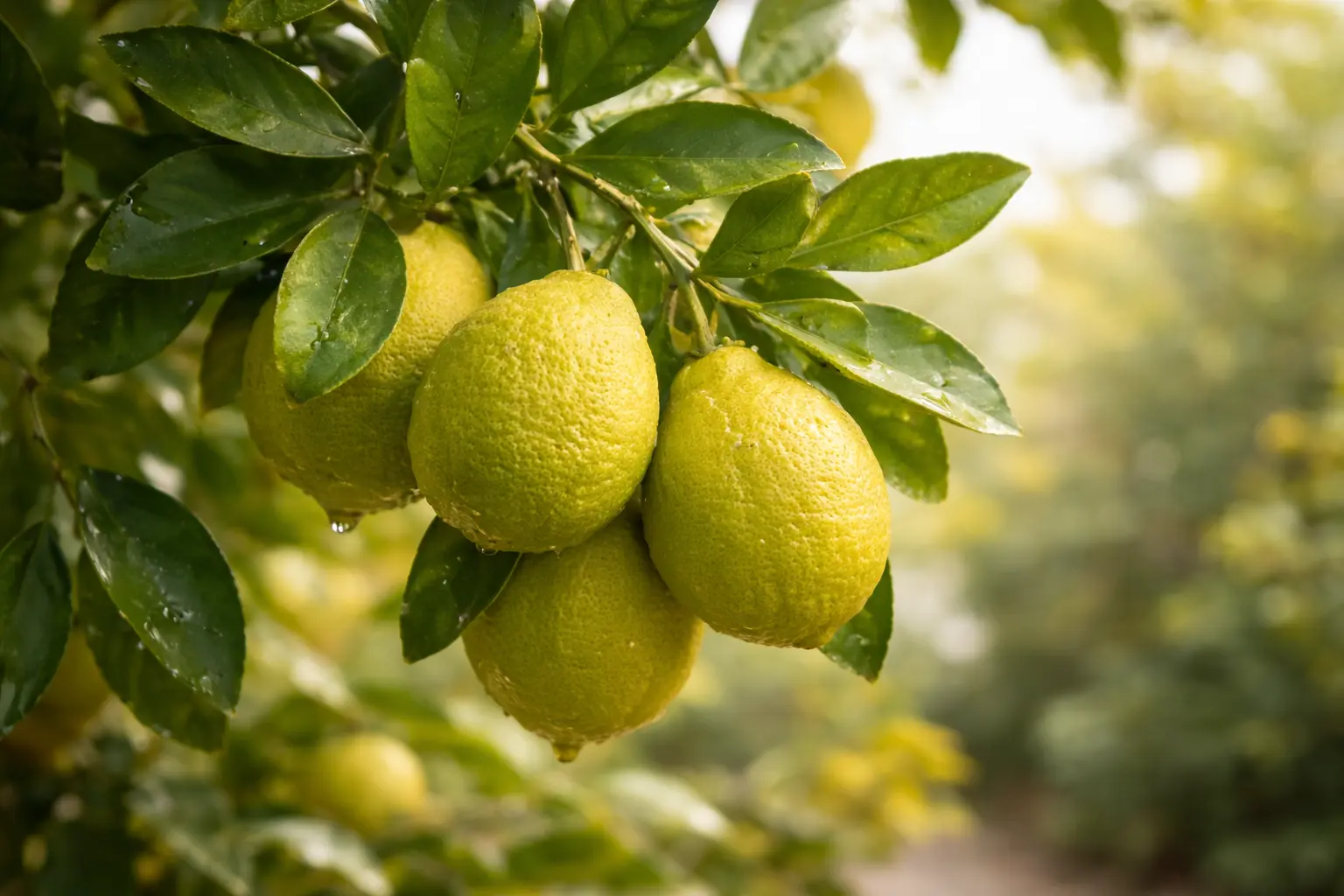
Bergamot essential oil is a bright, elegant citrus oil expressed from the peel of Citrus bergamia. It is best known for its fresh green-citrus aroma, soft floral undertone, connection to Earl Grey tea, and its long-standing role in perfumery, diffuser blends, emotional wellness rituals, and natural fragrance. Bergamot smells lighter and more complex than many familiar citrus oils. It has the sparkle of lemon, the gentle sweetness of sweet orange, a slightly bitter green edge, and a delicate floral quality that makes it blend beautifully with herbs, woods, resins, and florals.
Black Pepper Essential Oil
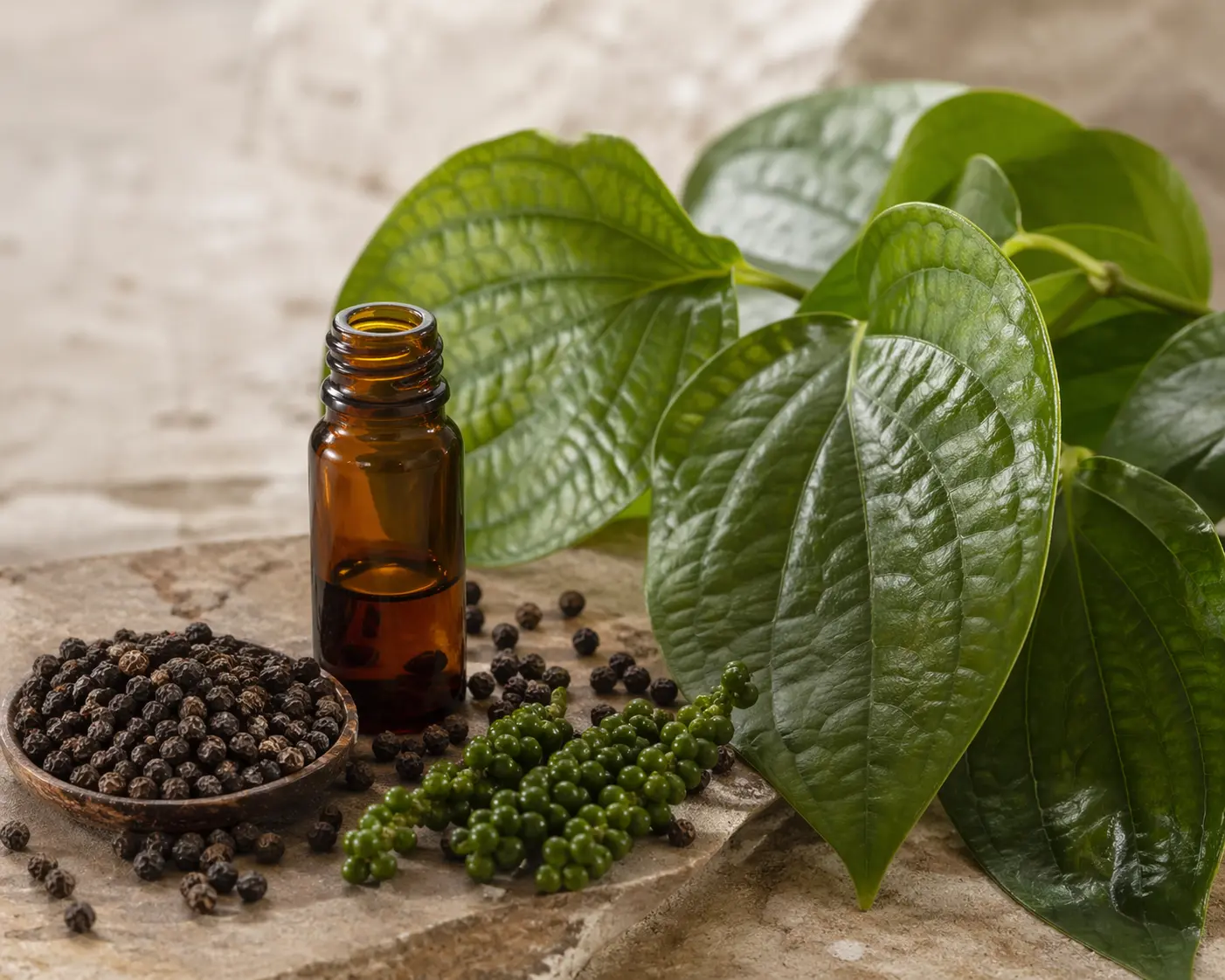
Black Pepper essential oil is warm, dry, spicy, and quietly energizing, with the familiar spark of cracked peppercorns softened into a smooth aromatic oil. Steam distilled from the fruits of Piper nigrum, Black Pepper essential oil is often used in diffuser blends, natural perfumery, warming-feeling massage oils, and cozy routines where a dry spice note is wanted. It smells recognizable, but it is not the same as sprinkling pepper on food. The essential oil is a concentrated aromatic extract, used by the drop, and it should be diluted carefully before topical use.
Cardamom Essential Oil
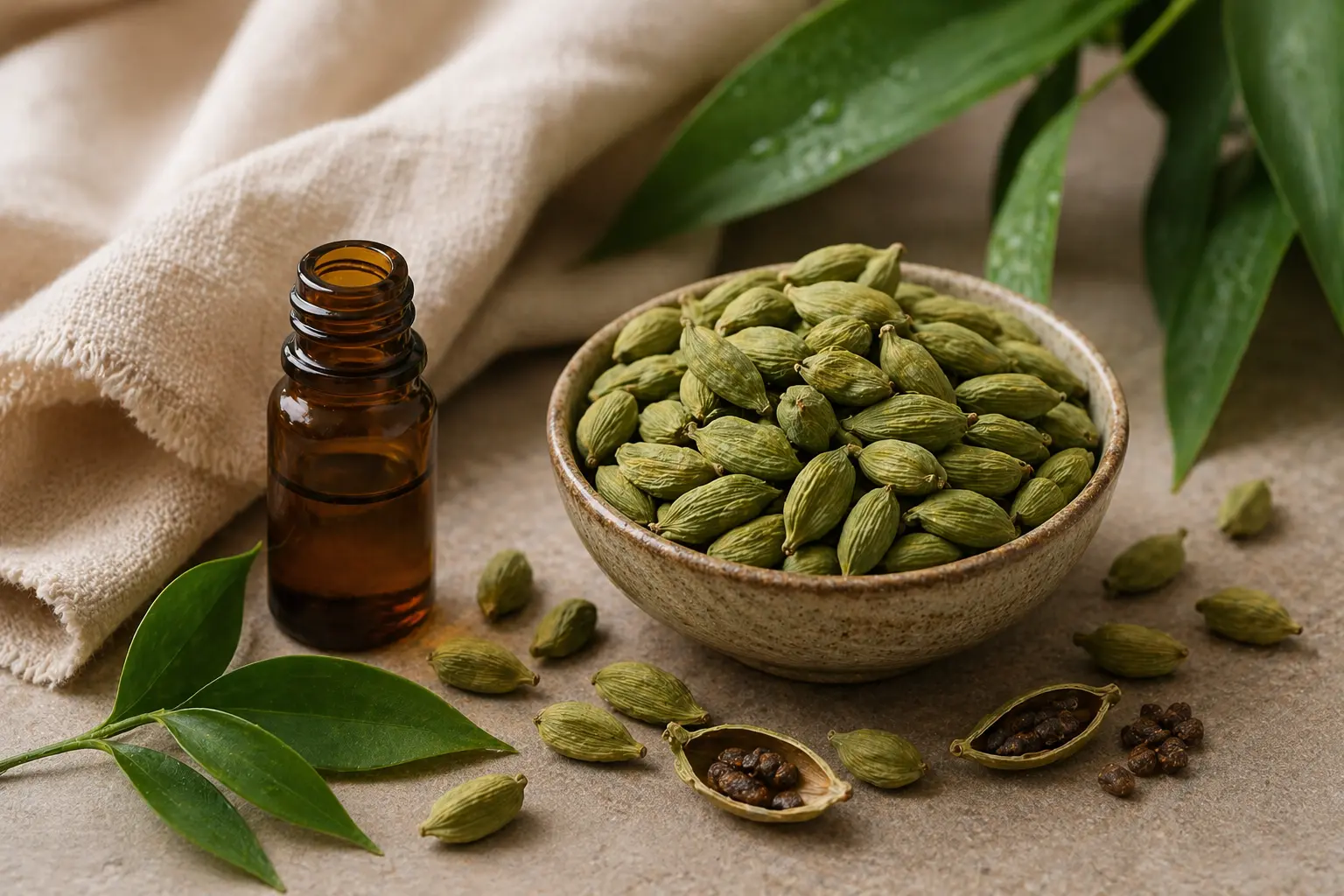
Cardamom essential oil is warm, sweet, spicy, and softly aromatic, with the elegant scent of green cardamom pods, citrus peel, fresh spice markets, and cozy kitchen rituals. Steam distilled from the seeds of Elettaria cardamomum, Cardamom essential oil is often used in diffuser blends, natural perfumery, massage oils at low dilution, and comforting home routines where a smooth spice note is wanted. It is gentler in aroma than many hot spice oils, but it is still a concentrated essential oil and should be diluted, diffused moderately, and used with care around sensitive people.
Further Reading and Sources
For botanical, chemical, and safety-oriented background, these sources may be useful starting points:
- Pharmacological and Therapeutic Potential of Chrysopogon zizanioides: A Comprehensive Review
- Chemical characterization of Chrysopogon zizanioides root essential oil
- Chrysopogon zizanioides: pharmacognosy, chemical composition and pharmacological activities review
- Vetiver essential oil composition under Mediterranean cultivation conditions
- The Vetiver Network International: Vetiver grass plant characteristics