Ylang Ylang Essential Oil
Essential Oils
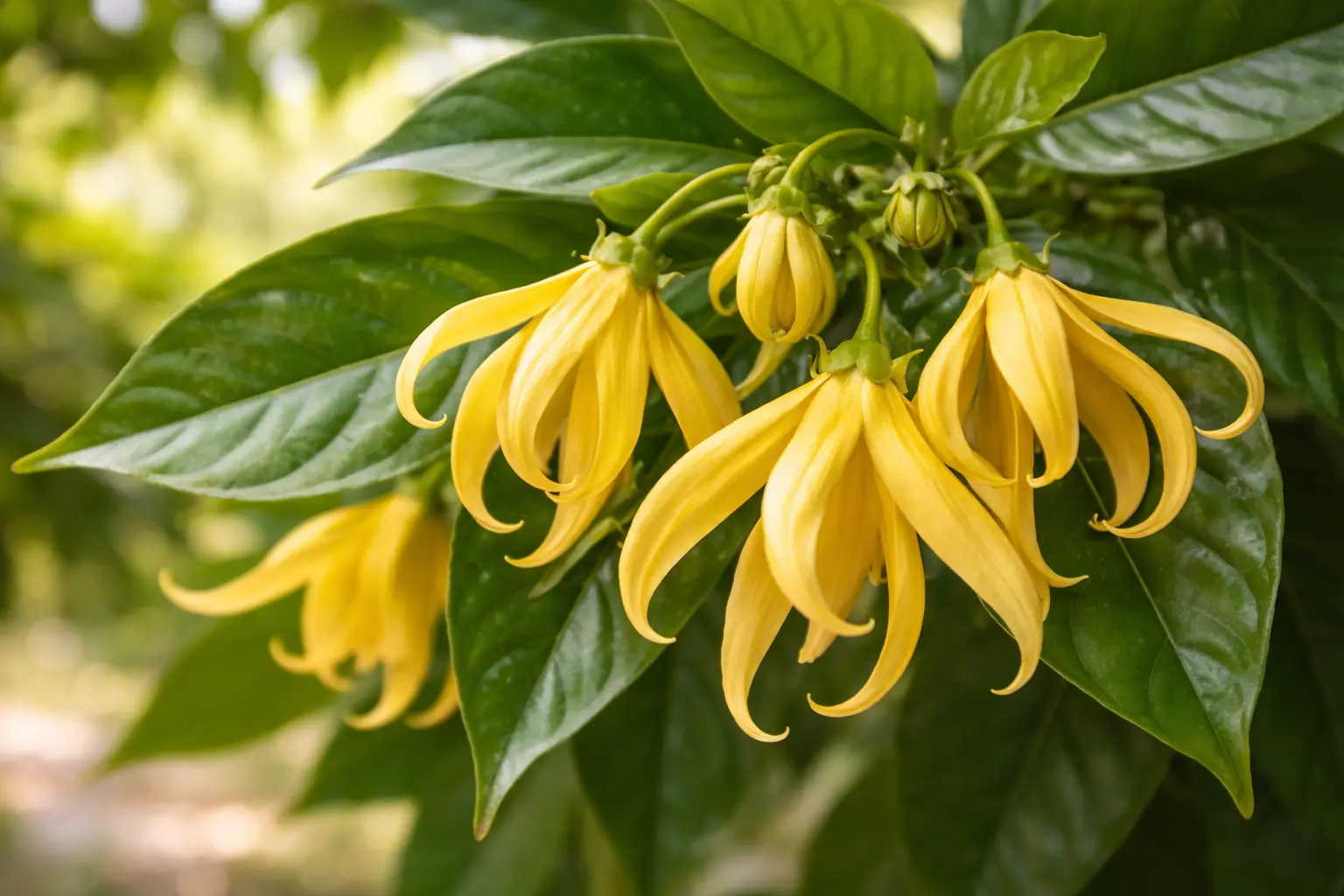
Ylang ylang essential oil is a rich, sweet, tropical floral oil steam distilled from the fragrant yellow flowers of Cananga odorata. It is best known for its lush perfume-like aroma and is commonly used in natural perfume, sensual diffuser blends, evening rituals, body oils, hair-care aromas, bath products, and heart-centered self-care routines.
Ylang ylang is not a quiet floral. It is creamy, sweet, heady, fruity, floral, slightly spicy, and deeply expressive. In small amounts, it can make a blend feel soft, romantic, tropical, and luxurious. In large amounts, it can become overwhelming, heavy, or headache-triggering for sensitive people. With ylang ylang, restraint is part of the art.
Quick Answer
Ylang ylang essential oil is commonly used for natural perfume, romantic diffuser blends, body oils, bath products, hair-care aromas, meditation rituals, and emotional softness routines. It blends especially well with bergamot, neroli, geranium, lavender, clary sage, red mandarin, sandalwood, and patchouli.
The most important practical point is dosage. Ylang ylang is powerful and can dominate a blend quickly. Use small amounts, dilute well for skin, and avoid heavy diffusion if the scent causes headache, nausea, dizziness, or discomfort.
What Is Ylang Ylang Essential Oil?
Ylang ylang essential oil is distilled from the highly fragrant flowers of Cananga odorata, a tropical tree native to parts of Southeast Asia and widely cultivated in regions such as the Comoros, Madagascar, Indonesia, and other warm island climates. The flowers are long, narrow, curled, and usually yellow when mature, with an intense floral scent that becomes especially powerful in warm air.
Unlike citrus peel oils such as lemon, lime, pink grapefruit, and red mandarin, ylang ylang is a flower oil. Its personality is lush, rounded, sensual, and long-lasting. It behaves more like a perfumery heart note or base-floral note than a quick top note.
Ylang ylang essential oil is chemically complex and can include constituents such as benzyl acetate, linalool, benzyl benzoate, geranyl acetate, methyl benzoate, p-cresyl methyl ether, germacrene D, beta-caryophyllene, benzyl salicylate, and related floral compounds. Composition varies depending on origin, flower maturity, distillation time, and the specific grade or fraction of the oil.
Ylang Ylang Extra, I, II, III, and Complete
Ylang ylang essential oil is unusual because it is often separated into different fractions during distillation. These fractions are commonly labeled ylang ylang extra, ylang ylang I, ylang ylang II, ylang ylang III, and ylang ylang complete. They all come from Cananga odorata flowers, but they do not smell exactly the same.
Ylang ylang extra is collected early in the distillation and is often the sweetest, most floral, most diffusive, and most prized in fine perfumery. It can feel bright, creamy, intensely floral, and very powerful. A tiny amount can transform a perfume blend.
Ylang ylang I, II, and III are collected in later stages. As distillation continues, the scent usually becomes less bright and more rounded, heavier, woodier, or balsamic. Later fractions may be used in soaps, body products, and fragrance work where a more tenacious, less delicate ylang ylang note is desired.
Ylang ylang complete usually refers to oil representing the full distillation, either collected continuously or recombined to give a fuller picture of the whole flower. It is often the most practical choice for everyday aromatherapy because it gives a rounded ylang ylang profile without needing to choose a specific perfumery fraction.
If a recipe simply says “ylang ylang essential oil,” check the label to see whether it is extra, I, II, III, or complete. For general Essencyclopedia use, “ylang ylang essential oil” usually means a standard aromatherapy-grade ylang ylang, often complete unless a fraction is specified.
What Does Ylang Ylang Essential Oil Smell Like?
Ylang ylang smells sweet, creamy, floral, tropical, fruity, slightly spicy, and deeply heady. It can remind people of jasmine, banana-like fruit, custard, warm flowers, and exotic perfume. Compared with geranium, ylang ylang is much heavier and more sensual. Compared with neroli, it is less airy and more lush. Compared with lavender, it is far sweeter, warmer, and more dramatic.
In blends, ylang ylang can soften citrus oils, deepen floral blends, add sensuality to woods, and create a lush heart in natural perfume. It works beautifully with bergamot, red mandarin, neroli, geranium, clary sage, sandalwood, patchouli, vetiver, and vanilla oleoresin.
Common Uses of Ylang Ylang Essential Oil
Ylang ylang essential oil is most often chosen when a blend needs to feel romantic, sensual, floral, luxurious, soft, tropical, emotionally warm, or deeply feminine. It is not the right oil when you want a crisp, clean, understated atmosphere. It is the oil you reach for when a blend needs bloom, sweetness, body, and a little drama.
Natural Perfume
Ylang ylang is one of the classic natural perfume flowers. It gives a blend a lush floral heart and can add richness to compositions that would otherwise feel too thin. It works especially well with bergamot, neroli, geranium, rose absolute, jasmine absolute, sandalwood, patchouli, and vanilla oleoresin.
Because it is so strong, ylang ylang is usually best used in tiny amounts in perfume. A fraction of a drop, or a very diluted ylang ylang accord, can be enough.
Romantic and Sensual Diffuser Blends
Ylang ylang is often used in diffuser blends intended to feel warm, romantic, sensual, or emotionally open. It pairs beautifully with soft citrus oils, florals, and woods. It should not be described as a guaranteed aphrodisiac or as treating sexual, hormonal, or emotional concerns. A safer way to frame it is as an aromatic choice for a romantic or intimate atmosphere.
For this style of blend, try ylang ylang with bergamot, red mandarin, neroli, sandalwood, or patchouli.
Emotional Softness and Heart Rituals
Ylang ylang is often chosen when someone wants a scent that feels emotionally soft, heart-centered, and expressive. It can be part of self-care rituals, body acceptance practices, journaling, meditation, bath routines, or slow evening blends. It should not be described as treating anxiety, depression, grief, trauma, or emotional health conditions.
Body Oils and Bath Products
Ylang ylang can make body oils, bath oils, scrubs, creams, and massage blends feel luxurious and floral. Because it is intense, it should be used lightly. Too much ylang ylang in a body product can feel cloying or overwhelming. It blends especially well with lavender, geranium, neroli, clary sage, cedarwood atlas, and sandalwood.
Hair-Care Aromas
Ylang ylang is sometimes used in hair oils, hair masks, scalp oils, and shampoo-style products because its floral scent feels rich and tropical. This should stay cosmetic and aromatic. It should not be presented as treating hair loss, scalp disease, dandruff, or medical scalp conditions. Keep dilution low, avoid irritated skin, and remember that the scent can linger strongly in hair.
Evening and Slow Rituals
Ylang ylang can be beautiful in evening blends, especially when paired with grounding oils such as sandalwood, cedarwood atlas, frankincense, patchouli, or vetiver. It is not a sleep treatment, but it can help create a slower, softer atmosphere when used sparingly.
Quick Tips for Using Ylang Ylang Essential Oil
Use Less Than You Think
Start with 1 drop of ylang ylang in a diffuser blend. It is powerful, sweet, and long-lasting, and too much can become overwhelming.
Soft Romantic Diffuser
Diffuse 1 drop ylang ylang, 2 drops bergamot, and 2 drops red mandarin for a warm floral-citrus atmosphere.
Body Oil Aroma
Dilute 1 drop ylang ylang with 1 drop geranium in 2 teaspoons of carrier oil for a soft floral body oil. Avoid irritated or freshly shaved skin.
Headache Check
If ylang ylang causes headache, nausea, heaviness, or dizziness, stop diffusing and ventilate the room. This is an oil where less is often better.
Dilution Guidance
General Adult Dilution
For general adult topical use, ylang ylang essential oil is usually best kept around 0.5% to 1% dilution for many everyday blends because the aroma is so intense. A 1% dilution is about 1 drop of essential oil per teaspoon of carrier oil.
How to Use Ylang Ylang Essential Oil
In a Diffuser
Use 1 drop of ylang ylang as part of a diffuser blend, especially in small rooms. It combines beautifully with bergamot, red mandarin, neroli, geranium, lavender, sandalwood, and patchouli. Diffuse intermittently in a ventilated room.
On Skin
Always dilute ylang ylang essential oil before applying it to skin. It can be used in body oils, perfume oils, creams, lotions, balms, massage blends, hair oils, and bath products when properly diluted. Because the aroma is strong, low dilution is usually enough.
In Hair Products
Ylang ylang can be added in very low dilution to hair oils, hair masks, or shampoo-style products for a sweet tropical floral aroma. Avoid using essential oils on irritated, inflamed, wounded, or medically treated scalp skin. Do not present ylang ylang as a treatment for hair loss, dandruff, or scalp disease.
In Bath Products
Do not add ylang ylang essential oil directly to bathwater. Essential oils do not dissolve in water and can sit on the surface, increasing the chance of irritation. Mix ylang ylang into an appropriate dispersant, unscented bath gel, or fully emulsified bath product before adding it to the bath.
In Natural Perfume
Ylang ylang is a powerful heart note in natural perfume. Use it sparingly with citrus top notes such as bergamot, red mandarin, or lime; floral notes such as neroli, geranium, rose absolute, or jasmine absolute; and base notes such as sandalwood, patchouli, vetiver, cedarwood atlas, frankincense, or vanilla oleoresin.
History and Origins of Ylang Ylang
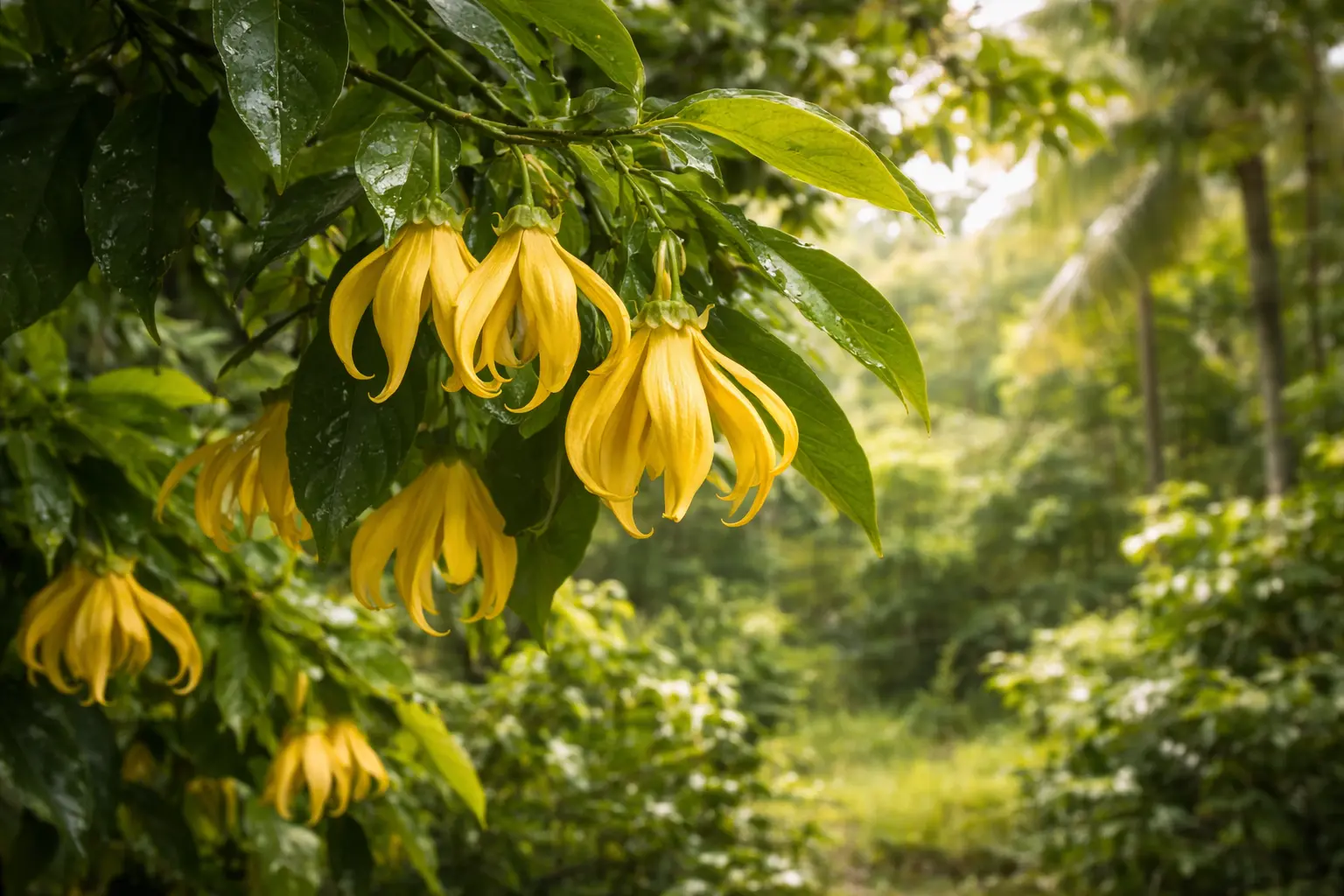
Cananga odorata is native to tropical Asia, including regions such as the Philippines, Malaysia, Indonesia, and surrounding island areas. The tree has also become important in the Comoros, Madagascar, and other tropical regions where the flowers are cultivated for perfumery and essential oil production.
The name “ylang ylang” is often linked with the Tagalog word “ilang-ilang,” sometimes interpreted as “flower of flowers” or connected with wilderness and rarity. However translated, the name reflects the flower’s extraordinary scent and its strong presence in tropical fragrance traditions.
In traditional and cultural use, ylang ylang flowers have been valued for their beauty, fragrance, and association with love, sensuality, and celebration. In some island traditions, the flowers were used to scent hair, decorate beds, or create a romantic atmosphere. These uses belong to the fragrant flower and cultural ritual, not to medical claims about the essential oil.
Ylang ylang became especially important in modern perfumery. Its essential oil is used in floral perfumes, tropical fragrance accords, soaps, cosmetics, and body products. Because different fractions of the oil smell different, ylang ylang became not just a single floral note but a versatile perfumery material with many possible moods.
Ylang Ylang Diffuser Blends
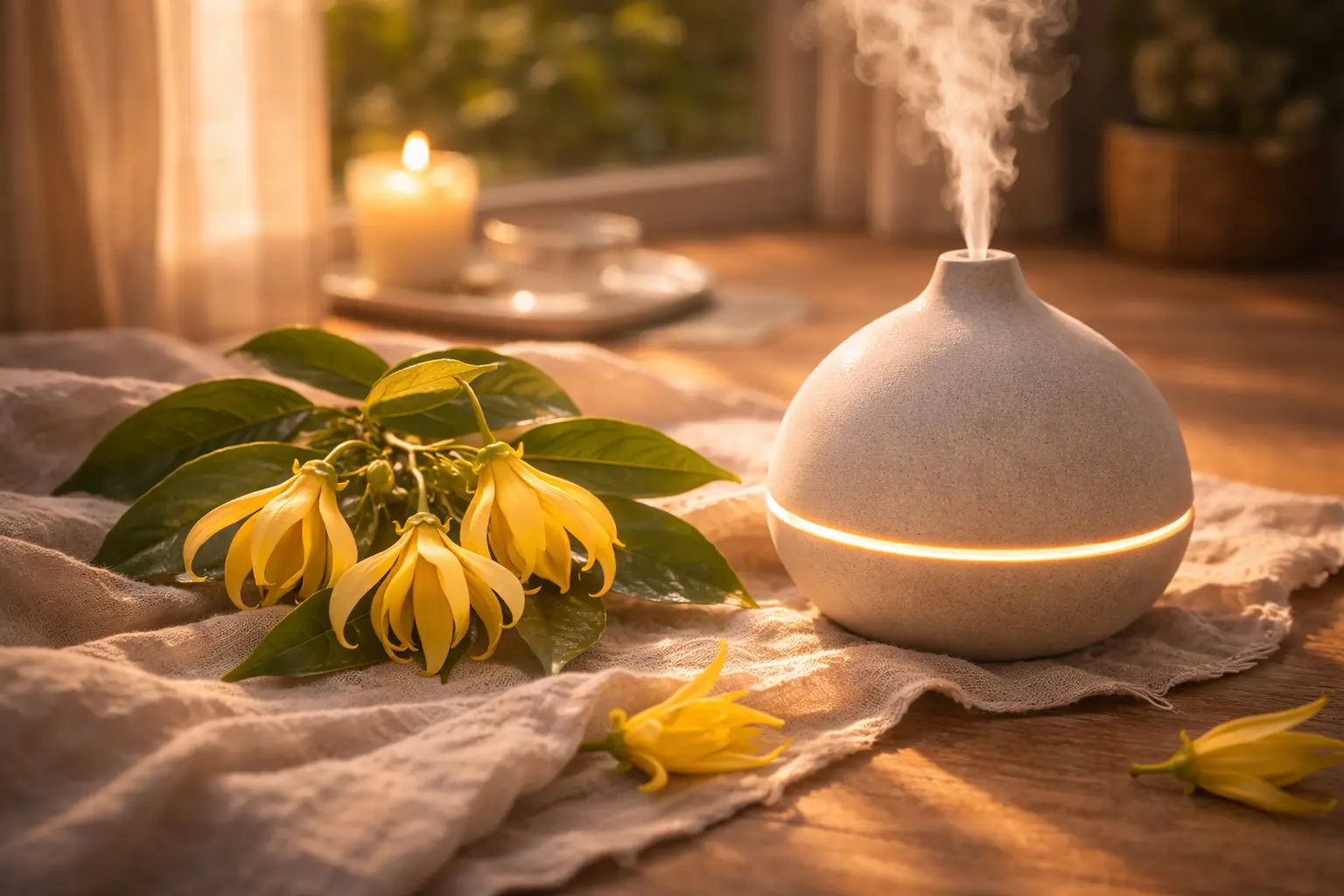
Ylang ylang diffuser blends are best when they are simple and balanced. One drop is usually enough. Pair it with citrus to lighten it, woods to ground it, or softer florals to make it feel romantic and rounded.
Tropical Heart
Tropical Heart
- 1 drop ylang ylang
- 3 drops bergamot
- 1 drop geranium
A bright floral-citrus blend with a lush tropical heart and a soft romantic mood.
Golden Petals
- 1 drop ylang ylang
- 3 drops red mandarin
- 1 drop neroli
A sweet citrus-floral blend for gentle evenings, warm rooms, and emotional softness.
Velvet Woods
- 1 drop ylang ylang
- 2 drops sandalwood
- 1 drop patchouli
A deep floral-wood-earth blend with a sensual, slow, natural-perfume feeling.
Soft Bloom
- 1 drop ylang ylang
- 2 drops lavender
- 1 drop clary sage
A calm floral blend for slow evenings, journaling, and soft emotional unwinding.
What Blends Well with Ylang Ylang Essential Oil?
Ylang ylang blends naturally with bergamot, red mandarin, sweet orange, lime, neroli, geranium, lavender, clary sage, rose absolute, jasmine absolute, sandalwood, cedarwood atlas, patchouli, vetiver, frankincense, and vanilla oleoresin.
For romantic blends, pair ylang ylang with bergamot, red mandarin, neroli, geranium, or sandalwood. For grounding blends, use it with patchouli, vetiver, cedarwood atlas, or frankincense. For natural perfume, combine it with rose absolute, jasmine absolute, vanilla, sandalwood, or citrus top notes.
FAQ About Ylang Ylang Essential Oil
What is the difference between ylang ylang extra and ylang ylang complete?
Ylang ylang extra is an early distillation fraction and is often the sweetest, most floral, and most diffusive. Ylang ylang complete represents the fuller distillation and usually has a rounder, more complete profile. Complete is often the most practical choice for everyday aromatherapy.
Why does ylang ylang give some people a headache?
Ylang ylang has a strong, sweet, heady aroma. Some people are sensitive to intense floral oils, especially when too much is used in a small or poorly ventilated room. If it causes headache, nausea, dizziness, or heaviness, stop diffusing and ventilate the space.
Can ylang ylang essential oil be used for romance?
Ylang ylang is often used in romantic and sensual diffuser blends because its aroma feels lush, soft, and intimate. It should not be described as a guaranteed aphrodisiac or as treating sexual concerns. It can help create a beautiful atmosphere.
Can ylang ylang essential oil be used on hair?
Yes, it can be used in very low dilution in hair oils, hair masks, or shampoo-style products for its floral aroma. It should not be presented as a treatment for hair loss, dandruff, or scalp disease. Avoid irritated or broken scalp skin.
Can ylang ylang essential oil be used during pregnancy?
Pregnancy use should be cautious. Pregnant or breastfeeding people should consult a qualified healthcare professional or trained clinical aromatherapist before using ylang ylang essential oil, especially for topical use or frequent diffusion.
Can ylang ylang essential oil be applied directly to skin?
No. Ylang ylang essential oil should be diluted in a carrier oil, cream, lotion, balm, or other suitable base before topical use. Undiluted use increases the risk of irritation or sensitization.
Can ylang ylang essential oil be ingested?
Do not ingest ylang ylang essential oil as a casual wellness practice. Essential oils are concentrated aromatic extracts, and internal use should only happen under qualified professional guidance.
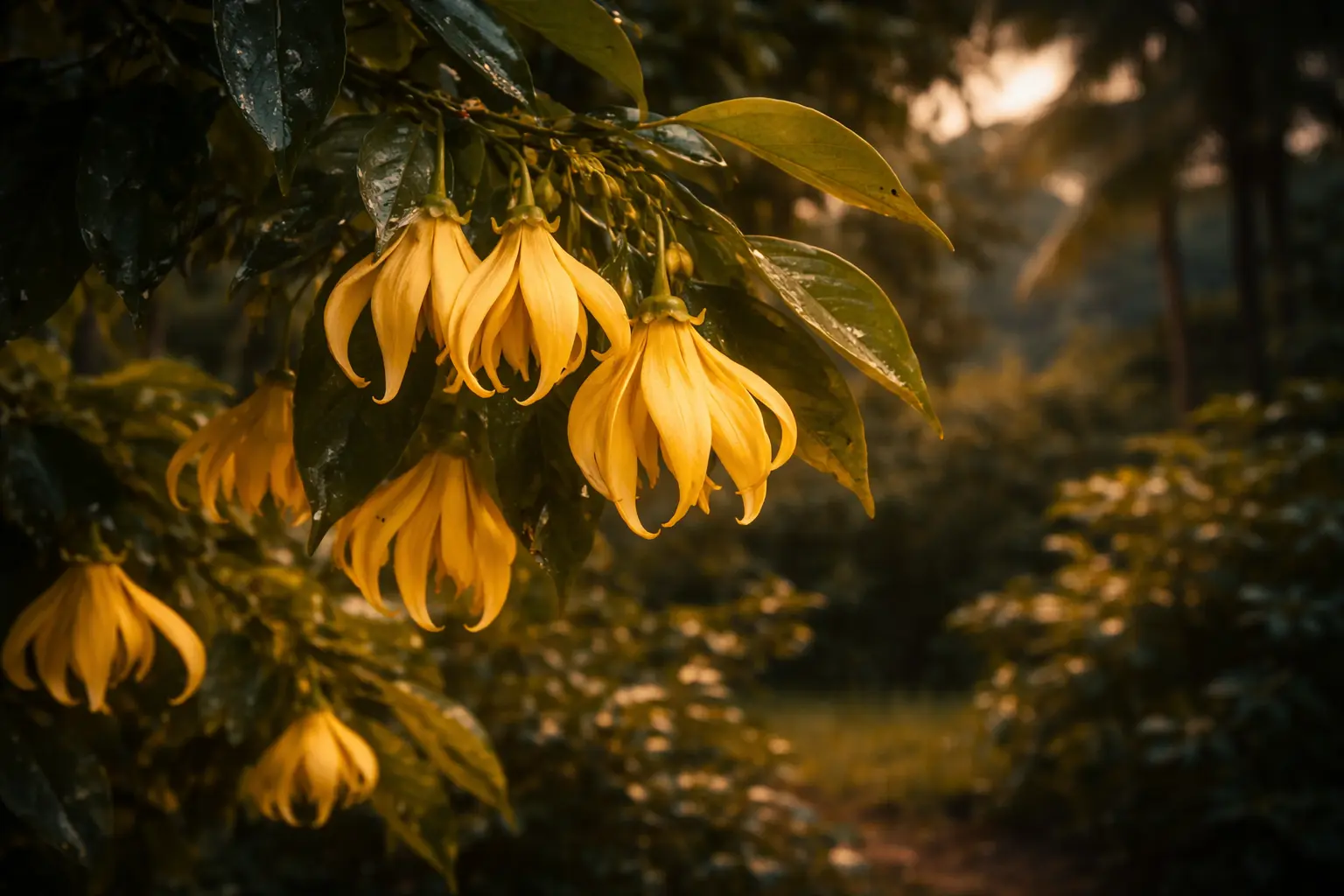
Ylang Ylang Essential Oil, Spirituality, and Soul
The main sections above focus on botanical information, practical use, dilution, and safety. Ylang ylang also has a symbolic and spiritual life in modern aromatherapy, where its lush tropical floral aroma is often associated with softness, sensuality, emotional surrender, beauty, pleasure, and heart-opening.
Ylang ylang does not ask the body to hurry. It asks it to soften. Its aroma can feel like warm air after sunset: heavy with flowers, slow with feeling, and full of unspoken tenderness. It may be chosen for rituals of self-acceptance, romantic atmosphere, body connection, or emotional release.
Heart and Sacral Energy
In symbolic aromatherapy, ylang ylang is often connected with the heart because of its emotional warmth and with the sacral chakra because of its sensual, creative, pleasure-oriented quality. These associations are symbolic, not medical or scientific claims.
Softness and Surrender
Ylang ylang can symbolize the movement from control into softness. It may be used in rituals where someone wants to release tension, reconnect with pleasure, or allow a more tender emotional state.
Beauty and Embodiment
Because of its strong role in perfumery and body-care traditions, ylang ylang is often associated with beauty, sensuality, and embodied presence. It can be chosen symbolically when a ritual needs warmth, intimacy, and a return to the senses.
Safety Notes
Ylang ylang essential oil should be diluted before topical use. Do not apply it undiluted to the skin, do not use it in or near the eyes, and do not take it internally as a casual wellness practice.
Ylang ylang has a strong, sweet, heady aroma and may cause headache, nausea, dizziness, or discomfort in sensitive people, especially when overused or diffused in small rooms. Use sparingly, diffuse intermittently, and keep rooms ventilated.
Ylang ylang contains natural fragrance constituents such as linalool, benzyl benzoate, benzyl salicylate, geraniol, and related compounds that may irritate sensitive skin or trigger allergic reactions in some people. Pregnant or breastfeeding people, babies, young children, elderly adults, people with asthma, allergies, complex medical conditions, medication use, low blood pressure concerns, or very sensitive skin should seek qualified guidance before use. Stop using ylang ylang if irritation, rash, headache, nausea, dizziness, breathing discomfort, or any unusual reaction occurs.
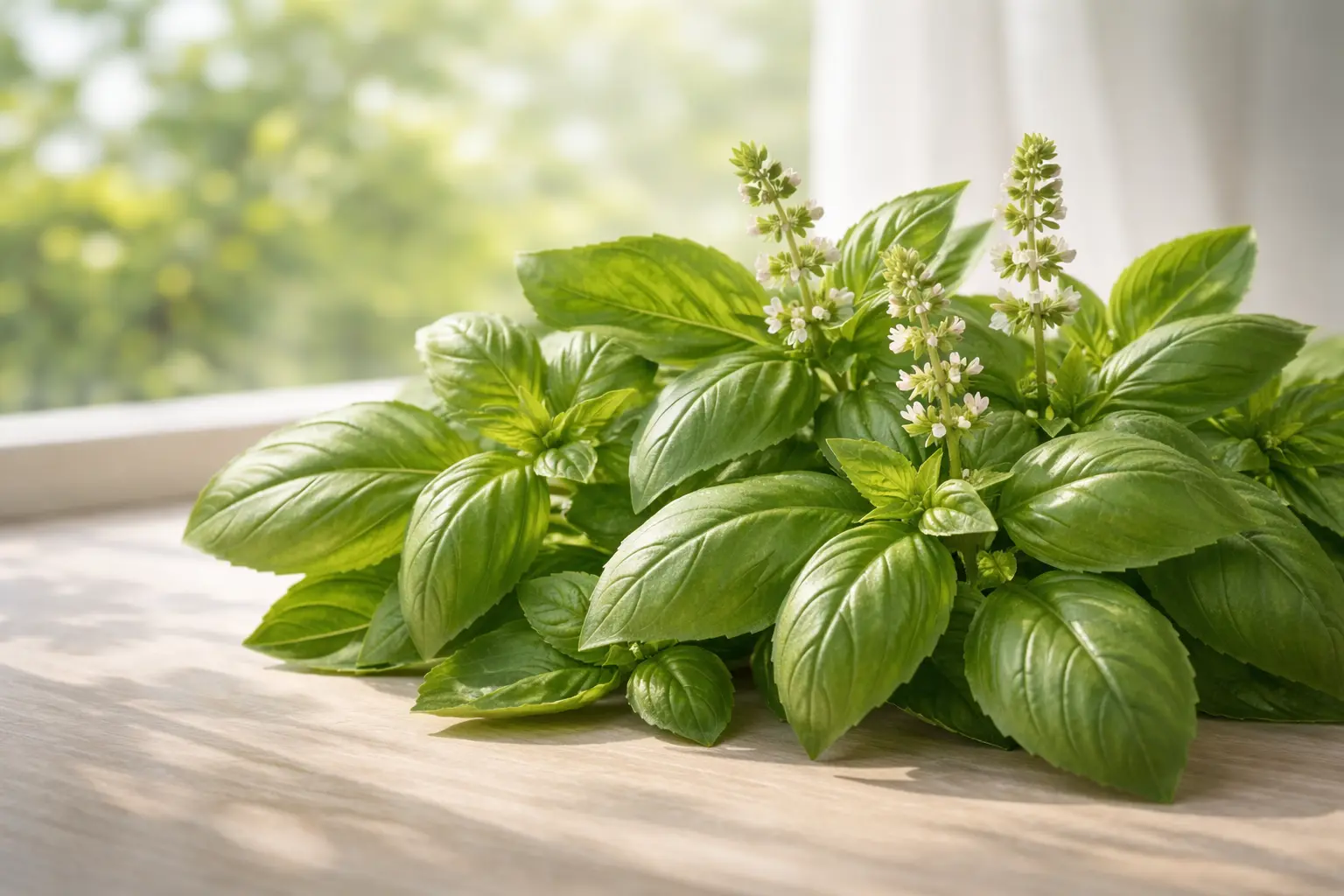
Basil Essential Oil
Basil essential oil is bright, green, sweet, and herbaceous: a familiar kitchen-garden aroma transformed into a concentrated aromatic oil with a crisp, lively personality. Steam distilled from the leaves and flowering tops of Ocimum basilicum, Basil essential oil is often used in diffuser blends, fresh herbal accords, natural perfumery, and carefully diluted body-care formulas. It can feel clear and uplifting in a room, especially when paired with citrus, mint, soft florals, or other Mediterranean herbs. Because basil oils vary widely in chemistry, this is also an oil where chemotype, dilution, and safety notes matter.
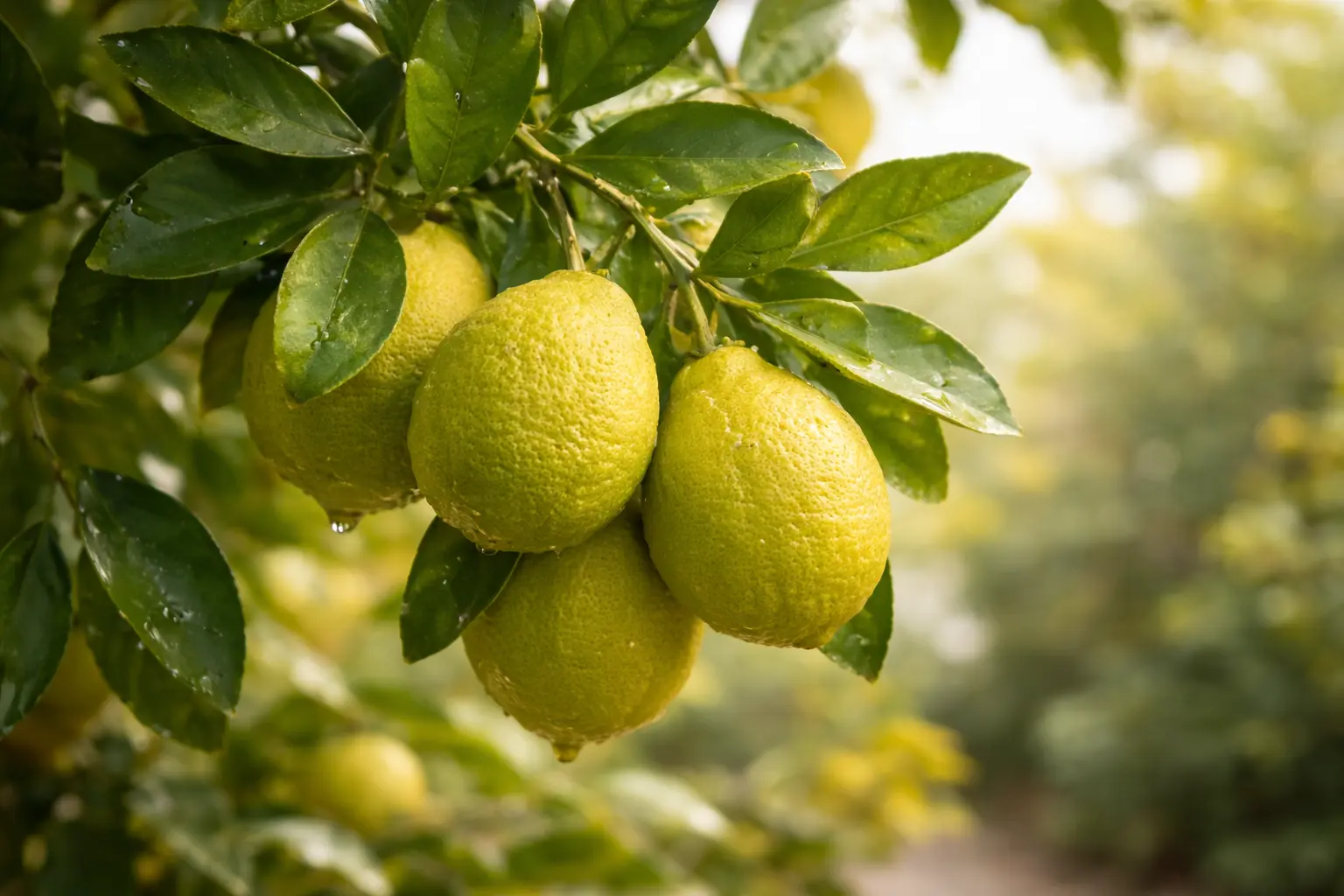
Bergamot Essential Oil
Bergamot essential oil is a bright, elegant citrus oil expressed from the peel of Citrus bergamia. It is best known for its fresh green-citrus aroma, soft floral undertone, connection to Earl Grey tea, and its long-standing role in perfumery, diffuser blends, emotional wellness rituals, and natural fragrance. Bergamot smells lighter and more complex than many familiar citrus oils. It has the sparkle of lemon, the gentle sweetness of sweet orange, a slightly bitter green edge, and a delicate floral quality that makes it blend beautifully with herbs, woods, resins, and florals.
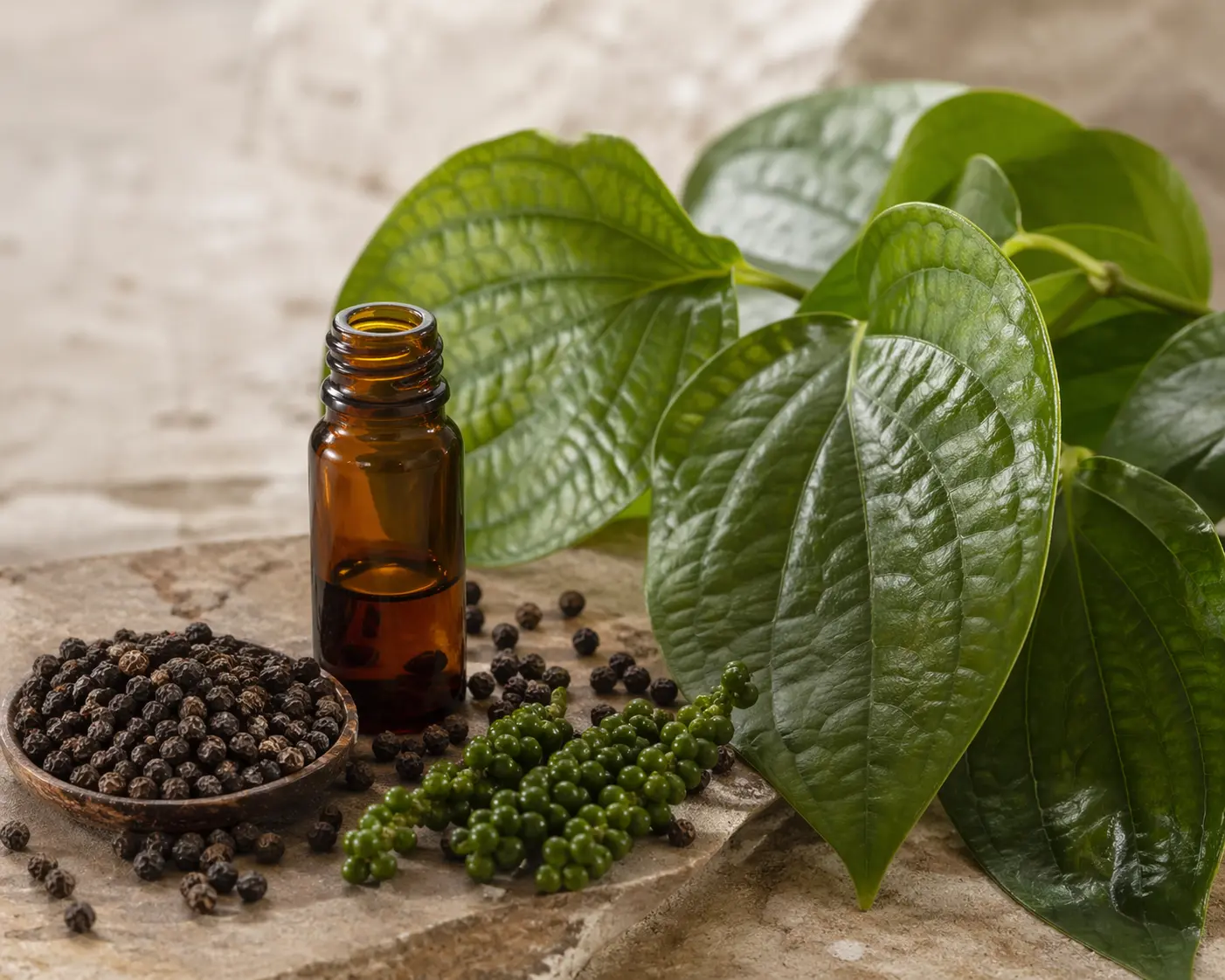
Black Pepper Essential Oil
Black Pepper essential oil is warm, dry, spicy, and quietly energizing, with the familiar spark of cracked peppercorns softened into a smooth aromatic oil. Steam distilled from the fruits of Piper nigrum, Black Pepper essential oil is often used in diffuser blends, natural perfumery, warming-feeling massage oils, and cozy routines where a dry spice note is wanted. It smells recognizable, but it is not the same as sprinkling pepper on food. The essential oil is a concentrated aromatic extract, used by the drop, and it should be diluted carefully before topical use.
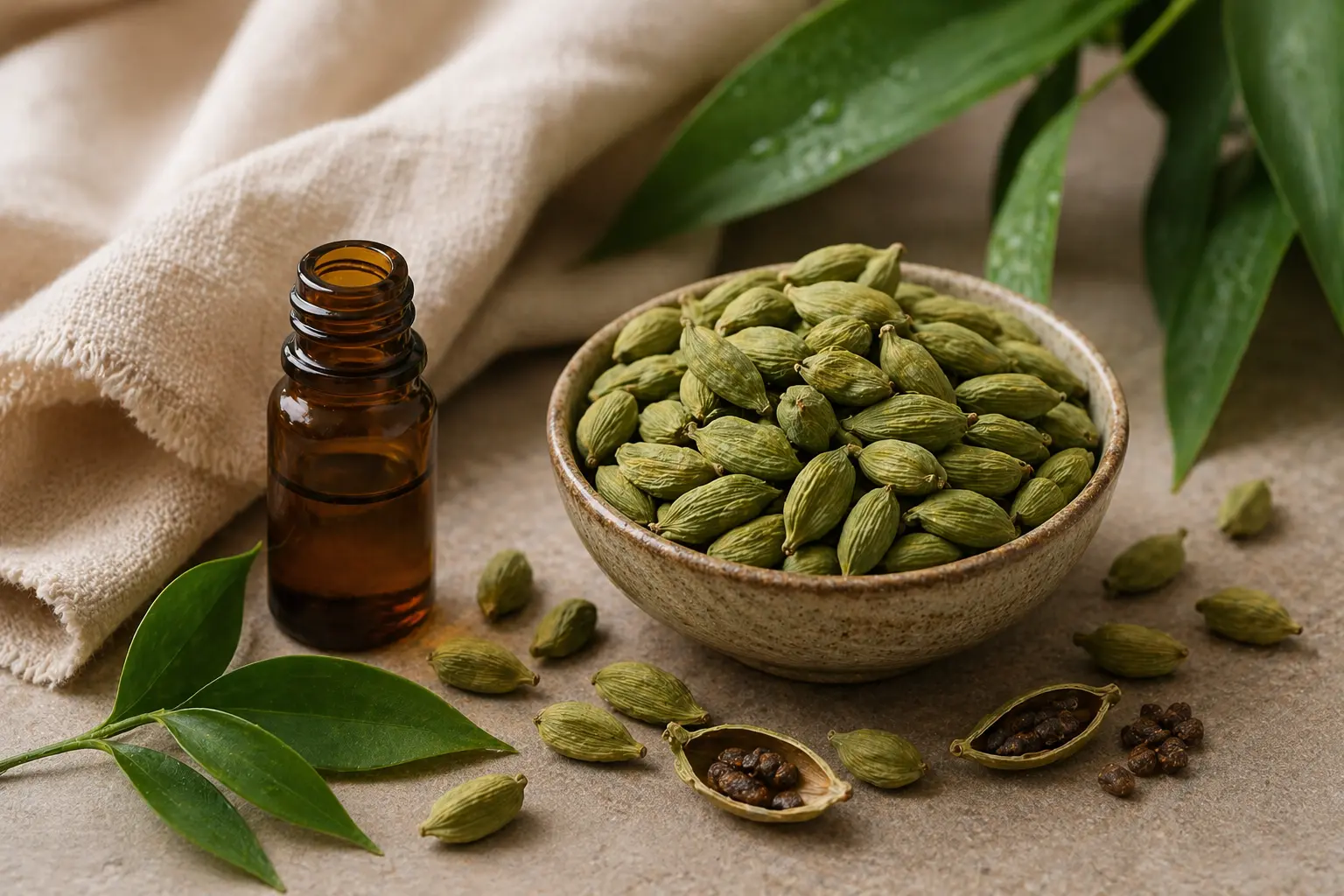
Cardamom Essential Oil
Cardamom essential oil is warm, sweet, spicy, and softly aromatic, with the elegant scent of green cardamom pods, citrus peel, fresh spice markets, and cozy kitchen rituals. Steam distilled from the seeds of Elettaria cardamomum, Cardamom essential oil is often used in diffuser blends, natural perfumery, massage oils at low dilution, and comforting home routines where a smooth spice note is wanted. It is gentler in aroma than many hot spice oils, but it is still a concentrated essential oil and should be diluted, diffused moderately, and used with care around sensitive people.
Further Reading and Sources
For botanical, chemical, and safety-oriented background, these sources may be useful starting points:
- Traditional Uses, Phytochemistry, and Bioactivities of Cananga odorata, Ylang-Ylang
- Effect of Ylang-Ylang Essential Oil on Acute Inflammatory Response In Vitro and In Vivo
- Chemical Composition and Biological Properties of Ylang-Ylang Essential Oil
- Insecticidal activity of ylang ylang and frankincense essential oils used in perfumery
- NC State Extension: Cananga odorata