
Carrier Oils Guide: How to Choose the Right Base for Essential Oils
Know-How
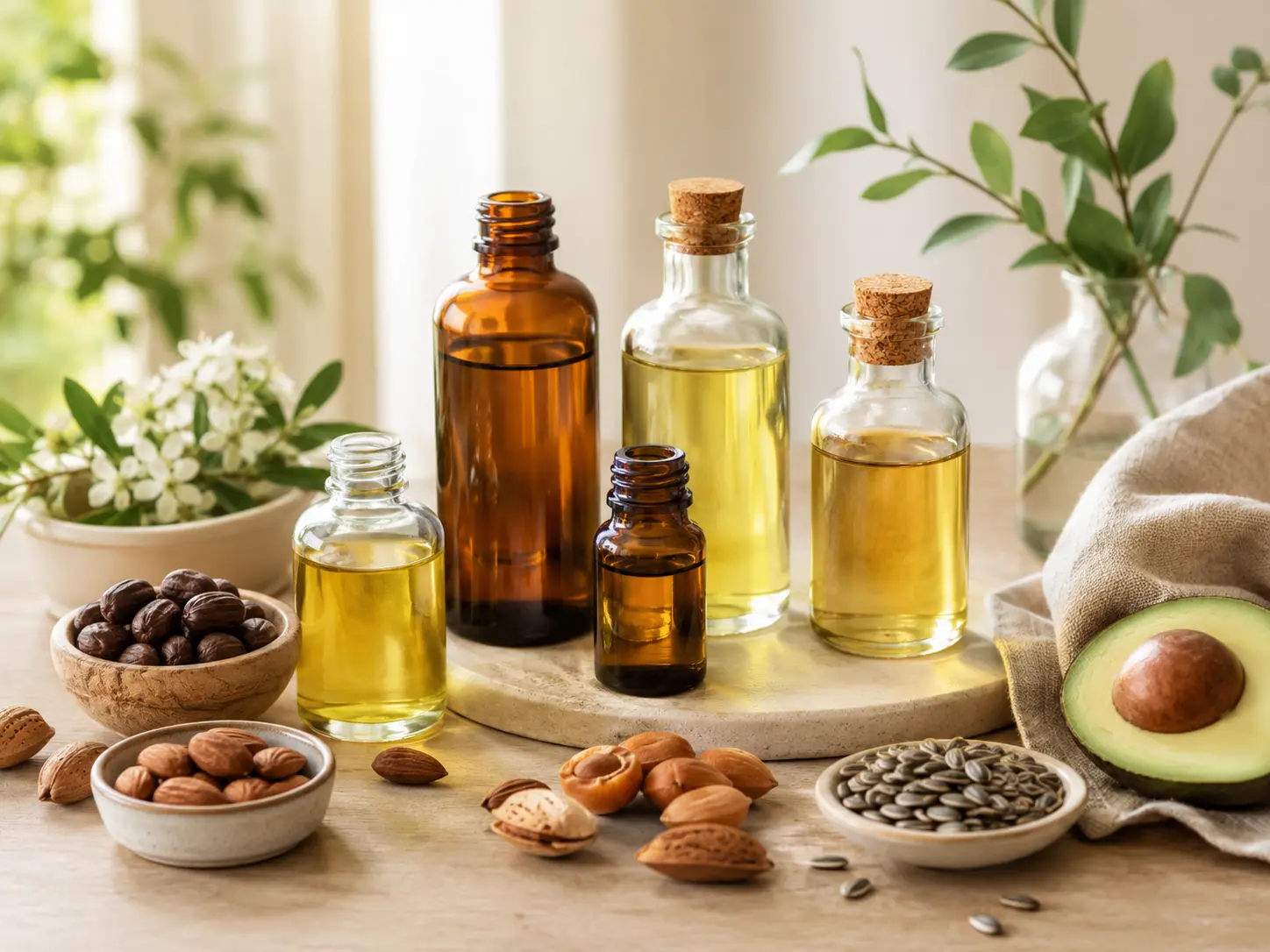
Carrier oils are the quiet part of essential oil use that often makes the whole routine work better. They dilute concentrated essential oils for topical use, soften the feel of a blend on skin, slow down evaporation, and help turn a few aromatic drops into something measurable and usable.
The best carrier oil is not one universal bottle. It depends on the texture you want, the body area, skin feel, shelf life, allergies, budget, scent, and whether the blend is for a face oil, body oil, massage blend, roll-on, balm, hair oil, or simple patch test.
Quick Answer
For a simple starter kit, choose jojoba for balance and long shelf life, fractionated coconut for lightweight roll-ons, sweet almond or apricot kernel for comfortable body oils, grapeseed for a lighter dry feel, sunflower for a gentle everyday base, and avocado or olive when you want a richer, slower body-care texture.
What Is a Carrier Oil?
A carrier oil is usually a vegetable oil pressed from a seed, nut, kernel, or fruit. In aromatherapy and home body-care routines, it is used as the base that carries a much smaller amount of essential oil. That matters because essential oils are concentrated aromatic materials, and undiluted skin use can increase the chance of irritation, sensitization, redness, itching, burning, or discomfort.
Carrier oils are not just empty filler. They change how a blend feels. A roll-on made with fractionated coconut oil feels very different from a night body oil made with avocado, olive, or sesame. A facial blend built around jojoba, rosehip, or argan has a different personality than a massage oil built around sweet almond and sunflower. Choosing the base is part of the formulation, not an afterthought.
Simple dilution reminder: For many general adult body-care uses, a 1% dilution is roughly 1 drop of essential oil per teaspoon of carrier oil. This is only a broad starting point, not a rule for every oil, person, age, or skin situation.
How to Choose a Carrier Oil
Start with the body area and the purpose. Face blends usually need a lighter, more carefully chosen base than foot oils or massage blends. Roll-ons benefit from oils that flow easily and do not feel sticky. Body oils can be richer. Hair and scalp blends need extra caution because some oils are hard to wash out and some people react to leave-on products around the hairline.
Then consider texture, scent, and shelf life. Some carrier oils are nearly odorless and disappear quickly. Others feel plush, protective, or noticeably oily. Some oxidize faster and should be bought in smaller amounts. If a carrier oil smells stale, paint-like, sour, or unusually sharp, do not use it in a fresh blend.
Good Carrier Oils to Know
Jojoba
Technically a liquid wax, jojoba is one of the most flexible bases. It has a stable shelf life, a balanced skin feel, and works well in roll-ons, facial oils, beard oils, and simple perfume oils.
Fractionated Coconut
Light, clear, and very convenient for roller bottles. It stays liquid, has little scent, and is useful when you want the aroma of the essential oil blend to remain the focus.
Sweet Almond
A classic massage and body oil base with a comfortable glide. Avoid it when nut allergy is a concern, and use a different base for shared products unless everyone can tolerate almond.
Grapeseed
Lightweight and less greasy-feeling than many richer oils. It is useful for quick body oils and massage blends, though it may not feel protective enough for very dry skin.
Apricot Kernel
Soft, smooth, and beginner-friendly. Apricot kernel often sits between sweet almond and lighter oils, making it useful for gentle body oils and simple face-adjacent routines.
Sunflower
An accessible, mild base that works well for everyday body-care blends. High-linoleic sunflower can feel especially useful when you want a lighter, less heavy oil.
Richer Carrier Oils for Slower Body Care
Avocado oil, olive oil, sesame oil, and castor oil are richer options. They are not usually the first choice when you want a barely-there roll-on, but they can be useful in body oils, balms, foot blends, massage blends, or products where a slower, more protective feel is welcome. These oils often have more noticeable texture and sometimes more aroma, so they need to match the product rather than simply replace a lighter base one-for-one.
Avocado oil feels substantial and nourishing in dry-skin body blends. Olive oil is easy to find but can feel heavier and more scented than many people expect. Sesame oil has a traditional body-care feel and a distinct personality. Castor oil is thick and sticky, so it usually works better as a small part of a formula rather than the whole base.
More Specialized Carrier Oils
Some carrier oils are best used in smaller percentages because they are more expensive, more delicate, more strongly colored, or more specific in skin feel. Argan, rosehip seed, meadowfoam seed, hemp seed, black cumin seed, pomegranate seed, tamanu, and calendula-infused oil all have loyal fans, but they are not automatically better for every blend.
Rosehip seed is often used in facial oils, but it can oxidize more quickly and should be stored carefully. Argan feels elegant and is popular in hair and face oils. Meadowfoam is valued for stability and a silky feel. Hemp seed oil is usually best bought fresh and used steadily. Tamanu and black cumin seed have stronger aromas and more opinionated textures, so they are better treated as accent oils until you know you like them.
Choosing by Use Case
Roll-ons
Jojoba or fractionated coconut usually make the easiest base because they flow well and keep the blend neat.
Massage oils
Sweet almond, sunflower, apricot kernel, and grapeseed can give good slip without becoming too heavy.
Face oils
Jojoba, argan, rosehip, meadowfoam, and apricot kernel are common choices, but patch testing and very low essential oil dilution matter here.
Carrier Oils and Bath Safety
A carrier oil can dilute essential oils before they touch the skin, but it does not magically make essential oils dissolve into bathwater. Oil and water separate. If you add an oily blend to a bath, it may float on the surface and can still contact skin in concentrated patches. Bath use needs a proper dispersing strategy, not just a carrier oil and hope.
If you are making bath products, read more carefully before adding essential oils. For most beginners, a body oil after bathing is easier to control than drops in the tub. It also lets you use a measured dilution on damp skin without guessing how much oil is floating in the bathwater.
Safety Notes Before You Blend
Patch test new carrier oils and finished blends, especially if you have sensitive skin, allergies, eczema-prone skin, or a history of reactions. Nut and seed allergies matter. A carrier oil that is beautiful for one person can be a poor choice for another, and shared blends should be built around the most sensitive likely user.
Keep carrier oils clean and fresh. Do not dip fingers into a bottle repeatedly, do not keep a large bottle open for years, and do not use rancid oil because the essential oils smell strong enough to hide it. Label blends with the date, carrier oil, essential oils, and dilution so you do not have to guess later.
Further Reading and Sources
These resources support a safety-first approach to dilution, topical use, and carrier oil selection.
- Tisserand Institute: Safety Guidelines
- Tisserand Institute: Beginner's Guide to Using Essential Oils
- NAHA: Methods of Application
- Plant Therapy: Carrier Oils
This guide is educational and does not replace medical or dermatology advice. If you have allergies, skin disease, pregnancy, medication use, or complex health concerns, ask a qualified professional before topical essential oil use.