
How to Store Essential Oils So They Last Longer
Safety
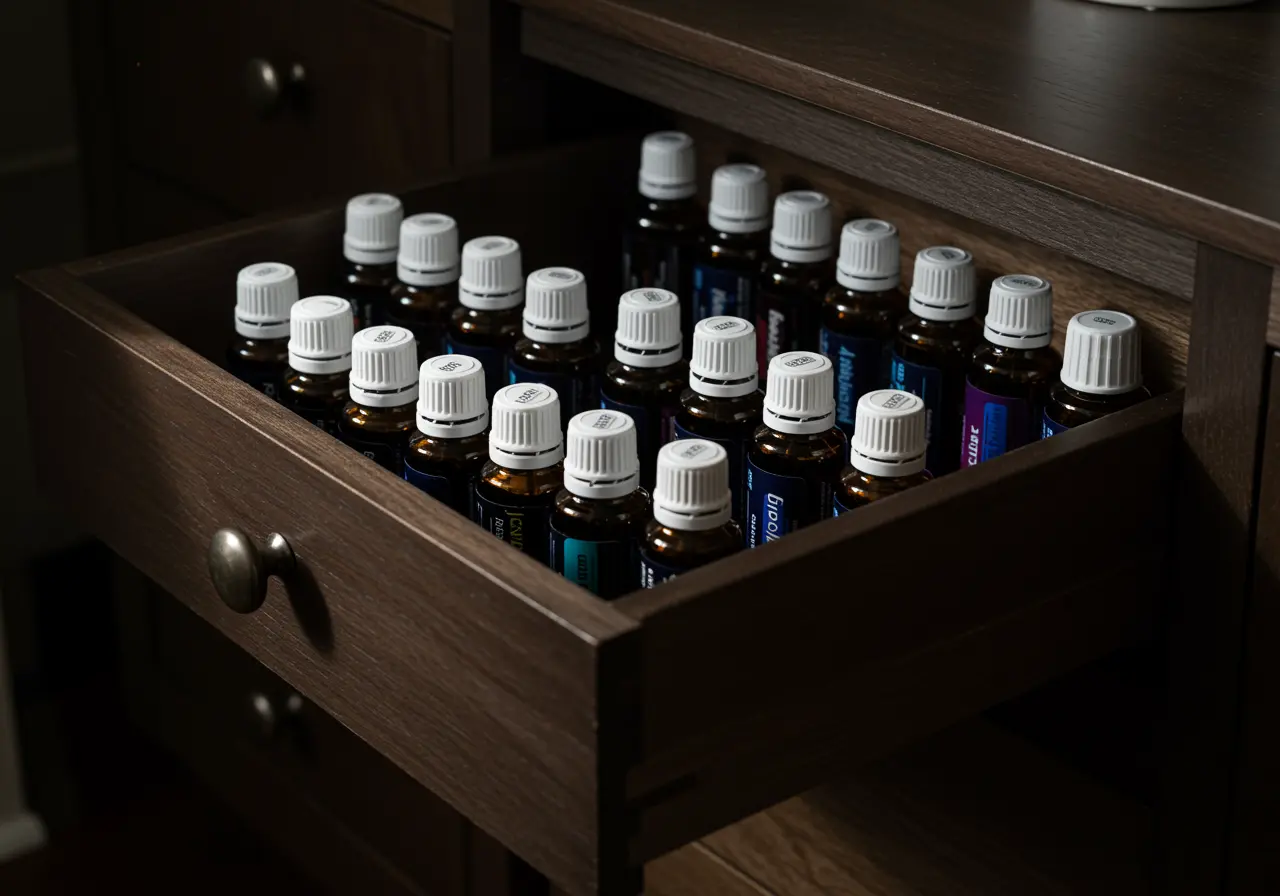
Essential oils last longer when their bottles are protected from the things that slowly wear them down: too much light, too much heat, too much air exposure, and careless day-to-day storage. Good storage is not complicated, but it does make a real difference to aroma quality, consistency, and how pleasant an oil still feels to use over time.
This matters for practical reasons as much as for chemistry. If a collection is stored well, the oils smell more like themselves, stay easier to work with, and are less likely to decline faster than they need to. Storage also overlaps with household safety, especially when children, pets, or frequent guests share the same space.
Quick Answer
To help essential oils last longer, store them upright, tightly closed, and away from heat, light, and frequent air exposure. A cool cupboard, dark drawer, or other stable storage spot usually works better than a warm shelf or bright windowsill. Oils also need to be stored safely around children and pets, not just neatly.
The goal is simple: protect the bottle from unnecessary stress. If you reduce light, reduce heat, keep the cap secure, and avoid leaving bottles open longer than needed, the oil generally stays more stable and pleasant for longer. Storage is one of the easiest ways to protect both quality and safety at the same time.
Why Storage Matters More Than People Think
Essential oils are concentrated aromatic materials, which means their smell and behavior are affected by the environment around them. Even when the bottle looks fine from the outside, repeated exposure to warmth, light, and oxygen can gradually change how the oil smells and how enjoyable it feels to use.
This does not mean a bottle is ruined the moment it sits in a brighter room once or twice. The bigger issue is routine. If oils live on a sunny shelf, near a hot bathroom mirror, or with caps loosely handled over and over, the collection is under more stress than it needs to be. Better storage is often less about a dramatic rescue and more about building calmer habits around the bottles.
Light, Heat, and Air Exposure
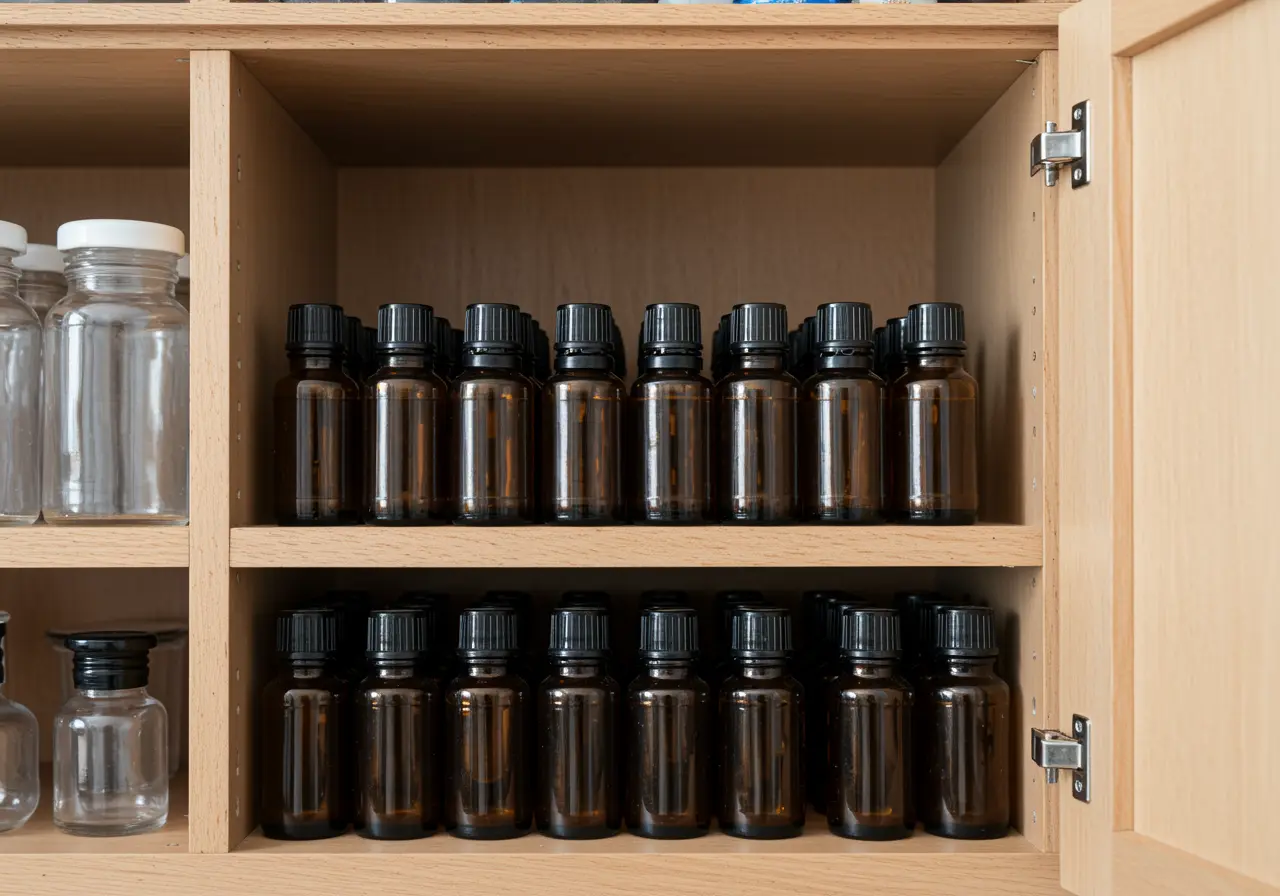
Light and heat are two of the easiest stressors to control. A bottle left in direct sun or near a regular heat source is exposed to more change than one stored in a cooler, darker cupboard. Air exposure matters too. Every time the bottle is opened, the contents meet oxygen. That is normal, but it becomes more significant when bottles are repeatedly left uncapped or handled casually.
This is one reason organized storage feels so helpful in practice. When every bottle has a place, you open it, use it, close it, and return it. That sounds simple, but it reduces a lot of unnecessary handling. It also makes it easier to notice when a bottle’s smell has shifted and it may be time to use a little more caution.
Storage Habits That Help
Keep it dark
Drawers, cupboards, and shaded shelves usually work better than bright counters or window ledges.
Keep it cool
A stable room temperature is usually better than warm bathrooms or sunny corners.
Close it well
Tight caps and quick, tidy handling reduce avoidable air exposure.
Storage Is Also a Household Safety Issue
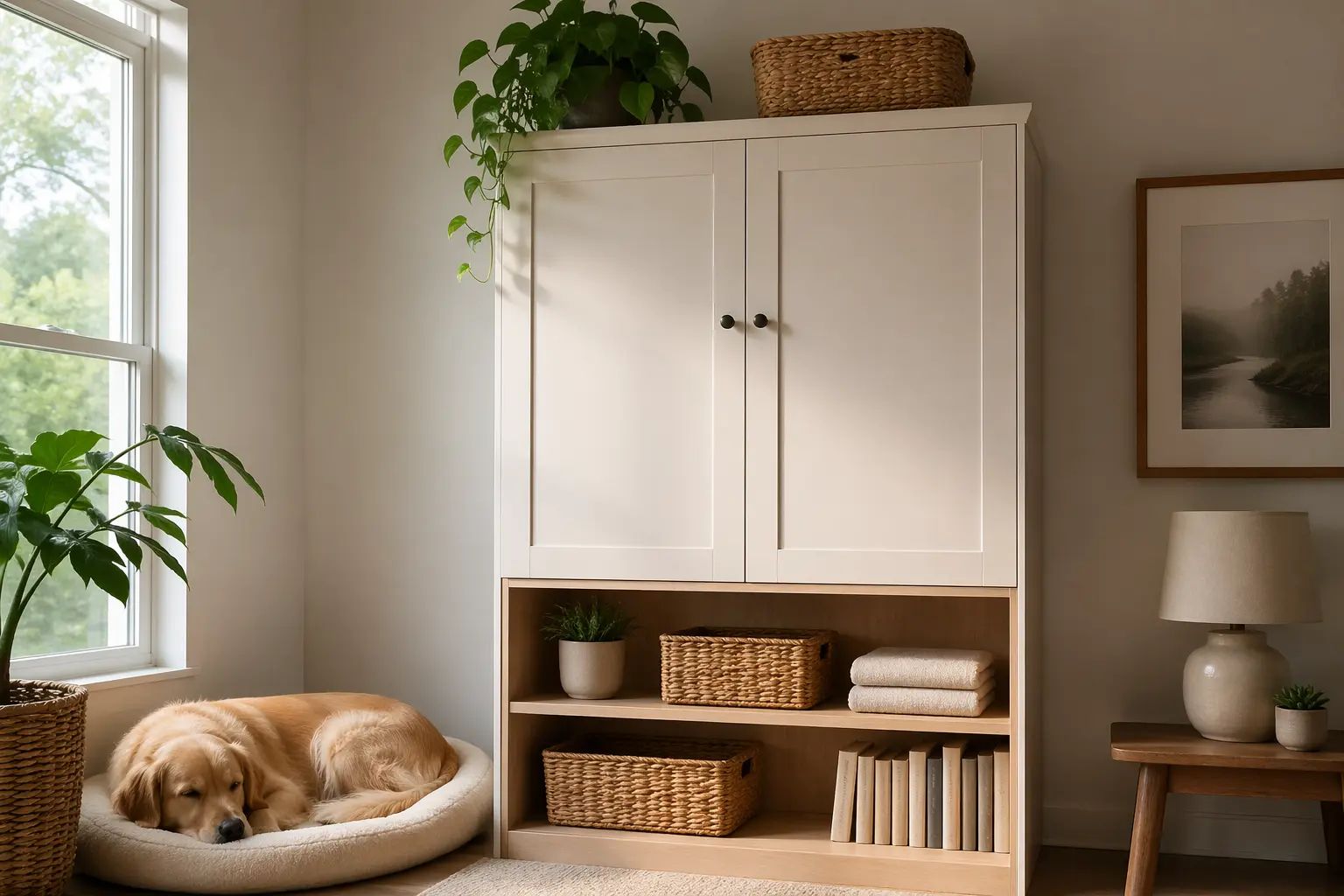
One of the best reasons to store oils thoughtfully is that the same habits that protect shelf life also protect the people and animals around them. A high shelf, cool cabinet, or dedicated drawer helps keep bottles away from children, pets, and accidental spills. Organized storage is not just neatness. It is part of the safety plan.
This is especially important in homes where oils are used often. The more normal the bottles become in daily life, the easier it is to forget that they still need to be handled intentionally. Keeping them out of the casual zone of everyday clutter helps preserve that awareness.
When an Oil Starts to Feel Different
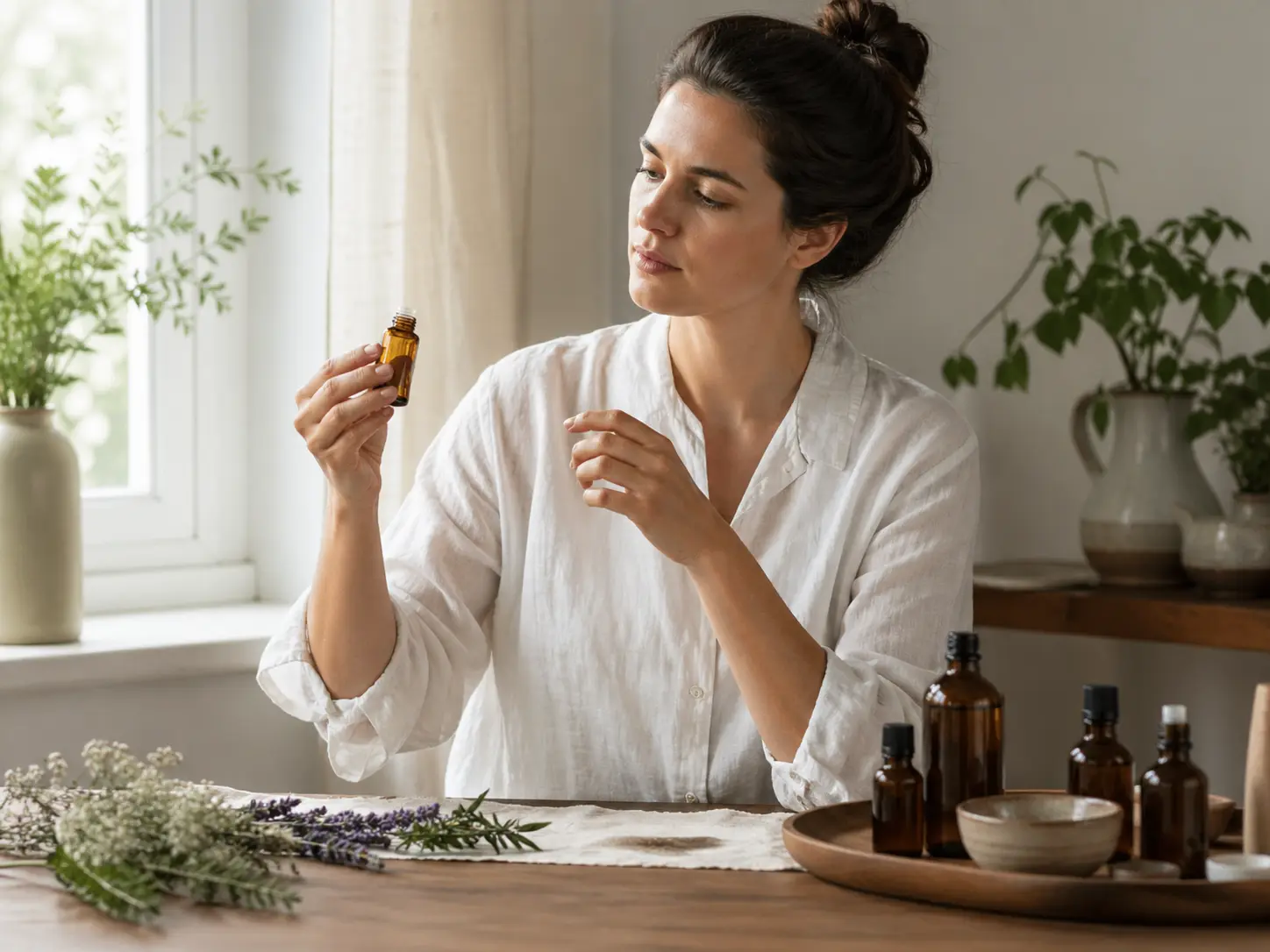
Sometimes a bottle still exists in the collection, but it no longer smells as balanced or fresh as it once did. That does not always mean something dramatic happened, but it is worth paying attention. A changed aroma can be the sign that time, storage conditions, and oxidation have gradually shifted the oil.
If you want to understand that side more deeply, the next useful step is the science article on why oxidized essential oils smell and behave differently. Storage and oxidation are closely related, even when the changes happen slowly.
Storage reminder: Good storage is part of safety, not just shelf life. Darker, cooler, better-organized bottles are easier to manage and usually stay more stable over time.
Safety
How to Tell When an Essential Oil No Longer Smells Right
A plain-English safety article on how to notice when an essential oil smells noticeably off, what may have changed, and why that matters in real home use.

Safety
How to Use Essential Oils More Carefully Around Sensitive Guests
A practical guide to using essential oils more thoughtfully when visitors, family members, or overnight guests may be more sensitive to scent than you are.
Safety
Pregnancy and Smell Sensitivity: Why Scent Routines Often Need to Change
A practical, low-drama guide to why scent tolerance often shifts during pregnancy and how to simplify essential-oil routines when smells become too intense, nauseating, or unpredictable.
Safety
Why Some People Suddenly Stop Tolerating a Favorite Oil
A practical guide to why a once-loved essential oil can suddenly start feeling wrong, including oxidation, routine overload, hormonal shifts, room context, and the difference between quality and tolerability.
Further Reading and Sources
These related pages help extend storage habits into broader safety and quality topics.