
How to Build a Small Essential Oil Collection That Actually Gets Used
Beginner Basics
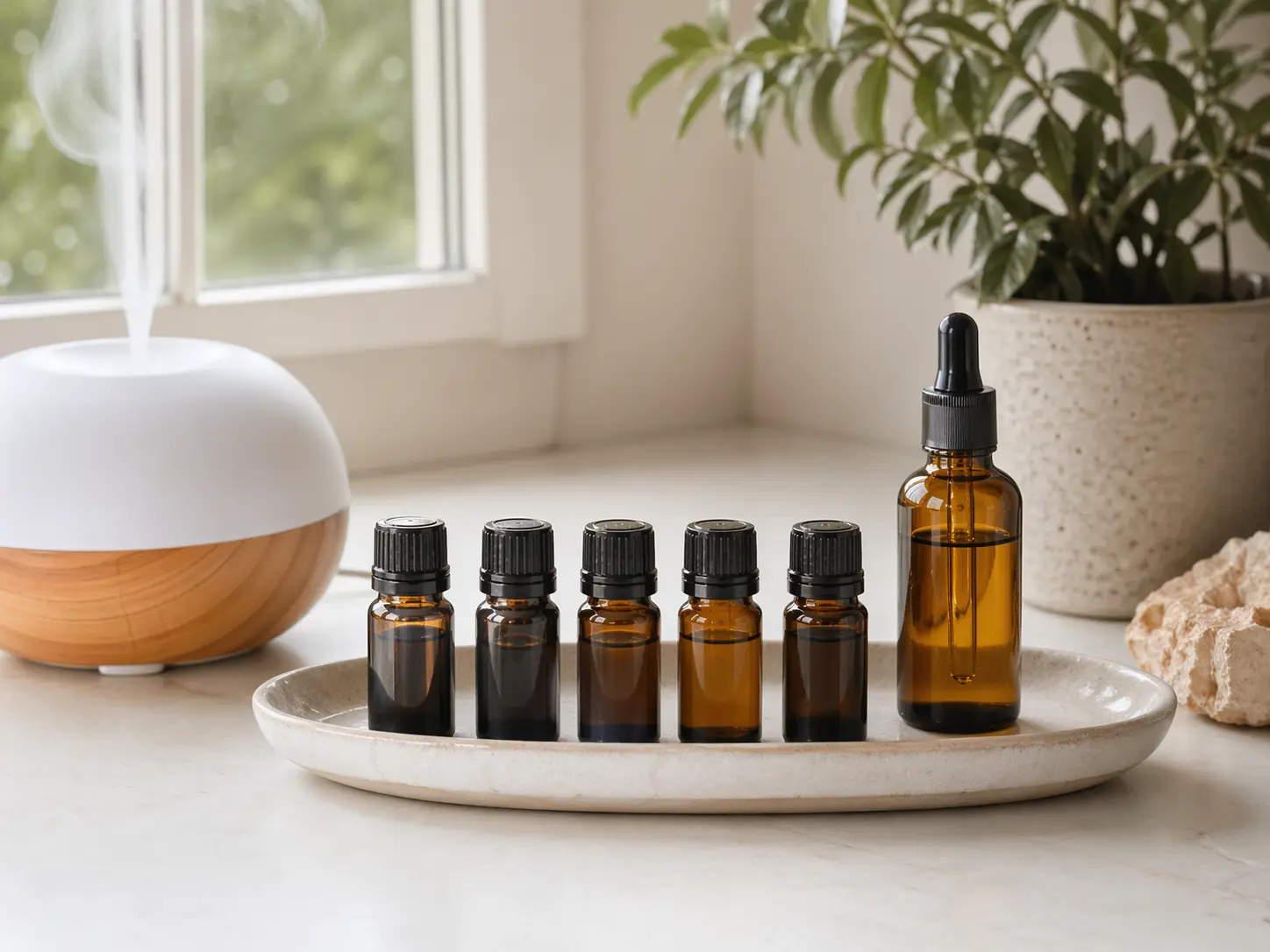
A small essential oil collection is often more useful than a large one. The bottles that actually get used are usually the ones that suit real rooms, real moods, and real habits, not the ones collected out of curiosity alone. If your goal is a collection that supports everyday life, smaller and more intentional almost always wins.
This guide is for anyone who wants to avoid overbuying, reduce clutter, and build a set of oils that genuinely earns its shelf space. Instead of chasing twenty “must have” oils, we will focus on a compact collection that covers freshness, calm, focus, comfort, and simple home use.
Quick Answer
A small essential oil collection works best when every bottle has a job. Instead of buying by category alone, choose oils that support routines you already have: one for freshness, one for calm evenings, one for focus, one for cozy grounding, and one or two flexible all-rounders.
For many beginners, a realistic starter group might include a bright citrus, a soft floral, an herbal focus oil, a woody anchor, and a clean practical oil. That is enough to create diffuser blends, room atmosphere, and a few simple DIY directions without turning the shelf into a storage problem.
Why Small Collections Work Better
A large collection can look exciting at first, but it often becomes harder to use well. Too many choices slow down simple routines, make substitutions confusing, and increase the chance that older bottles sit untouched. A smaller collection creates familiarity. You learn how your oils behave, what they pair well with, and which ones truly fit your home.
That familiarity is what makes a collection practical. When you know which oil helps a room feel fresh, which one softens an evening blend, and which one works for focus, you stop browsing the shelf and start actually using it.
The Five Roles Worth Covering First
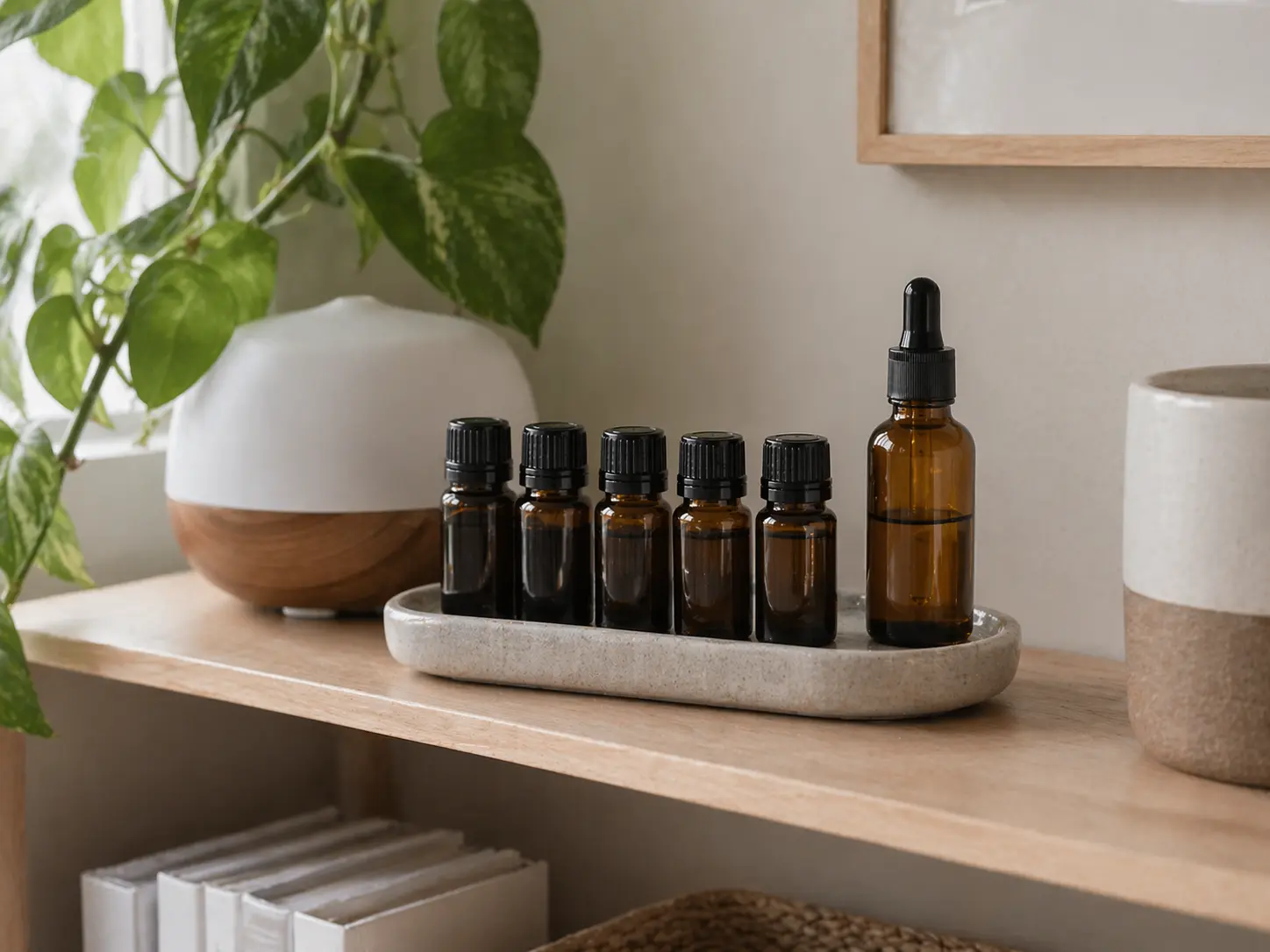
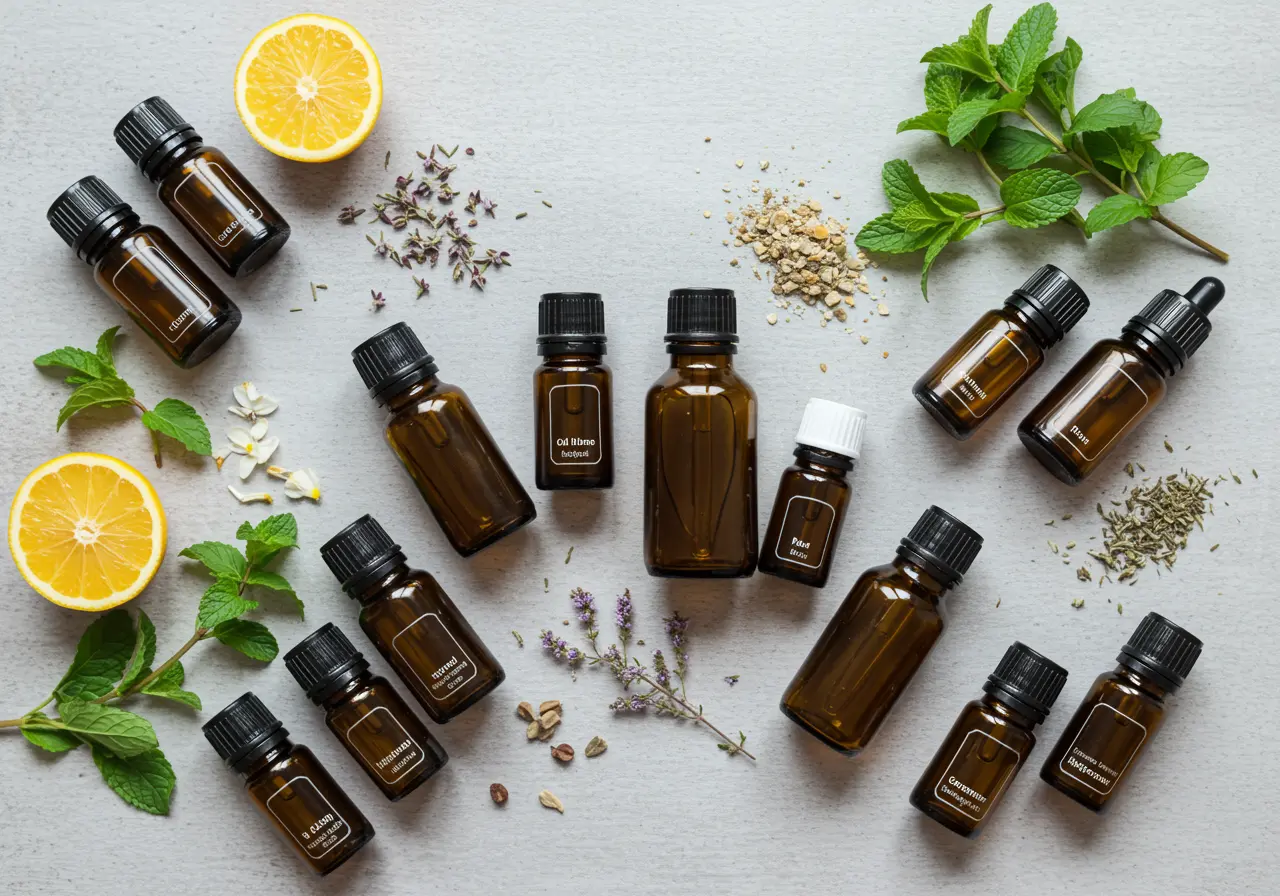
Most beginner collections benefit from covering five simple roles. First, a bright freshener such as sweet orange, lemon, or bergamot. Second, a calm softener such as lavender. Third, a focus-sharpening note such as rosemary or spearmint. Fourth, a grounding wood or resin such as cedarwood atlas or frankincense. Fifth, a clean practical oil such as tea tree.
Those roles cover more real life than many people expect. They give you brightness, softness, clarity, grounding, and practical freshness, which is enough for many room blends, starter routines, and simple projects.
A Practical Six-Oil Starter Example
Sweet orange
Easy brightness for morning, fresh home, and cheerful diffuser blends.
Lavender
Flexible calm support for evening rooms, linens, and softer blends.
Rosemary
Clean, herbal focus for study, work, and fresh kitchen-style blends.
Cedarwood atlas
Dry grounding depth for home atmosphere and gentle evening structure.
Tea tree
Practical clean-home support and fresh functional blends.
Bergamot
A more refined citrus option if you want elegance as well as brightness.
Choose for Routines You Already Have
The easiest way to avoid waste is to choose oils that match routines you already do. If you diffuse while working, include a focus-friendly oil. If you love evening wind-downs, make sure your collection includes one or two softer oils. If you care more about fresh home atmosphere than perfume experiments, let the collection lean practical.
This approach also helps with future buying decisions. Instead of asking “What oil should I add next?” ask “What routine am I missing?” That question usually leads to a better shelf than buying by trend.
How to Avoid Overbuying
One of the simplest ways to avoid overcollecting is to delay specialty oils until you actually need them. A spice note, a rare floral, or a deeper resin might become useful later, but they do not need to be part of the first six. Learn the collection you already have before expanding it.
It also helps to understand substitution. If two oils serve almost the same role in your current life, you may not need both yet. That is why substitution logic pairs so well with collection building.
Practical buying rule: Do not buy an oil just because it sounds useful in theory. Buy it when you can already name the room, routine, or blend role it will realistically support.
Beginner Basics
50 Simple Ways to Use Essential Oils in Everyday Life
A practical, easy-to-scan collection of 50 beginner-friendly essential oil ideas for home routines, textiles, mood, gentle DIY, and everyday atmosphere.
Beginner Basics
How to Substitute Essential Oils in Recipes and Blends
Learn how to swap essential oils more intelligently by comparing aroma family, strength, mood, and safety instead of guessing by common name alone.
Beginner Basics
Passive Diffusers for Small Spaces: When They Make More Sense Than a Full Diffuser
A plain-English guide to when passive diffusers make more sense than a full electric diffuser in bedrooms, desks, entryways, and other small spaces.
Beginner Basics
Easy Essential Oil Habits That Are Realistic for Beginners
A plain-English beginner guide to a few easy essential oil habits that are actually sustainable, useful, and simple to keep up in real life.
Further Reading and Sources
These related pages help turn a starter collection into a genuinely useful one.