
How to Make a Simple Essential Oil Room Spray
DIY
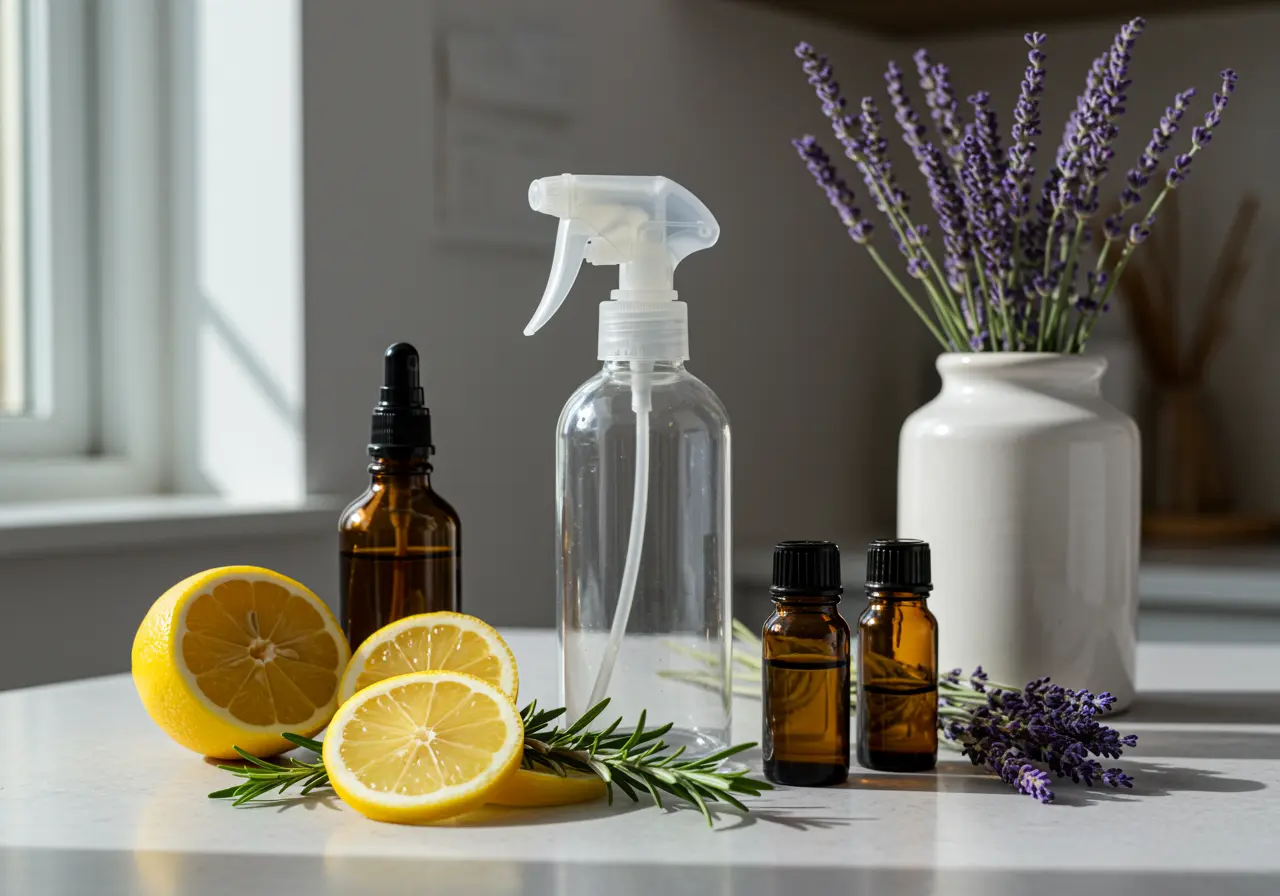
A simple essential oil room spray is one of the most useful beginner DIY projects because it is practical, quick to make, and easy to adapt to different rooms. The trick is not making it stronger. The trick is making it smell balanced, suit the space, and stay pleasant instead of becoming too sweet, too sharp, or too heavy in the air.
This guide covers the basic logic behind a room spray, what it should include, what to avoid, and which scent directions work especially well. If you want a room to feel fresher, calmer, cleaner, or more guest-ready, a good spray should support that mood without trying to replace the whole cleaning or styling routine.
Quick Answer
A simple room spray should be clear in purpose and light in use. Start with a practical bottle, a room-friendly scent idea, and a modest amount of essential oil. Crisp citrus-herbal blends suit kitchens and entryways, softer floral-calm blends suit bedrooms, and refined citrus-wood blends often work best in living areas.
The best room sprays are not overly complex. A few well-chosen oils usually smell more polished than a long formula. Label the bottle, test the aroma in the real room, and remember that room spray supports atmosphere rather than replacing good ventilation, tidy surfaces, or a clean-home routine.
What Makes a Good Room Spray?
A good room spray smells intentional, not accidental. It should fit the room and the time of day. A kitchen or entryway often wants freshness and movement. A bedroom usually wants something quieter. A living room often suits a more refined and livable profile, especially when other people share the space.
That is why the most useful room sprays usually start with one mood rather than one “hero oil.” Instead of asking which oil to use, ask what the room should feel like: bright, calm, guest-ready, fresh after cleaning, or softly settled in the evening.
Which Scent Profiles Work Best?
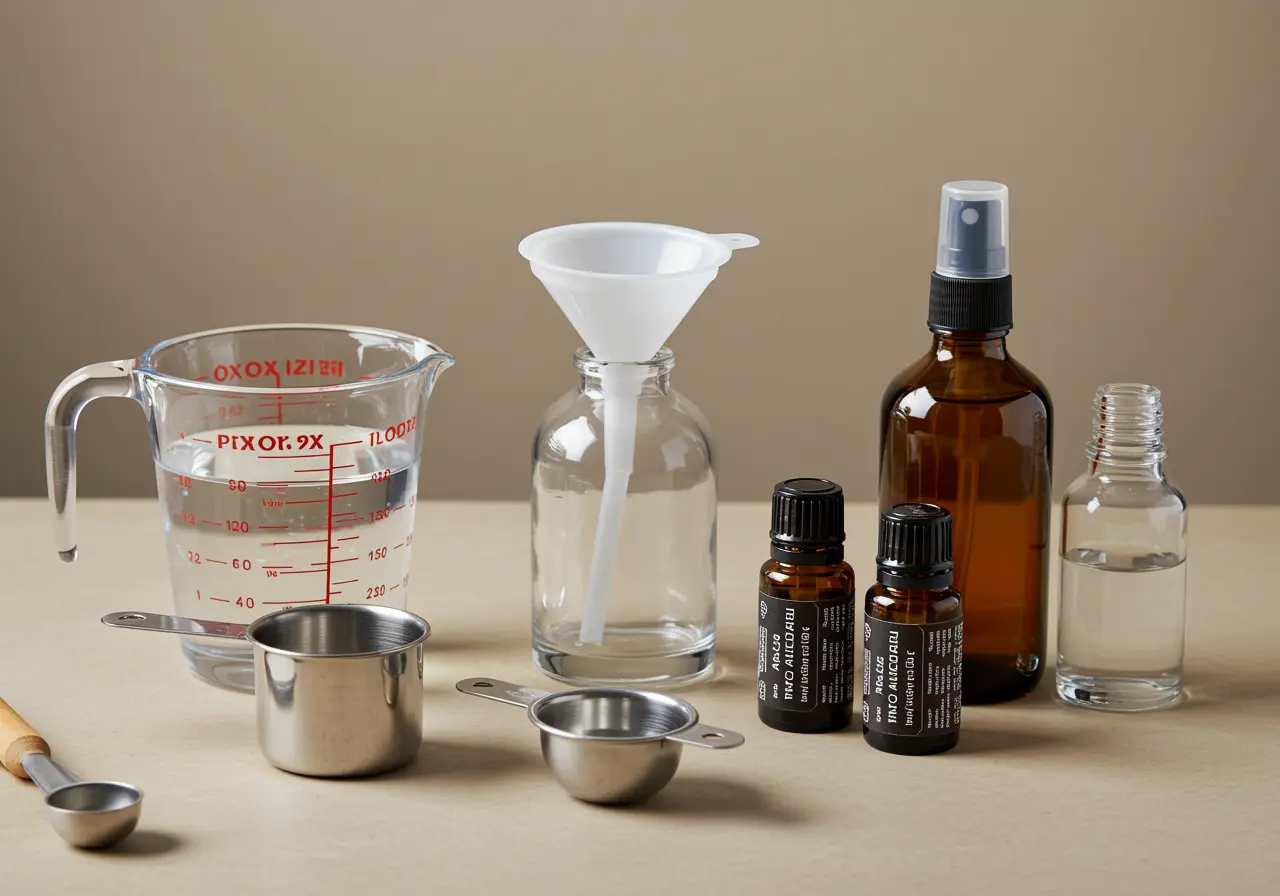
Some room spray profiles are naturally easier to use than others. Citrus-herbal combinations such as lemon with rosemary or lime with tea tree tend to feel bright and practical. Soft floral blends such as lavender with geranium can feel calmer and more bedroom-friendly.
For shared spaces, refined citrus-wood directions often feel the most polished. Bergamot, cedarwood atlas, and petitgrain can work especially well when you want a room to feel elegant without smelling sugary or loud.
Easy Room Spray Directions
Clean and bright
Lemon, rosemary, and eucalyptus radiata.
Soft and calm
Lavender with roman chamomile or red mandarin.
Refined living room
Bergamot, petitgrain, and cedarwood atlas.
Keep the Formula Simple
A room spray usually smells better when the formula is shorter. Two to four oils often create a cleaner result than a long list of ingredients. Simplicity also makes it easier to adjust the next version if the room needs more freshness, less sweetness, or a quieter finish.
Complex blends can sound exciting on paper but feel muddled in the room. If the goal is a home spray you will actually keep using, clarity matters more than novelty.
What Not to Do with a Room Spray
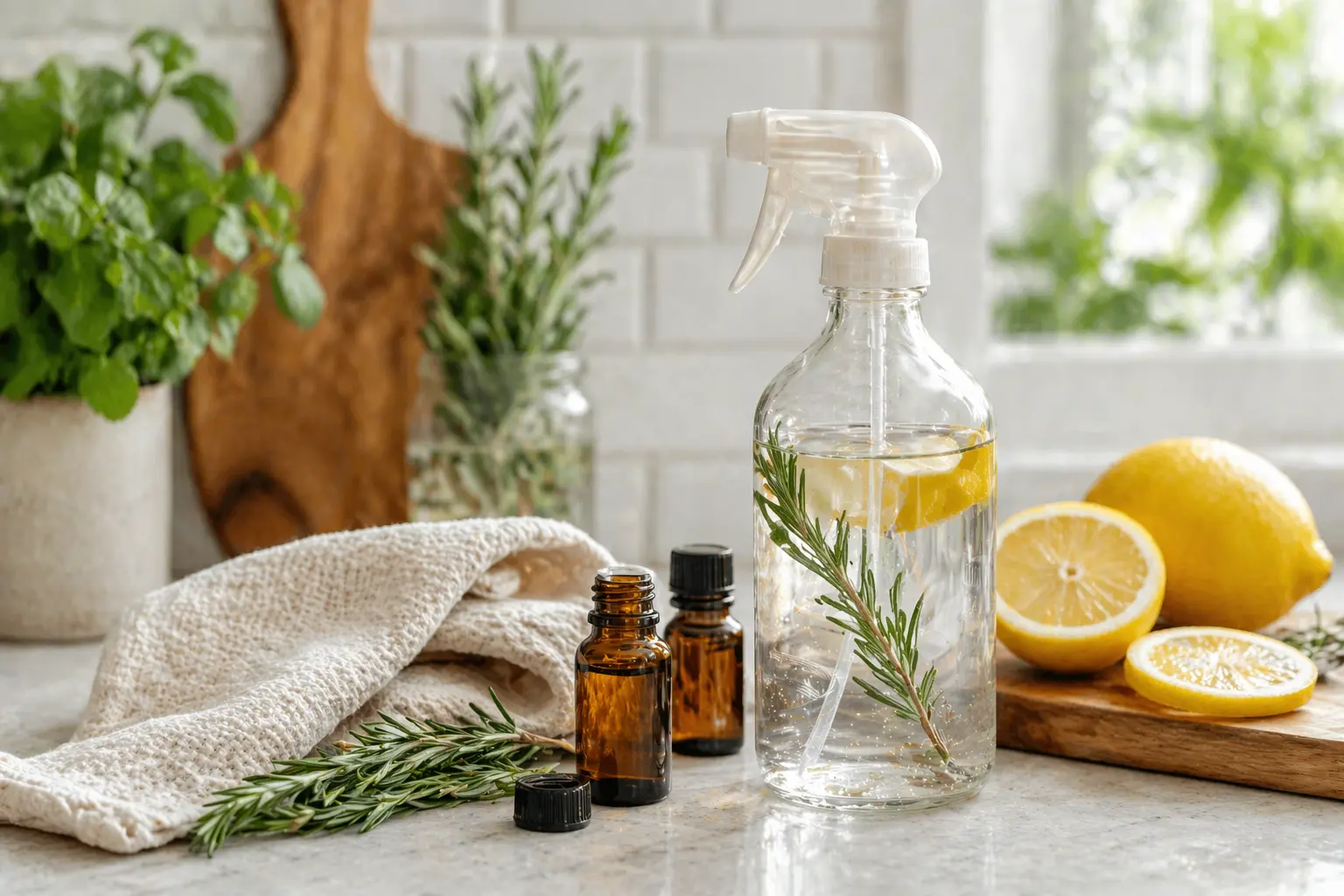
A room spray should not become a stand-in for cleaning, airflow, or good storage habits. It also should not be sprayed so heavily that the room feels dense or perfumed for too long. Small spaces, fabrics, pets, children, and scent-sensitive people all call for more restraint.
It is also worth being careful with where and how the spray lands. Curtains, cushions, bedding, and delicate surfaces all behave differently. If the room spray has a textile role as well, it is better to think gently and test first than to saturate everything at once.
Practical reminder: A room spray should complement the room, not fight it. Good ventilation, fresh textiles, and a tidy surface often matter more than increasing the number of drops in the bottle.
How to Make It More Personal
Once you understand the room and the mood, a room spray becomes easy to personalize. A daytime home-office spray may lean clearer and fresher. A guest-room spray may feel softer and linen-like. A living-room spray may need to smell refined but not too floral.
If you want a related next step, it often helps to pair room spray thinking with room-by-room diffuser logic so the spray and diffuser do not compete with each other.
DIY
How to Make a Closet and Drawer Freshener with Essential Oils
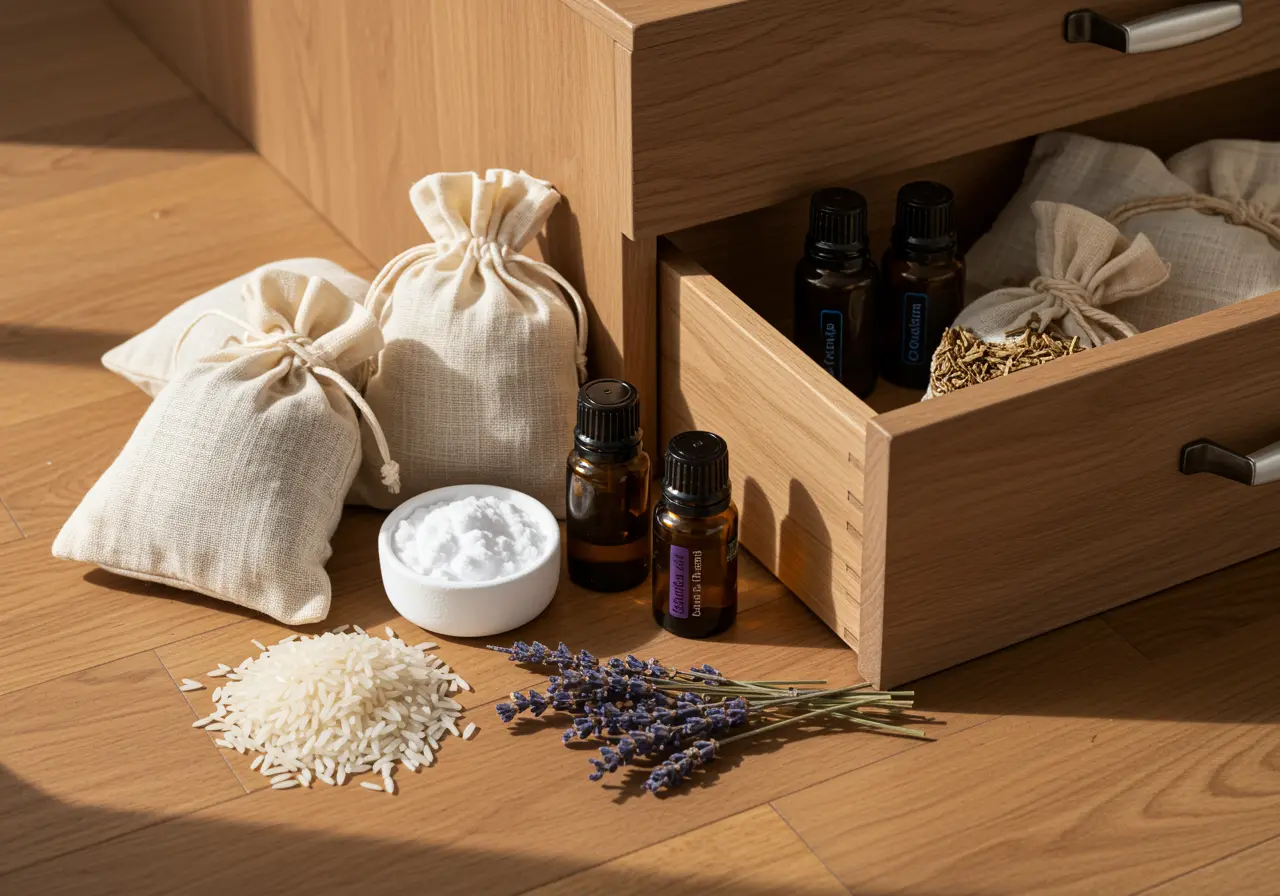
Make simple scent sachets and drawer fresheners with essential oils using a clean, fabric-friendly approach that keeps closets and storage spaces smelling soft and fresh.
DIY
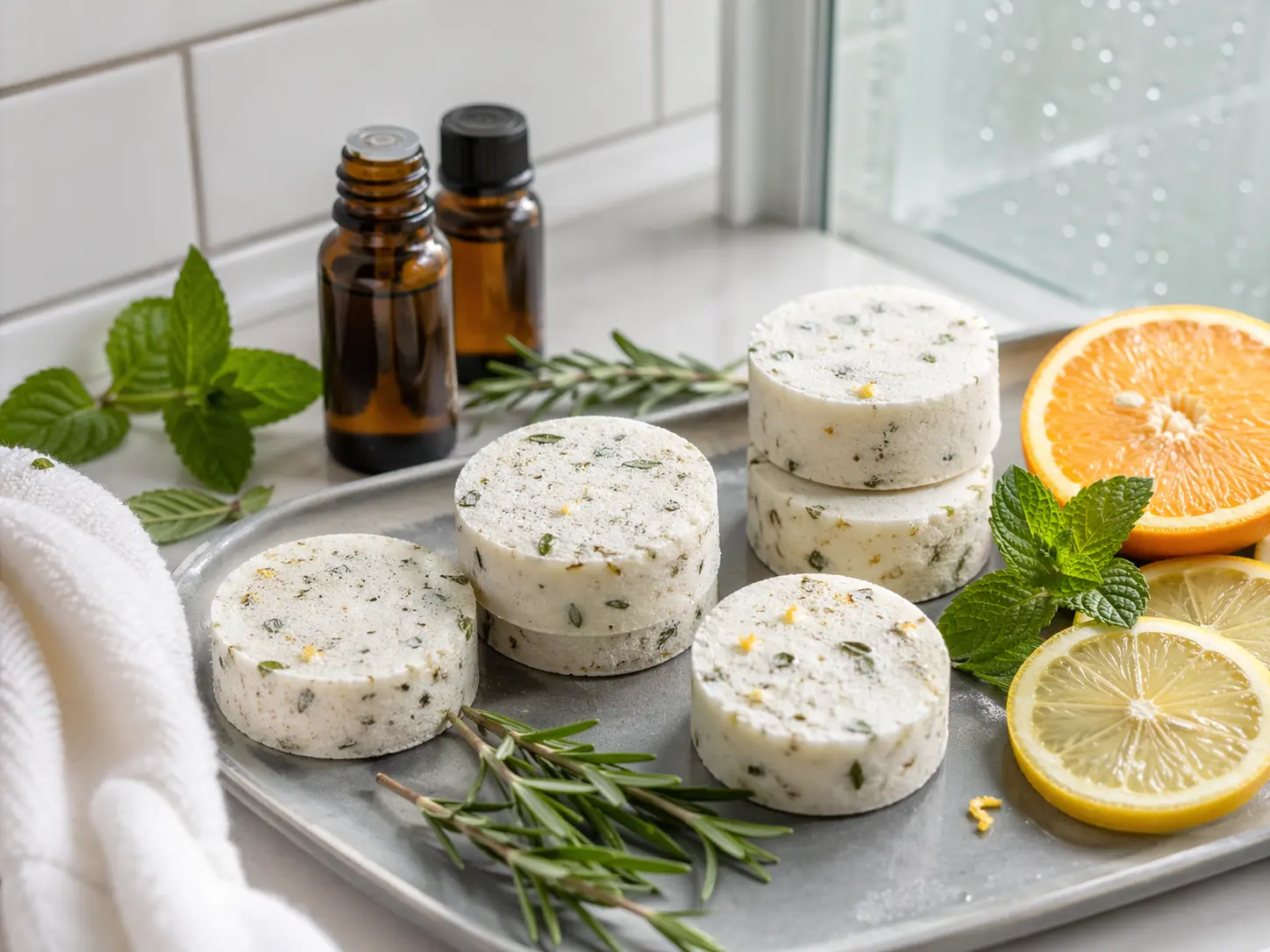
How to Make Shower Steamers with Essential Oils
A safety-first guide to making simple shower steamers with essential oils, including scent directions for morning and evening versions and the most common beginner mistakes.
Further Reading and Sources
These related pages help turn a simple room spray into part of a bigger home routine.