
How to Use Essential Oils in Natural Cleaning Routines
Cleaning
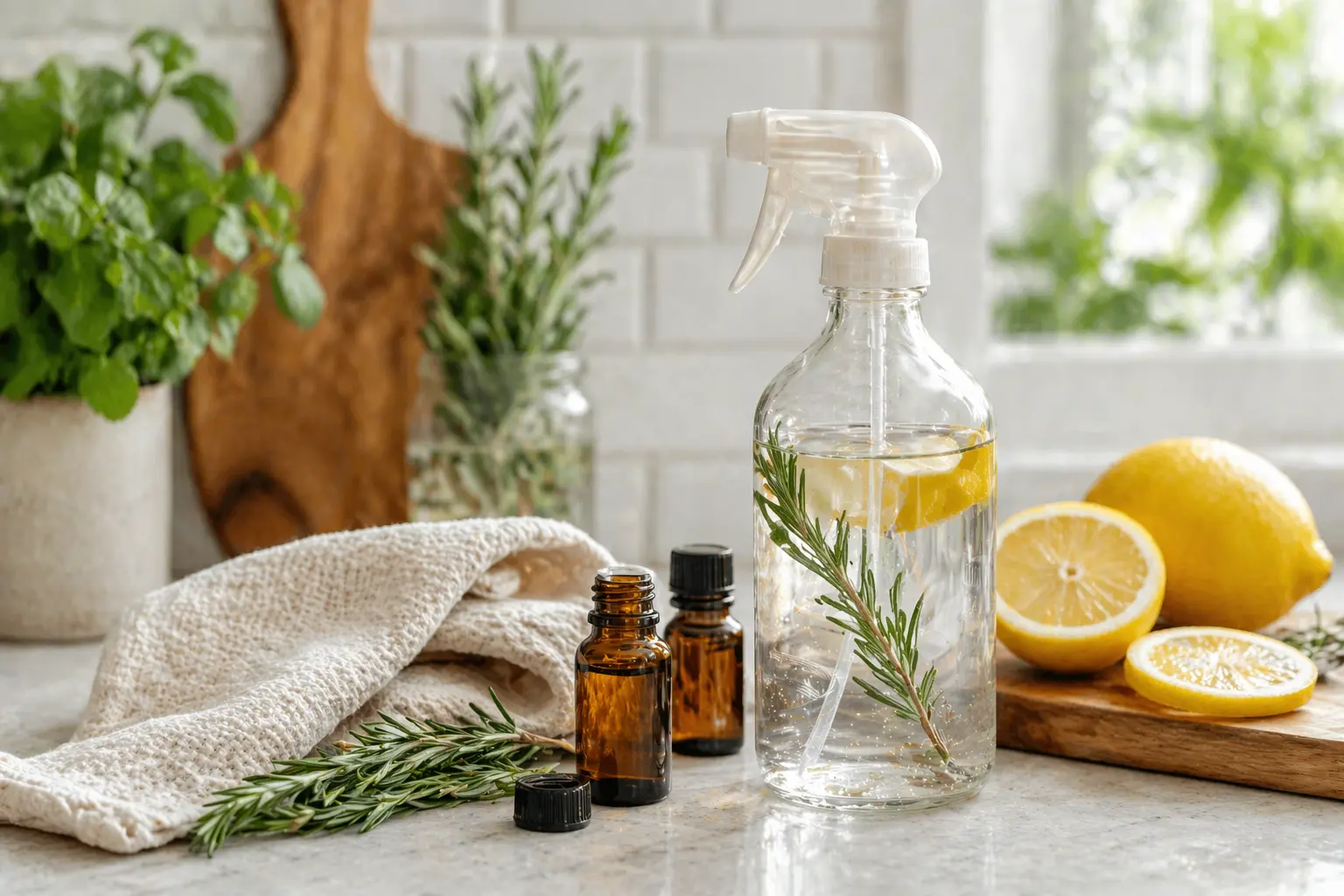
Essential oils can add a clean, pleasant aromatic layer to home cleaning routines, but they work best when they are treated as part of a practical system rather than as the whole cleaning strategy. Good cleaning still starts with the right surface care, correct dilution, ventilation, and realistic expectations.
This guide looks at how to use essential oils in natural cleaning routines more thoughtfully, including how to choose cleaner-feeling aromas, when to keep formulas simple, and how to stay safety-first in homes with children or pets.
Quick Answer
Essential oils are most helpful in cleaning routines when you use them for aroma and atmosphere rather than expecting them to replace basic cleaning logic. A few carefully chosen oils in a simple spray, mop-water routine, or post-clean reset can make a space feel fresher, but the formula still needs good labeling, moderate amounts, and ventilation.
For many homes, it is smarter to keep the aromatic side simple. Citrus oils, tea tree, rosemary, or lemongrass often work well in small amounts, depending on the room and the people or animals sharing it.
Think Aroma Support, Not Magic Cleaning
One of the easiest ways to use essential oils well in home care is to stop expecting them to do everything. A practical cleaning routine still depends on soap, water, surface-appropriate products, mechanical cleaning, rinsing when needed, and common-sense hygiene. Essential oils can make that routine smell fresh and feel more enjoyable, but they should not be treated like a shortcut around the basics.
This is especially helpful if you are cleaning kitchens, bathrooms, or shared living areas. The oils can support the mood of the routine without turning the whole method into a complicated “recipe project.” In many homes, the best aromatic cleaning habit is simply a lightly scented spray for final wipe-downs or an after-clean diffuser blend once the room is already tidy.
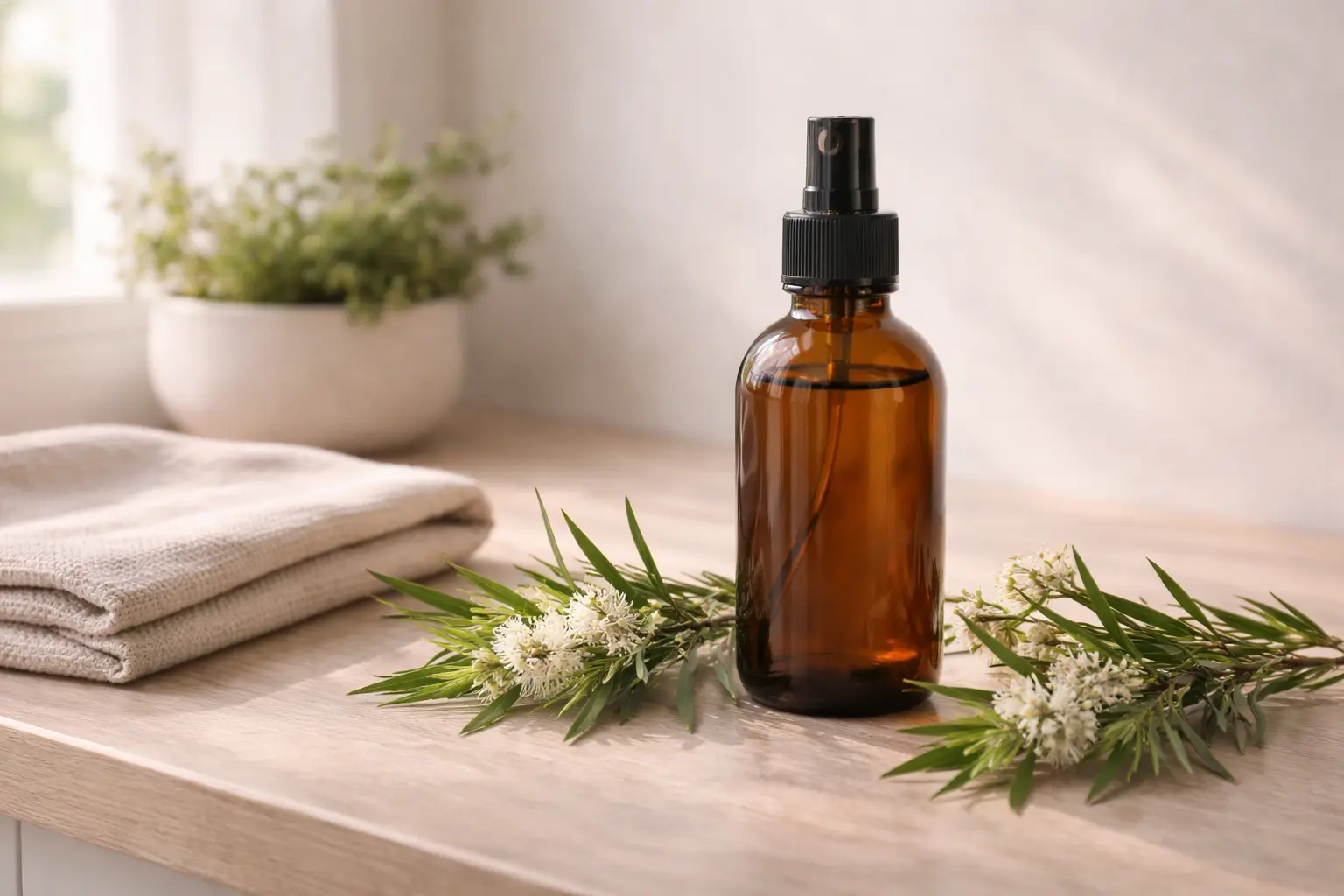
Which Oils Fit Cleaning Routines Best?
For many people, the most useful cleaning-style aromas are crisp citrus oils such as lemon, lime, or sweet orange, along with greener or sharper oils such as rosemary, tea tree, and lemongrass.
The choice depends on the room. Citrus is often ideal when you want brightness and instant freshness. Herbal oils can feel more grounded and kitchen-friendly. Tea tree can feel crisp and practical. Lemongrass often gives a bright “just cleaned” impression, but it is also strong, so lighter use is usually better.
Easy Cleaning Aroma Pairings
Whole-home reset
Sweet orange with lemongrass can feel cheerful and clean without being too sharp.
Keep the Formula Simple
Natural cleaning routines often work best when the aromatic formula is simple. Three to five oils are usually more than enough, and in many cases two are better. Small blends are easier to repeat, easier to label, and easier to adjust if a room feels too strong.
This also matters if you live with children, pets, or scent-sensitive adults. Stronger formulas can make a freshly cleaned room feel overwhelming instead of comfortable. If you are not sure how a blend will land in a room, start low and let the rest of the cleaning routine carry the result.
Sprays, Buckets, and Post-Clean Atmosphere
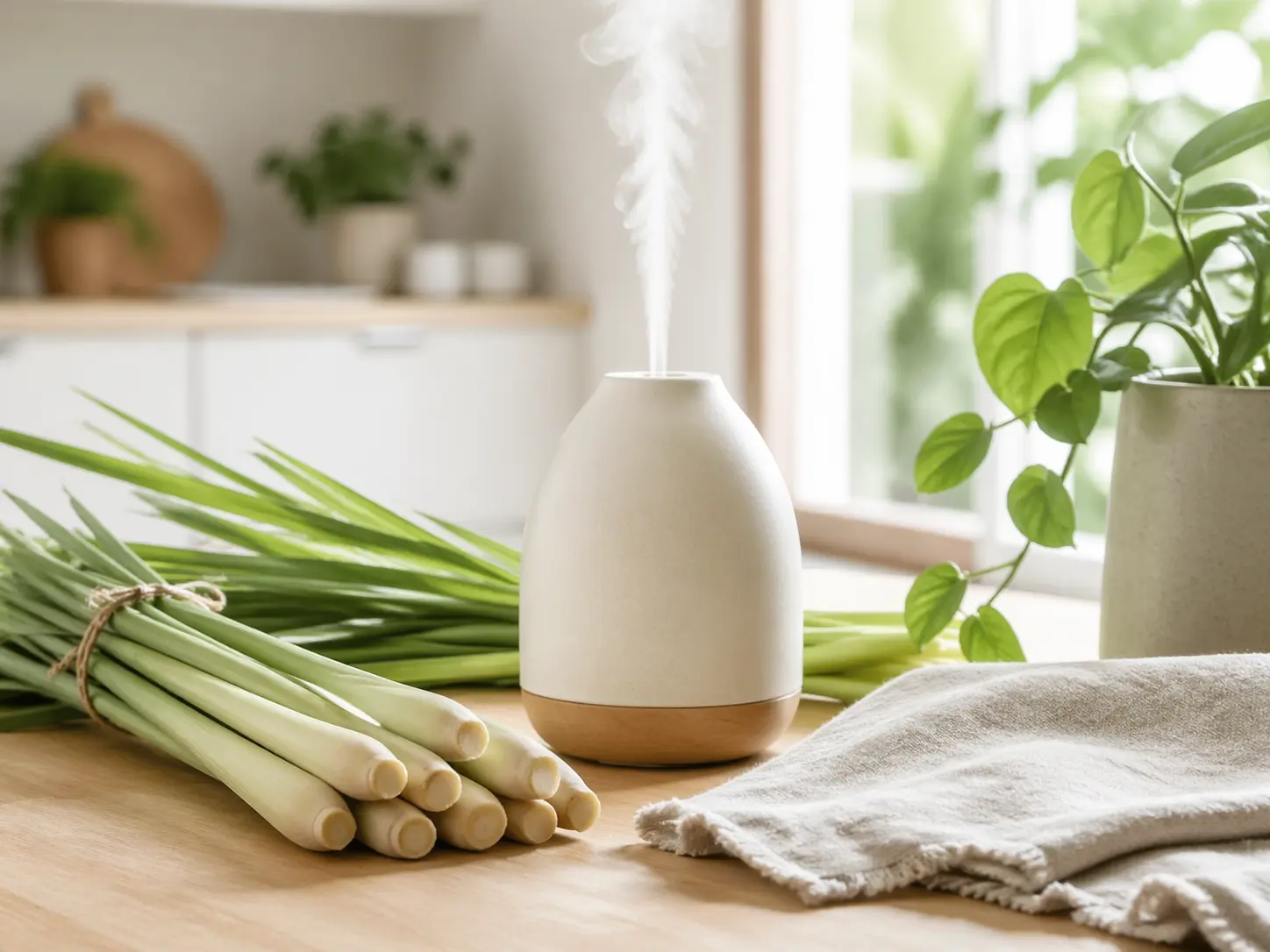
There are three common ways people bring essential oils into cleaning routines. The first is a simple spray for counters, handles, or final wipe-downs. The second is using a few drops in a larger floor or mop routine where appropriate. The third is not a cleaning product at all, but a post-clean atmosphere step, such as a short diffuser session after the room is already tidy.
The last option is often underrated. If your main goal is “this room should feel cleaner,” a short, ventilated diffuser blend may serve the mood better than loading a surface spray with more oil than it really needs.
Surface caution: Essential oils are not suitable for every material. Test carefully on delicate surfaces, finished wood, stone, painted areas, and specialty materials before treating oils as routine additions.
Safety Around Pets and Children
Cleaning often happens in shared spaces, which means the aromatic side of the routine also affects everyone else in the home. If you live with pets or young children, choose lighter formulas, keep windows open when practical, avoid trapping strong aromas in small rooms, and store oils well after use. Strong citrus-herbal blends may feel pleasant to one adult and still be too much in a pet household.
If animals are part of the home, it helps to read this topic alongside Essential Oils and Pets: A Safety-First Home Guide. And if you want a whole-home aroma after cleaning, Diffuser Blends for a Fresh Home can be a better fit than turning every cleaner into a perfume project.
Cleaning
Essential Oils for a Fresh-Smelling Bathroom
A practical guide to creating a bathroom that smells fresh, clean, and spa-like with lighter diffuser habits, cleaning-friendly blends, and restrained aromatic finishing touches.
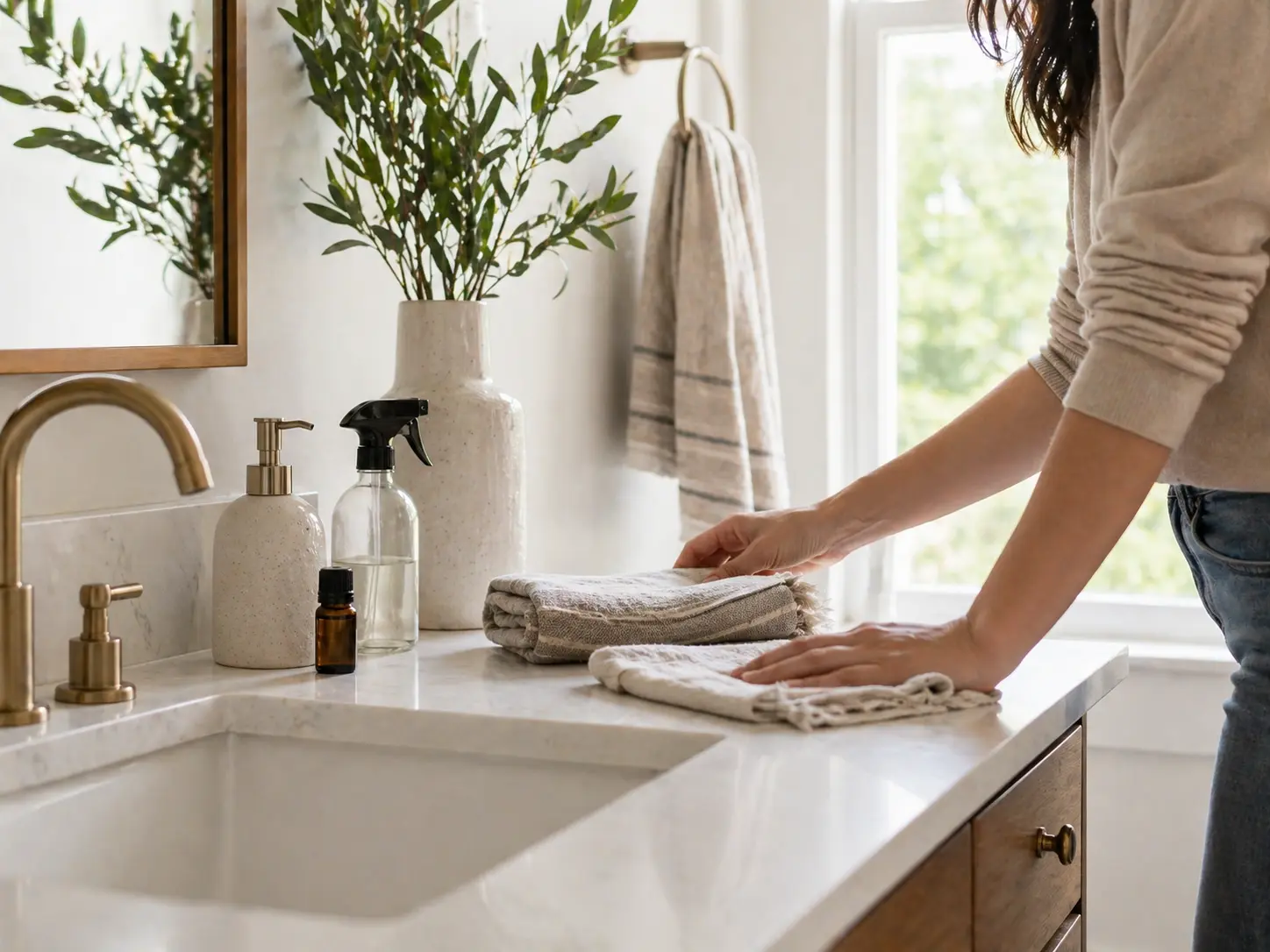
Cleaning
Quick Bathroom Reset Before Guests
A fast, safety-first bathroom refresh routine for guest-ready moments, using clean towels, airflow, and light essential oil finishing touches.
Cleaning
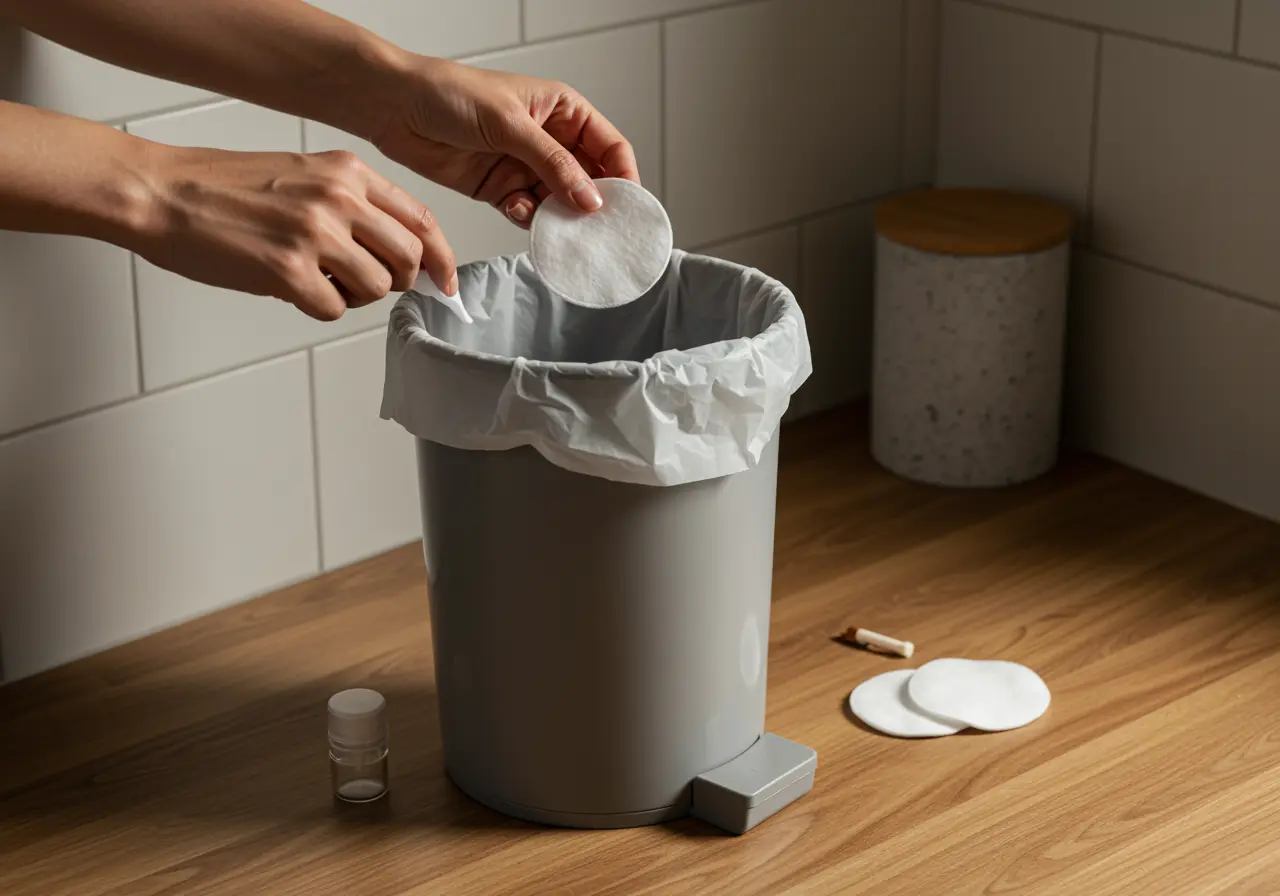
Small Home Odor Hotspots: Trash Can, Sink, Vacuum, and Entryway
A practical guide to the small odor hotspots that change how a home feels, with simple essential-oil-friendly routines for trash cans, sinks, vacuums, and entryways.
Cleaning
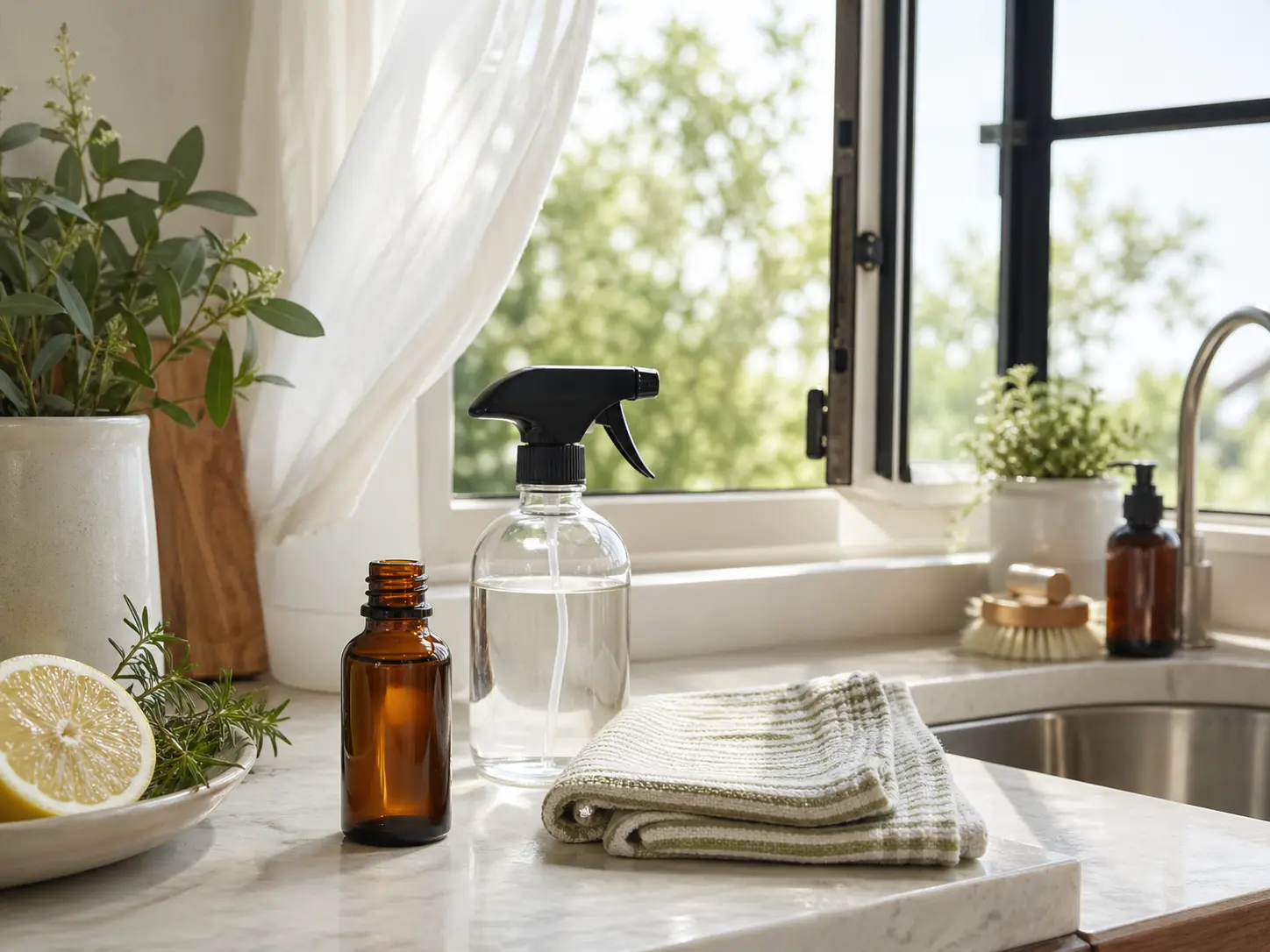
Natural Antimicrobial Claims: What They Actually Mean in Real Home Use
A practical, evidence-aware guide to what “natural antimicrobial” really means around the home, and why lab activity, safer cleaning, and real household hygiene are not all the same thing.
Further Reading and Sources
If you want to keep your cleaning routines simple and connected to the rest of the site, start here.