
Small Home Odor Hotspots: Trash Can, Sink, Vacuum, and Entryway
Cleaning
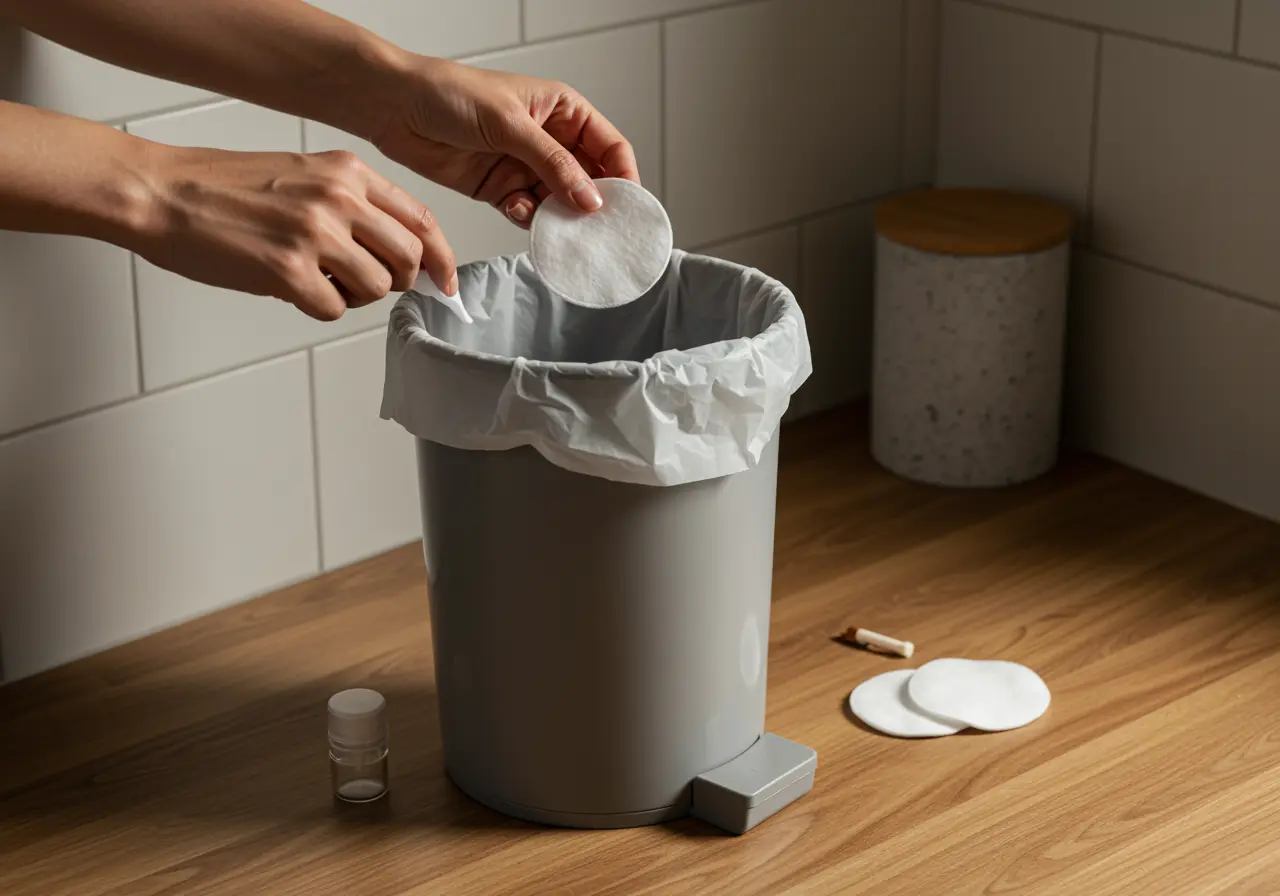
Some parts of the home change the whole atmosphere faster than others. A clean living room can still feel slightly off if the trash area, sink, vacuum, or entryway is holding onto stale odor. These are the small hotspots that quietly shape whether a home feels fresh or tired.
Essential oils can help in these spots, but mainly as finishing tools. The most useful approach is not to drown problem areas in scent. It is to reset the hotspot itself, then use a small aromatic detail to make the freshness feel more complete.
Quick Answer
Small odor hotspots such as the trash can, sink area, vacuum, and entryway often affect the whole home more than people realize. The best reset is usually practical first and aromatic second: clean the area, improve airflow, and then use a light scent detail if it truly helps. Lemon, tea tree, lime, and rosemary often work well when used with restraint.
The key is to treat each hotspot according to what it actually is. A sink is not the same as a trash can, and an entryway does not need the same scent logic as a vacuum filter. The more specific the routine, the cleaner and less forced the result usually feels.
Why Small Hotspots Matter So Much
Homes rarely feel stale because of one giant problem. More often, the mood shifts because of a few little zones that quietly hold onto odor: the bin under the sink, the drain area, the vacuum filter, the shoes and coats near the door. These are not dramatic spaces, but they influence the overall freshness of the home more than people expect.
This is why broader cleaning routines sometimes feel incomplete even after a full wipe-down. If one or two hotspots remain slightly off, the whole house can still feel less fresh than it should. A targeted reset changes that quickly.
Think Zone by Zone
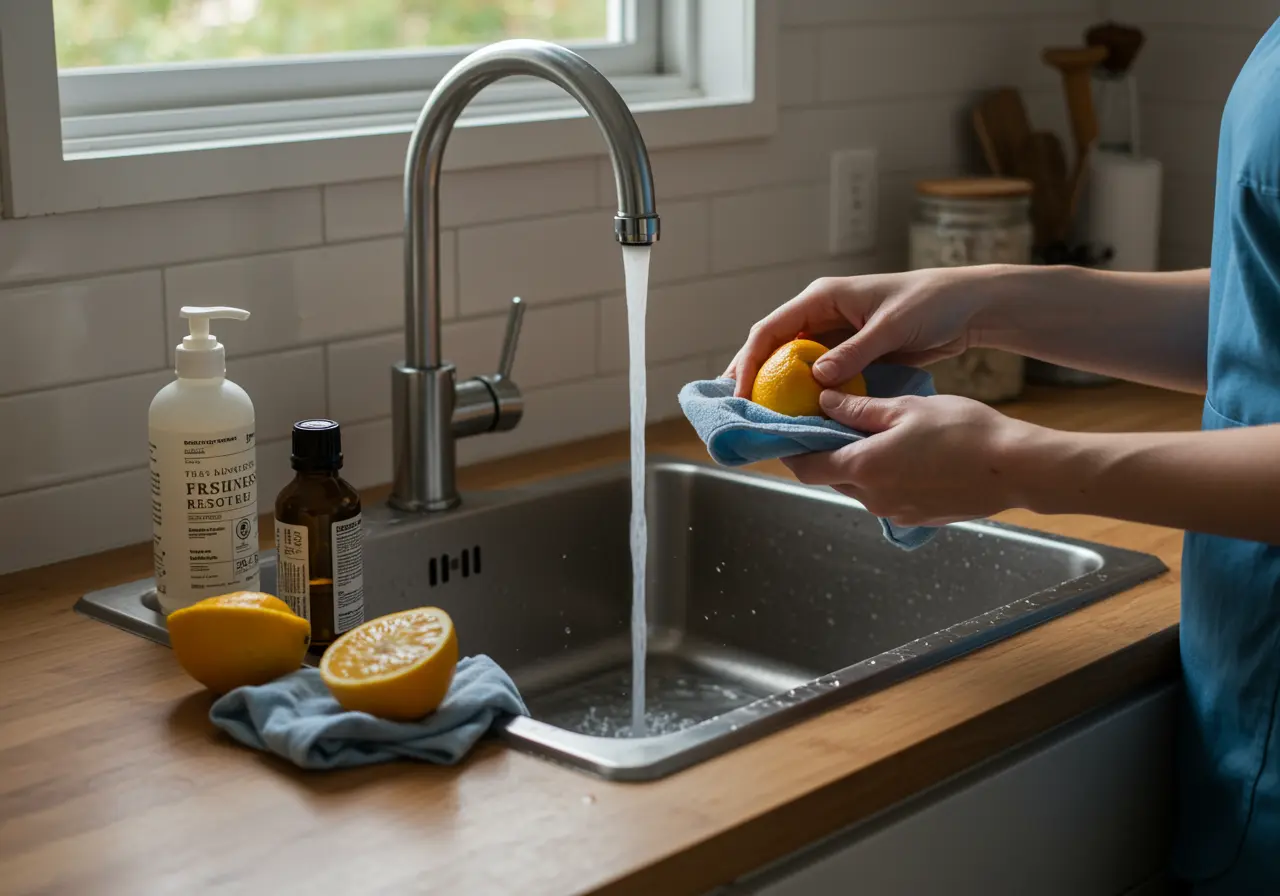
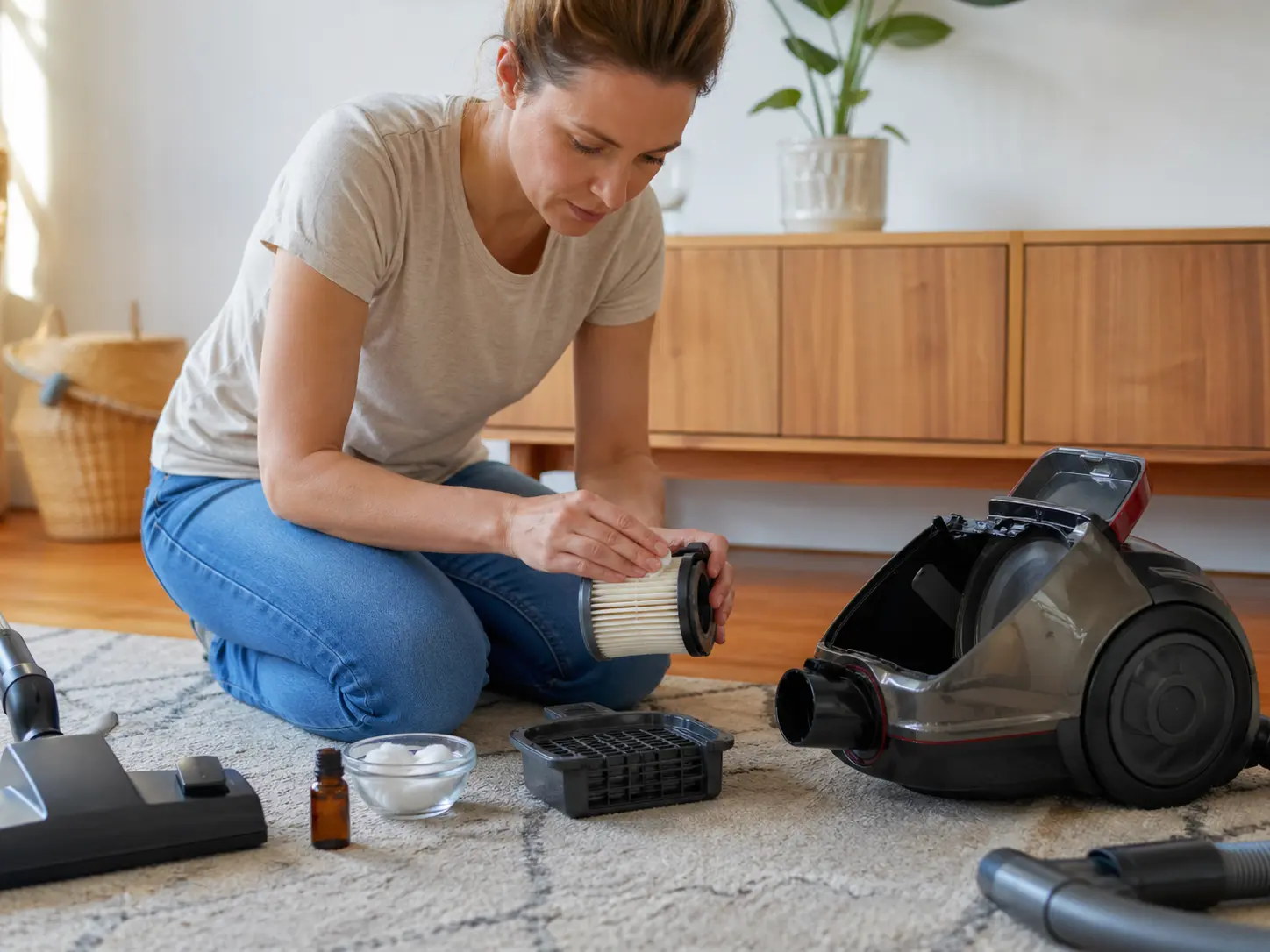
The trash can usually wants dryness, freshness, and a quick reset cue. The sink area often wants a clean-feeling citrus or herbal finish. The vacuum filter zone benefits from a fresher smell because it redistributes air through the room. The entryway is less about “cleaning smell” and more about keeping the first impression light and orderly.
This is why one formula rarely solves everything. The routine should match the hotspot. A practical home reset almost always feels better when it is specific.
Simple Hotspot Reset Ideas
Trash can
Start with the liner and the bin itself, then add a tiny scent detail only if it helps after cleaning.
Sink area
Focus on the surrounding reset, then use a fresh citrus-herbal mood if the zone still needs a finishing touch.
Entryway
A light, breathable scent works better than anything strong in the place where everyone first walks in.
Freshness Should Feel Real, Not Performed
Aromatic help is most useful when it supports a clean result instead of pretending to create one. That is especially true with household hotspots, because people notice quickly when a room smells fragranced rather than truly fresh. The best scent detail is the one that makes the home feel a little cleaner, not the one that announces itself loudly.
If you already have routines for natural cleaning or a quick bathroom reset, hotspot work is often the missing layer that makes everything feel finished.
Use Aroma to Support the First Impression
The entryway is a great example. It is not usually the dirtiest part of the home, but it strongly shapes how the home feels when someone walks in. A fresh coat corner, tidy shoe area, and subtle scent detail can make the whole home seem calmer before guests even see the next room.
The same logic applies to sinks and trash zones. When these little areas are handled well, the rest of the house often feels fresher almost instantly.
Practical reminder: Essential oils are most helpful in odor hotspots when they support a real reset. Clean the zone first, then decide whether a light aromatic finish still makes sense.
Cleaning
How to Use Essential Oils in Natural Cleaning Routines
A safety-first guide to using essential oils in home cleaning routines, from scent goals and simple spray habits to ventilation and pet-aware choices.
Cleaning
Essential Oils for a Fresh-Smelling Bathroom
A practical guide to creating a bathroom that smells fresh, clean, and spa-like with lighter diffuser habits, cleaning-friendly blends, and restrained aromatic finishing touches.
Cleaning
Quick Bathroom Reset Before Guests
A fast, safety-first bathroom refresh routine for guest-ready moments, using clean towels, airflow, and light essential oil finishing touches.
Cleaning
Natural Antimicrobial Claims: What They Actually Mean in Real Home Use
A practical, evidence-aware guide to what “natural antimicrobial” really means around the home, and why lab activity, safer cleaning, and real household hygiene are not all the same thing.
Further Reading and Sources
These related pages help extend hotspot cleaning into broader room and home-freshening routines.