
How to Choose the Right Diffuser for Each Room
Home
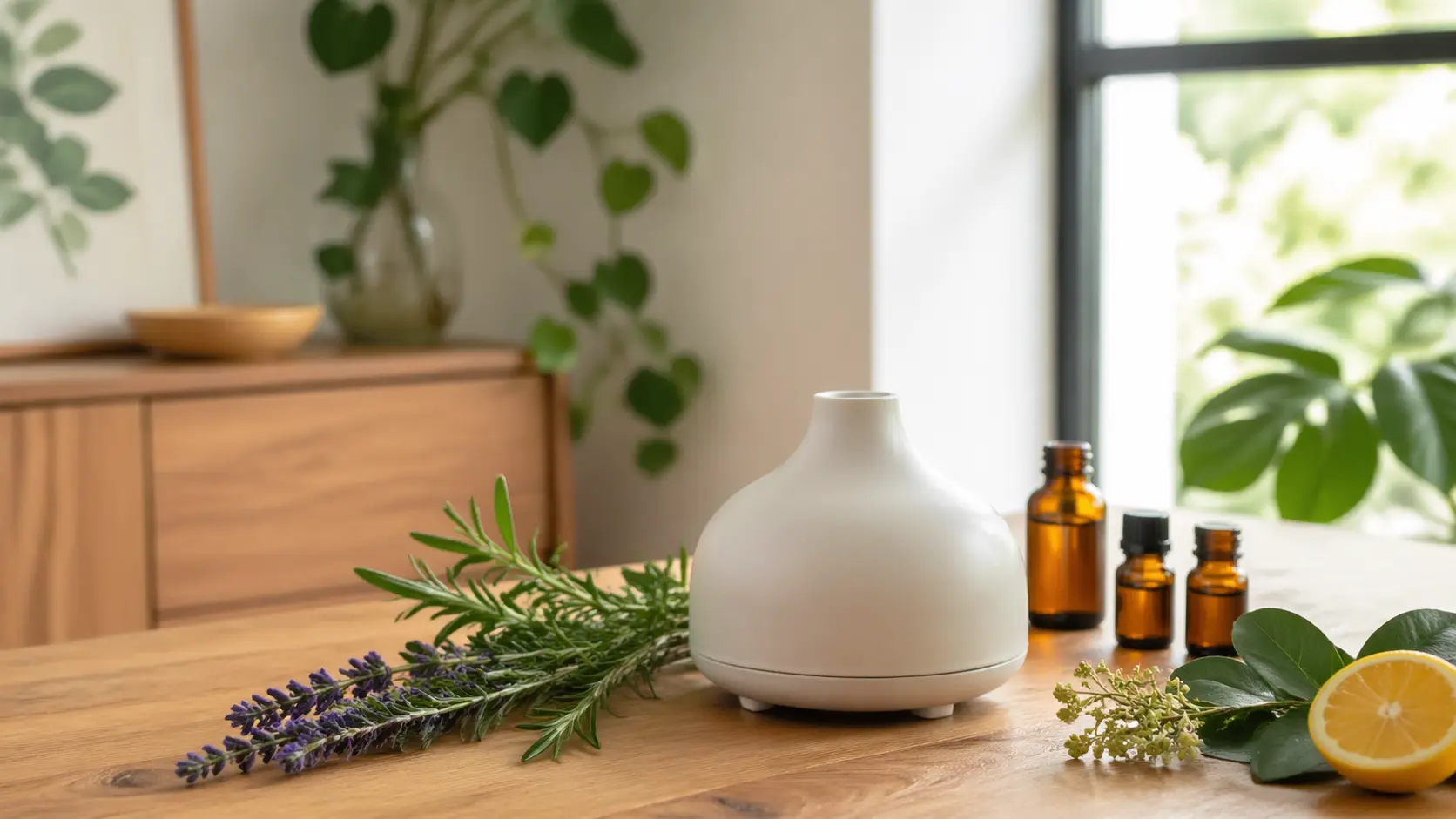
Choosing the right diffuser for each room is less about finding the “best” diffuser overall and more about matching scent strength, room size, timing, and daily life. A bedroom usually needs a softer, shorter diffuser rhythm than a living room, while a work corner, hallway, or bathroom may only need quick, light aroma support rather than a long session.
This guide keeps the decision practical. Instead of product hype, it focuses on lifestyle questions: how much air is in the room, how long people stay there, whether pets or children share the space, and whether the goal is focus, calm, freshness, or a small mood lift. If you already know how to use essential oils in a diffuser, this article helps you choose the room-by-room rhythm more thoughtfully.
Quick Answer
The right diffuser choice depends on the room and the routine. Bedrooms usually do best with lighter, shorter, softer diffusion. Living rooms can handle a little more space and atmosphere. Work corners benefit from subtle clarity, not a strong scent cloud. Entryways and bathrooms usually need the shortest, cleanest-feeling aromatic reset.
The most useful questions are practical ones: how large is the room, how much airflow does it have, who shares the space, and how long should scent stay present? In most homes, choosing a diffuser well is really about using less and matching the atmosphere to the room.
Start with the Room, Not the Device
Many people start by asking what kind of diffuser to buy, but the more useful starting point is the room itself. A bedroom usually has a smaller, quieter mood and often needs only a low-intensity session before sleep. A living room or open-plan space may need a little more reach, but it also tends to be shared by more people, which means the scent still needs restraint.
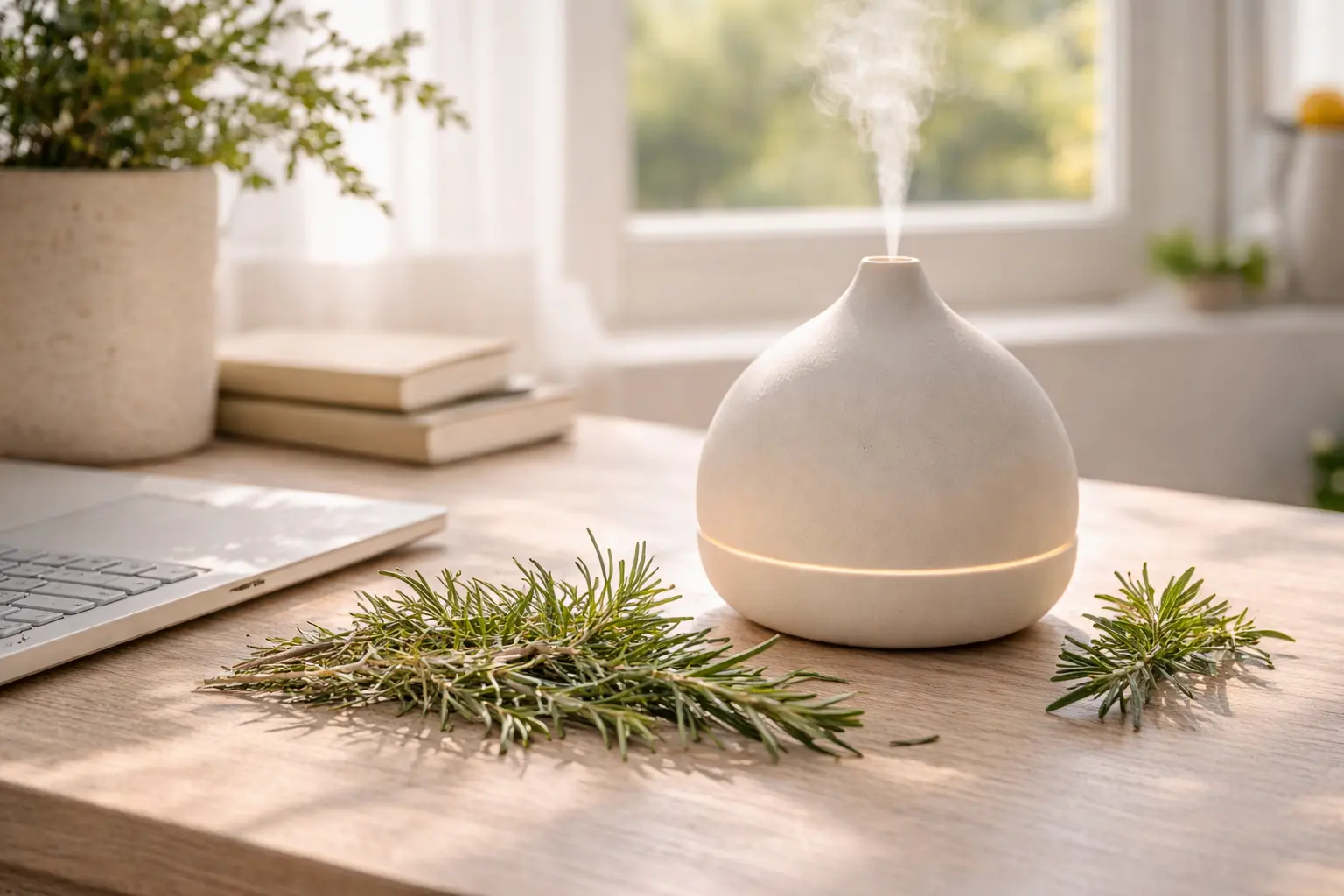
If you work from home, a desk corner or study zone benefits from clarity rather than saturation. That is one reason light focus-supporting scent use usually works better than bold room-filling aroma.
Bedrooms Need the Softest Approach
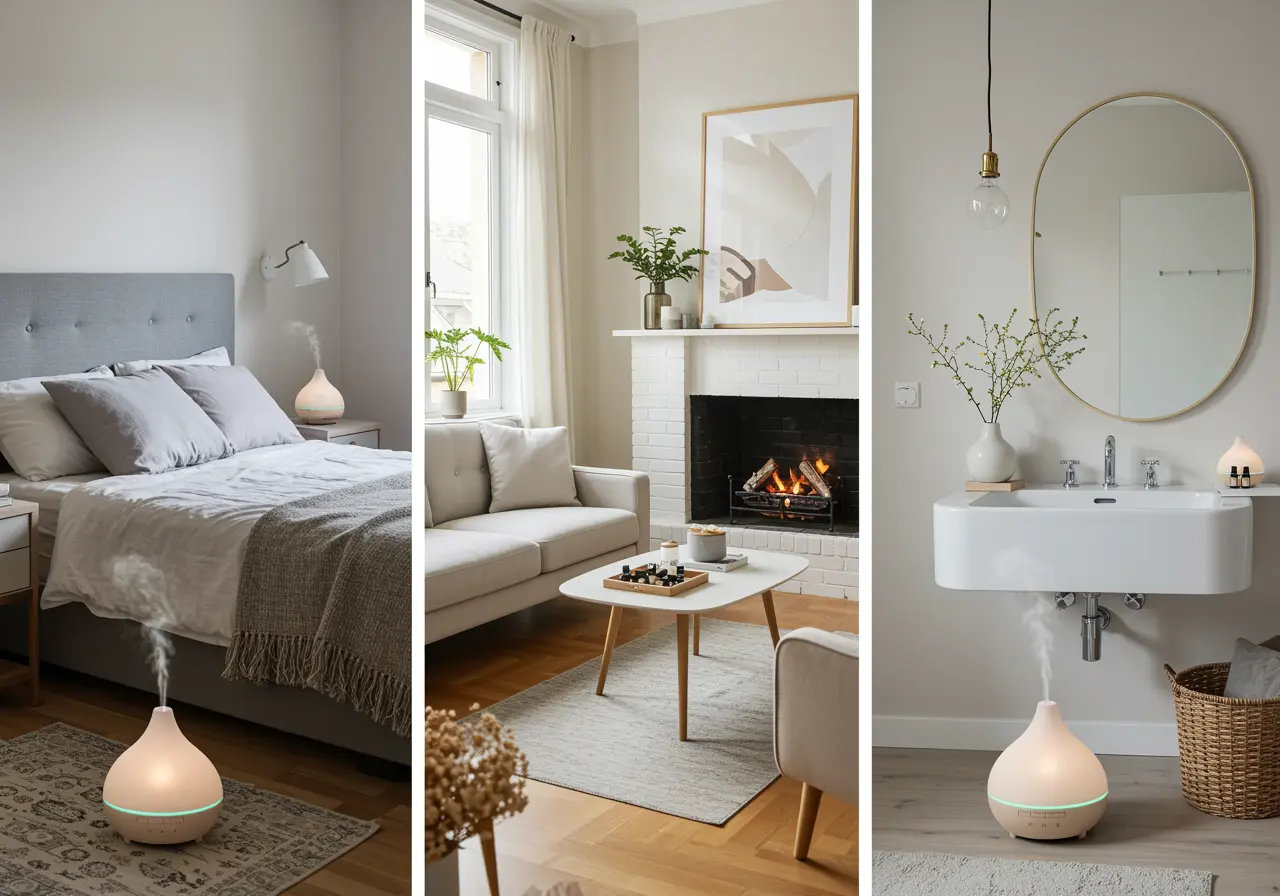
For bedrooms, less is almost always better. Evening scent should feel like part of the wind-down, not the main event. This often means a small or moderate diffuser, lighter blends, and short pre-sleep sessions rather than all-night operation. Oils like lavender, roman chamomile, or red mandarin often fit better than sharp mints or assertive spices.
If the room is shared, if a child sleeps there, or if pets move through the same space, the safest diffuser choice is the gentlest one. A short bedtime session usually does more than a stronger blend left on too long.
Living Rooms Can Hold More Atmosphere
Living rooms are often where people want the most noticeable scent, but they are also where “too much” becomes obvious fastest. Guests, family, meals, soft furnishings, and open seating all make room aroma more public. A diffuser here should support the room’s feel, not compete with it.
Fresh citrus-wood combinations such as bergamot with cedarwood atlas, or herbal-citrus blends like rosemary with sweet orange, often work well when the room needs to feel refined and livable rather than strongly perfumed.
Room-by-Room Diffuser Logic
Bedroom
Choose a lower-intensity setup and keep the session brief. Gentle evening mood matters more than scent reach.
Living room
Use a diffuser that fits the shared atmosphere, not one that dominates the whole room.
Work corner
Smaller scale and cleaner focus blends often work better than cozy or sleepy oils.
Bathrooms and Entryways Work Best with Short Resets
Bathrooms and entryways often benefit from the shortest diffuser use of all. These are smaller spaces, and the goal is usually quick freshness rather than long atmospheric scenting. Crisp oils such as lemon, lime, or eucalyptus radiata can work well here when used lightly.
This is also where placement matters. A diffuser too close to a door, mirror shelf, or towel stack can feel more intense than expected. Short sessions after cleaning or before guests arrive are usually enough.
Think About People, Pets, and Airflow
The same diffuser can feel completely different depending on who shares the room. Children, pets, scent-sensitive guests, and small spaces all call for a lighter hand. A diffuser that seems perfect in an open living area may be far too strong in a low-airflow bedroom.
If you live with pets, read this together with Essential Oils and Pets: A Safety-First Home Guide. If cats are in the home, the diffuser setup deserves even more restraint and flexibility.
Simple rule: If you are deciding between two diffuser setups, choose the gentler one first. You can always add more atmosphere later, but it is harder to un-scent a room that is already too strong.
Home
How to Freshen Laundry and Linens with Essential Oils
Freshen laundry, bed linens, towels, closets, and fabric routines with essential oils in a simple, clean-feeling, safety-first way.
Home
Essential Oils for a Guest-Ready Living Room
Create a welcoming living-room atmosphere with essential oils that feel polished, lived-in, and guest-ready without turning the room overly sweet or heavy.
Home
How to Clean an Essential Oil Diffuser
A practical, safety-first guide to cleaning an essential oil diffuser so it runs better, smells fresher, and fits cleanly into a real home routine.
Home
Why a Beautiful Oil Can Still Be the Wrong Oil for Your Room
A practical guide to why an oil can smell gorgeous on its own and still fail in a specific room because of scale, airflow, timing, function, and how the space is actually used.
Further Reading and Sources
These pages help build a calmer, more room-aware diffuser routine.