
How to Make Shower Steamers with Essential Oils
DIY
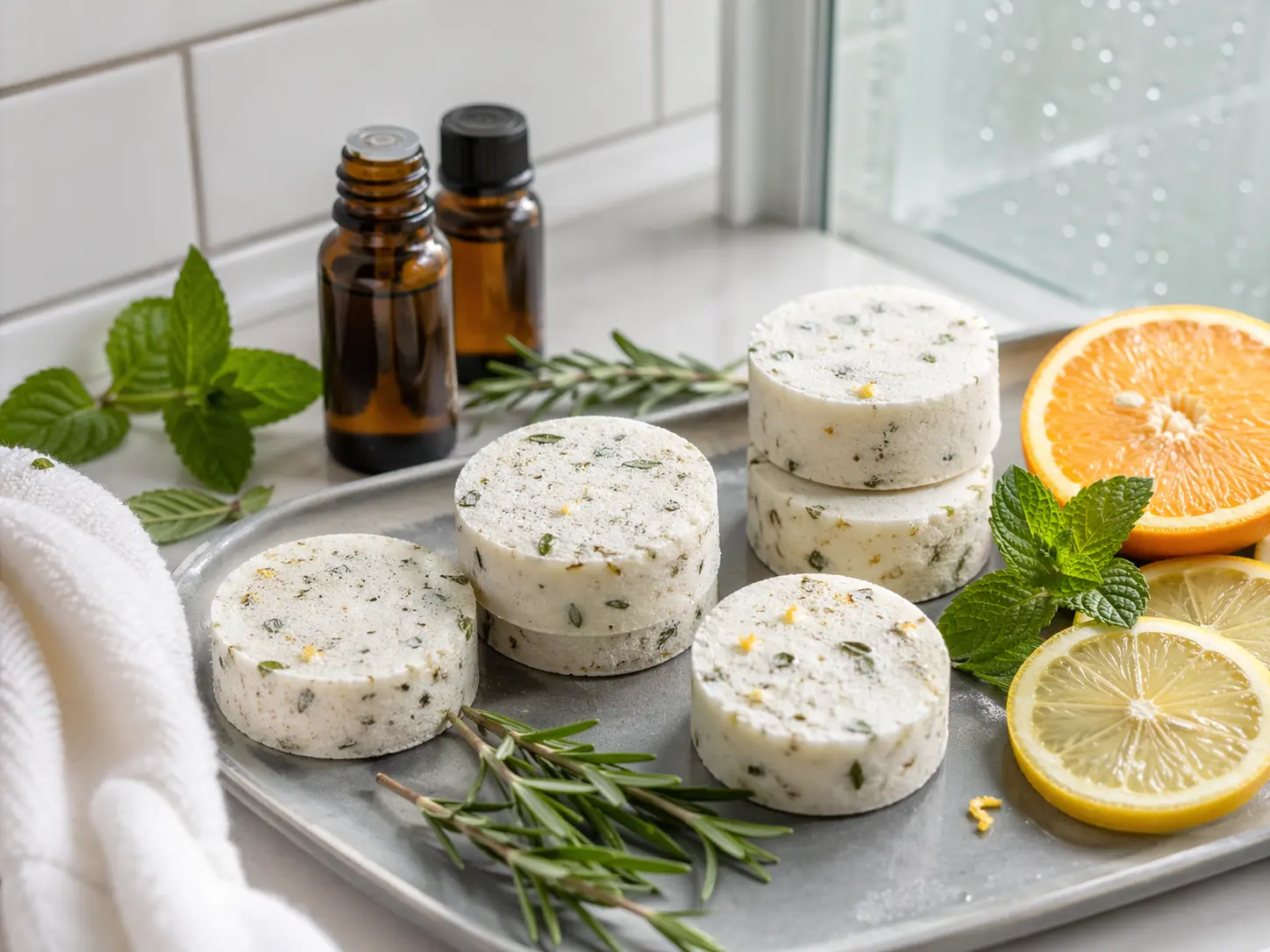
Shower steamers are one of the simplest ways to bring essential oils into a daily routine without turning the whole project into a complicated DIY. They can make a morning shower feel brighter and more focused, or help an evening shower feel softer and slower, but they work best when the formula stays straightforward and safety-first.
The appeal is obvious: they are small, practical, and easy to make in batches. The main thing to remember is that shower steamers are about aromatic steam in the air, not direct skin application. That changes both the scent choices and the safety mindset. Stronger is not always better, and the nicest versions usually smell clear rather than overloaded.
Quick Answer
To make shower steamers with essential oils, keep the project simple and think in terms of the shower mood you want to create. A morning version often works best with fresh, clear oils like rosemary, lime, or peppermint. An evening version often suits softer oils such as lavender, roman chamomile, or cedarwood atlas.
The safest and most useful shower steamers are made for aroma in steam, not for skin contact. Keep the formula moderate, label the batch, and remember that a pleasant shower atmosphere does not need to smell overpoweringly strong to feel effective.
Why Shower Steamers Work So Well
A shower is already a transition point in the day. It can wake you up, reset your head, or help you move out of work mode. Essential oils fit nicely into that moment because steam carries aroma efficiently, and the ritual is already there. You are not building a whole new habit. You are simply shaping the mood of one that already exists.
This is also why shower steamers can be more practical than many beginner projects. They do not ask for a diffuser in every room or a large setup. They just need a clear purpose: brighter mornings, calmer evenings, or a little more freshness in a routine that has started to feel flat.
Choose the Mood Before You Choose the Oils
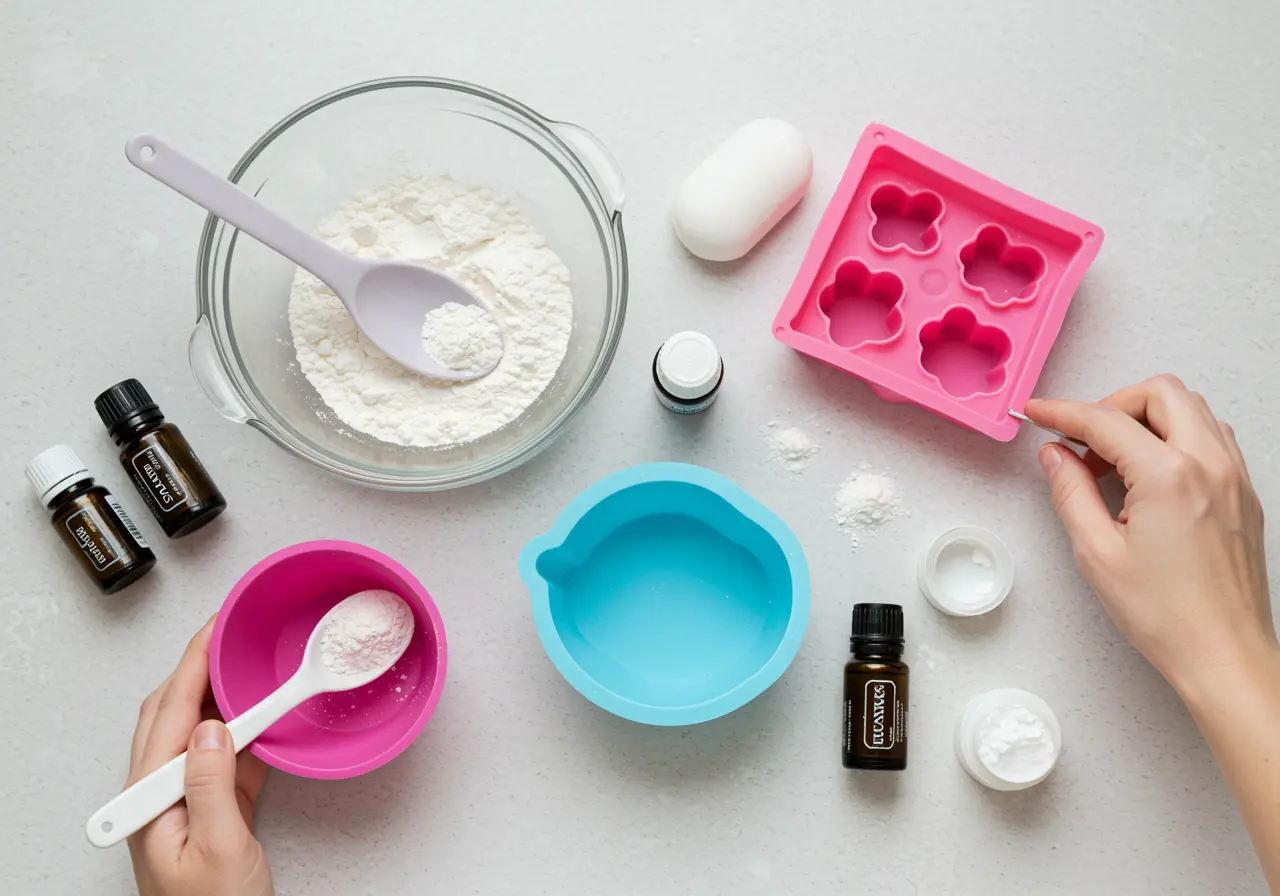
The easiest way to make a good shower steamer is to decide first whether it is meant for morning or evening. A morning shower steamer usually benefits from a fresher, clearer, more awake profile. That is where bright citrus, mint, or herbal notes can help. An evening version usually feels better with softer florals and woods that help the room feel quieter.
If you try to make one steamer do both jobs, the result can feel unfocused. It is often more useful to keep one energizing formula and one slower, calmer formula rather than aiming for a “universal” blend that does not strongly support either moment.
Shower Steamer Directions
Fresh and clear
Peppermint with citrus in small amounts when you want a more vivid shower atmosphere.
Evening soften-down
Lavender with cedarwood atlas for a slower shower mood.
Common Mistakes with Shower Steamers
The most common beginner mistake is trying to make the aroma too strong. In a steamy room, even a moderate formula can smell intense very quickly. Another mistake is forgetting that shower steamers are not meant to function like a direct topical blend. Steam exposure and skin application are not the same thing, and the formula should respect that difference.
It also helps to be realistic about the space. Small bathrooms fill with scent fast. If the room has little ventilation, shorter sessions and a lighter scent direction often feel better than trying to create a dramatic spa effect every time.
Keep the Project Practical
The best DIY shower steamers are the ones you will actually use. Small batches are often smarter than large ones because they let you adjust the scent direction, test the strength, and match the season. A brighter steamer may feel right in spring and summer, while a softer evening version may feel more useful in colder months.
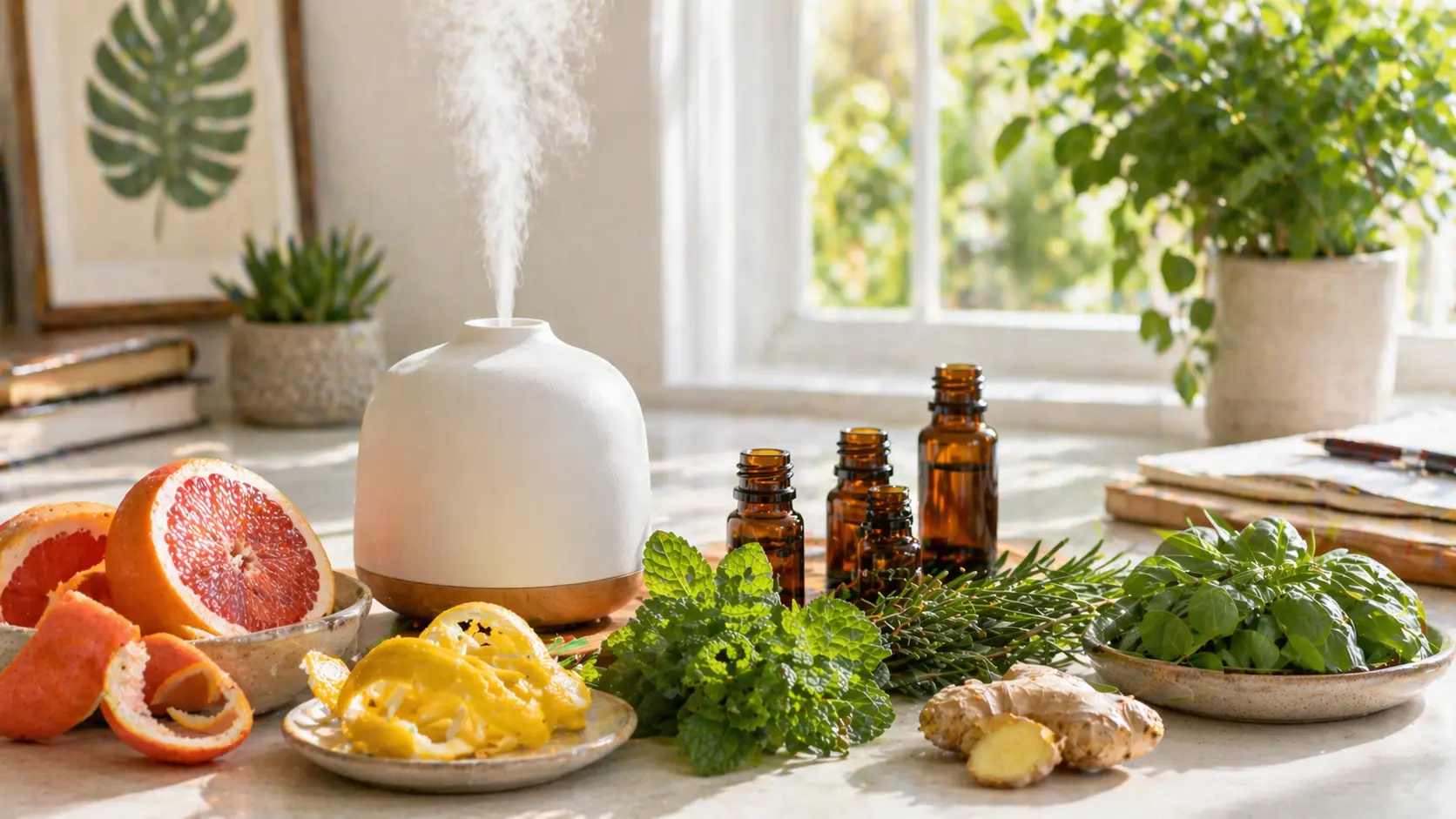
If you already enjoy a calmer evening routine, shower steamers can fit neatly beside a lighter diffuser habit or a quieter wind-down ritual. If you prefer mornings, they can pair well with a focused desk or work-from-home atmosphere too.
DIY reminder: Shower steamers are for aromatic steam in the shower air. Keep the formulas moderate, store batches safely, and do not treat them as a direct skin-use project.
DIY
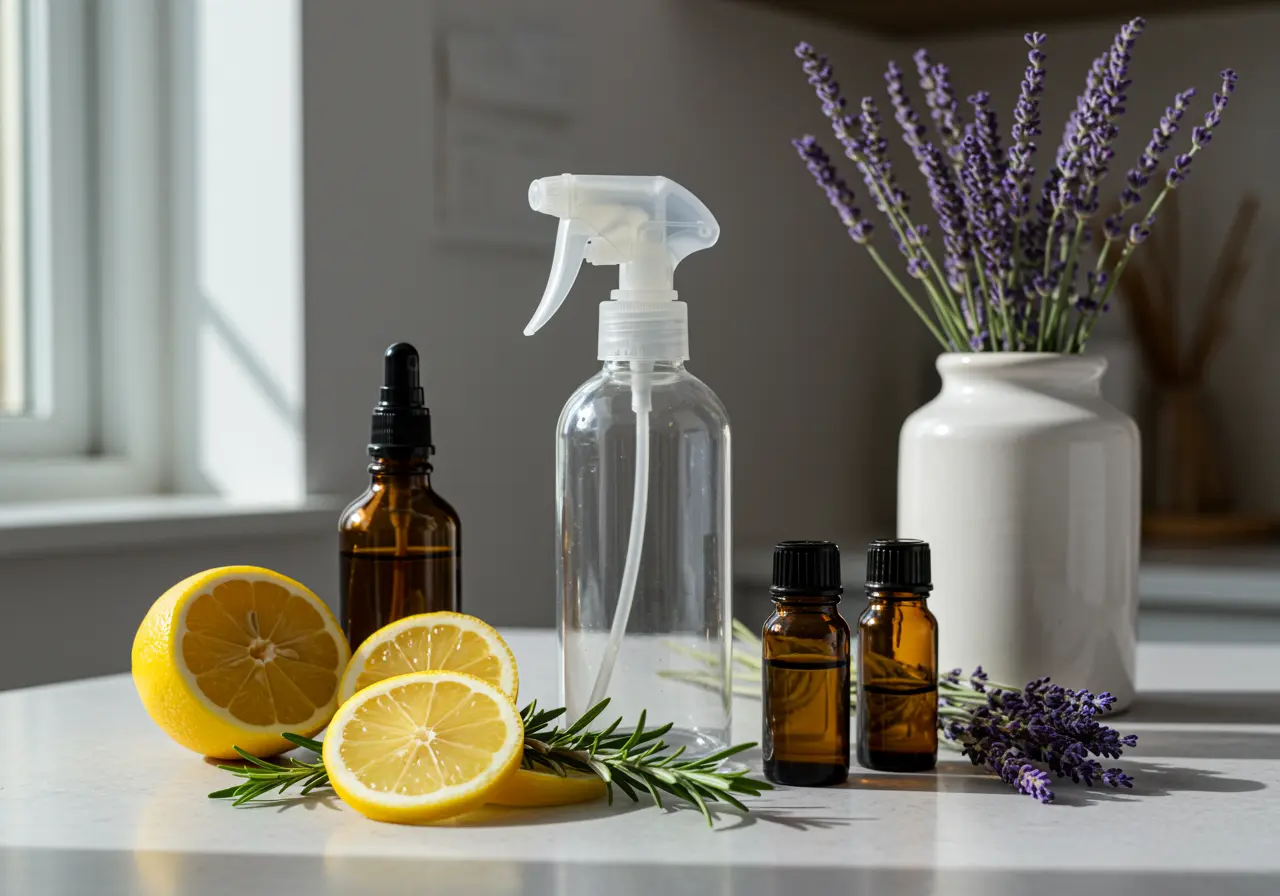
How to Make a Simple Essential Oil Room Spray
A beginner-friendly, safety-first guide to making a simple essential oil room spray that smells clean, balanced, and actually works well in real rooms.
DIY
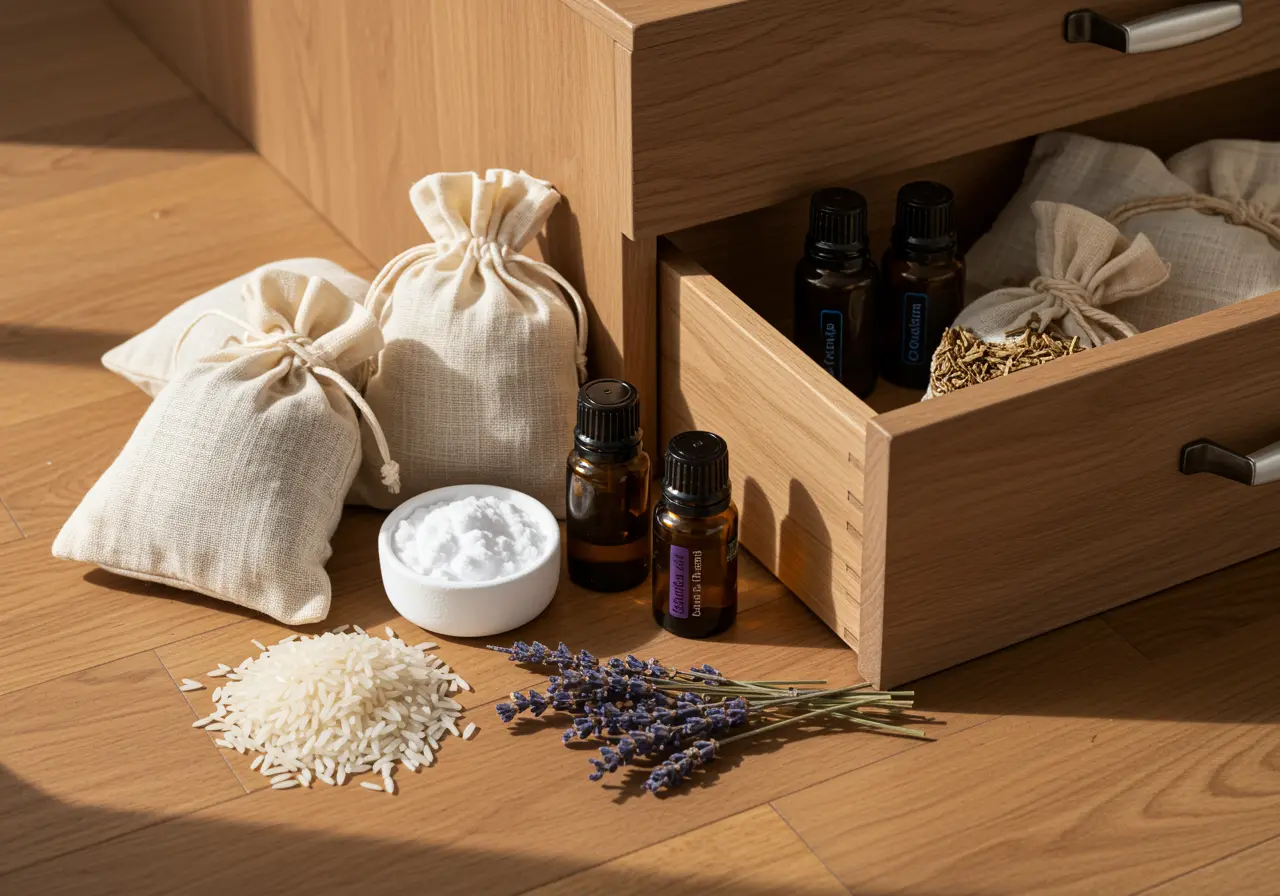
How to Make a Closet and Drawer Freshener with Essential Oils
Make simple scent sachets and drawer fresheners with essential oils using a clean, fabric-friendly approach that keeps closets and storage spaces smelling soft and fresh.
Further Reading and Sources
These related pages help connect shower steamers to broader diffuser, wind-down, and DIY routines.