
Easy Essential Oil Habits That Are Realistic for Beginners
Beginner Basics
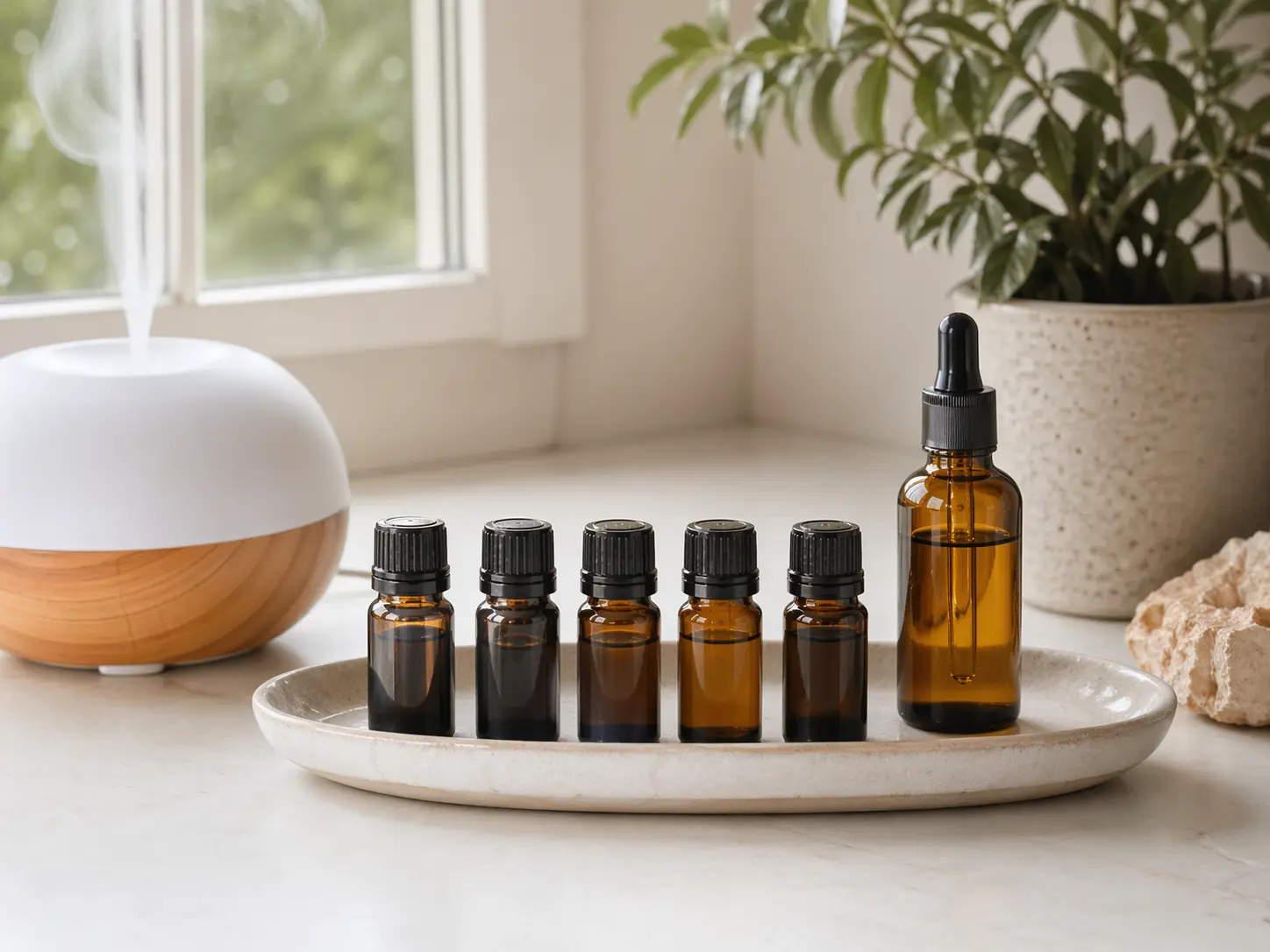
The easiest beginner mistake with essential oils is trying to create a whole lifestyle at once. The routines that last are usually much smaller. One useful diffuser habit. One simple room reset. One fabric freshening routine. One easy oil substitution principle.
That is good news, because you do not need a huge collection or a long checklist to start using essential oils well. What helps more is choosing a few habits that fit the way your home and schedule already work.
Quick Answer
Realistic beginner habits usually stay small, repeatable, and easy to understand. That might mean one short diffuser session in the morning, one evening wind-down blend, one linen routine, and one safety habit around storage.
If a habit feels complicated enough that you keep postponing it, it is probably not a good starter habit yet.
Habit 1: Give One Room a Clear Scent Job
Beginners often try to scent the whole house at once. It works better to choose one room and one job. Maybe the bedroom gets a short evening blend. Maybe the entryway gets a fresh reset before guests. Maybe the work corner gets a focused daytime blend. One clear use case teaches more than five vague ones.
The room-by-room thinking in How to Choose the Right Diffuser for Each Room is especially useful here.
This is one place where long "50 ways to use oils" lists are helpful conceptually but overwhelming in practice. They show how versatile essential oils can be, but they can also make beginners feel as if they should be doing everything at once. A single room with a single clear purpose is a much better teacher.
When one habit becomes familiar, you begin learning what strength, timing, and oil choice actually feel like in your own space. That kind of direct experience is more useful than collecting ideas faster than you can test them.
Habit 2: Choose a Small Rotation Instead of a Big Collection
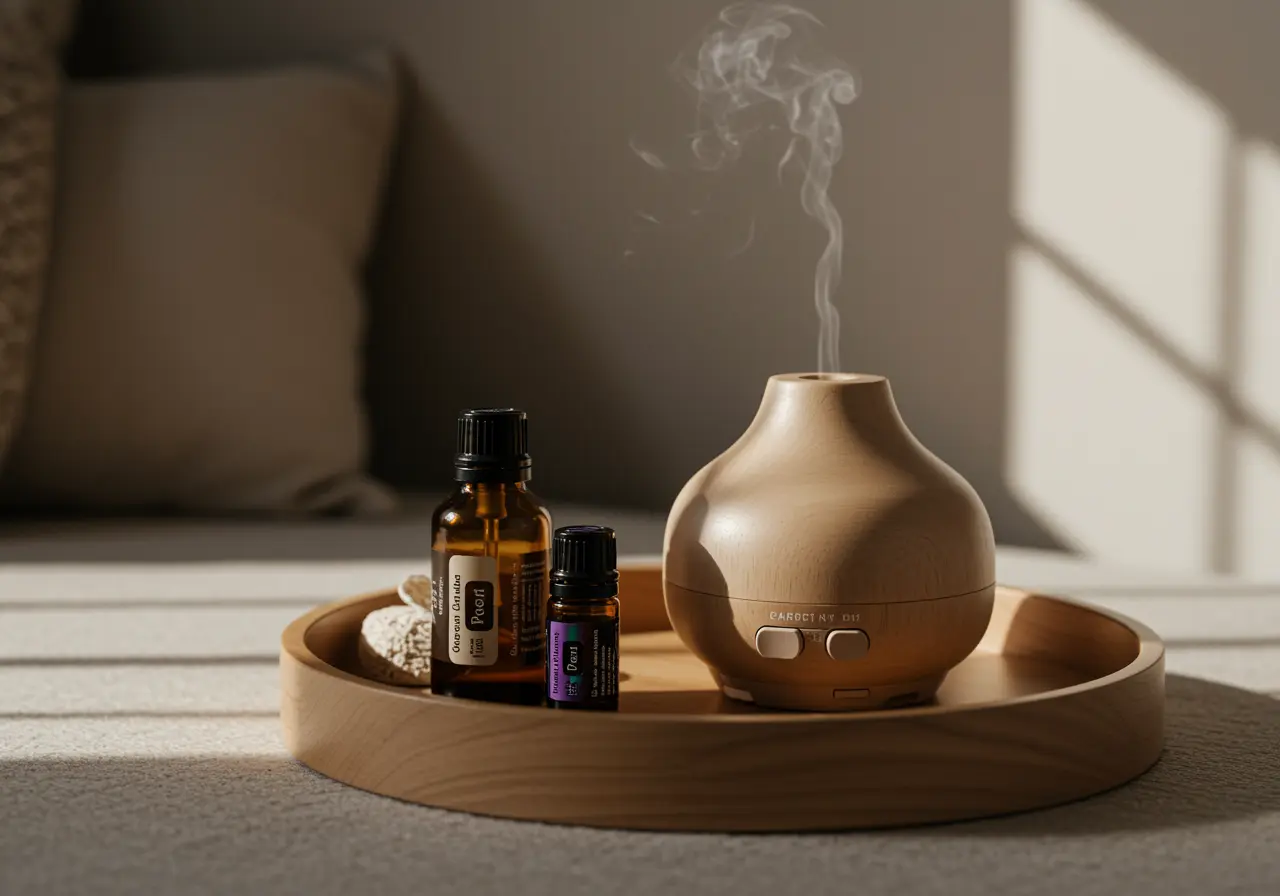
A small collection teaches more because you actually learn what each oil does in your space. Lemon may become your clean reset oil. Lavender may become your evening softener. Rosemary may help your desk routine. A handful of oils used repeatedly builds better judgment than a large set used randomly.
The companion piece How to Build a Small Essential Oil Collection That Actually Gets Used goes deeper on this.
There is also less pressure in a smaller rotation. You are not trying to justify every bottle or remember ten personalities at once. You are simply getting to know which oils feel bright, which feel soft, which feel cleaner, and which keep landing in routines you actually repeat.
Plant Therapy's recent everyday-use post is full of practical ideas, but its strongest lesson may simply be that one oil can serve several modest routines. That is much more helpful for a beginner than chasing a one-oil-per-task mindset.
Habit 3: Learn One Freshening Routine
One very practical beginner win is a simple home freshening habit. That could be a linen refresh, a trash-can reset, a quick bathroom reset, or a short diffuser session after opening a window. This helps essential oils stop feeling abstract because they immediately connect to a visible improvement in the room.
Practical habits are sticky because they produce obvious feedback. The room feels better. The bathroom feels reset. The trash area no longer carries the same edge. Once a beginner experiences that cause-and-effect clearly, essential oils stop feeling like vague wellness theater and start feeling like tools with a place.
This is also where restraint becomes easier to learn. A freshening routine works best when it solves one small problem cleanly, not when it turns into a cloud of compensation.
Beginner Habits Worth Keeping
Keep one morning blend
A bright citrus-herbal blend gives your collection an easy daytime purpose.
Keep one evening blend
A softer routine helps you learn timing and atmosphere rather than just ingredients.
Keep one storage habit
Good storage is one of the most useful habits because it protects both the oils and the home.
Habit 4: Learn How to Substitute Intelligently
Beginners get much more flexible once they stop thinking every recipe has only one possible ingredient list. You do not always need the exact oil a blend calls for if you understand the role it is playing. Sometimes what matters most is fresh versus soft, green versus sweet, or airy versus grounding.
That is exactly the skill behind How to Substitute Essential Oils in Recipes and Blends.
Substitution is one of the habits that makes a collection feel less fragile. If you run out of one citrus or do not own a recommended herb, you can still work toward the same mood by understanding what role the missing oil was playing. That keeps the routine alive instead of turning every blend into a shopping list.
Habit 5: Do Not Let Scent Be the Whole Project
Essential oils work best when they support a routine that is already plausible. A diffuser cannot replace opening a window. A bedtime scent cannot replace the rest of an evening slowdown. A cleaner-smelling room still needs actual cleaning. Once you stop asking oils to do everything, they become easier to enjoy and much easier to use well.
This may be the most realistic beginner principle of all. If essential oils only work when every other part of life is ideal, the habit will not survive ordinary weeks. But if they can slide into routines that already make sense, they become sustainable very quickly.
That is also why small success matters more than aromatic ambition. One believable habit tends to lead naturally to another. Five aspirational ones often lead nowhere.
Beginner Basics
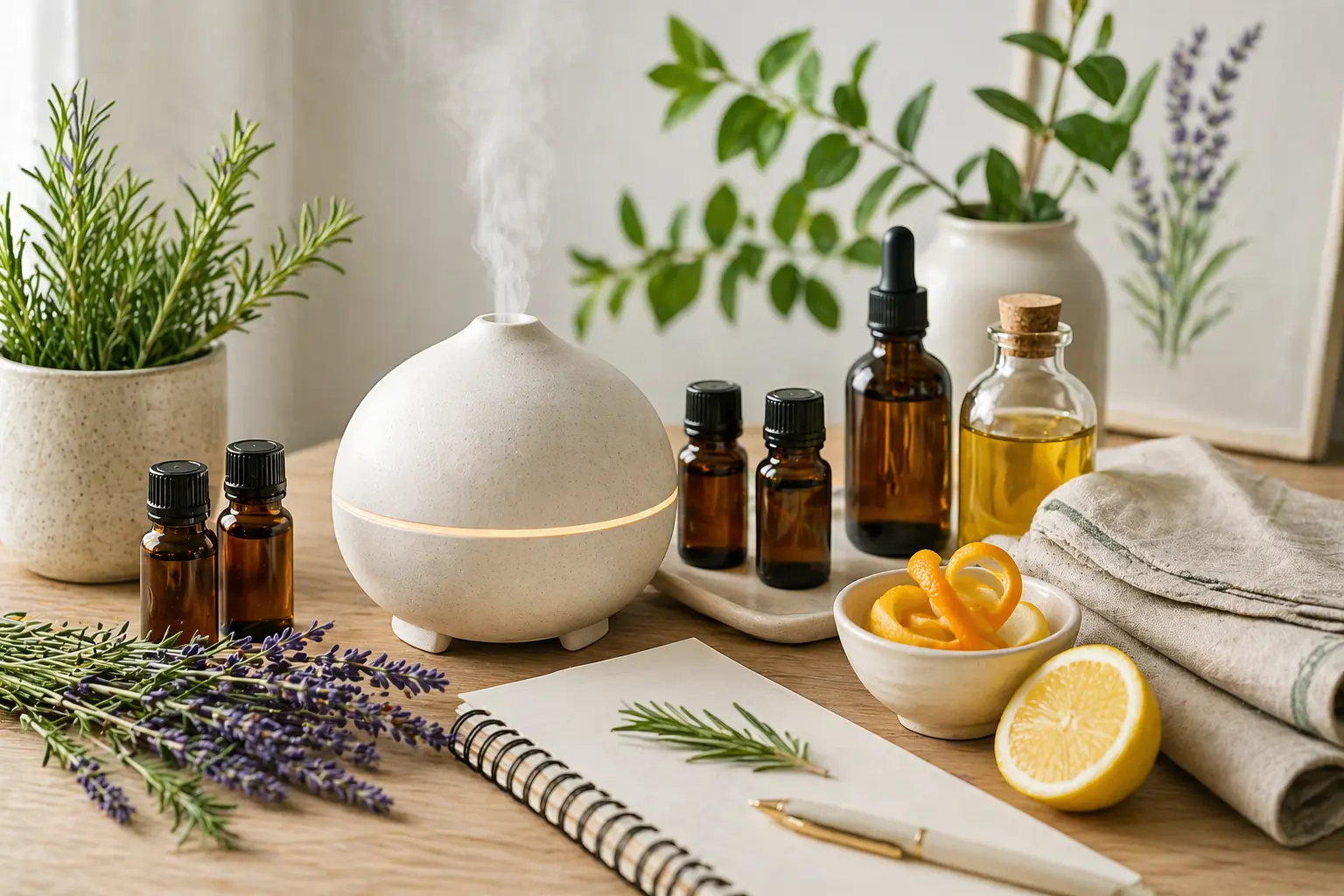
50 Simple Ways to Use Essential Oils in Everyday Life
A practical, easy-to-scan collection of 50 beginner-friendly essential oil ideas for home routines, textiles, mood, gentle DIY, and everyday atmosphere.
Beginner Basics
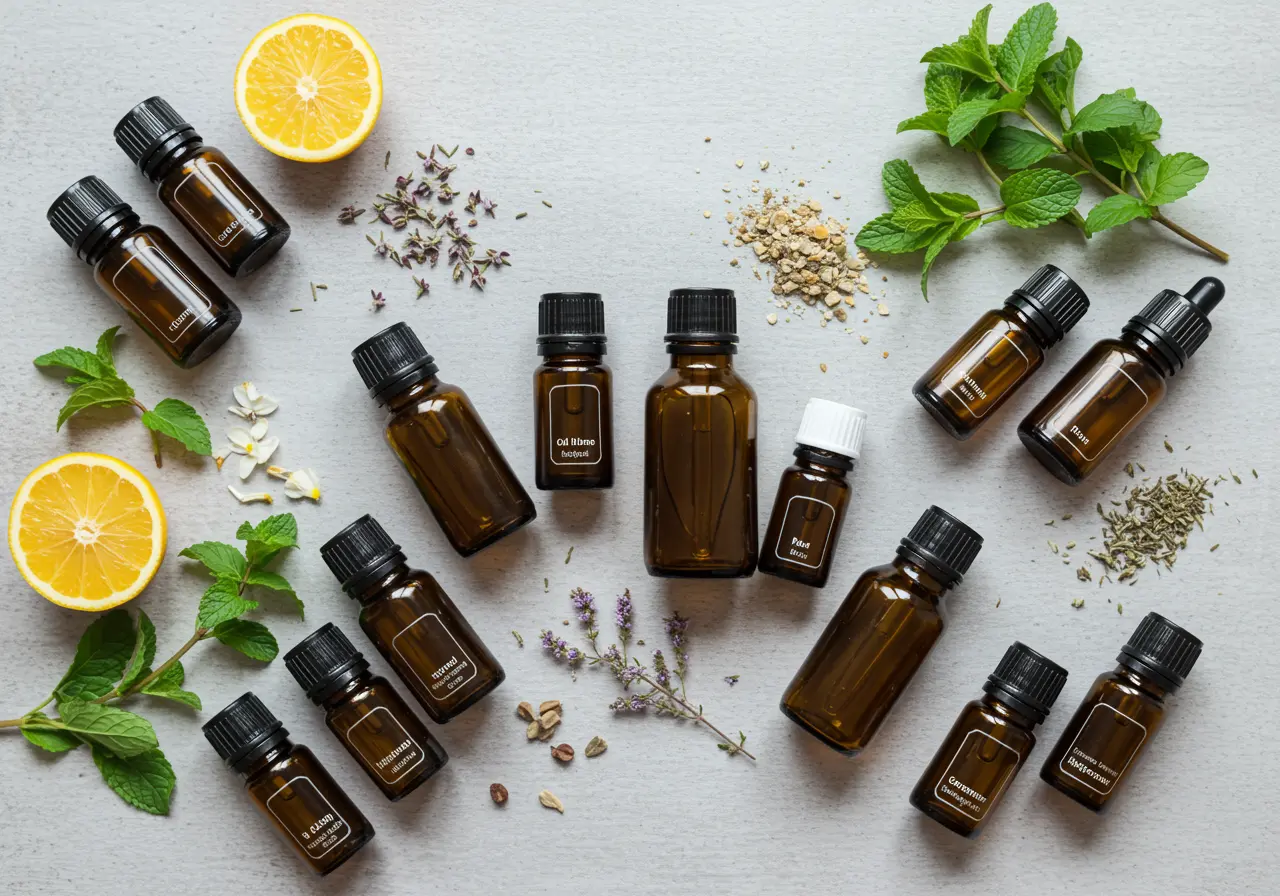
How to Substitute Essential Oils in Recipes and Blends
Learn how to swap essential oils more intelligently by comparing aroma family, strength, mood, and safety instead of guessing by common name alone.
Beginner Basics
How to Build a Small Essential Oil Collection That Actually Gets Used
Build a small, useful essential oil collection around real routines, not overbuying, so the oils you keep are the ones you actually reach for.
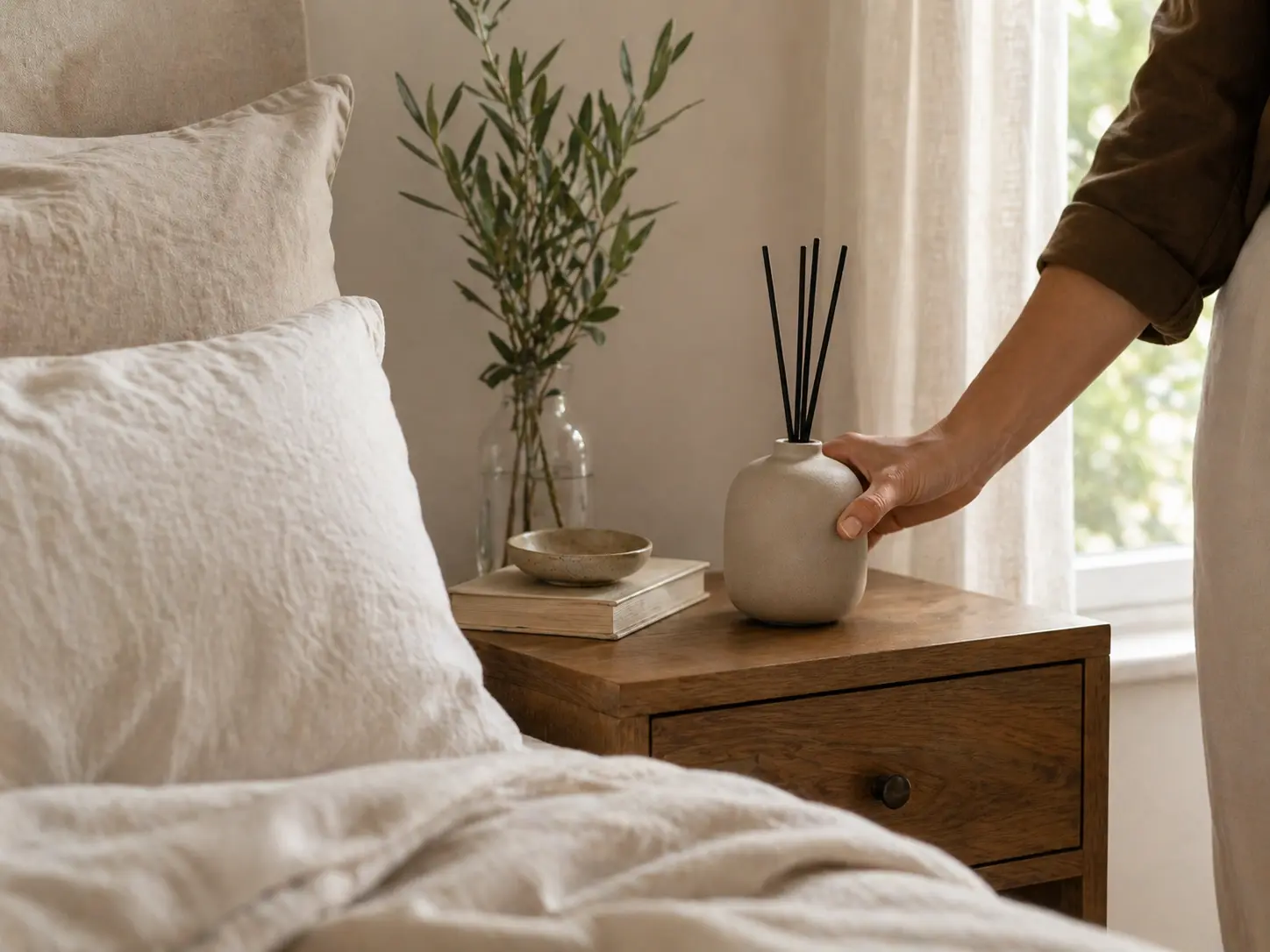
Beginner Basics
Passive Diffusers for Small Spaces: When They Make More Sense Than a Full Diffuser
A plain-English guide to when passive diffusers make more sense than a full electric diffuser in bedrooms, desks, entryways, and other small spaces.
Further Reading and Sources
These beginner-friendly pages help turn a few habits into a sustainable routine.