
50 Simple Ways to Use Essential Oils in Everyday Life
Beginner Basics
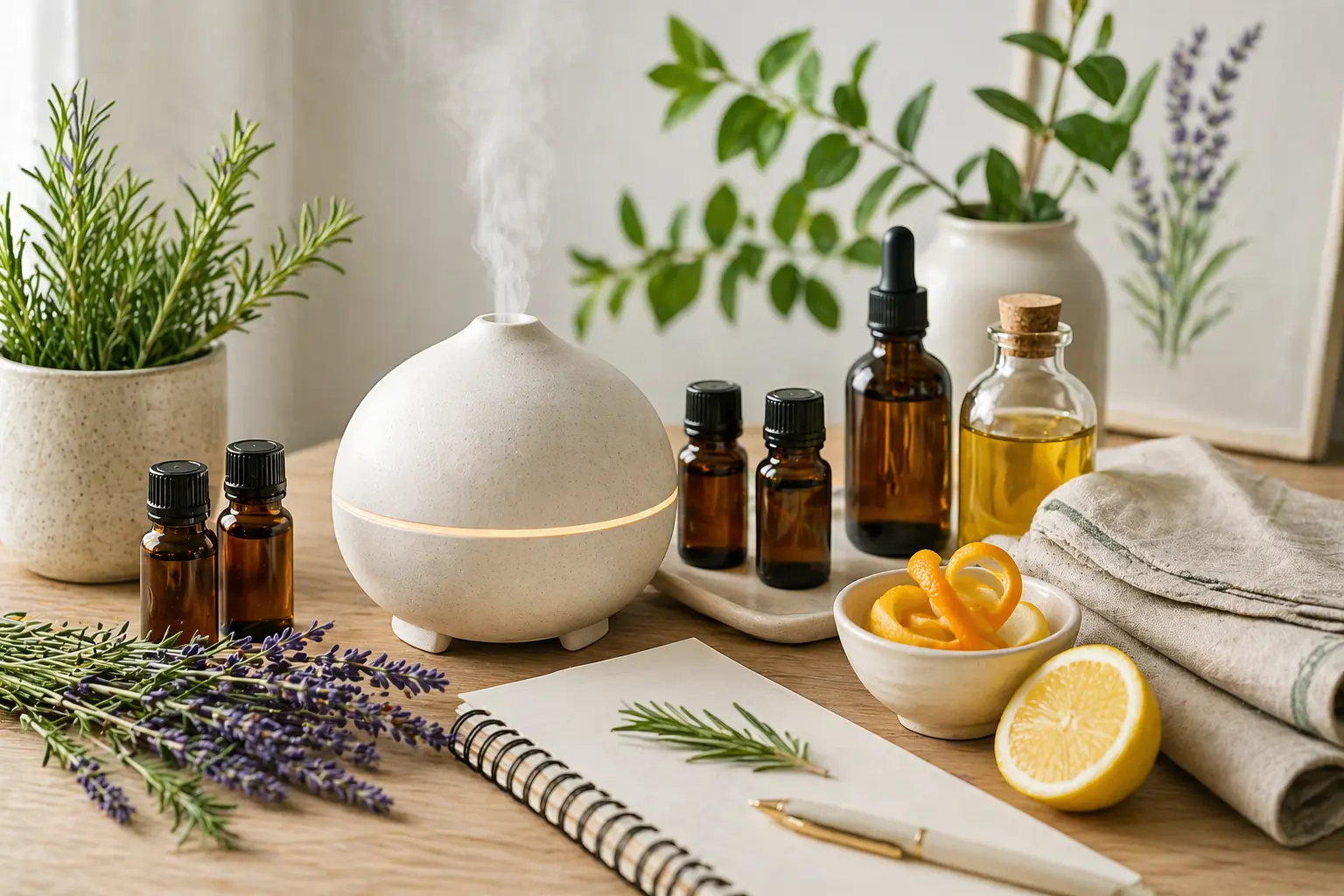
Essential oils become much easier to enjoy when they fit ordinary life instead of becoming a complicated hobby. You do not need a huge collection or elaborate projects to use them well. Most people get the most value from a handful of simple routines that make rooms feel fresher, evenings feel softer, or daily habits feel a little more intentional.
This article is a browsable idea bank, not a rulebook. Some ideas are diffuser-based, some are textile or room-atmosphere habits, and some point toward gentle DIY projects you can explore later. Use it as inspiration, keep it simple, and always match the method to the oil, the room, and the people or pets who share the space.
Quick Answer
The simplest ways to use essential oils in everyday life are usually the most sustainable: a short diffuser session in the morning, a fresh laundry habit, a gentle room spray, a calm evening blend, or a few oils matched to rooms and routines you already have.
The key is not doing more. It is choosing a few ideas you will actually repeat. A small routine you enjoy every week is more useful than a drawer full of half-finished DIY plans.
50 Simple Ways to Use Essential Oils in Everyday Life
At Home and Around the Room
1. Diffuse a morning reset blend
Try a light morning rhythm with sweet orange or rosemary while opening windows.
2. Use a fresh-home diffuser after cleaning
A short post-clean session can make the room feel finished without over-scenting it.
3. Give the entryway a short reset
Use a quick citrus-herbal diffuser session near the front of the home before guests arrive.
4. Add atmosphere to a work-from-home corner
Keep it subtle so the room feels clear, not perfumed.
5. Make a living room feel guest-ready
Use refined oils such as bergamot or cedarwood atlas instead of heavy sweet blends.
6. Freshen the bathroom air briefly
A short diffuser session is often enough in small rooms.
7. Build a calmer evening room mood
Use softer oils and dimmer light as part of the same ritual.
8. Keep a “less is enough” diffuser habit
Repeatable light use is better than long, strong sessions.
Textiles, Laundry, and Linens
9. Freshen towels with a simple laundry rhythm
Pair this with linen-freshening ideas.
10. Refresh bed linens before guests arrive
Use a very light fabric or room approach, not a heavy perfume cloud.
11. Use wool dryer balls thoughtfully
Keep aroma soft enough that clean laundry still feels comfortable against skin.
12. Make your closet feel cleaner
Use sachet or drawer-freshener ideas instead of spraying everything directly.
13. Add a fresh note to folded sheets
Clean and quiet is often better than sweet and strong.
14. Use cedar-leaning blends in storage spaces
Woody oils can feel clean and orderly in wardrobes and drawers.
15. Refresh blankets for the guest room
Choose low-intensity aroma that fades softly rather than lingering heavily.
16. Make laundry day feel less flat
A little scent ritual can turn a chore into a calmer reset habit.
Body, Mood, and Routine
17. Create a calmer wind-down routine
Pair gentle aroma with a slower shower, dim lights, and fewer screens.
18. Use a light roll-on before journaling
Only if properly diluted and suited to the oils you choose.
19. Build a signature natural perfume mood
Follow scent direction instead of trying to copy a commercial fragrance.
20. Give your shower a morning lift
Steam-friendly citrus or herbal notes can change the mood of the room quickly.
21. Make a focus-friendly desk routine
Think clear and subtle, not intense and distracting.
22. Add a soft scent to reading time
Even a short room session before you sit down can be enough.
23. Use evening aroma as a transition cue
The scent becomes part of the signal that the day is slowing down.
24. Pair aroma with stretching or quiet movement
Use it to support the mood, not to overpower the room.
Beginner DIY and Practical Habits
25. Make a simple room spray
Keep the formula clean, labeled, and realistic for the space you use it in.
26. Create a drawer freshener
Sachets and scent pouches are often better than spraying fabrics directly.
27. Build your first three-oil routine
It is easier to use a small collection well than a large one poorly.
28. Learn substitution logic
Swap oils by aroma family, strength, mood, and safety rather than by guessing.
29. Keep one “fresh home” blend ready
It can save time when you want a quick room reset without overthinking it.
30. Try a shower steamer project
Keep it simple, ventilated, and safety-first.
31. Make a small travel scent routine
A diluted roll-on or a familiar aroma ritual can make unfamiliar spaces feel calmer.
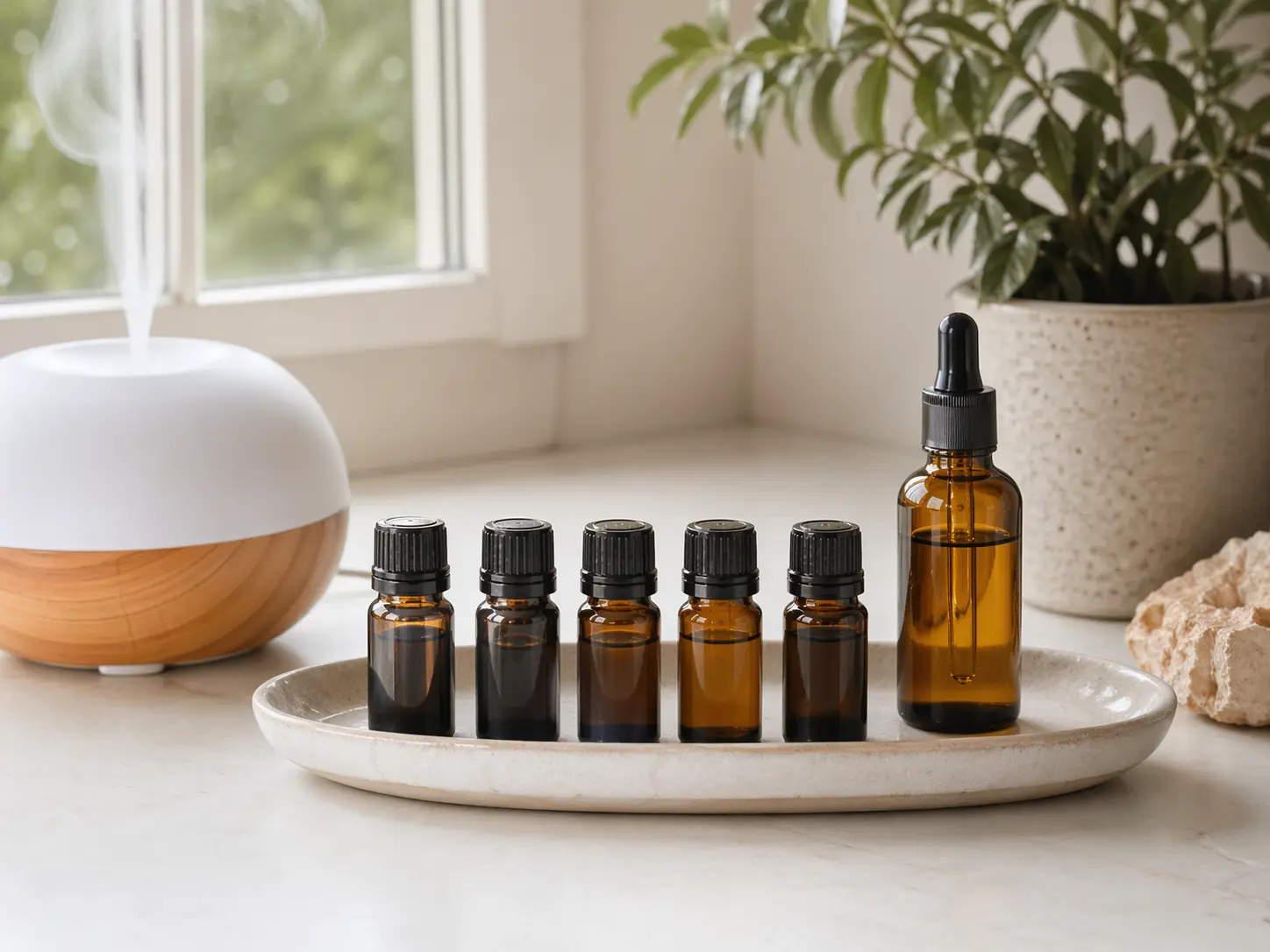
32. Use a scent tray to keep things orderly
A practical home base makes oils easier to use and safer to store.
Simple Lifestyle Moments
33. Use a lighter blend while folding laundry
It can make a repetitive task feel calmer and more deliberate.
34. Freshen a guest towel basket
Use subtle aroma that feels clean and neutral.
35. Set a weekend reset atmosphere
Citrus and herbs often work well for open-window cleaning or tidying.
36. Pair aroma with opening curtains
Fresh air and daylight often matter as much as the oil itself.
37. Create a reading-corner identity
A familiar low-key scent can make a small corner feel more inviting.
38. Use a clean kitchen scent before guests arrive
Keep it short and food-space friendly.
39. Keep a seasonal room blend
Spring and winter often want different pacing and scent weight.
40. Let scent mark the shift from work to evening
A small diffuser session can help close one part of the day and open another.
Safety-First Everyday Choices
41. Store oils where you will actually put them back
Good storage habits make everyday use much safer.
42. Label DIY blends clearly
Especially if you have more than one bottle in the same room.
43. Avoid using strong scent in closed spaces
Small rooms amplify aroma quickly.
44. Think about pets before diffusing
Shared-space awareness matters more than personal scent preference.
45. Use lighter aroma around children
Gentle family use is still a lower-and-slower practice.
46. Dilute before topical use
Even if the product seems casual or homemade.
47. Learn what phototoxic means
This matters especially if you like citrus in leave-on products.
48. Keep sessions short in shared rooms
More aroma is not automatically more enjoyable.
49. Reuse the same few good routines
Consistency makes oils more useful than novelty does.
50. Let everyday use stay simple
If a routine starts feeling complicated, scale it back until it feels natural again.
Everyday rule: Essential oils work best in ordinary life when they stay in proportion to the room, the routine, and the people sharing the space. A simple habit you repeat safely is worth more than a long list of ideas you never actually use.
Beginner Basics
How to Substitute Essential Oils in Recipes and Blends
Learn how to swap essential oils more intelligently by comparing aroma family, strength, mood, and safety instead of guessing by common name alone.
Beginner Basics
How to Build a Small Essential Oil Collection That Actually Gets Used
Build a small, useful essential oil collection around real routines, not overbuying, so the oils you keep are the ones you actually reach for.
Beginner Basics
Passive Diffusers for Small Spaces: When They Make More Sense Than a Full Diffuser
A plain-English guide to when passive diffusers make more sense than a full electric diffuser in bedrooms, desks, entryways, and other small spaces.
Beginner Basics
Easy Essential Oil Habits That Are Realistic for Beginners
A plain-English beginner guide to a few easy essential oil habits that are actually sustainable, useful, and simple to keep up in real life.
Further Reading and Sources
If you want to turn these ideas into a smaller, more repeatable personal routine, start here.