
Passive Diffusers for Small Spaces: When They Make More Sense Than a Full Diffuser
Beginner Basics
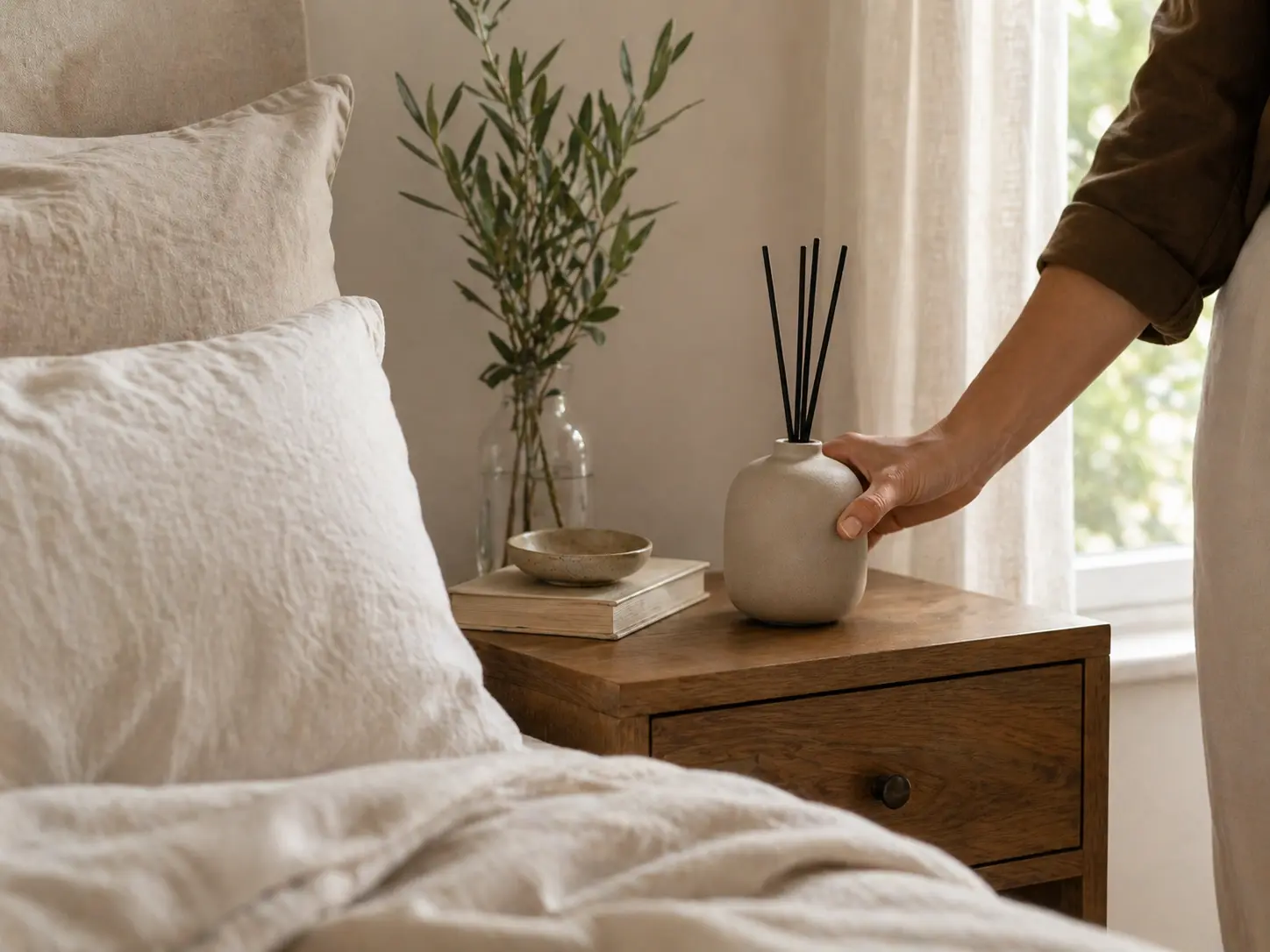
Not every small space needs a full electric diffuser. Sometimes a passive diffuser makes more sense because the goal is not to fill the room with aroma. The goal is to create a quieter, softer scent presence that sits close to the space instead of taking it over.
This is especially true in bedrooms, desks, entryways, bathrooms, and other smaller corners of daily life. In those places, subtlety often feels better than mist. A passive diffuser can be easier to live with, easier to maintain, and more consistent with a calm, low-effort home rhythm.
Quick Answer
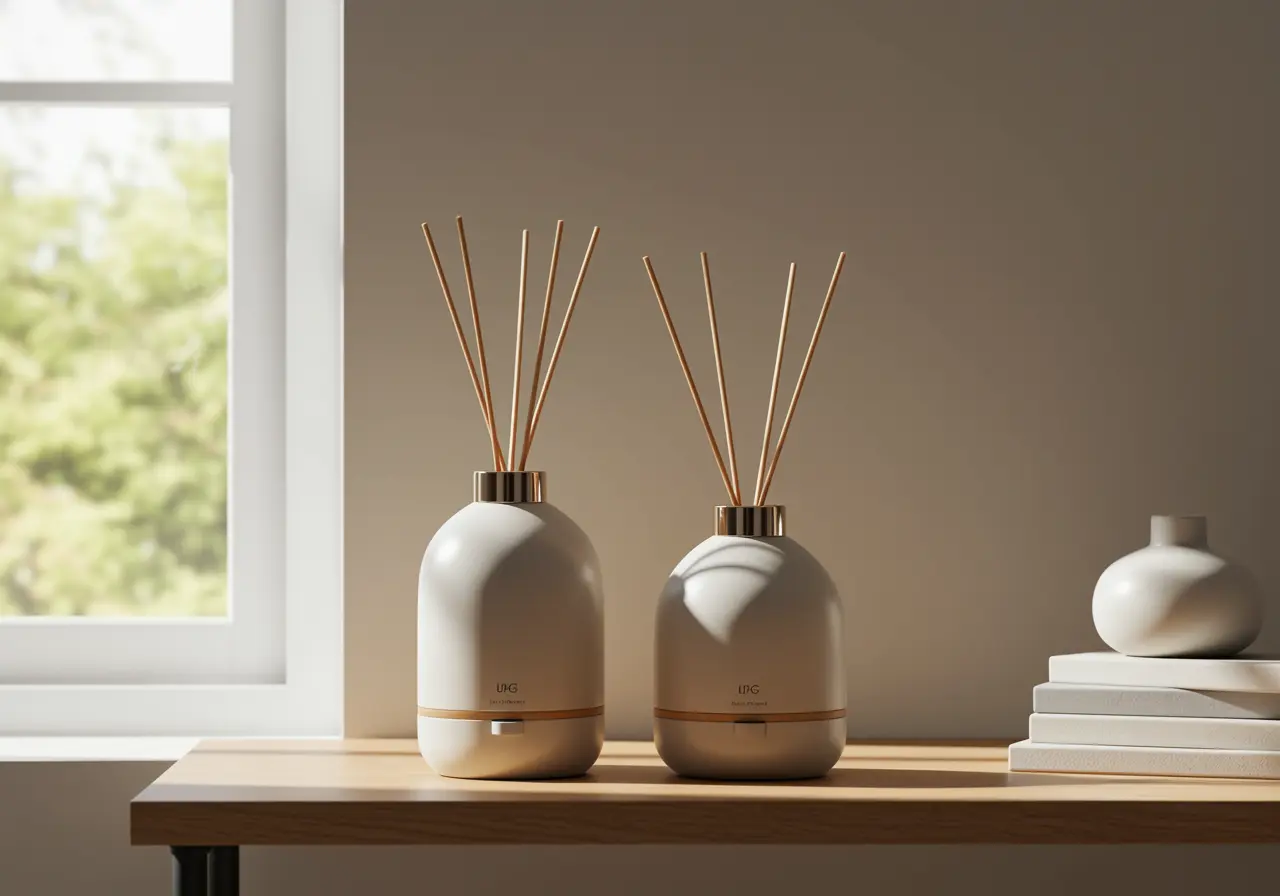
Passive diffusers make more sense than a full diffuser when the space is small, the scent goal is subtle, or you want a low-maintenance aromatic presence rather than an obvious misting session. They are especially useful for bedside tables, desks, entryways, bathrooms, and other zones where gentle background aroma feels better than full-room diffusion.
The strength of passive diffusion is restraint. It gives you a softer aromatic layer without asking for water, electricity, or stronger output. If the room only needs a slight shift rather than a full scent event, passive diffusion is often the better tool.
Why Small Spaces Often Want Less Aroma
In a large living room, a fuller diffuser session can make sense because the scent has space to spread. Small spaces work differently. Bedside zones, desk corners, and bathrooms amplify aroma quickly, so even a little output can feel like a lot. That is why passive diffusion often feels more natural there.
It also matches the way these spaces are used. A bedside table usually wants a quiet, evening-friendly presence. A work desk often needs focus without distraction. An entryway may only need a clean greeting moment, not a strong cloud of scent. Passive diffusers fit these smaller purposes well.
Where Passive Diffusers Make the Most Sense
Bedrooms are a natural match because they often benefit from softer atmosphere rather than continuous output. A passive diffuser by the bed can support a calmer evening mood without making the room feel dense. Desks and study corners are another good fit, especially if you want a fresh cue without turning the scent into a distraction.
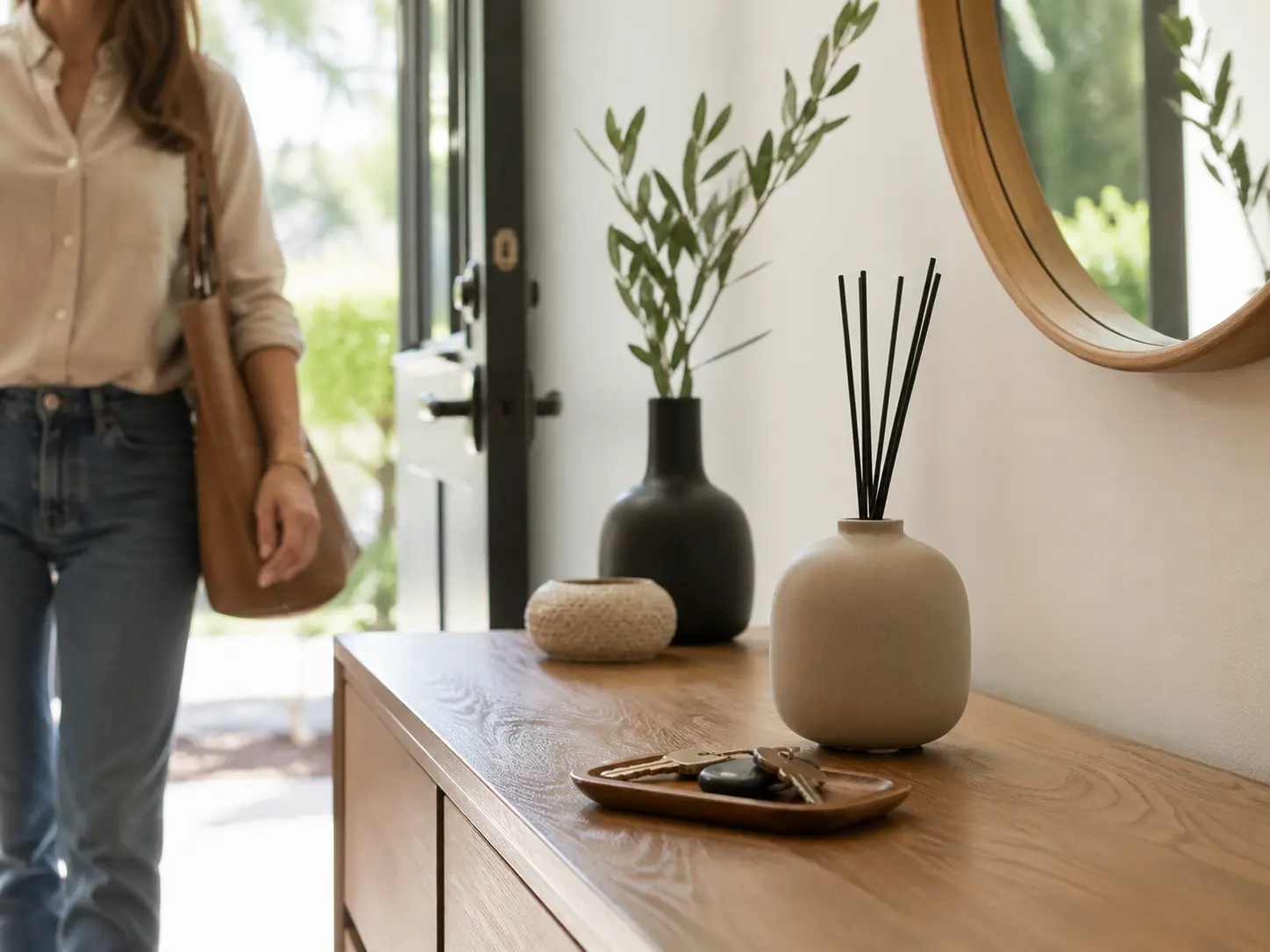
Entryways and bathrooms are also strong candidates. These are places where a gentle, lived-in freshness can be more welcoming than a strong diffuser running on a timer. If the room is already small and the routine is simple, passive diffusion often feels more elegant.
Good Passive Diffuser Spots
Bedside tables
Good for softer evening atmosphere without turning sleep scent into a major event.
Work desks
Useful when you want a cleaner, fresher desk feeling without full-room diffusion.
Entryways and bathrooms
Great for subtle “clean-home” or guest-ready scent instead of obvious fragrance.
When a Full Diffuser Still Makes More Sense
Passive diffusion is not a replacement for everything. If you want to shift the mood of a larger room, make a space feel guest-ready quickly, or create a clear diffuser-blend experience, a full diffuser is still usually the better tool. The main question is not which one is “better” overall. It is which one matches the actual job.
That is why this topic pairs so naturally with room-by-room diffuser decisions. Some spaces want atmosphere. Others want just enough scent to make the corner feel considered.
Keep the Aroma Light and Intentional
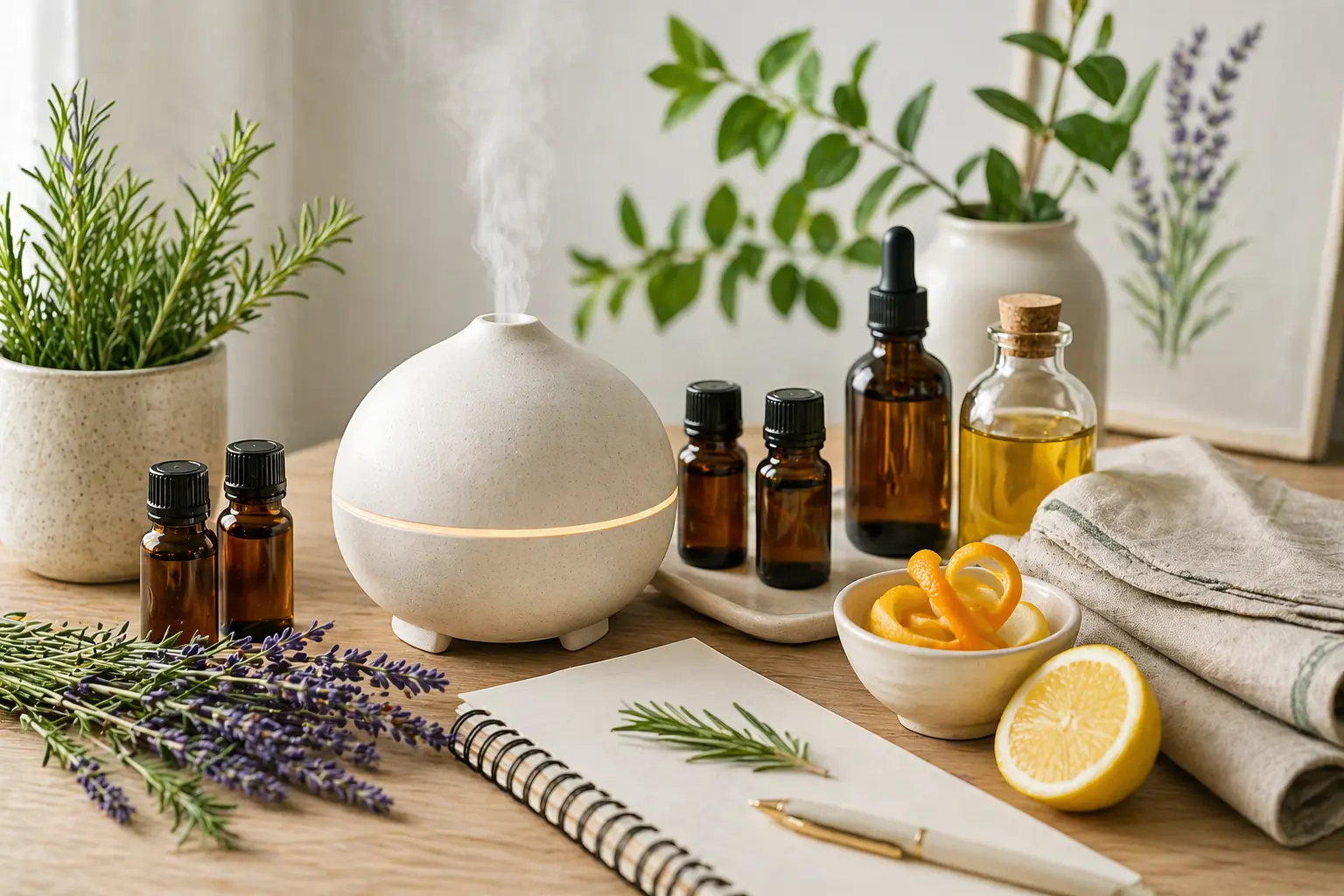
Passive diffusers usually work best with cleaner, softer, and more breathable oils. Heavy sweetness can feel stale more quickly in a tiny area, while lighter citrus, woods, herbs, or soft florals often feel fresher. Because the scent stays close to the object, the goal is intimacy, not projection.
If you like the idea of passive diffusion, think of it as part of a quieter home layer. It can support a work rhythm, a clean entryway, or a gentler bedside routine without making the room feel managed by aroma.
Small-space reminder: When the room is compact, gentle scent often feels more polished than strong output. Passive diffusion is useful precisely because it knows how to stay in the background.
Beginner Basics
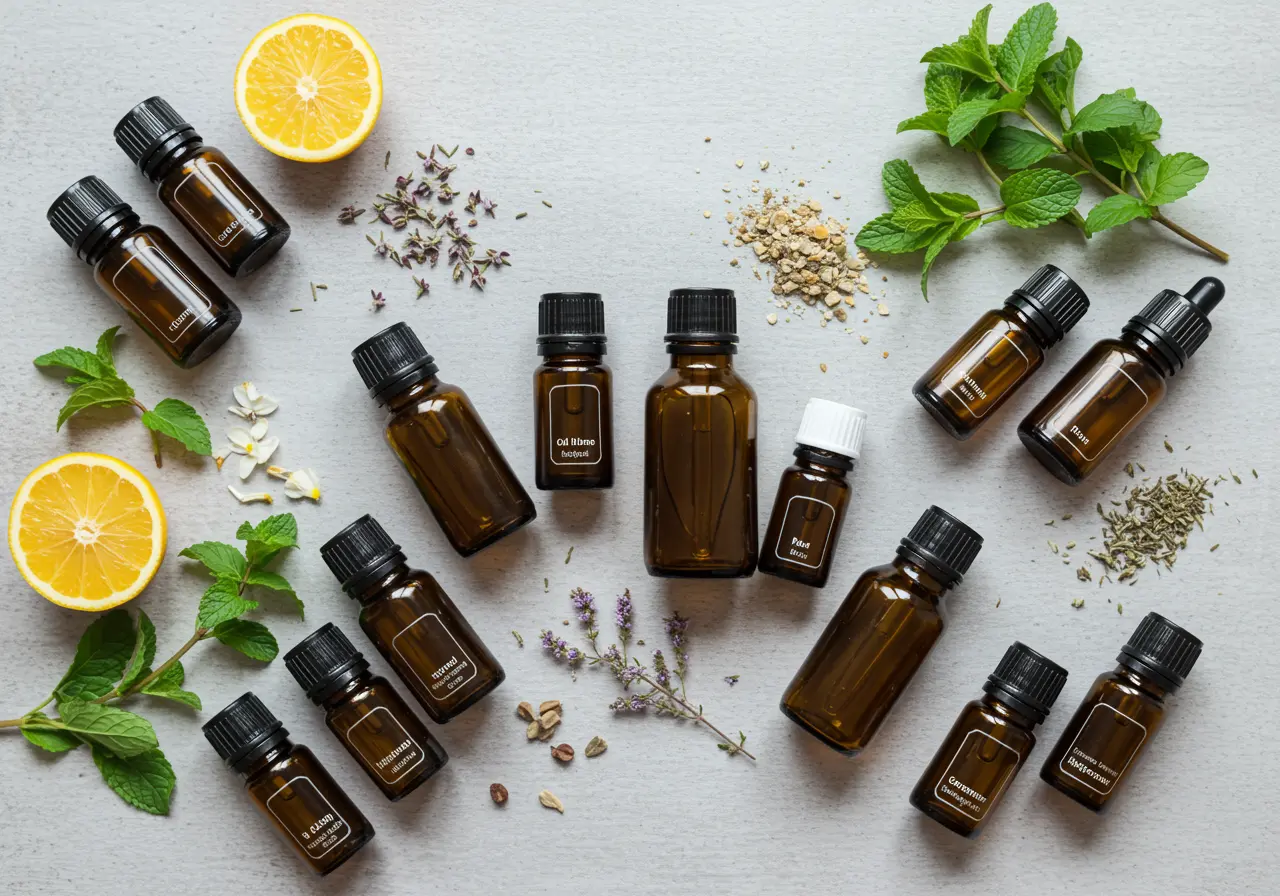
50 Simple Ways to Use Essential Oils in Everyday Life
A practical, easy-to-scan collection of 50 beginner-friendly essential oil ideas for home routines, textiles, mood, gentle DIY, and everyday atmosphere.
Beginner Basics
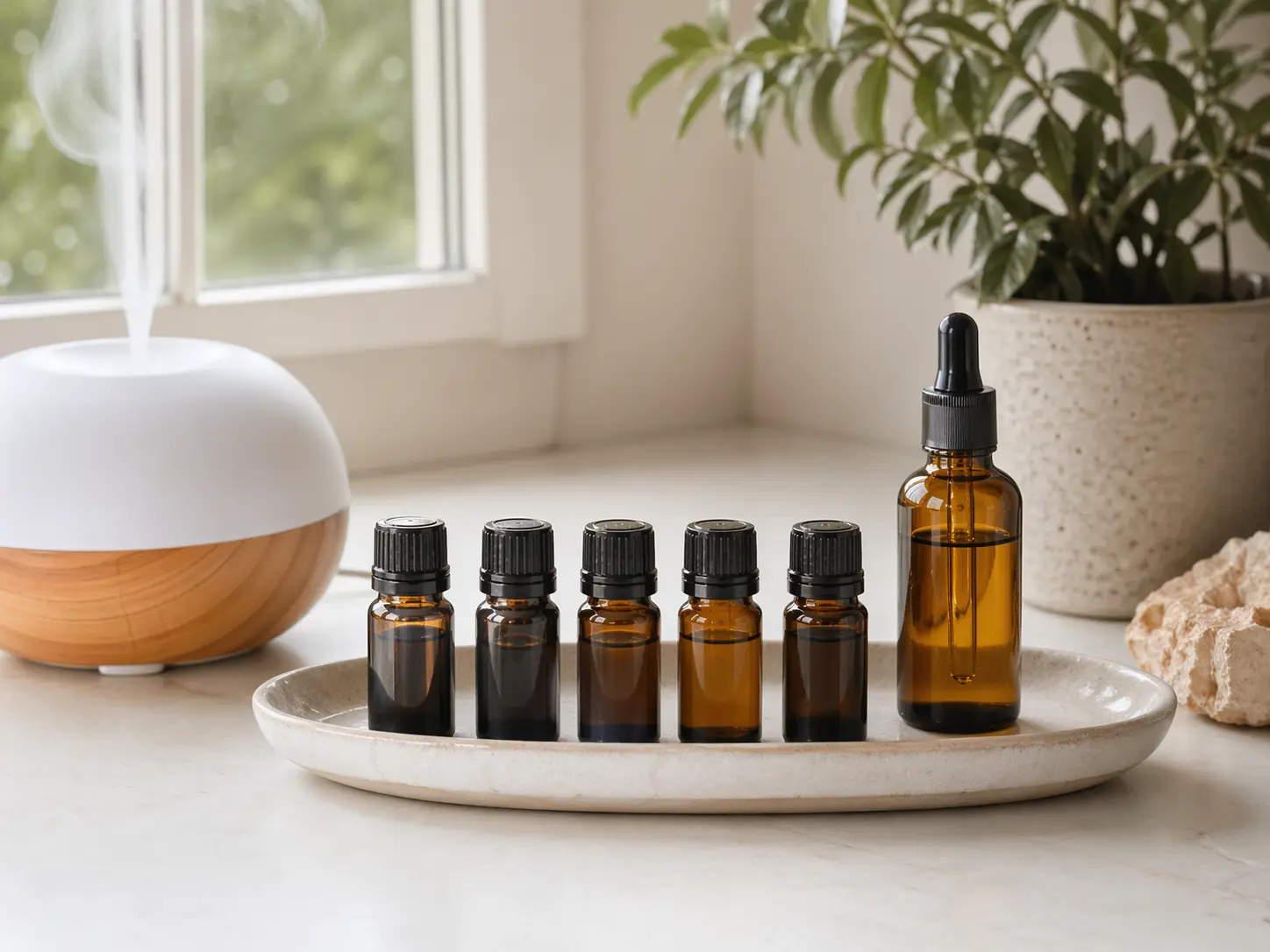
How to Substitute Essential Oils in Recipes and Blends
Learn how to swap essential oils more intelligently by comparing aroma family, strength, mood, and safety instead of guessing by common name alone.
Beginner Basics
How to Build a Small Essential Oil Collection That Actually Gets Used
Build a small, useful essential oil collection around real routines, not overbuying, so the oils you keep are the ones you actually reach for.
Beginner Basics
Easy Essential Oil Habits That Are Realistic for Beginners
A plain-English beginner guide to a few easy essential oil habits that are actually sustainable, useful, and simple to keep up in real life.
Further Reading and Sources
These related pages help connect passive diffusion to room choice, focus routines, and low-key home atmosphere.