
How to Tell When an Essential Oil No Longer Smells Right
Safety
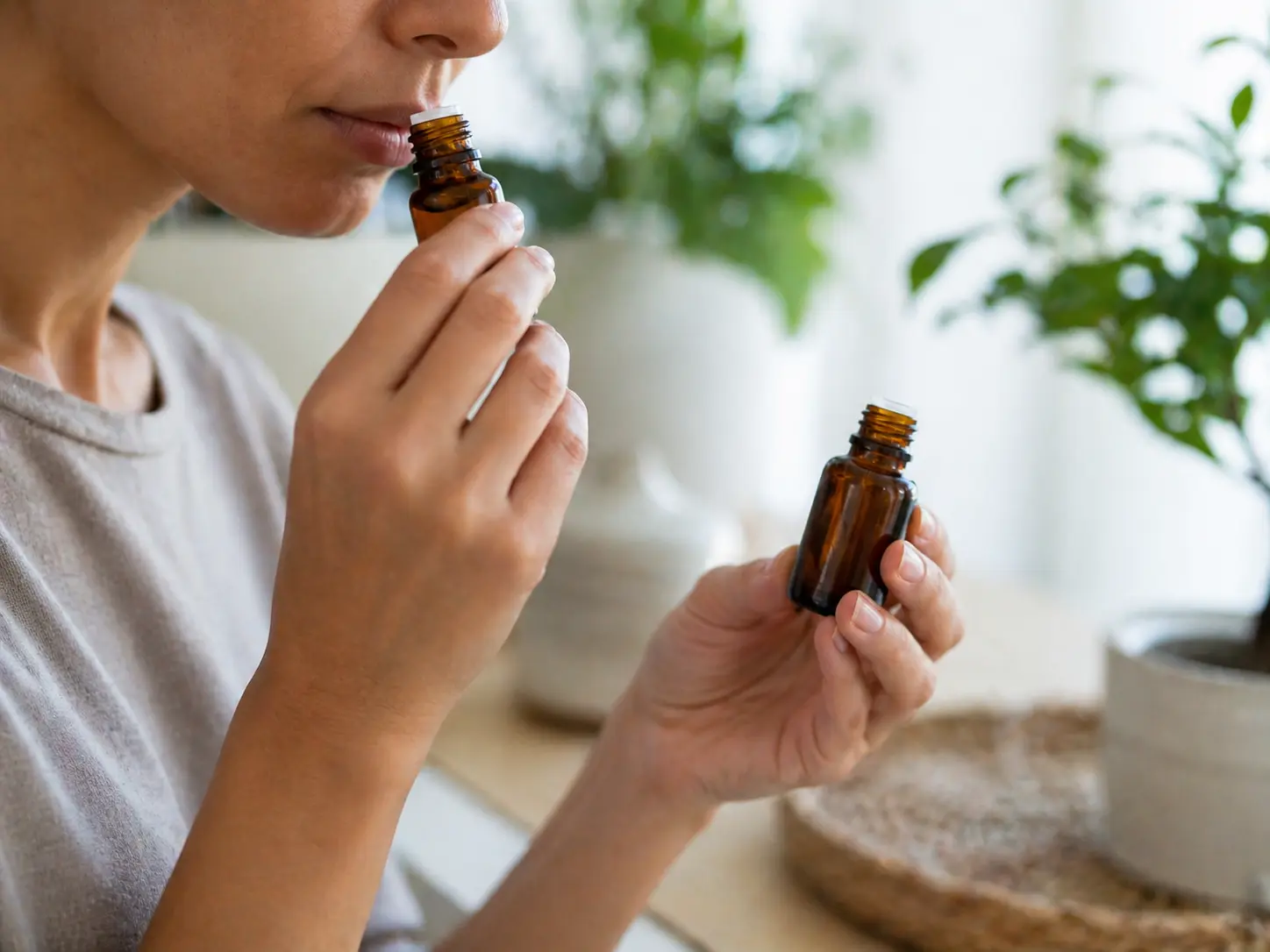
One of the most useful safety habits with essential oils is simply noticing when a bottle no longer smells like itself. That sounds obvious, but in practice many people keep using old bottles on autopilot because the label is still there, the liquid is still there, and nothing looks dramatically wrong from across the room.
Smell is often the first signal that something has changed. A once-bright oil may seem dull, rough, sharper than it used to be, or just strangely “off” in a way that is hard to name. That is not a reason to panic, but it is a reason to pause. Your nose is giving you information, and in everyday home use that information matters.
Quick Answer
You can often tell an essential oil no longer smells right when the aroma feels noticeably flatter, harsher, duller, or simply less like the oil you remember. Citrus oils may lose brightness, fresh herbaceous oils may seem rougher, and deeper oils may feel muddier or less balanced than before.
The point is not to judge tiny differences with absolute certainty. The point is to notice clear changes in the bottle’s character. If a smell feels significantly different from what you expect, that is worth taking seriously, especially if the oil is older or has not been stored carefully.
Why Smell Is Such a Useful Safety Clue
Essential oils are aromatic materials first and foremost, so it makes sense that scent is one of the clearest ways to notice when something has shifted. You do not need a lab report to tell you that a bottle smells less fresh than it used to. In everyday use, that observation alone can already be valuable.
This is especially important because changes are often gradual. A bottle usually does not go from perfect to unusable in one dramatic moment. Instead, the aroma drifts a little over time. If you keep noticing those shifts, you are much less likely to use an older bottle carelessly just because it still looks familiar.
What “Not Right” Often Feels Like
People describe this in different ways, but the pattern is often similar. A citrus oil may lose sparkle and smell flatter. A once-fresh herbal oil may feel sharper or a little rough around the edges. A deeper oil may seem heavier, less clear, or simply less pleasant than you remember. Sometimes the easiest description is just that the bottle no longer smells like itself.
That kind of change does not always come with a strong visual sign, which is why it can be easy to overlook if you are using the oil out of habit. But if the aroma has clearly shifted, the oil deserves more caution than a bottle that still smells clean, recognizable, and balanced.
Signs to Pay Attention To
Less brightness
The oil smells muted or less lively than it used to, especially in fresher families.
Rougher aroma
The smell feels harsher, stranger, or less pleasant than you expect from that bottle.
Blend mismatch
The oil suddenly behaves differently in blends you used to know well.
Storage Usually Explains a Lot
When a bottle smells off, storage is one of the first things worth thinking about. Was it sitting in warmth? Did it live in bright light? Has it been opened casually again and again? The answers do not have to be perfect, but they often help explain why an oil may have changed.
That is one reason this article pairs so closely with how to store essential oils so they last longer and why oxidized essential oils smell and behave differently. Smell changes usually do not happen in isolation. They are part of a larger storage and time story.
Trust the Difference, Not the Drama
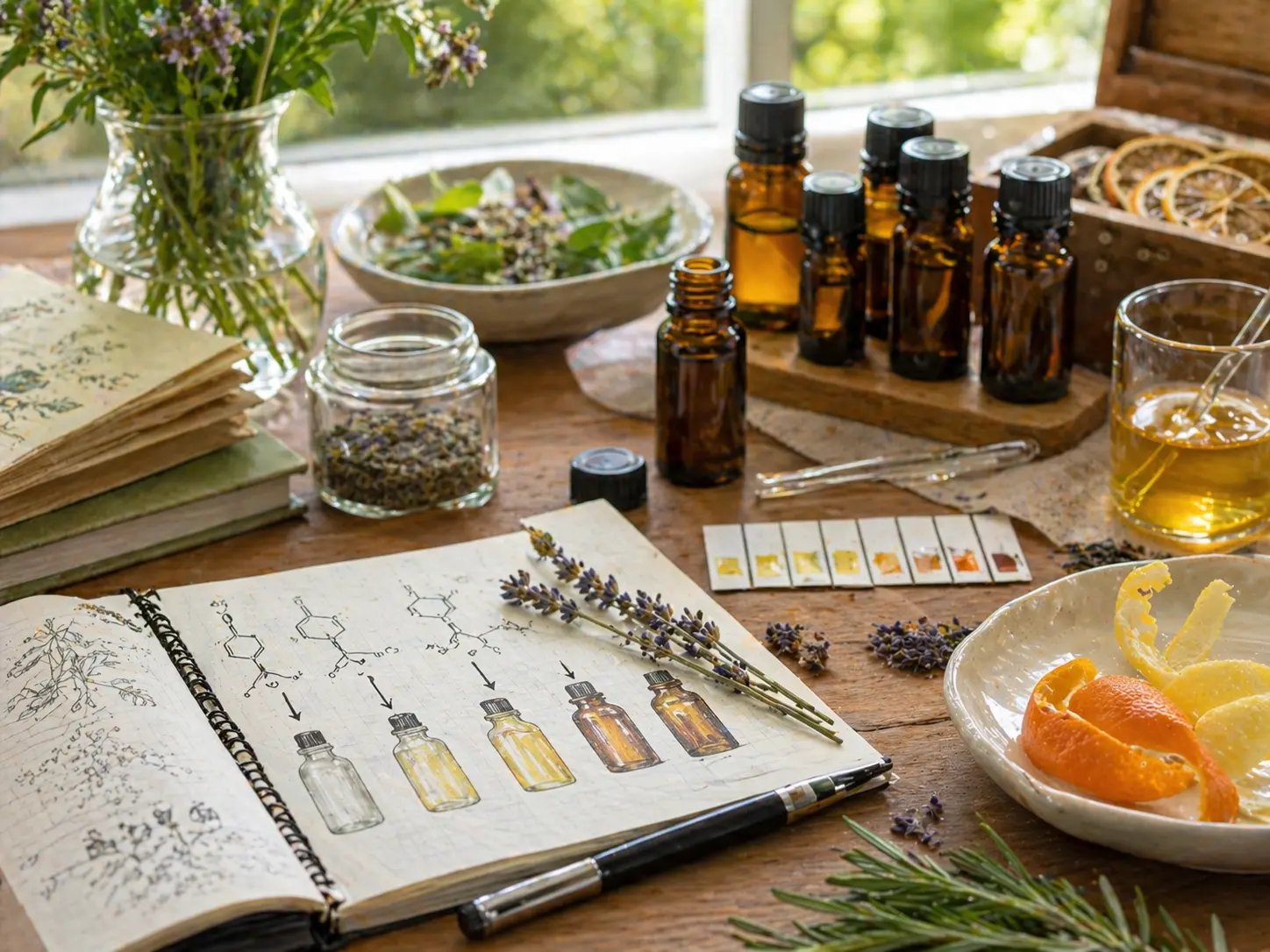
You do not need to wait for a dramatic chemical smell or a completely ruined bottle before treating the oil differently. In many cases, the most practical safety response is simply to trust that a clear change matters. A bottle that smells noticeably off is no longer giving you the same information or the same experience it once did.
That mindset is especially useful for people who keep oils for a long time or rotate through many different bottles. When in doubt, a more cautious response is usually wiser than assuming the oil is fine just because it still pours.
Safety reminder: If an oil smells clearly different from the way it used to, that change itself is useful information. The safest habit is to pause and reassess rather than pushing ahead automatically.
Safety
How to Store Essential Oils So They Last Longer
Learn how light, heat, oxygen, storage habits, and household safety affect essential oil shelf life so your bottles stay more stable and usable for longer.

Safety
How to Use Essential Oils More Carefully Around Sensitive Guests
A practical guide to using essential oils more thoughtfully when visitors, family members, or overnight guests may be more sensitive to scent than you are.

Safety
Pregnancy and Smell Sensitivity: Why Scent Routines Often Need to Change
A practical, low-drama guide to why scent tolerance often shifts during pregnancy and how to simplify essential-oil routines when smells become too intense, nauseating, or unpredictable.
Safety
Why Some People Suddenly Stop Tolerating a Favorite Oil
A practical guide to why a once-loved essential oil can suddenly start feeling wrong, including oxidation, routine overload, hormonal shifts, room context, and the difference between quality and tolerability.
Further Reading and Sources
These related pages help connect smell changes to storage, oxidation, and overall essential oil safety habits.