
Why Oxidized Essential Oils Smell and Behave Differently
Science
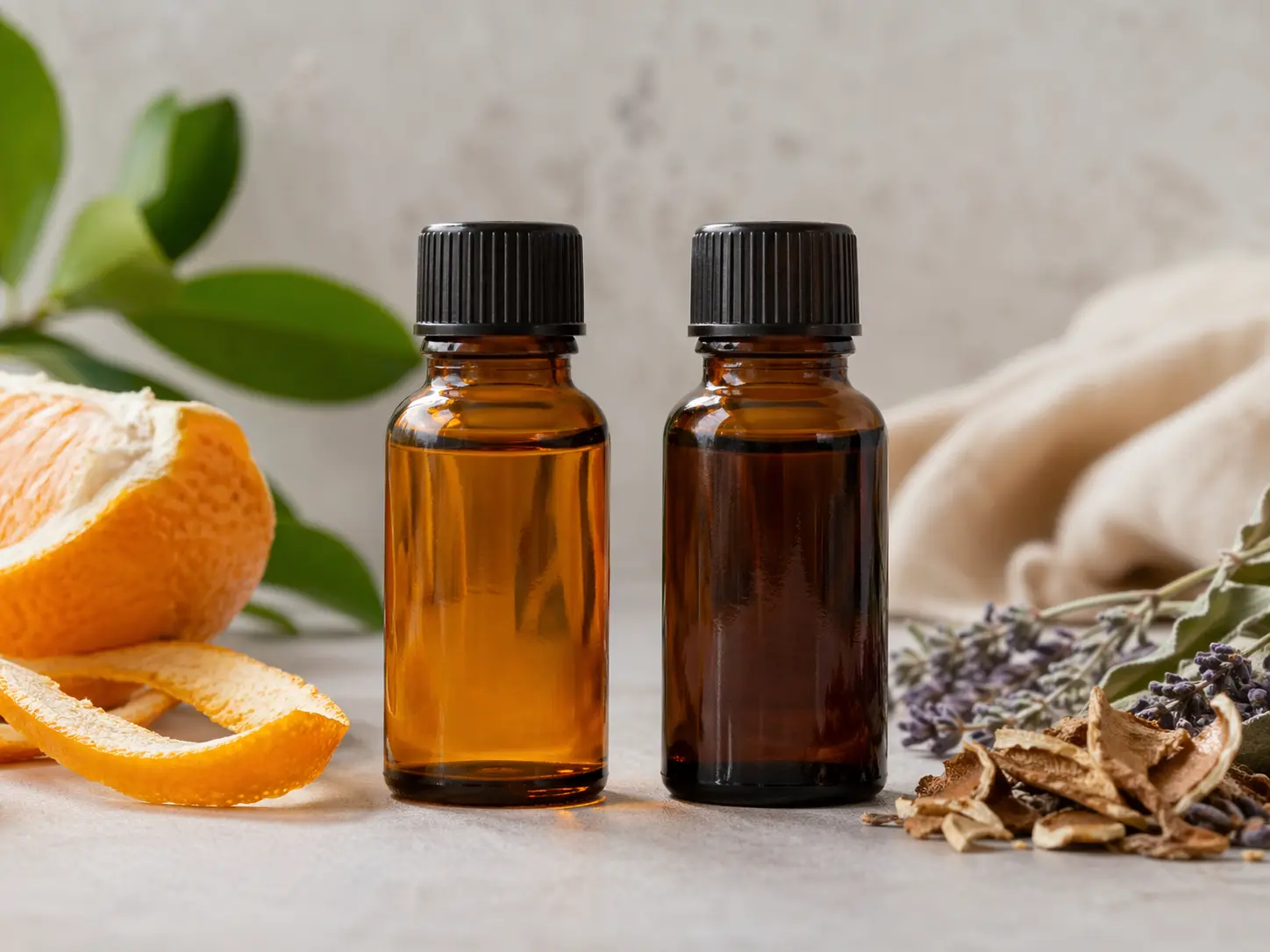
Essential oils do not stay exactly the same forever. Over time, light, heat, air exposure, and storage habits can gradually change how an oil smells and how it feels to work with. This process is usually described as oxidation, and it is one of the main reasons an oil can seem different months or years later even if the bottle still looks normal from the outside.
Oxidation matters because aroma is not just a nice extra in essential oils. It is part of what tells you something about the oil’s current condition. When an oil smells sharper, flatter, harsher, or simply less like itself, that shift is worth noticing. It does not mean panic. It does mean that time and storage have likely changed the oil in ways that matter for practical home use.
Quick Answer
Oxidized essential oils smell and behave differently because exposure to air, light, and heat gradually changes their aromatic compounds. Over time, a once-bright oil may smell flatter, sharper, rougher, or simply less balanced than it did when fresh. This matters for both scent quality and practical use.
The most helpful response is not guesswork but awareness. If an oil smells noticeably different, feels less pleasant to use, or has clearly been stressed by poor storage, it is worth treating it more cautiously. Good storage habits help slow this process, but they do not stop time completely.
What Oxidation Actually Means
In simple terms, oxidation is what happens when an oil’s chemistry shifts through ongoing exposure to the environment, especially oxygen. Essential oils are made of volatile aromatic compounds, and those compounds do not remain perfectly unchanged once the bottle is in real-world use. Every opening, every warm room, and every long period in bright light creates a little more opportunity for change.
This is not unique to one oil type. It is part of working with natural aromatic materials in general. The practical question is not whether an oil can change, but how quickly that change happens and whether your storage habits are helping or accelerating it.

Why the Smell Changes First
Aroma is often the first place oxidation becomes noticeable. An oil that once smelled bright and clear may start to feel duller, rougher, or less recognizable. Citrus oils can lose some sparkle. Fresh herbaceous oils can feel flatter. Deeper oils can seem heavier or less balanced than they did when the bottle was newer.
This is why your nose is still one of the most practical tools you have. A changed smell does not automatically mean an oil is unusable in every context, but it does mean the bottle deserves more attention. It may no longer be giving you the same result, and that matters whether you are diffusing, blending, or simply evaluating the quality of the collection.
Signs an Oil May Have Shifted
Less brightness
The oil smells flatter or less lively than it once did, especially in fresher families like citrus.
Rougher edges
The aroma feels sharper, harsher, or less balanced when you open the bottle.
Changed behavior
The oil no longer works in blends the same way it used to, even if the label and bottle look fine.
Storage Habits Shape the Outcome
Oxidation is closely tied to storage. A bottle kept tightly closed in a cool, dark place usually holds up better than one that lives on a bright shelf or in a warm bathroom. Repeated casual opening matters too. The more often the bottle is left uncapped or handled loosely, the more exposure it accumulates.
This is why storage guidance is more than housekeeping. It directly affects how the oil is likely to smell later. If you have already read how to store essential oils so they last longer, oxidation is the next piece of the same conversation.

Why This Matters in Real Use
From a home-use perspective, oxidation matters because it changes the experience of the oil. A blend may no longer smell the way you expect. A once-favorite citrus may feel tired. A formerly gentle profile may seem less pleasant or less usable in close daily routines. Even if you are not thinking in technical chemistry terms, those practical changes still affect how helpful the bottle feels.
For that reason, it helps to treat old or clearly stressed oils with more caution and more honesty. If the aroma has changed significantly, trust that observation. You do not need a dramatic visual sign before deciding that a bottle may no longer be in its best state.
Practical takeaway: Oxidation is a normal part of time and storage, but better habits slow it down. When an oil smells clearly different, that is useful information, not something to ignore.
Science
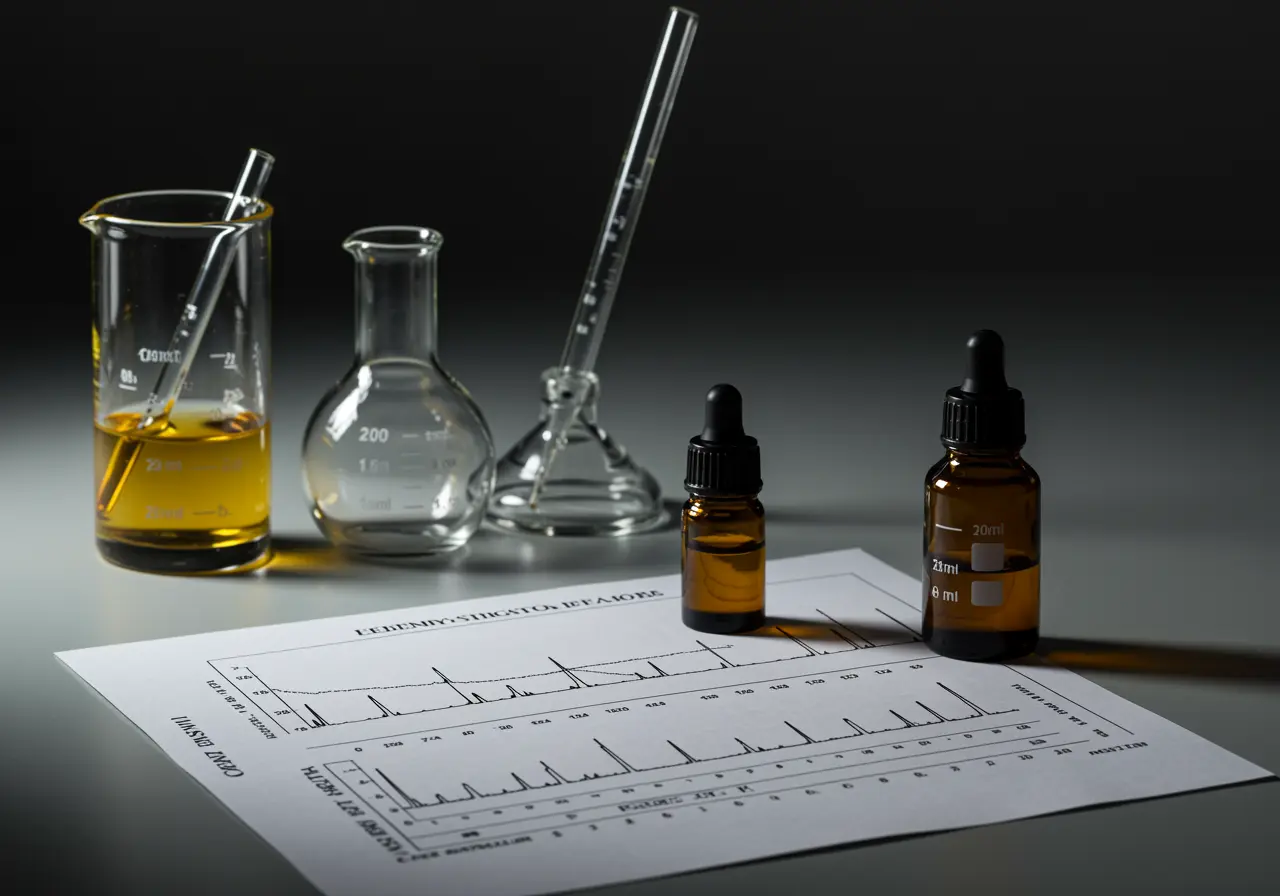
What Is a GC/MS Test in Essential Oils?
A practical, plain-English guide to what GC/MS reports show, what they do not prove, and how to read them without overestimating what a lab sheet can tell you.
Science
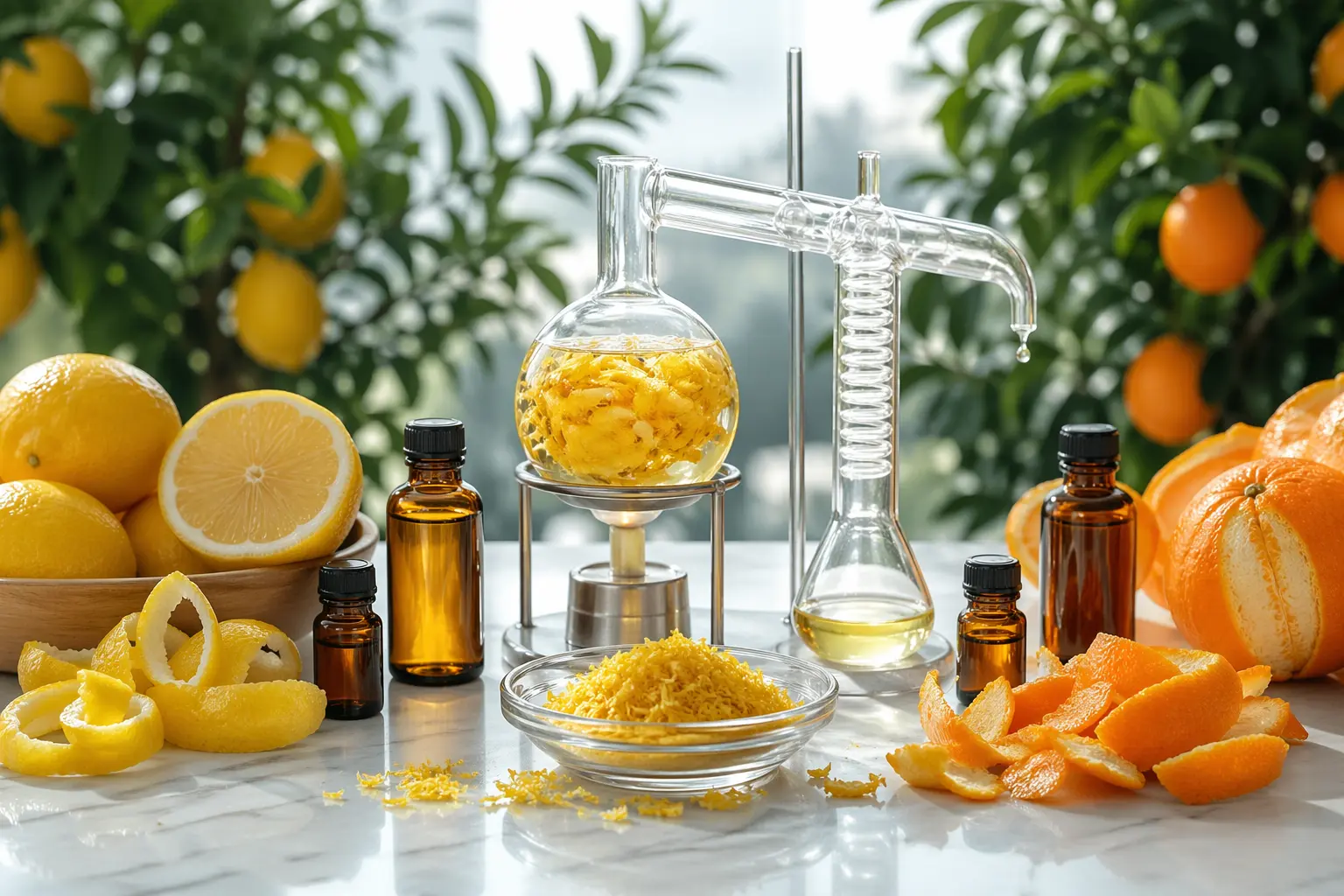
Cold Pressed vs Steam Distilled Citrus Oils
Learn how extraction changes aroma, phototoxicity concerns, and practical home use when comparing cold pressed and steam distilled citrus essential oils.

Science
Migraine and Essential Oils: Why the Evidence Is More Mixed Than the Internet Suggests
A plain-English look at what migraine research on essential oils actually suggests, where the evidence is thin, and why a soothing ritual is not the same thing as a proven migraine treatment.
Science
What a GC/MS Report Still Cannot Tell You About an Essential Oil
A deeper follow-up to GC/MS basics, explaining what even a good chemistry report still cannot prove about freshness, adulteration, storage history, ethics, batch representativeness, or real-world fit.
Further Reading and Sources
These related pages help connect oxidation to storage, quality interpretation, and practical home use.