
Science
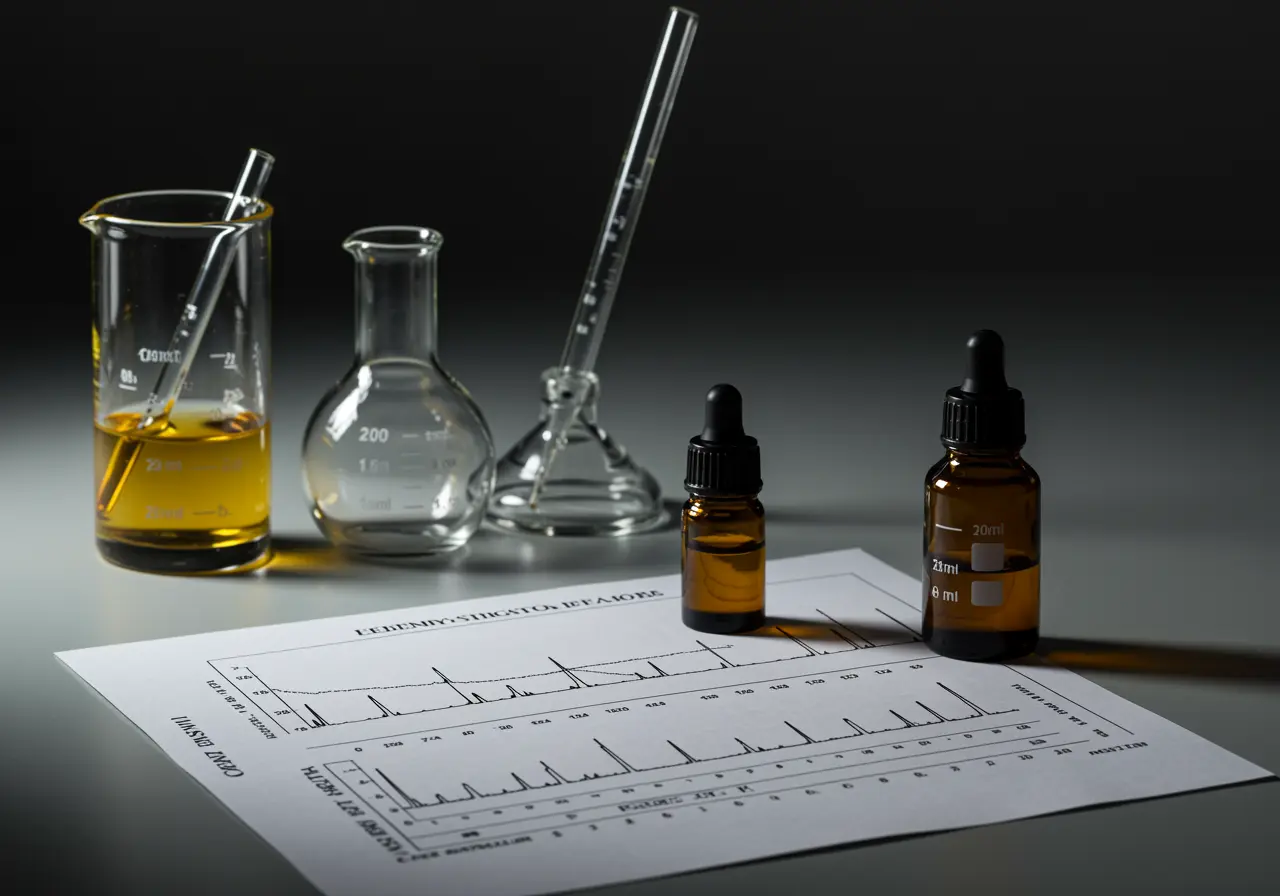
What Is a GC/MS Test in Essential Oils?
A practical, plain-English guide to what GC/MS reports show, what they do not prove, and how to read them without overestimating what a lab sheet can tell you.
Lifestyle
GC/MS, extraction methods, botanical identity, oxidation, aroma chemistry, and other plain-English science topics.
Science
A practical, plain-English guide to what GC/MS reports show, what they do not prove, and how to read them without overestimating what a lab sheet can tell you.
Science
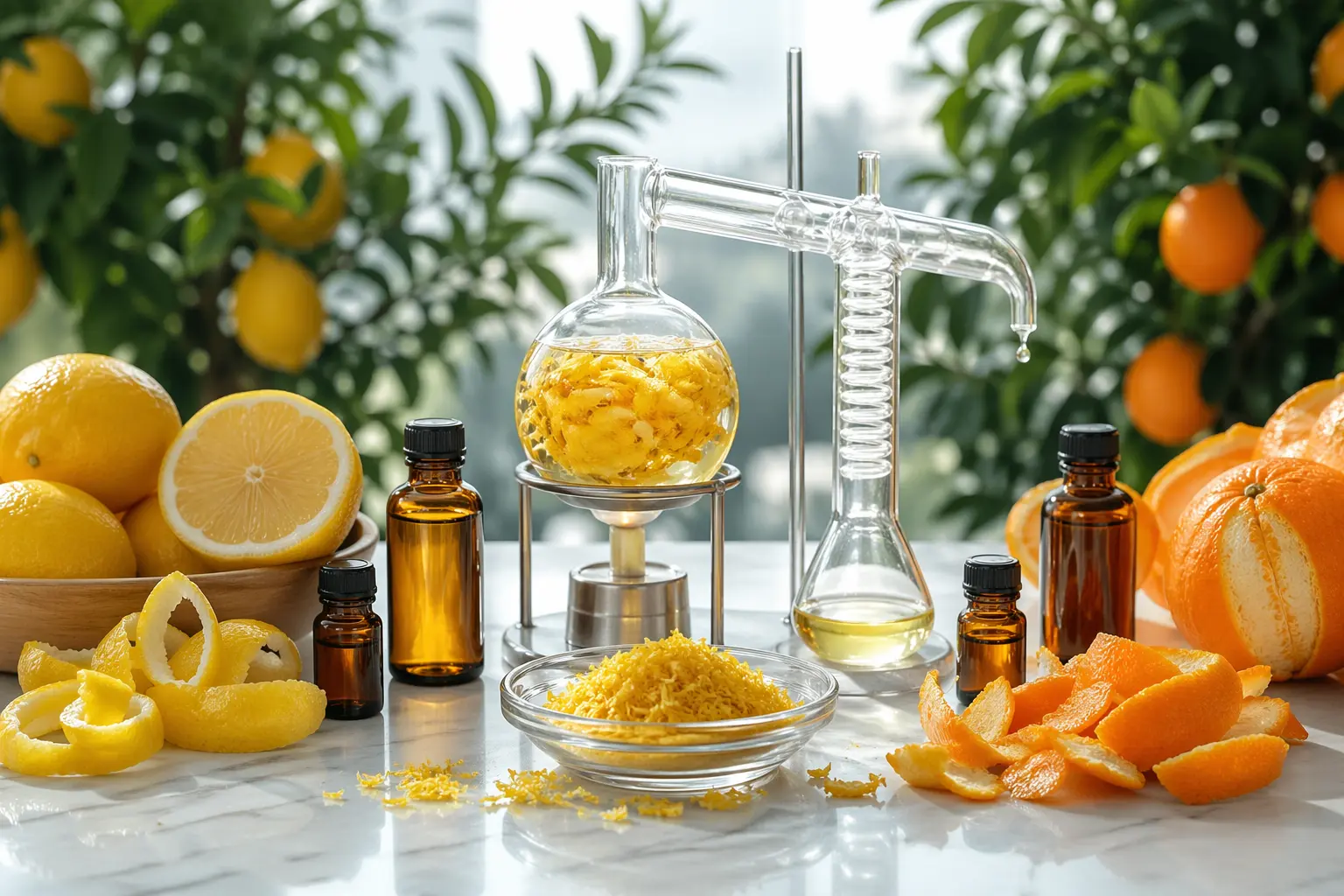
Learn how extraction changes aroma, phototoxicity concerns, and practical home use when comparing cold pressed and steam distilled citrus essential oils.
Science
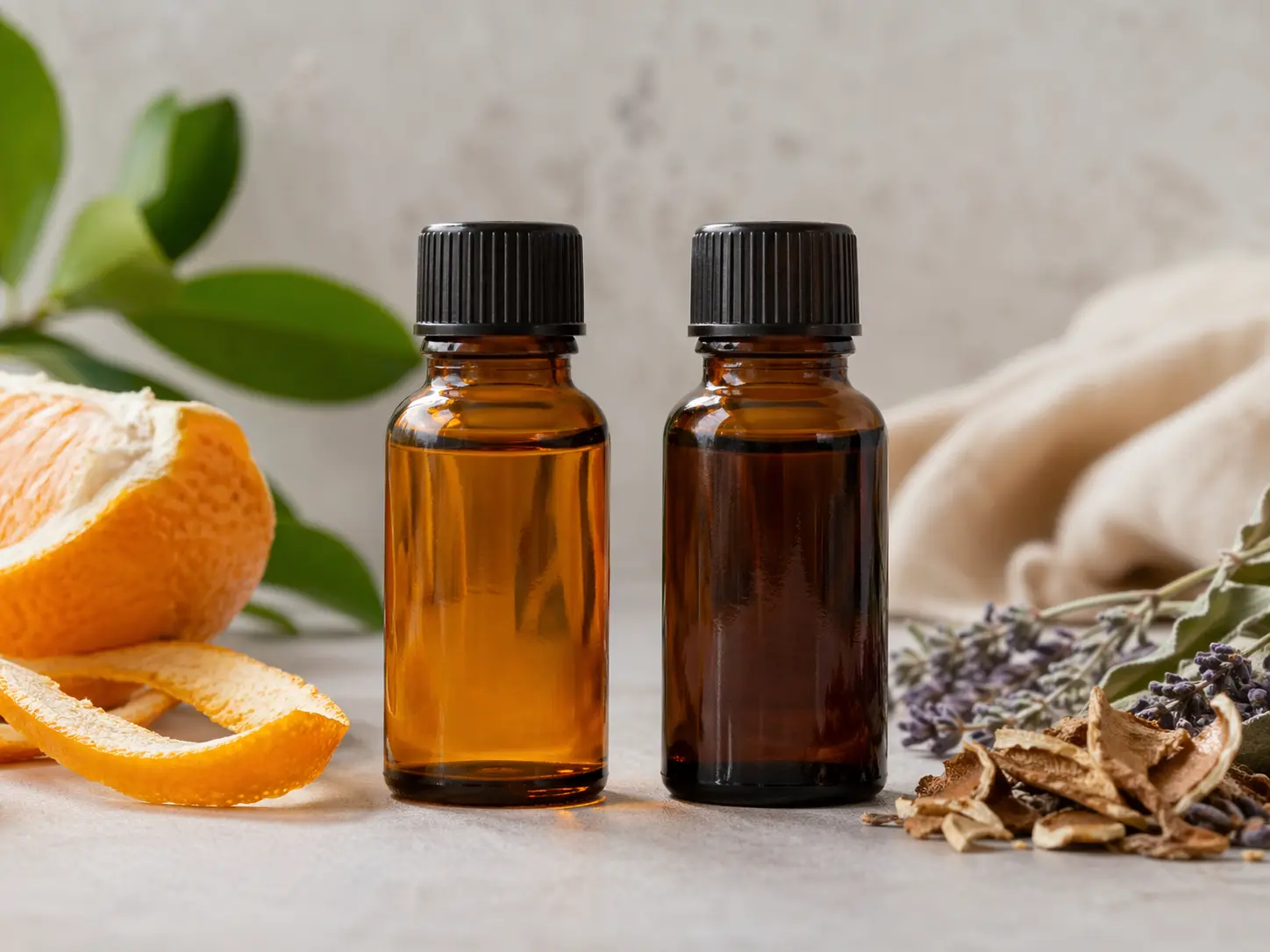
A plain-English guide to what oxidation does to essential oils over time, why aroma changes matter, and how storage habits shape how an oil smells and behaves later on.

Science
A plain-English look at what migraine research on essential oils actually suggests, where the evidence is thin, and why a soothing ritual is not the same thing as a proven migraine treatment.
Science
A deeper follow-up to GC/MS basics, explaining what even a good chemistry report still cannot prove about freshness, adulteration, storage history, ethics, batch representativeness, or real-world fit.

Science
A plain-English guide to what people usually mean by “therapeutic grade,” why the phrase sounds more decisive than it is, and what actually matters more when judging essential oil quality.

Science
A detailed, plain-English guide to what sleep research on essential oils actually suggests, where the evidence is most consistent, why lavender dominates the literature, and what realistic home use still looks like.

Science
A practical guide to olfactory adaptation, scent fatigue, and why a blend can seem flatter, harsher, sweeter, or less impressive simply because your nose and context have changed.

Science
A practical scent-structure guide to diagnosing why a blend feels heavy, flat, too sharp, or unfinished, and whether it needs more lift, greener structure, or a softer landing.