
How to Tell Whether a Blend Needs More Air, More Green, or More Softness
Science
.webp)
Many blends do not fail because the ingredients are wrong. They fail because the shape is wrong. A room blend can smell too padded, too flat, too sharp, too sweet, or somehow unfinished even when every oil in it is individually beautiful. What it often needs is not a brand-new concept, but a better balance of air, green structure, or softness.
Once you learn to listen for those three corrections, blending gets much easier. Instead of throwing random oils at the problem, you begin diagnosing what kind of help the blend is actually asking for.
Quick Answer
If a blend feels stuffy, crowded, or too upholstered, it may need more air. If it feels vague, sweet, or shapeless, it may need more green structure. If it feels harsh, thin, or overly pointed, it may need more softness to help the notes land.
These are not rigid formulas. They are editing instincts. The more clearly you can hear the problem, the fewer unnecessary changes you need to make.
What “More Air” Usually Sounds Like
A blend needs more air when it feels too close to the face. Not necessarily too strong, but too compressed. The notes may seem to sit on top of one another instead of breathing. A room blend can feel upholstered, muggy, or coated in itself even when the oils are technically pleasant.
In practice, more air often means bringing in brighter lift or simply reducing density. A citrus note, a clearer top, or more literal airflow in the room can all help. Sometimes the answer is not another oil at all. It is fewer drops and an open window.
What “More Green” Usually Means
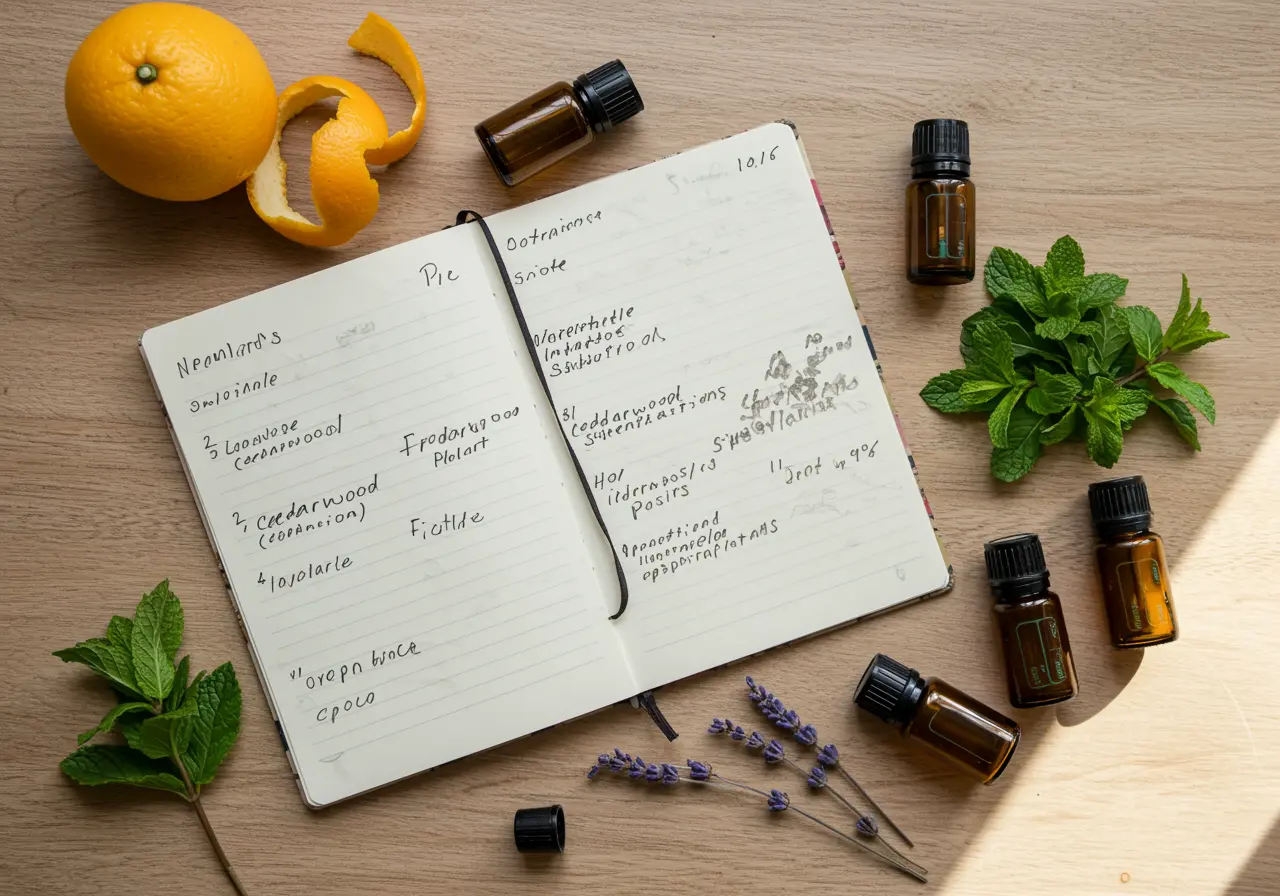
Green does not simply mean leafy. It is a structural feeling. It adds edge, freshness, dryness, and the sense that the blend has bones. If a blend smells pleasant but vague, sweet in a slightly blurred way, or too easy to forget, it may need a green note to keep it from collapsing into softness alone.
Rosemary, petitgrain, eucalyptus radiata, and some cypress-like or herbaceous directions often help here. They do not just freshen the blend. They define it.
What “More Softness” Is Trying to Fix
Softness becomes important when a blend feels too pointed, too sharp, or emotionally cold. A blend can be technically clean and still feel unpleasant to live with if every note arrives too directly. Softness does not mean making it sweet. It means giving the aroma somewhere to land.
That often comes from oils like lavender, sweet orange, roman chamomile, or a little gentle wood depending on the blend. The goal is not to blur the identity. It is to stop the blend from sounding like a list of edges.
Simple Ways to Diagnose a Blend Faster
If it feels crowded
Think air first: fewer drops, more lift, or a brighter top note.
If it feels bland or too rounded
Think green: herbs, petitgrain, or a drier structure note.
If it feels sharp or severe
Think softness: one note that rounds the edges without burying the shape.
Why People Often Misdiagnose the Problem
A common mistake is assuming every imbalance should be solved by adding something richer. But richness is not the same as completion. A blend can be incomplete because it is too dense, not because it is too simple. It can feel “unfinished” because it needs contrast, not because it needs more ingredients.
This is where How Scent Fatigue Changes the Way You Judge a Blend also matters. Sometimes the blend is not actually wrong. Your nose has just lost perspective. A short reset can tell you whether the problem is real or temporary.
The Room Still Gets a Vote
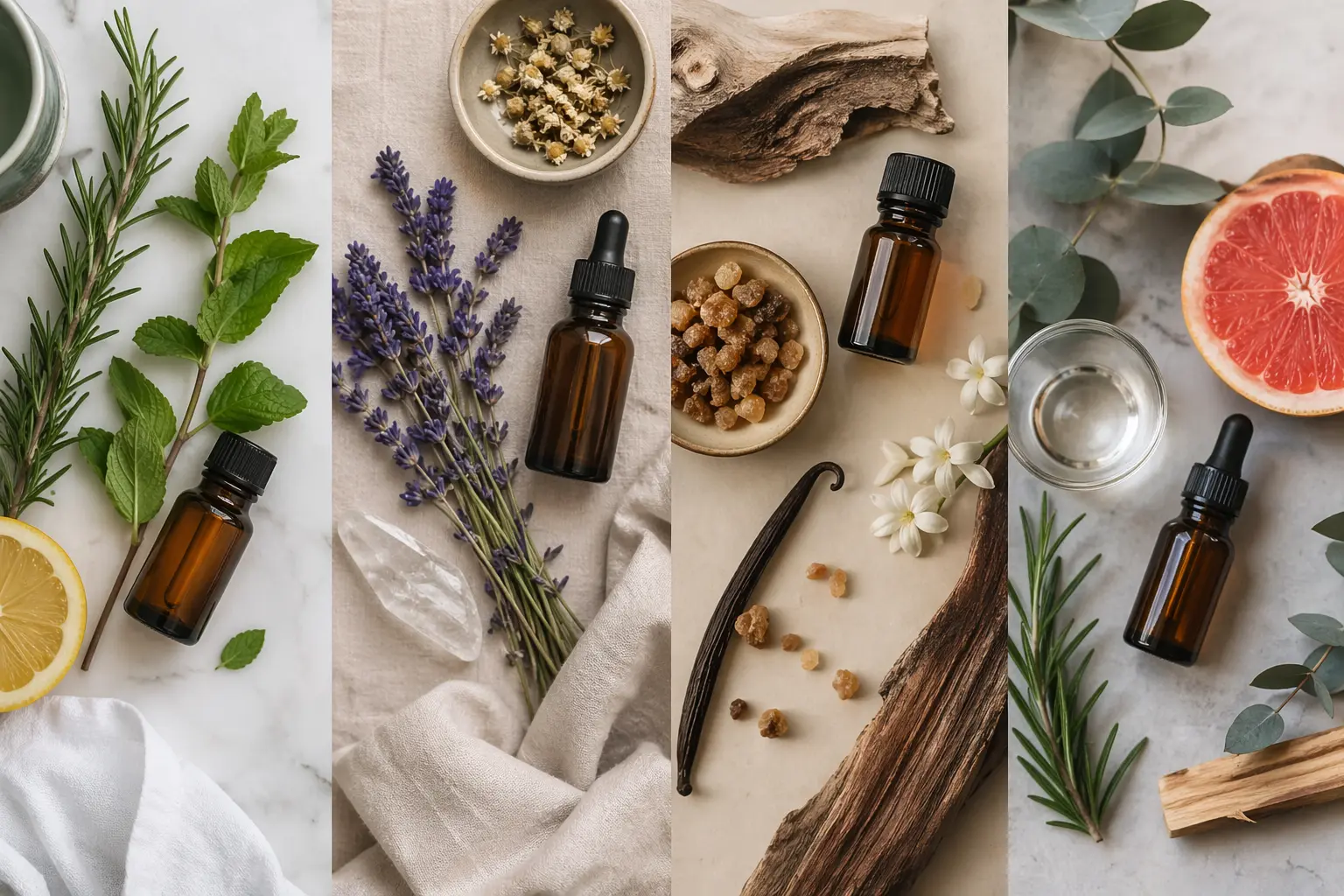
A blend that needs more air in one room may feel perfectly balanced in another. A green note that saves a sleepy daytime room may feel too brisk in an evening bedroom. Softness that helps a lounge corner may make a bathroom feel dull. This is why room fit matters as much as formula logic.
So while “air, green, or softness” is a useful editorial framework, the final answer still lives in use. A blend is successful when the room feels better, not when the ingredient list looks smarter.
Good Blending Is Often Subtractive
The longer you work with aroma, the more often you find that the best correction is not an elaborate rescue. It is one thoughtful shift. A little more brightness. One drier note. One softer edge. Fewer drops. More ventilation. Better timing.
That is good news, because it means better blends do not always require more oils. They often just require clearer listening.
Science
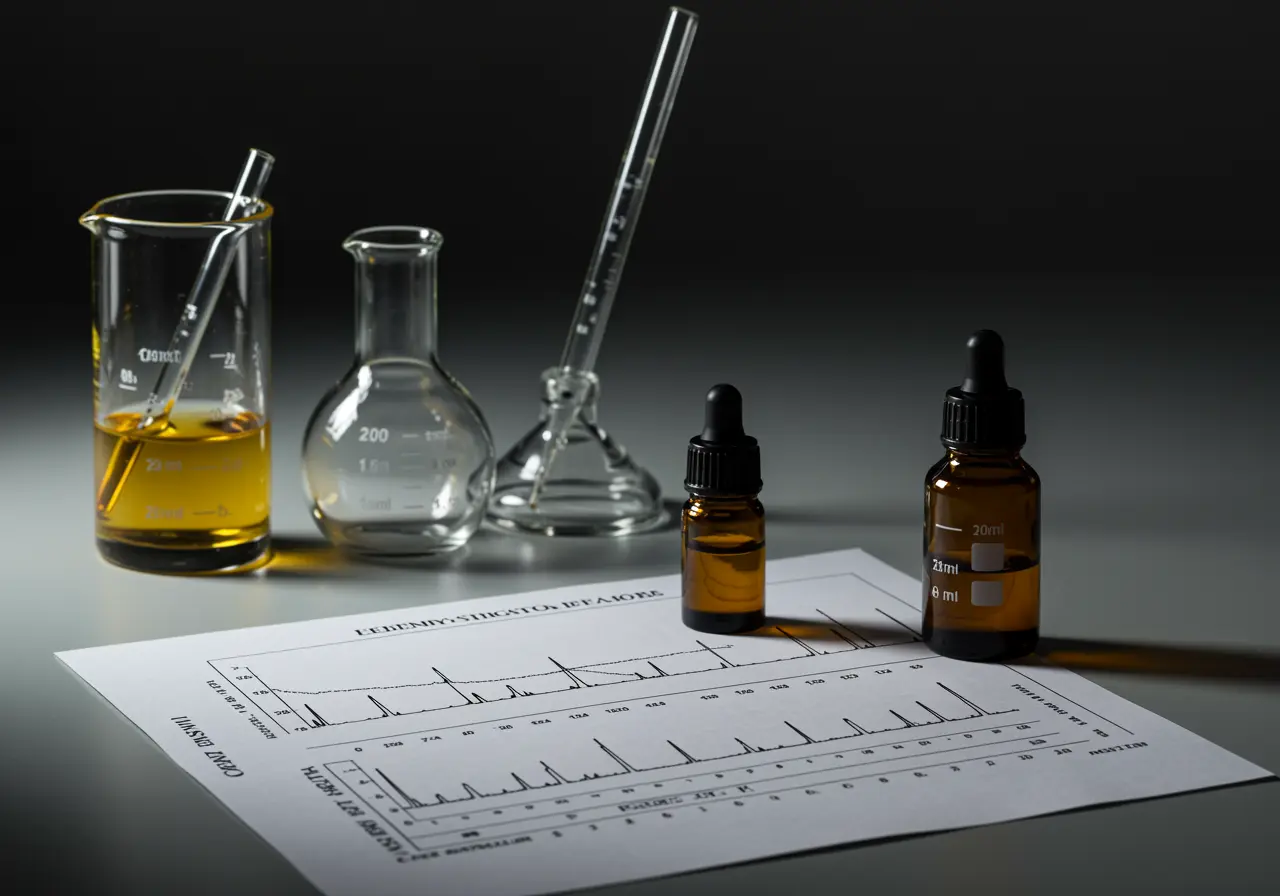
What Is a GC/MS Test in Essential Oils?
A practical, plain-English guide to what GC/MS reports show, what they do not prove, and how to read them without overestimating what a lab sheet can tell you.
Science
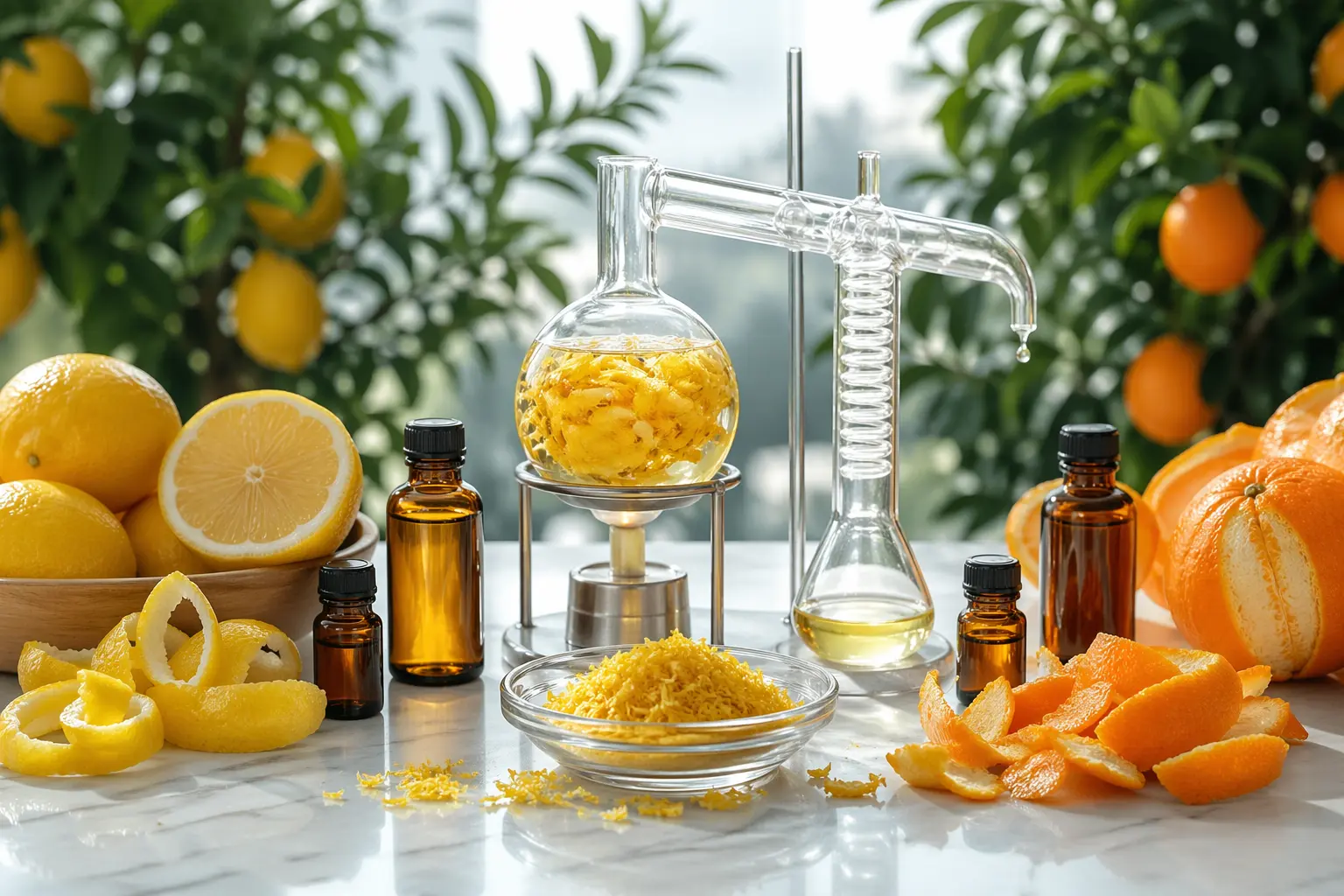
Cold Pressed vs Steam Distilled Citrus Oils
Learn how extraction changes aroma, phototoxicity concerns, and practical home use when comparing cold pressed and steam distilled citrus essential oils.
Science
Why Oxidized Essential Oils Smell and Behave Differently
A plain-English guide to what oxidation does to essential oils over time, why aroma changes matter, and how storage habits shape how an oil smells and behaves later on.

Science
Migraine and Essential Oils: Why the Evidence Is More Mixed Than the Internet Suggests
A plain-English look at what migraine research on essential oils actually suggests, where the evidence is thin, and why a soothing ritual is not the same thing as a proven migraine treatment.
Further Reading and Sources
These related reads help build the vocabulary behind practical blend editing.