
How to Choose the Lavender Mood That Actually Fits Your Routine
Wellness

Lavender is one of the easiest oils to overgeneralize. People often talk about it as if it has only one emotional color, but in practice lavender can feel airy, clean, sleepy, fabric-soft, floral, or even a little too present depending on how and where it is used.
That is why the better question is not simply “Should I use lavender?” It is “What kind of lavender mood am I actually trying to build?” Once that is clear, lavender becomes much easier to place well.
Quick Answer
Lavender works best when it is assigned a job. It can soften an evening room, calm a bedroom, make linen feel cleaner, or round out brighter blends. But those are not all the same mood, and they often need different partners, timing, and intensity.
If lavender keeps disappointing you, the problem may not be the oil. It may be that the room was asking for a different version of lavender than the one you gave it.
The Soft Evening Lavender
This is the lavender most people mean instinctively: the one that helps a room feel quieter near the end of the day. It often works best in bedrooms, reading corners, and the last stretch before sleep. In this role, lavender usually benefits from gentle partners such as roman chamomile or a little cedarwood atlas.
The sleep article What the Research Actually Says About Essential Oils and Sleep gives the science angle. But even outside sleep-specific use, this lavender mood is mostly about easing the air downward.
This is also the lavender role most reinforced by wellness content across the web, including Plant Therapy's newer lavender guide. Bedtime, calm-down time, and softer evening rituals remain the most recognizable lane for lavender because the aroma naturally supports a slower, less stimulating room tone.
Still, even here the details matter. A bedtime lavender that feels perfect in a lightly lit bedroom may feel strangely sleepy in a work corner or flat in a brighter living room. The room decides how much of lavender's softness feels welcome.

The Clean Linen Lavender
Lavender is not only sleepy. In laundry, bedding, towels, and drawers it often reads as cleaner, drier, and more fabric-friendly than people expect. This mood works well when paired with restrained citrus or simply allowed to stay light and quiet on its own.
If this is the direction you want, think textiles first. The related article How to Freshen Laundry and Linens with Essential Oils is a better companion than a bedtime guide because the context is doing different work.
Plant Therapy's older lavender-use content reinforces this practical side of the oil. Linen sprays, bath routines, and simple fabric refresh ideas show up again and again because lavender often performs beautifully when it is asked to feel tidy rather than deeply sedative.
That is an important distinction if you have ever found bedroom lavender too obvious. You may not dislike lavender at all. You may simply prefer it in a cleaner-textile register rather than in a "sleep now" register.
The Lavender That Smooths a Blend
Sometimes lavender is not the star at all. It is the blender. A bright citrus blend can feel less sharp with a little lavender behind it. A herbal blend can feel less severe. A room spray can read more polished. In this role, lavender is less about being noticed and more about making the rest of the composition land more gracefully.
This is one reason lavender can be so useful for beginners. It teaches structure, not just scent.
This smoothing role is often underappreciated because it is subtler. You might not think "this smells like lavender," but you notice that the blend feels less jagged, less thin, or less chemically bright. Lavender rounds edges in a way that many beginner collections genuinely benefit from.
It is especially good for people who like citrus and herbs but want those blends to feel more inhabitable over time. Lavender can keep them from becoming all top note and no landing place.
How to Choose the Right Lavender Direction
If the room is for winding down
Keep lavender soft, brief, and paired with slower oils rather than bright mint or harsh green notes.
If the room needs to feel cleaner
Use lavender in a lighter fabric or linen role with clean air and simple citrus support.
If the blend feels too sharp
Try using lavender as the softener rather than the headline.
Lavender Is Not Always the Right Answer
Because lavender is so familiar, people often reach for it automatically. But some rooms need more lift than lavender naturally gives. Some routines need more dryness. Some people simply stop responding to it as pleasantly. That does not make lavender overrated. It just means “versatile” is not the same as “always correct.”
If a room keeps feeling padded or blurred, something greener or brighter may be the better fit. If the room keeps feeling too exposed, then lavender may indeed be the missing softener.
Plant Therapy's "Which Lavender" guide is useful here mainly because it treats lavender as a family of possible roles rather than one single answer. Even within lavender-forward options, the emotional effect can shift depending on whether the supporting cast leans bedtime, family calm, seasonal comfort, or spa-clean.
The same principle applies if you are working with a single bottle of lavender at home. You still do not have to use it the same way every time. Partner oils, session length, and room function change the effect more than people often realize.
The Best Lavender Mood Is the One That Matches the Job
Once lavender is treated like a mood-tool rather than a default, it becomes much more useful. Bedroom, linen, reading chair, soft family evening, cleaner guest room, or blend-smoothing support are all valid directions. They just should not all be built the same way.
Wellness
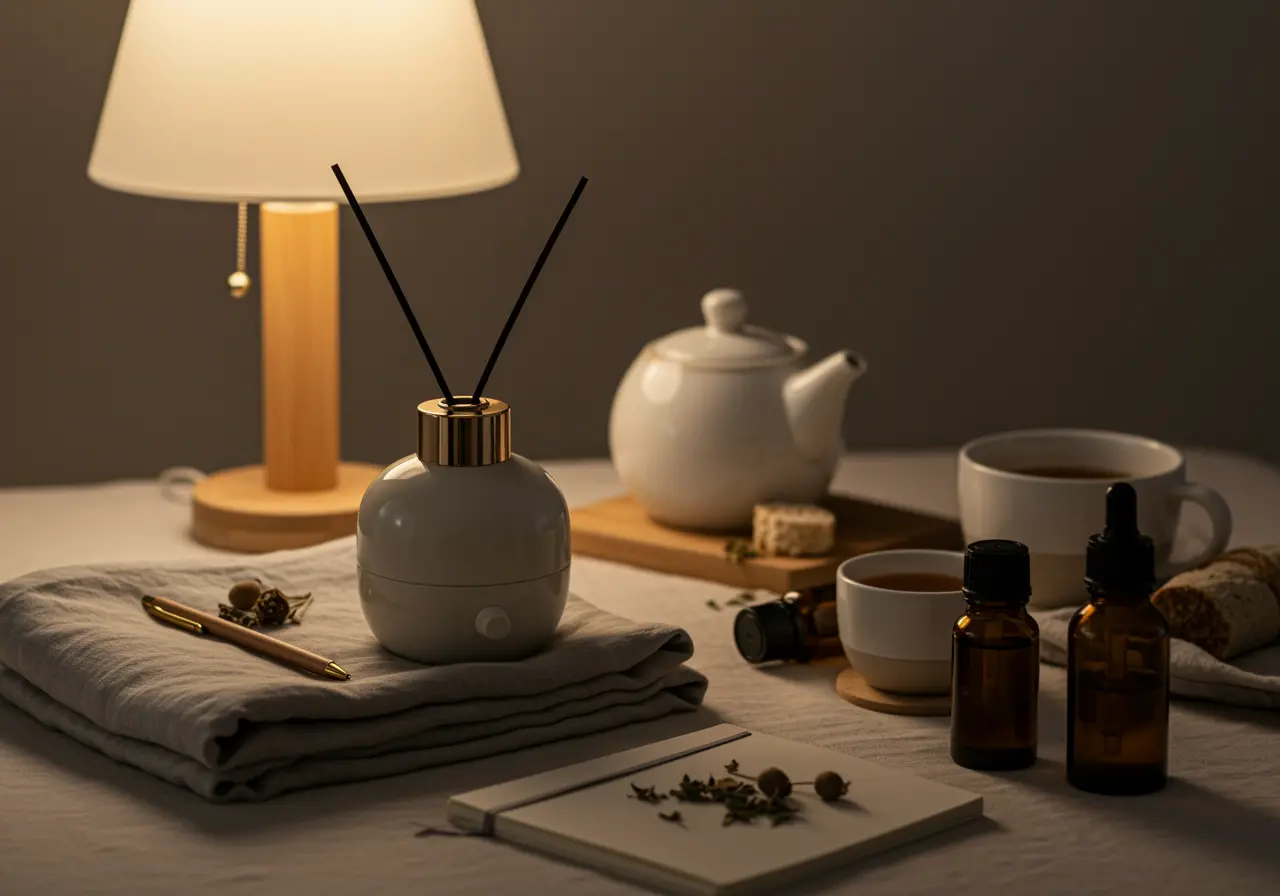
Essential Oils for a Calmer Evening Wind-Down Routine
A gentle, practical guide to using essential oils in an evening wind-down routine that softens the transition out of the day without turning bedtime into a big project.
Wellness
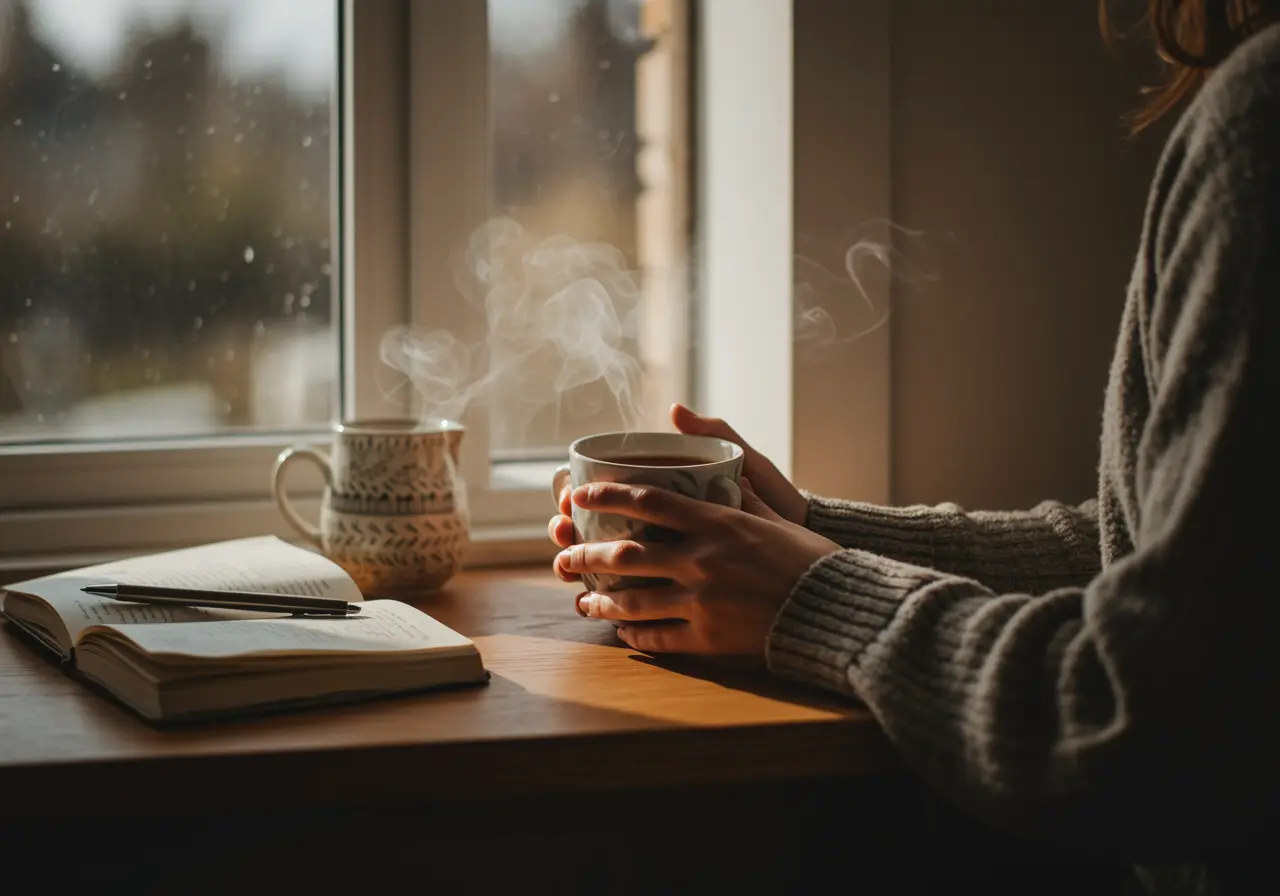
A Simple Aromatic Reset for Slow Weekend Mornings
A calm, readable guide to shaping a slow weekend morning with lighter scent, open windows, tea, journaling, and a home atmosphere that feels restorative instead of rushed.
Wellness
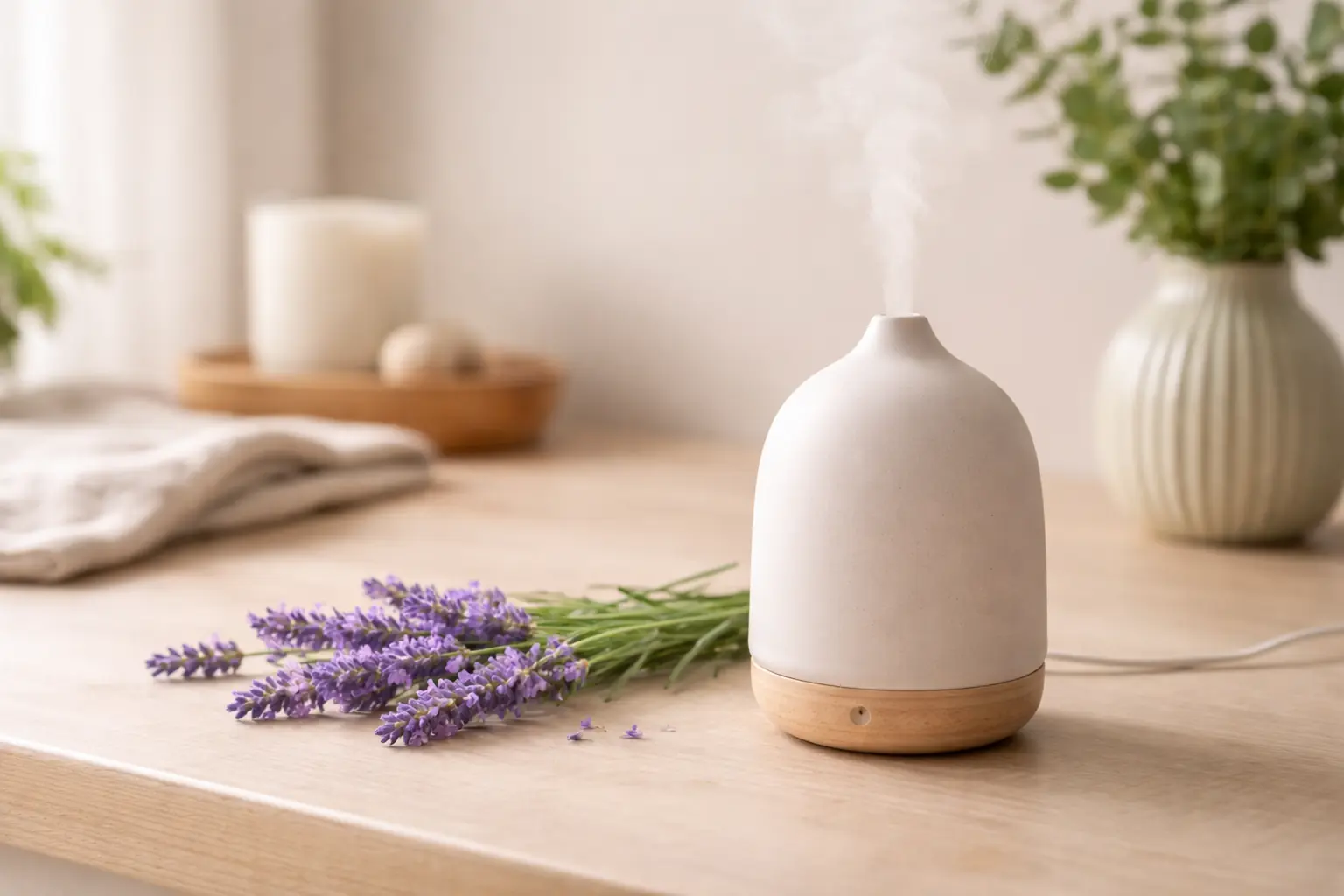
12 Low-Effort Ways to Bring Lavender Essential Oil into Your Evening Routine
A lighter, more everyday guide to the small places lavender can fit into an evening routine when you want atmosphere, softness, and less friction instead of a complicated ritual.
Wellness
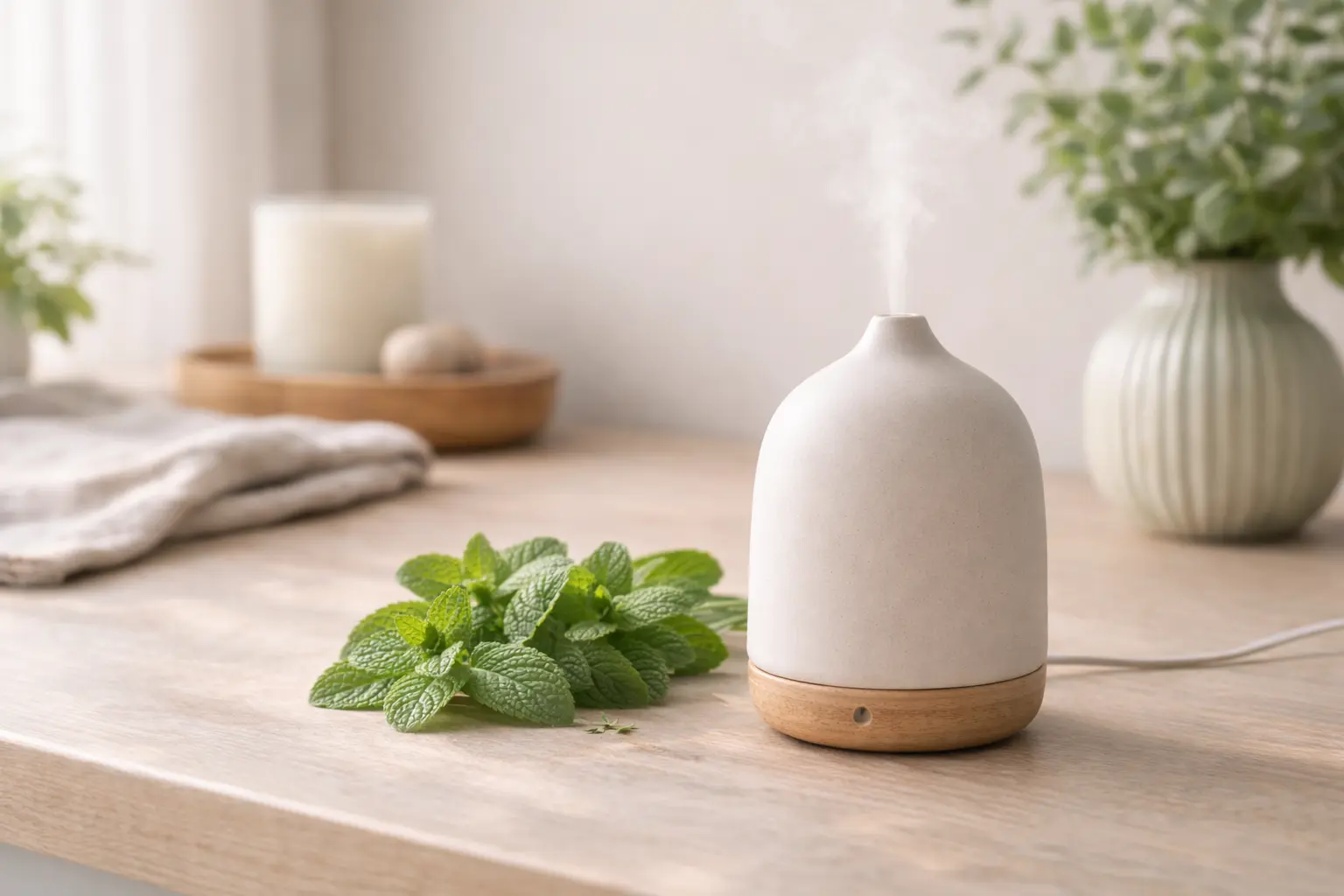
Peppermint Essential Oil for Real-Life Reset Moments, Not Just Energy
A practical lifestyle take on peppermint as a reset oil for stale rooms, tired afternoons, desk breaks, and quick fresh-start moments rather than generic hype about energy.
Further Reading and Sources
These pages help show where lavender belongs and where it may need a different supporting cast.
- What the Research Actually Says About Essential Oils and Sleep
- Essential Oils for a Calmer Evening Wind-Down Routine
- How to Freshen Laundry and Linens with Essential Oils
- How Scent Fatigue Changes the Way You Judge a Blend
- Plant Therapy: Which Lavender Essential Oil Is Right for You?
- Plant Therapy: 10 Ways to Use Lavender Essential Oil