
Migraine and Essential Oils: Why the Evidence Is More Mixed Than the Internet Suggests
Science

Migraine content online often treats essential oils as if they naturally belong in the same category as tested headache interventions. The research picture is not that simple. Some people genuinely find scent routines soothing, some small trials have suggested possible benefit in specific contexts, and certain aromas may feel calming or less nauseating in the moment, but the overall migraine evidence is still mixed rather than decisive.
This matters because migraines are not the same as ordinary tension, stress, or "just needing to relax." A scent that makes a room feel softer may still be the wrong fit for a migraine-prone nervous system. This guide explains where essential oils may fit, where the evidence gets overinterpreted, and how to think more carefully about oils like lavender, peppermint, basil, and frankincense when migraines are part of the picture.
Quick Answer
Essential oils are not strongly established migraine treatments, and the best current evidence is more mixed than many popular articles suggest. Some people may find selected scents calming, grounding, or less unpleasant during certain phases of a migraine-prone day, but that is not the same thing as reliable clinical migraine control.
The safest, most realistic position is to treat essential oils as optional comfort tools rather than as core migraine therapy. If a scent helps, use it gently, with ventilation and low intensity. If scent is a trigger, it may be better to skip oils entirely during or around attacks.
Why Migraine Content Needs More Care Than Generic "Stress Relief" Writing
Migraine is a neurological condition with sensory sensitivity built into it. That means anything involving smell, light, sound, or environmental input needs more nuance than ordinary relaxation writing. A diffuser blend that feels pleasant on a calm afternoon may feel unbearable during a migraine, in the lead-up to one, or in the washed-out recovery period afterwards.
This is one reason overconfident essential-oil advice can be so unhelpful. It often assumes that "calming" aromas are automatically beneficial. In real life, migraines are not always improved by adding more sensory input. Sometimes the best support is lower stimulation, cleaner air, softer light, and less fragrance overall.
What the Research Actually Looks Like
The more careful takeaway from the literature is not "essential oils do not work" and also not "essential oils are proven migraine remedies." It is that the evidence base is limited, heterogeneous, and easy to overstate. Different studies use different oils, different application methods, different comparison groups, different outcomes, and different definitions of improvement.
That makes the results hard to turn into a simple consumer promise. A person may still have a meaningful individual experience with a scent, but research-wise that is very different from saying a given oil has strong, consistent migraine evidence behind it.
What Makes the Evidence Hard to Read
Different oils are grouped together
Lavender, peppermint, basil, and other oils may all be discussed under one umbrella, even though they are not interchangeable.
Application methods vary
Inhalation, topical use, massage, and mixed interventions do not create one neat, comparable evidence stream.
Comfort is not the same as treatment
A routine can feel supportive without proving that it prevents or meaningfully changes migraine outcomes.
Where Essential Oils May Still Fit
Even with mixed evidence, essential oils can still have a limited role for some readers. The key is understanding that the role is often sensory and contextual. A familiar aroma may help a person settle into a darkened room. A low-dose inhalation routine may feel less harsh than a fully scented room. A gentle scent anchor may help during the recovery window after the sharpest phase has passed.
Those are real uses, but they are narrower and more personal than the internet usually admits. They belong to the category of environment-shaping and comfort support, not guaranteed migraine intervention.

When Essential Oils Can Backfire
Migraine-prone readers are often more scent-sensitive than general aromatherapy writing assumes. Strong diffusion, sweet-heavy floral blends, sharp mint overload, resin-rich formulas, and poorly ventilated rooms can all be too much. Even an oil that feels pleasant on a normal day can become intolerable when someone is already dealing with nausea, head pain, or sensory overload.
This is why "more drops for stronger results" is especially unhelpful here. If essential oils are going to fit at all, they usually fit through restraint: less volume, cleaner air, shorter sessions, and an easy exit if the aroma stops feeling good.
Safety-first reminder: if scent is a known trigger for you, forcing a migraine-themed oil routine usually makes less sense than simplifying the room and removing fragrance altogether.
Which Oils Get Mentioned Most, and Why That Still Does Not Settle the Question
Lavender often appears because it is frequently studied in inhalation research and is widely associated with calm. Peppermint gets attention because it feels cooling and vivid, which some people interpret as helpful during head discomfort or nausea. Basil appears in some headache-related discussions as well. But being commonly discussed does not equal having strong enough evidence to support broad claims.
The more useful question is not "Which oil is best for migraines?" but "Which sensory direction, if any, feels tolerable and supportive for this specific person in this specific phase?" That question is less marketable, but it is much closer to reality.
What a More Honest Home Routine Looks Like
If someone wants to experiment, the best routine is small and reversible. One bottle, one scent direction, one low-intensity method, and one calm test environment. No crowded diffuser blends, no all-day saturation, and no assumption that a "wellness" oil is automatically gentle enough for a migraine-prone moment.
For some, that may mean skipping diffusion and only opening a bottle briefly from a distance. For others, it may mean deciding that clean air, hydration, darkness, and reduced stimulation are the better route. Both are valid outcomes.
Why This Topic Gets Overstated Online
Migraine content is especially vulnerable to exaggeration because readers understandably want relief, and fragrance-based rituals are easy to package as hopeful, natural, and accessible. But the emotional appeal of a remedy is not the same thing as evidentiary strength. That gap is exactly where overclaiming happens.
Essencyclopedia's safer position is to respect both sides at once: yes, aromas can matter to real people in real rooms, and yes, the research still does not justify turning essential oils into a confident migraine promise.
Science
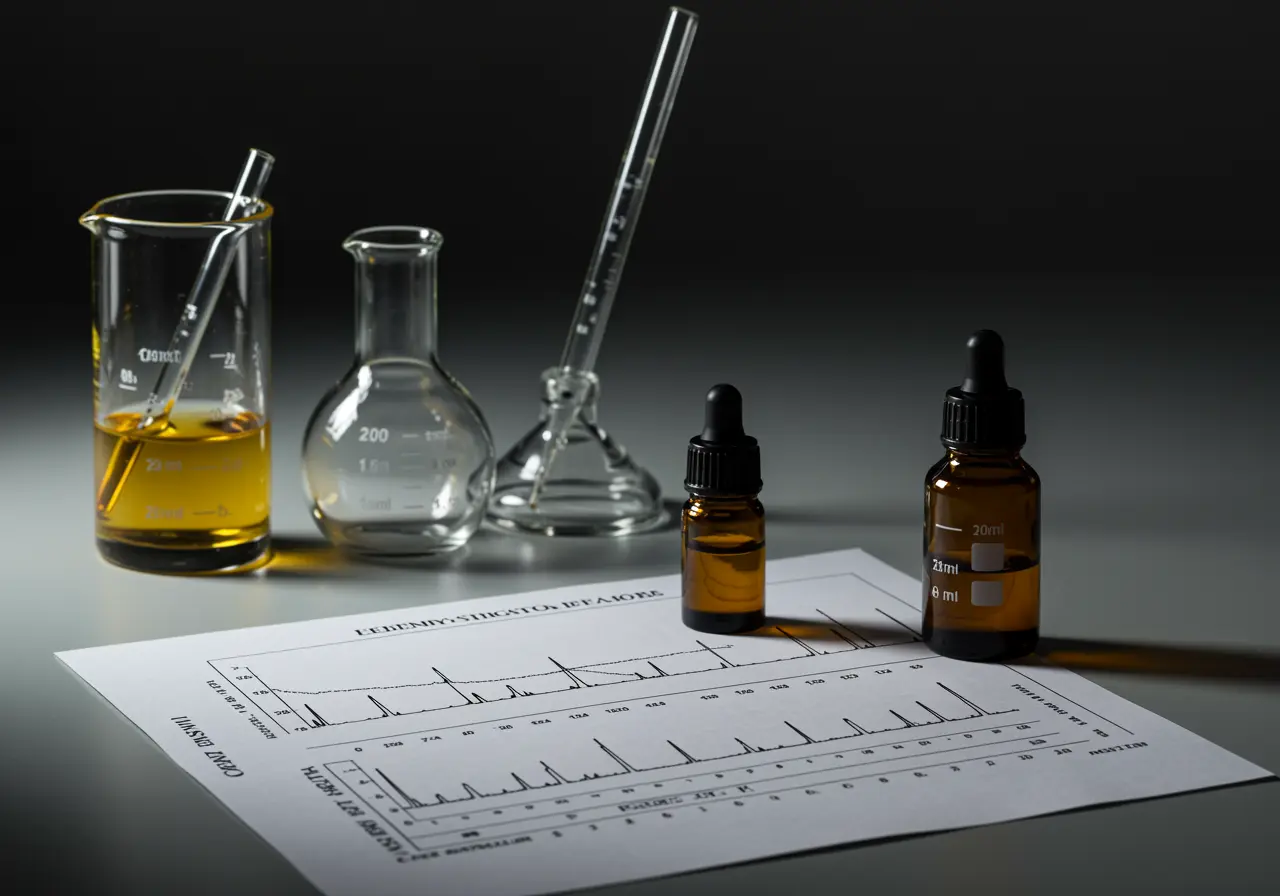
What Is a GC/MS Test in Essential Oils?
A practical, plain-English guide to what GC/MS reports show, what they do not prove, and how to read them without overestimating what a lab sheet can tell you.
Science
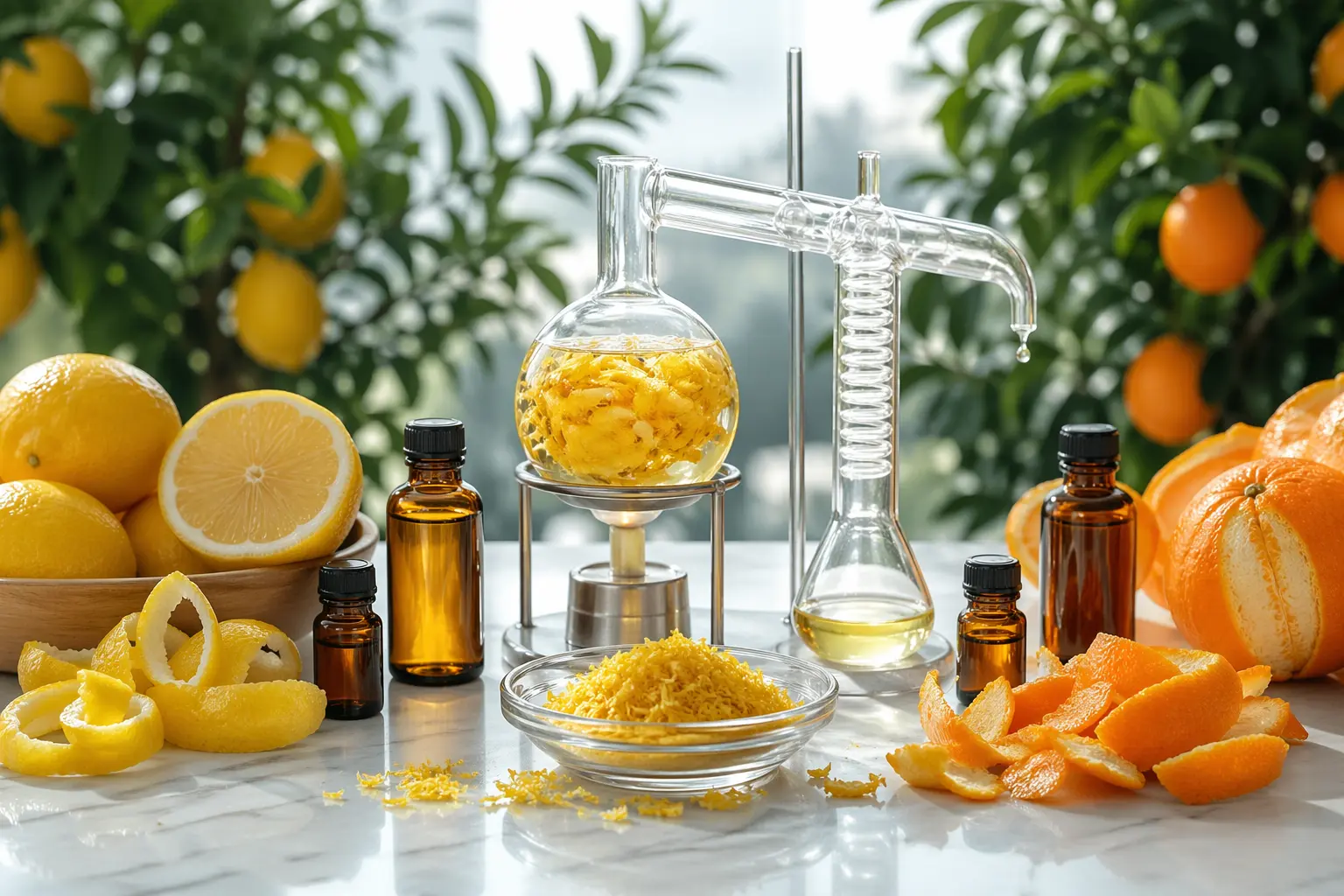
Cold Pressed vs Steam Distilled Citrus Oils
Learn how extraction changes aroma, phototoxicity concerns, and practical home use when comparing cold pressed and steam distilled citrus essential oils.
Science
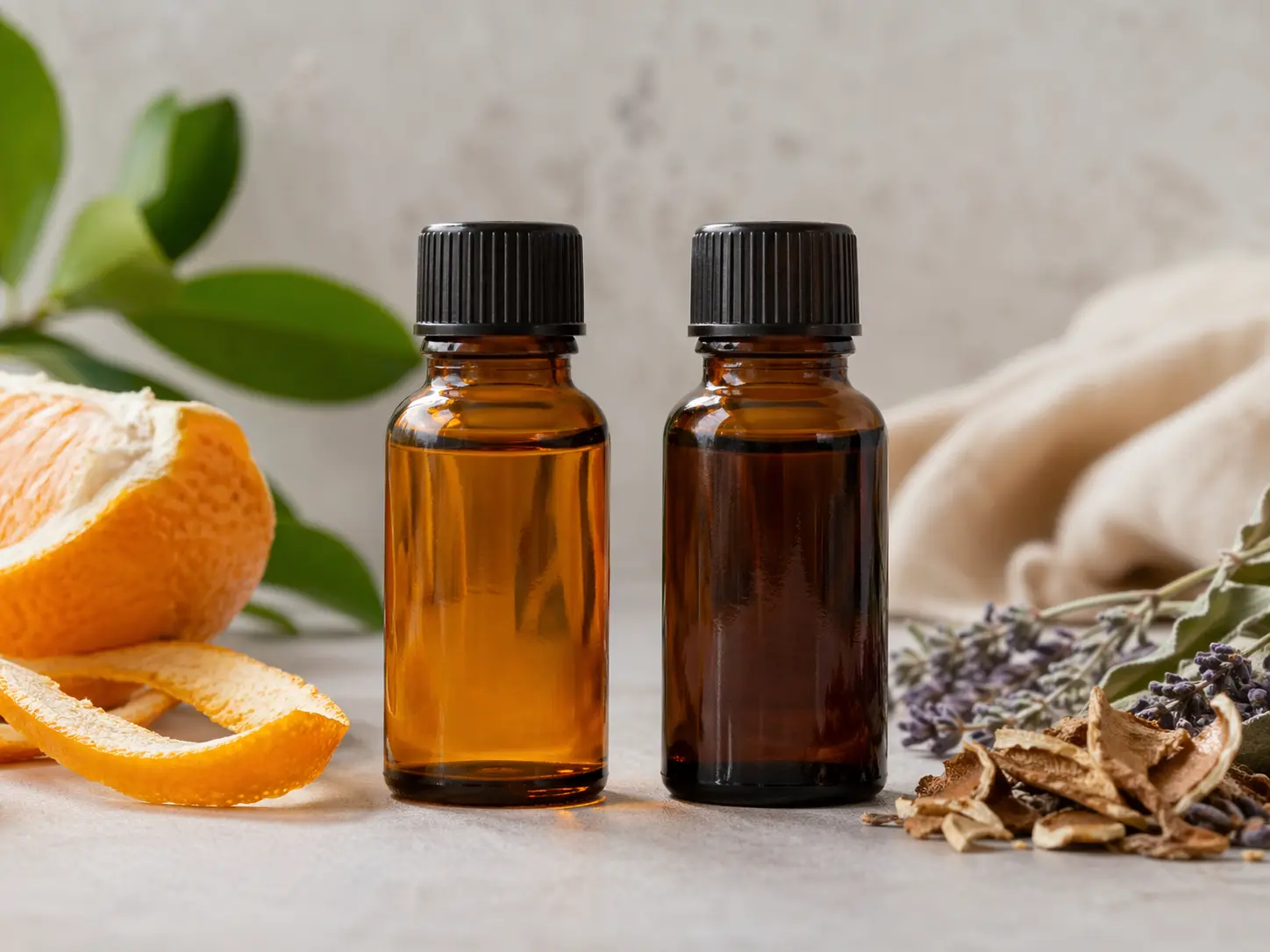
Why Oxidized Essential Oils Smell and Behave Differently
A plain-English guide to what oxidation does to essential oils over time, why aroma changes matter, and how storage habits shape how an oil smells and behaves later on.
Science
What a GC/MS Report Still Cannot Tell You About an Essential Oil
A deeper follow-up to GC/MS basics, explaining what even a good chemistry report still cannot prove about freshness, adulteration, storage history, ethics, batch representativeness, or real-world fit.
Further Reading and Sources
These are the strongest reading paths behind the "mixed evidence" conclusion and the cautious use logic in this article.
- Essential Oils as an Alternative Treatment for Migraine Headache: A Systematic Review and Meta-Analysis
- Anxiolytic Effect of Essential Oils and Their Constituents: A Review
- A brief review of current scientific evidence involving aromatherapy use for nausea and vomiting
- Inhaling Peppermint Essential Oil as a Promising Complementary Therapy in the Treatment of Nausea and Vomiting