
Cold Pressed vs Steam Distilled Citrus Oils
Science
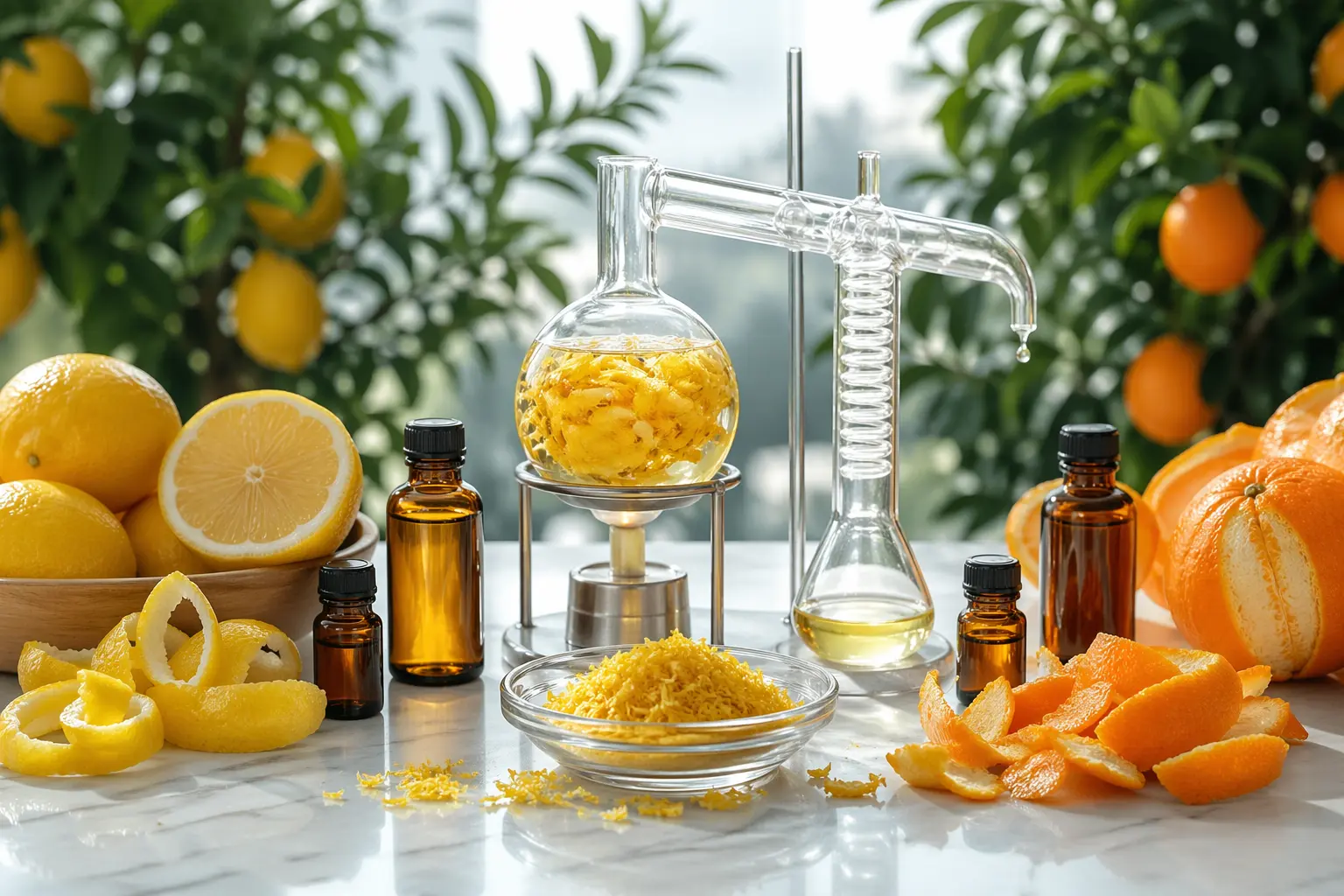
Citrus essential oils often sound interchangeable in casual conversation, but extraction method can change the aroma, the feel, and even the safety notes that belong with a bottle. One of the most important distinctions is whether a citrus oil was cold pressed from the peel or steam distilled from peel, leaves, twigs, or other plant material.
This matters when you compare oils like bergamot, lemon, lime, and pink grapefruit. The extraction method can affect brightness, texture, complexity, and whether phototoxicity needs extra attention.
Quick Answer
Cold pressed citrus oils are usually made from the peel and tend to smell vivid, juicy, and closer to the fresh fruit. Steam distilled citrus oils often feel softer, drier, greener, or cleaner, depending on the material used. In some citrus oils, cold pressing can also preserve compounds that matter for phototoxicity, while steam distillation may reduce or change that concern.
The better choice depends on the use. Cold pressed citrus oils often shine in diffuser blends, room sprays, and bright perfume openings. Steam distilled citrus oils can feel gentler in some contexts, especially when you want a cleaner aroma profile or a different safety balance.
Why the Distinction Matters
Citrus is often the first family people explore because it feels cheerful, familiar, and easy to love. But citrus oils are not all the same, even when two bottles carry the same fruit name. A lemon oil expressed from peel does not behave exactly like a steam distilled citrus product, and the difference is not just academic. It changes how an oil smells in the room, how long it lasts in a blend, and how carefully it needs to be used on skin.
This is especially important for home users who build diffuser blends, room sprays, natural perfume oils, or leave-on body products. Extraction method is one of the fastest ways to understand why one citrus oil feels sparkling and edible while another feels cleaner, drier, or more restrained.

What Cold Pressed Citrus Usually Feels Like
Cold pressed citrus oils are typically taken from the peel. Because the peel holds a vivid aromatic character, these oils often smell closest to freshly cut fruit. Think of the sparkling lift of sweet orange, the elegant bitterness of bergamot, or the juicy brightness of pink grapefruit.
That vivid peel profile is one reason cold pressed citrus oils are so popular in room aroma and natural perfume. They make openings feel alive. They also often pair beautifully with greener oils like rosemary and petitgrain, or softer florals like lavender and neroli.
What Steam Distilled Citrus Usually Feels Like
Steam distilled citrus oils can smell less juicy and less peel-heavy, depending on the raw material and distillation style. The profile may feel smoother, more diffusive, drier, or less candy-like. In some routines that is a strength. For example, if you want a kitchen or cleaning blend that feels crisp rather than sweet, a steam distilled profile may be easier to work with.
This is one reason it helps to read an oil description carefully instead of assuming the fruit name tells the whole story. A steam distilled citrus can still be lovely in a diffuser or body product, but it may create a different mood than the cold pressed version.
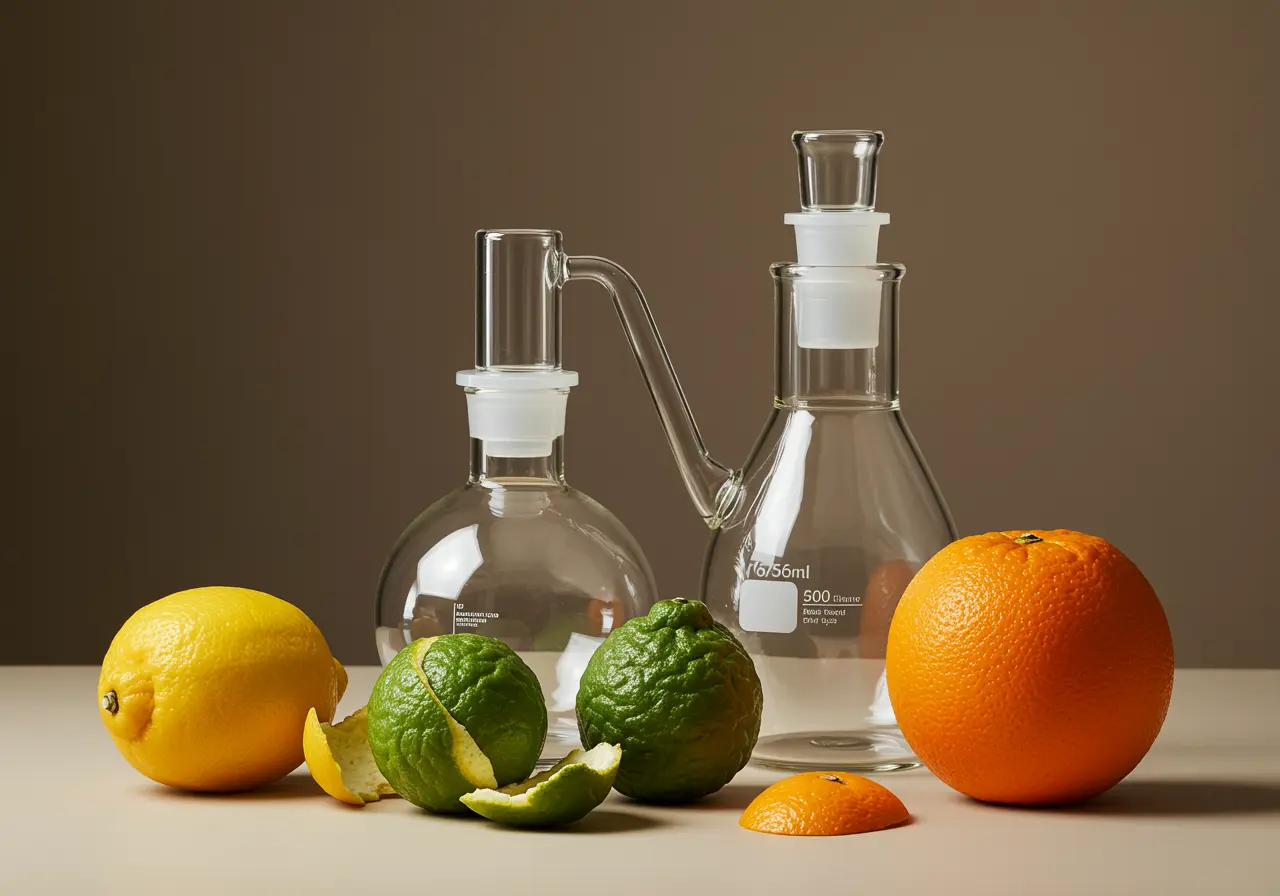
Phototoxicity and Leave-On Products
One of the most practical reasons to care about extraction method is phototoxicity. Some expressed citrus oils can make skin more sensitive to sunlight or UVA exposure when used in leave-on products. This is why safety guidance and the exact extraction method matter so much for oils like bergamot and lime.
Steam distillation can change the compound profile enough that the phototoxic concern may not be the same as in the cold pressed version. That does not make every distilled citrus automatically carefree, but it does mean you should never assume two citrus oils share the exact same topical guidance just because they have a similar fruit name.
Practical rule: If you are choosing a citrus oil for a leave-on perfume oil, body blend, or daytime skin product, check both the exact oil and the exact extraction method before deciding how to use it.
Which One Should You Choose?
Choose cold pressed citrus when you want brightness, fruit peel realism, and a classic sparkling top note in a diffuser, room spray, or perfume. Choose steam distilled citrus when you want a softer profile, a less peel-driven feel, or a different safety balance for topical planning. In either case, let the exact oil guide the decision rather than using “citrus” as one big category.
For many people, the best answer is not either-or. It is understanding that two bottles with related names may belong to different routines. A cold pressed sweet orange may be ideal for cheerful home atmosphere, while a different citrus expression may suit a cleaner daytime perfume or a lower-sugar-feeling room blend.

Science
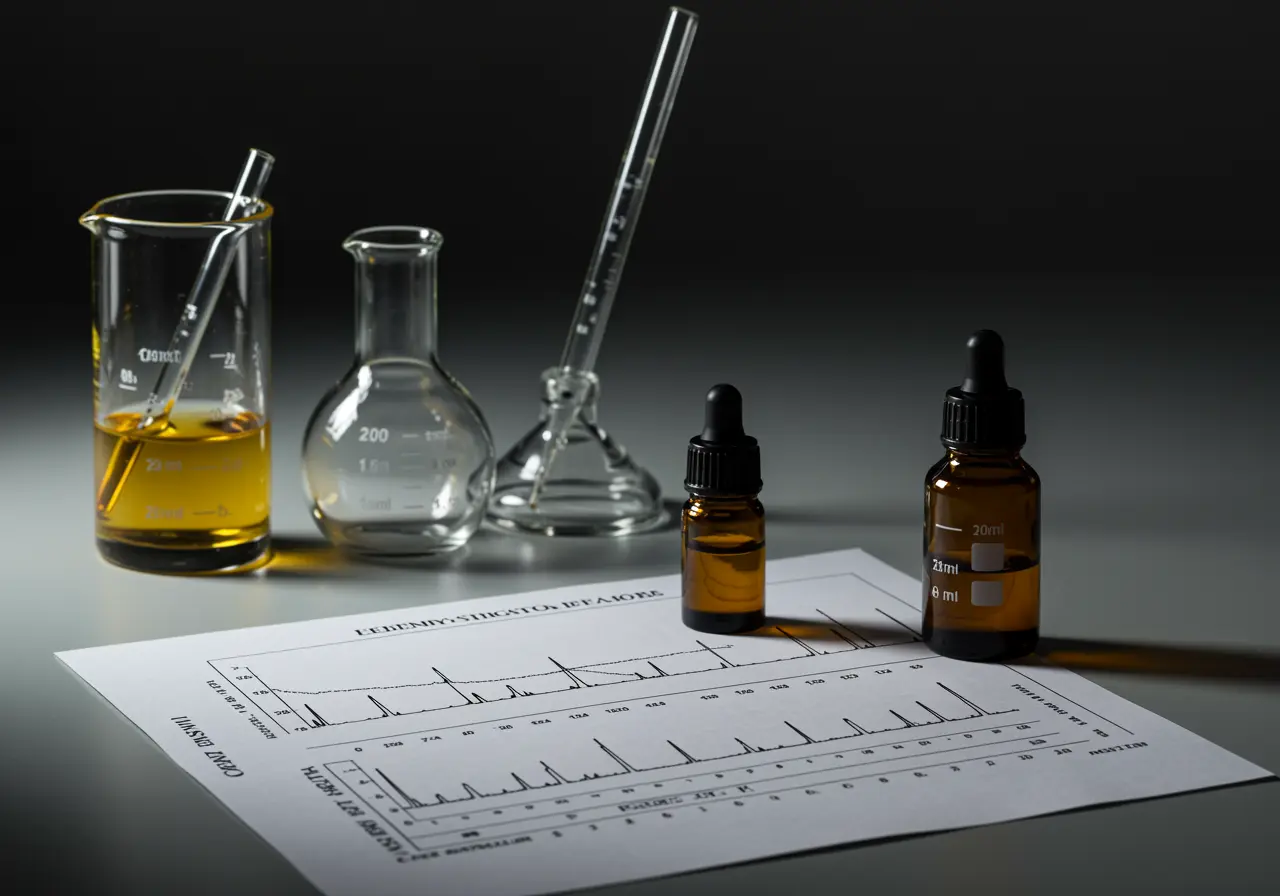
What Is a GC/MS Test in Essential Oils?
A practical, plain-English guide to what GC/MS reports show, what they do not prove, and how to read them without overestimating what a lab sheet can tell you.
Science
Why Oxidized Essential Oils Smell and Behave Differently
A plain-English guide to what oxidation does to essential oils over time, why aroma changes matter, and how storage habits shape how an oil smells and behaves later on.

Science
Migraine and Essential Oils: Why the Evidence Is More Mixed Than the Internet Suggests
A plain-English look at what migraine research on essential oils actually suggests, where the evidence is thin, and why a soothing ritual is not the same thing as a proven migraine treatment.
Science
What a GC/MS Report Still Cannot Tell You About an Essential Oil
A deeper follow-up to GC/MS basics, explaining what even a good chemistry report still cannot prove about freshness, adulteration, storage history, ethics, batch representativeness, or real-world fit.
Further Reading and Sources
Keep exploring the citrus side of the library with these closely related pages.