
What People Mean by “Therapeutic Grade,” and Why the Phrase Still Does Not Settle Quality
Science

"Therapeutic grade" is one of the most persuasive phrases in essential oil marketing because it sounds both scientific and caring at the same time. It suggests a level above ordinary fragrance, a category tied to health-supporting seriousness, and a shortcut around the messy work of judging quality bottle by bottle. The problem is that the phrase usually carries more confidence than clear, shared standards.
This does not mean every company using the phrase is automatically dishonest. It means the phrase itself does not settle the quality question. Buyers often hear "therapeutic grade" and assume it answers chemistry, sourcing, safety, freshness, authenticity, and real-world usefulness all at once. It does not. At best, it may signal a brand’s internal positioning. At worst, it encourages people to stop asking the very questions that would tell them more.
Quick Answer
When people say "therapeutic grade," they usually mean something like "higher quality," "better for serious aromatherapy use," or "not just perfume." But the phrase itself is not a universally regulated quality standard. It does not automatically prove freshness, authenticity, superior sourcing, better chemistry, safer use, or stronger evidence for health claims.
The better way to judge an oil is to look at the things the phrase tries to stand in for: botanical identity, extraction clarity, sensible safety language, batch transparency, aroma realism, storage integrity, and whether the brand makes inflated claims. Those are slower questions, but they are more meaningful than a prestige label.
Why the Phrase Has So Much Power
The phrase works because it compresses several desires into two words. People want oils that feel trustworthy. They want something better than generic fragrance. They want to know a product is not casually made or casually marketed. "Therapeutic grade" promises all of that at once, which is exactly why it travels so well in sales language.
But trust language is not the same thing as shared technical meaning. A phrase can be emotionally convincing without being a strong comparative tool.

What People Usually Mean When They Use It
In ordinary conversation, people often use "therapeutic grade" to mean one of four things: the oil smells more natural, the company feels more serious, the product is marketed for wellness rather than perfume, or the user had a strong positive personal experience with it. Those are understandable meanings, but they are not the same as one precise standard.
That is why debates about the phrase often go in circles. One person is talking about chemistry. Another is talking about trust. Another is talking about how the oil felt in their diffuser. Another is talking about brand identity. Everyone uses the same phrase, but not always for the same reason.
What the Phrase Commonly Stands In For
"This feels higher quality"
Sometimes the phrase simply expresses consumer confidence, not a testable technical claim.
"This is for wellness use"
It may be used to distinguish oils sold into aromatherapy culture from oils framed as fragrance-first.
"This company sounds more serious"
The phrase often functions as trust language when a buyer lacks better comparison tools.
Why It Still Does Not Settle Quality
Even if a company uses the phrase sincerely, it does not answer the detailed questions a careful buyer should still ask. What is the botanical name? What part of the plant was used? How was it extracted? Is the labeling careful? Is there batch transparency? Do the claims stay within a reasonable lane? Does the oil smell fresh and believable? Does it tolerate storage well? Does the company talk about safety like adults or like marketers?
Those questions are still doing the real work. The phrase may sit on top of them, but it does not replace them.
The Phrase Also Cannot Override Regulatory Reality
In the United States, a product’s regulatory status depends on intended use and claims, not on how elevated the quality language sounds. If a product is marketed with claims that it will treat, prevent, or materially alter health conditions, the legal conversation changes. "Therapeutic grade" does not create an exemption from that logic, and it does not turn a cosmetic or fragrance product into a scientifically proven therapy.
That matters because some buyers hear the phrase as if it signals FDA-level blessing or formal therapeutic recognition. It does not.

What Actually Helps More Than the Phrase
In practice, useful quality judgment comes from layered evidence. You want botanical identity, clear extraction language, batch-aware testing culture, good storage habits, aroma realism, and reasonable safety communication. You also want a brand that does not need to inflate every benefit into a therapeutic promise.
If you want the testing side in more detail, the best companion reads are What Is a GC/MS Test in Essential Oils? and What a GC/MS Report Still Cannot Tell You About an Essential Oil. Those questions are much slower than slogan language, but they are also much more useful.
Why Some Good Oils May Never Use the Phrase
One more reason not to overvalue the term is that some genuinely careful producers do not use it at all. They may prefer clarity over prestige language. They may talk in botanical, compositional, or sourcing terms instead. They may not want to imply a clinical status they cannot honestly support.
That means the absence of the phrase does not automatically tell you an oil is weaker, less serious, or less suitable for thoughtful use.
Safety-first reminder: no grade-style phrase removes the need for dilution, ventilation, oxidation awareness, or careful use around children, pregnancy, pets, and scent-sensitive people.
The Better Buyer Question
The better question is not "Is this therapeutic grade?" It is "What concrete information do I have that this oil is well identified, honestly labeled, reasonably tested, and responsibly marketed?" That question does not fit as neatly on a sticker, but it points much more directly toward the quality that actually matters.
In other words: phrases can guide attention, but they should never end the investigation.
Science
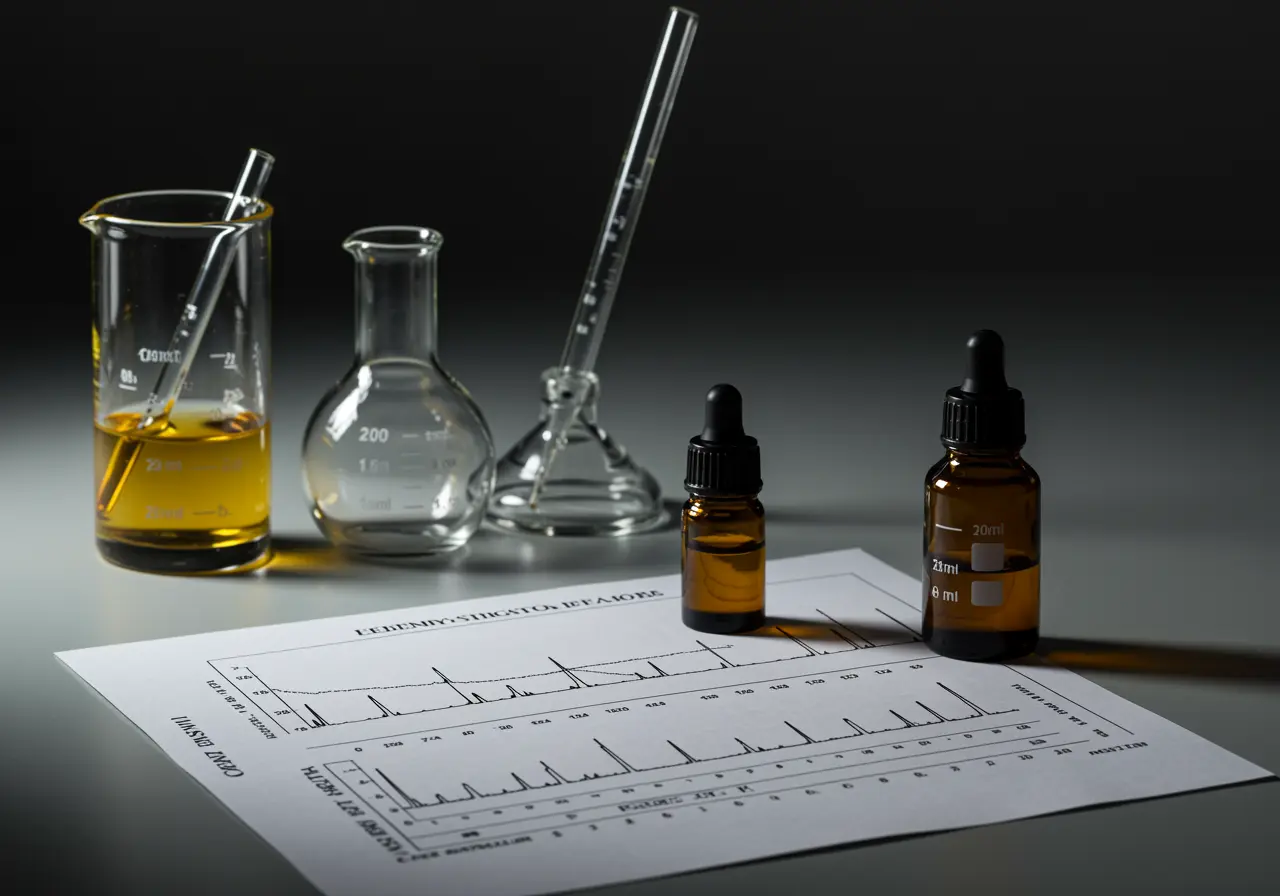
What Is a GC/MS Test in Essential Oils?
A practical, plain-English guide to what GC/MS reports show, what they do not prove, and how to read them without overestimating what a lab sheet can tell you.
Science
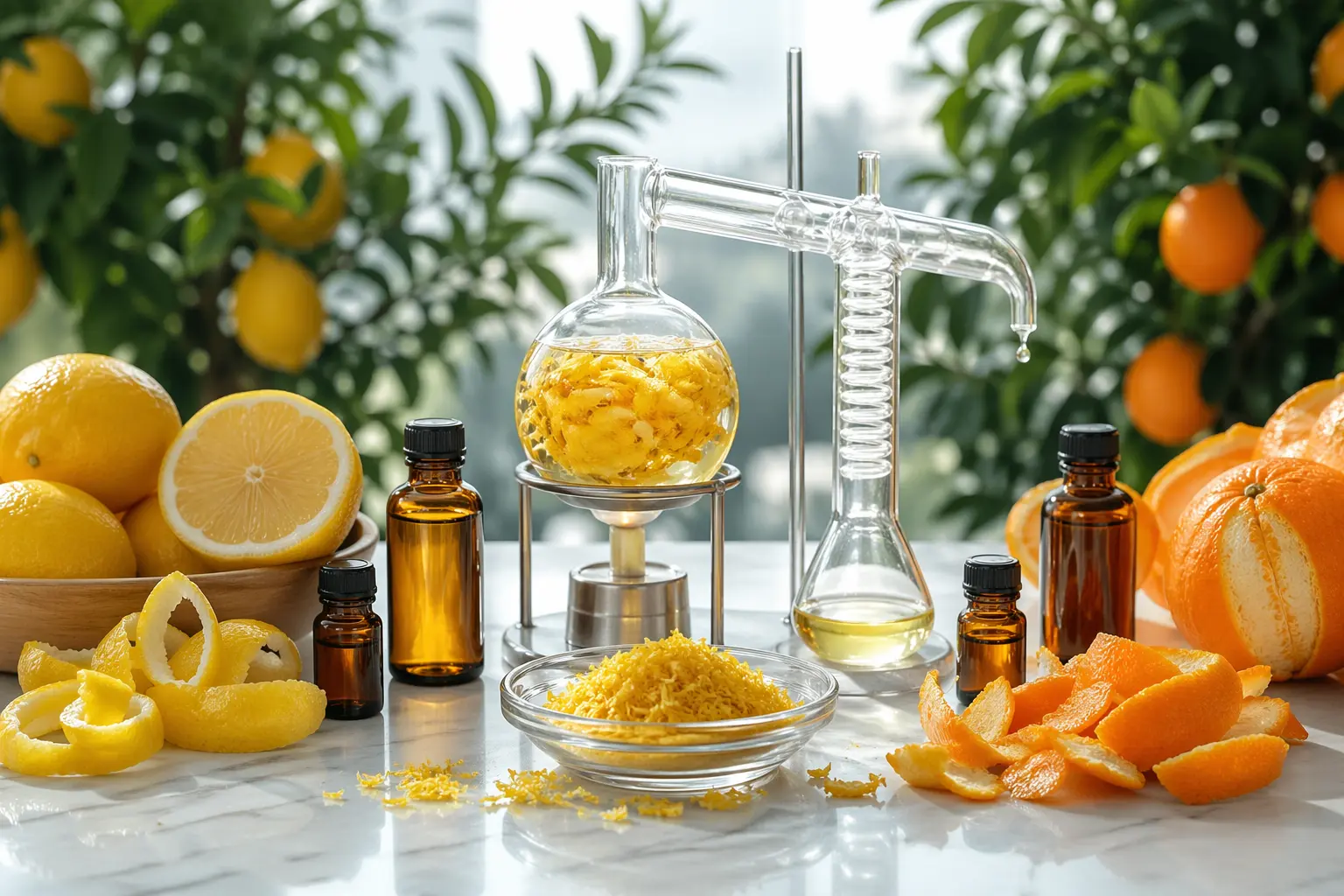
Cold Pressed vs Steam Distilled Citrus Oils
Learn how extraction changes aroma, phototoxicity concerns, and practical home use when comparing cold pressed and steam distilled citrus essential oils.
Science
Why Oxidized Essential Oils Smell and Behave Differently
A plain-English guide to what oxidation does to essential oils over time, why aroma changes matter, and how storage habits shape how an oil smells and behaves later on.

Science
Migraine and Essential Oils: Why the Evidence Is More Mixed Than the Internet Suggests
A plain-English look at what migraine research on essential oils actually suggests, where the evidence is thin, and why a soothing ritual is not the same thing as a proven migraine treatment.
Further Reading and Sources
These official references are the most useful background for understanding why prestige phrases do not override regulatory categories or quality evaluation.