
How to Use Essential Oils More Carefully Around Sensitive Guests
Safety

One of the easiest scent mistakes at home is assuming that because a room smells comfortable to you, it will feel the same to everyone else. Guests, visiting relatives, and even familiar friends can have very different levels of comfort with aroma. Some people love a softly diffused room. Others notice scent quickly and tire of it much faster than you expect.
Using essential oils more carefully around sensitive guests does not mean removing scent from the home altogether. It means thinking a little more relationally: what will the room feel like to someone walking in from outside, sleeping overnight in a guest room, or sitting in the space for several hours? Often, the kindest aromatic choice is simply the lighter one.
Quick Answer
To use essential oils more carefully around sensitive guests, keep the scent lighter, shorter, and more optional than you normally might. Fresh air, clean textiles, and a tidy room should do most of the work. If aroma is part of the space, it should feel subtle and easy to step away from rather than inescapable.
This usually means short diffuser sessions before guests arrive instead of constant diffusion during the whole visit, gentler oils instead of heavy ones, and a willingness to skip scent entirely in bedrooms or shared spaces when that feels more considerate.
Why Guests Experience Scent Differently
People who live in a home often adapt to its background aroma without realizing it. A guest does not have that same adjustment period. They walk into the room fresh, which means they are much more likely to notice even a moderate scent immediately. What feels “barely there” to you may feel strong to them.
This matters even more with overnight visitors, older relatives, children, or anyone who already tends to notice sensory details quickly. Good hosting usually means leaving space for comfort rather than assuming everyone will enjoy the same atmosphere in the same way.
Use Freshness Before Fragrance
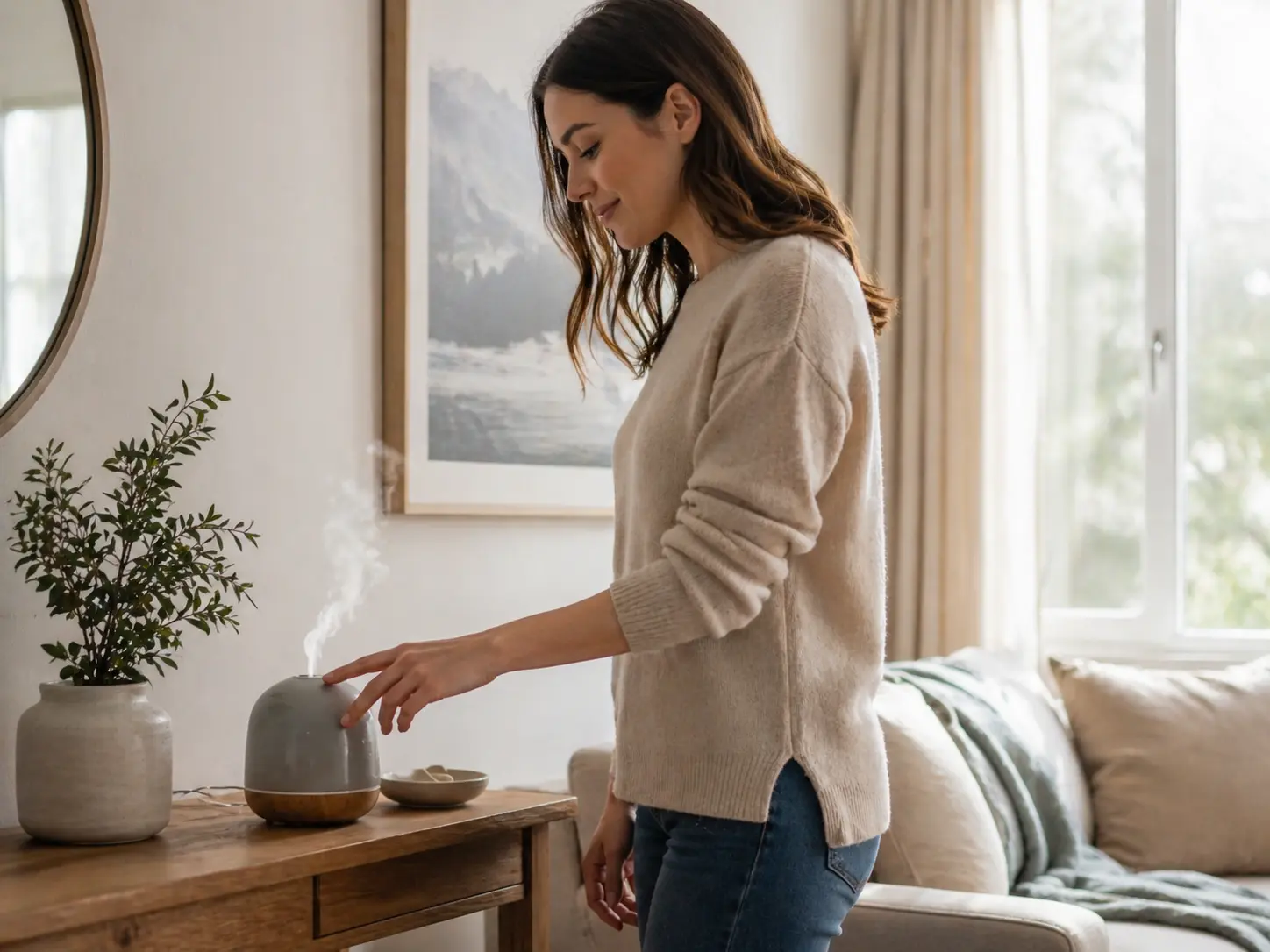
The most guest-friendly rooms usually feel fresh before they smell like anything in particular. Open the window if the space allows it. Change the towel or pillowcase if the room is meant for close personal use. Let clean fabric, tidy surfaces, and breathable air carry most of the atmosphere. Aroma should only support that work, not try to replace it.
This is especially useful in guest bedrooms and shared living spaces. If a room already feels easy to be in, there is often much less pressure to add any scent at all.
Gentler Guest-Ready Scent Habits
Diffuse before, not through
Short scent before guests arrive is often more comfortable than long ongoing diffusion.
Choose quiet profiles
If you use scent at all, cleaner and softer aromas usually feel easier than rich or sweet ones.
Protect the bedroom
Guest sleep spaces often feel better with little or no ongoing aroma.
Shared Spaces Need the Most Restraint
Living rooms, dining spaces, and family gathering areas are where scent can become tiring fastest because people stay there for longer stretches. The room has to work for conversation, rest, food, and comfort all at once. This is one reason guest-ready home scent usually feels better when it is subtle and already mostly gone by the time everyone settles in.
If the room still needs a finishing touch, fresher and cleaner directions tend to feel more considerate than strongly floral, spicy, or dessert-like blends. Even then, less is usually kinder.
Make Aroma Easy to Reduce or Remove
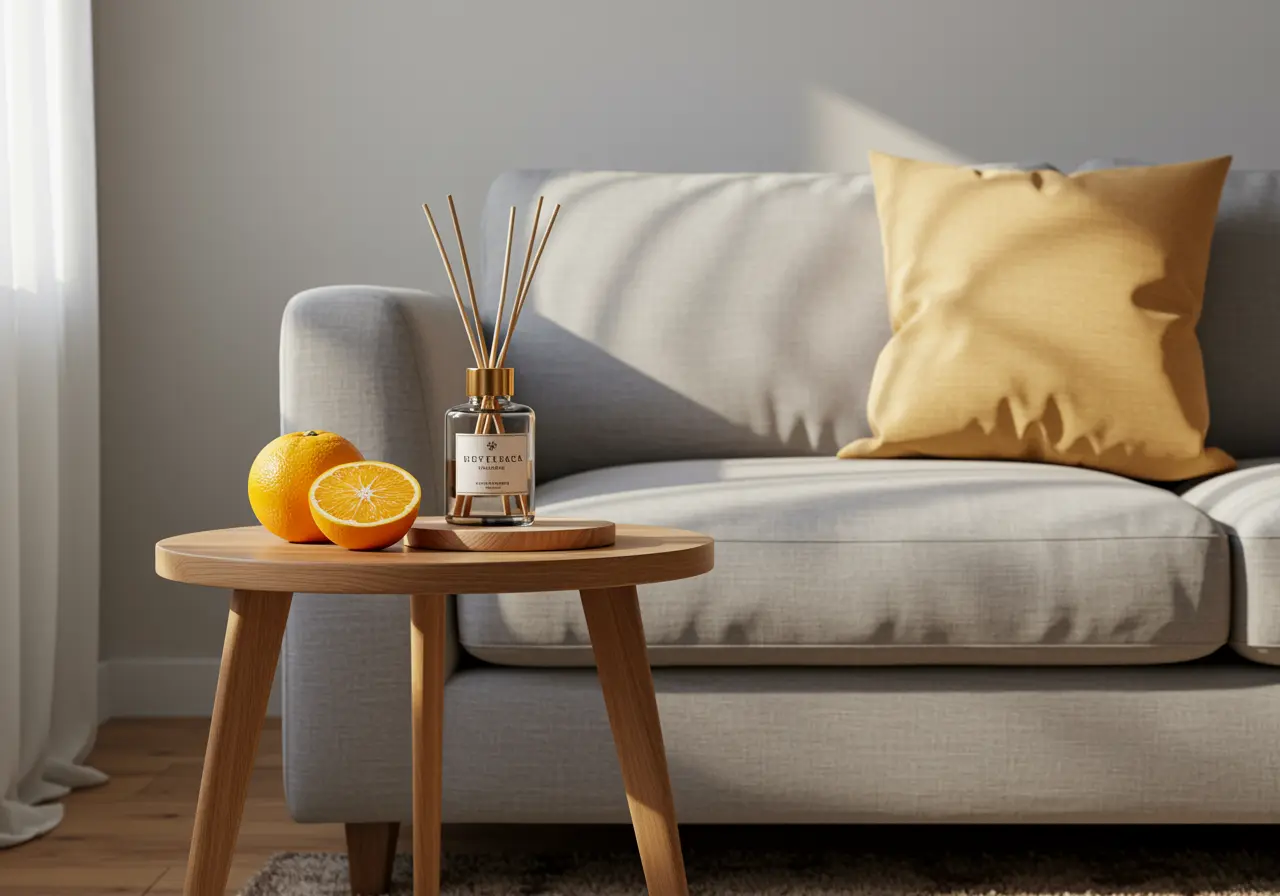
One of the most practical hosting habits is leaving yourself a simple off-switch. Open windows. Turn the diffuser off earlier than you think you need to. Avoid placing scent right next to where people sit or sleep. When aroma is easy to reduce, it is much easier to adapt if a guest turns out to be more sensitive than expected.
This kind of flexibility is not overcautious. It is simply good hosting. The room can still feel intentional and beautiful without asking every guest to experience scent in exactly the same way.
Guest-care reminder: Around sensitive visitors, the most generous scent choice is often the one that leaves the most room for comfort. Fresh air and a lighter hand usually do more than a stronger blend.
Safety
How to Store Essential Oils So They Last Longer
Learn how light, heat, oxygen, storage habits, and household safety affect essential oil shelf life so your bottles stay more stable and usable for longer.
Safety
How to Tell When an Essential Oil No Longer Smells Right
A plain-English safety article on how to notice when an essential oil smells noticeably off, what may have changed, and why that matters in real home use.
Safety
Pregnancy and Smell Sensitivity: Why Scent Routines Often Need to Change
A practical, low-drama guide to why scent tolerance often shifts during pregnancy and how to simplify essential-oil routines when smells become too intense, nauseating, or unpredictable.
Safety
Why Some People Suddenly Stop Tolerating a Favorite Oil
A practical guide to why a once-loved essential oil can suddenly start feeling wrong, including oxidation, routine overload, hormonal shifts, room context, and the difference between quality and tolerability.
Further Reading and Sources
These related pages help connect guest-aware scent choices to broader home atmosphere and safety habits.