Lavender Essential Oil
Essential Oils
Lavender essential oil is one of the most familiar and widely used essential oils in beginner aromatherapy. Its soft floral-herbal aroma is often associated with calm evening routines, gentle home fragrance, linen sprays, bath products, and simple body-care blends.
Like all essential oils, lavender essential oil should be used thoughtfully. It is a concentrated aromatic extract, not the same thing as dried lavender flowers, lavender tea, lavender hydrosol, or lavender-scented products. For topical use, dilution matters. For diffusion, moderation and ventilation matter. For children, pets, pregnancy, allergies, asthma, or sensitive skin, extra care is always appropriate.
Quick Answer
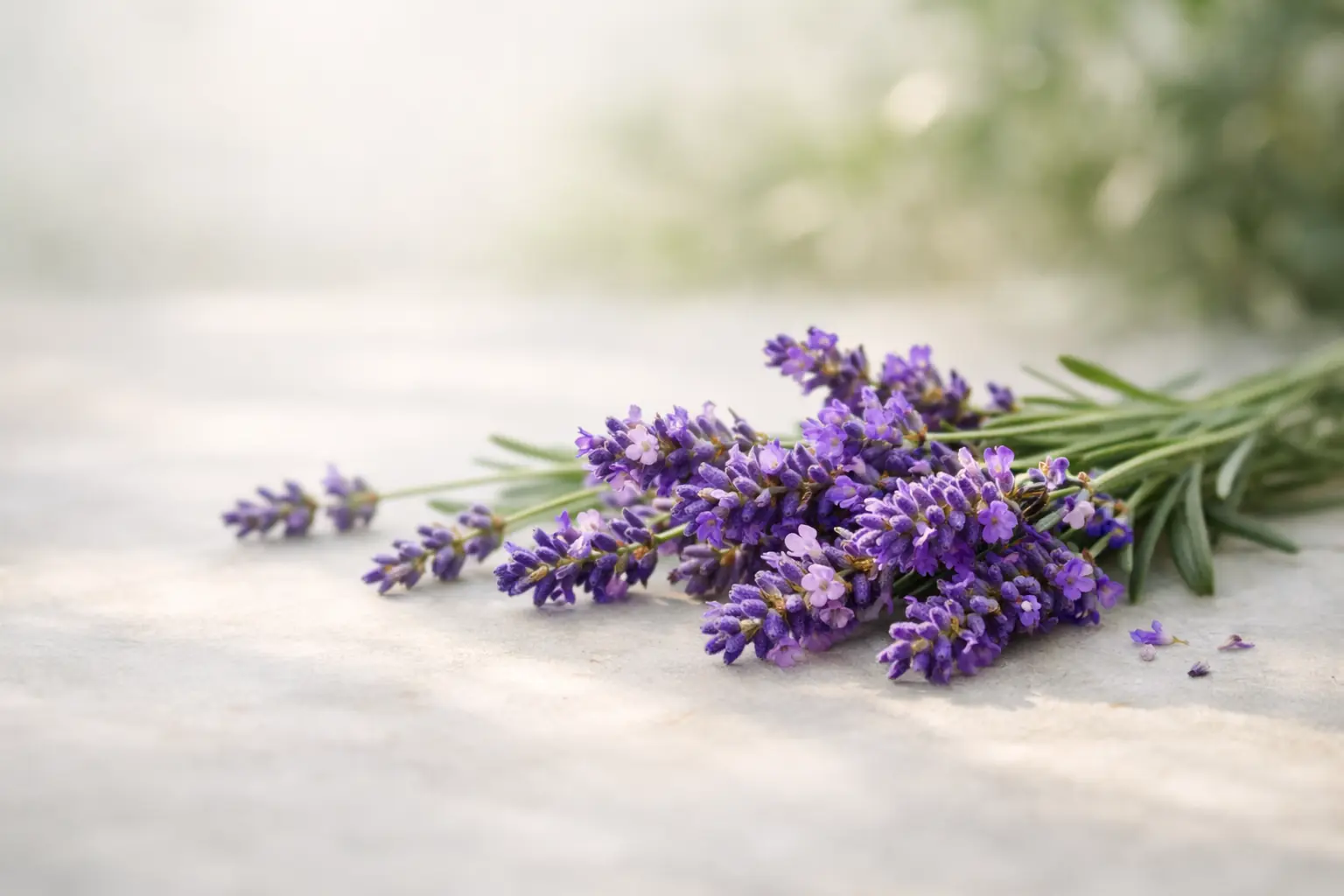
Lavender essential oil is best known for its soft floral-herbal aroma and its role in calm home routines. It is commonly used in diffusers, linen sprays, relaxing massage blends, bath products, and gentle body-care recipes. It should still be diluted before skin use and diffused in moderate amounts.
Quick Facts
Common name:
Lavender
Botanical name:
Lavandula angustifolia
Plant family:
Lamiaceae
Plant part:
Flowering tops
Extraction:
Steam distillation
Aroma:
Floral, herbaceous, soft
Aroma note:
Middle note
What Is Lavender Essential Oil?
Lavender essential oil is usually steam distilled from the flowering tops of lavender plants, most commonly Lavandula angustifolia. This species is often called true lavender or English lavender, although lavender is cultivated in many regions beyond England.
Lavender belongs to the mint family, Lamiaceae. This is the same broad plant family as herbs such as mint, rosemary, basil, oregano, sage, and thyme. Although these plants smell very different from one another, many members of this family are aromatic and have a long history of household, culinary, fragrant, or herbal use.
The essential oil has a soft floral, herbaceous, slightly sweet aroma. Depending on growing conditions, harvest timing, and distillation, some lavender oils smell more powdery and floral, while others are greener, sharper, or more camphoraceous.
Lavender Plant History and Traditional Use
Lavender is native to the Mediterranean region and has been valued for centuries as a fragrant plant. Long before modern aromatherapy, lavender flowers and stems were used in homes, gardens, bathing traditions, stored linens, herbal bundles, and scented preparations.
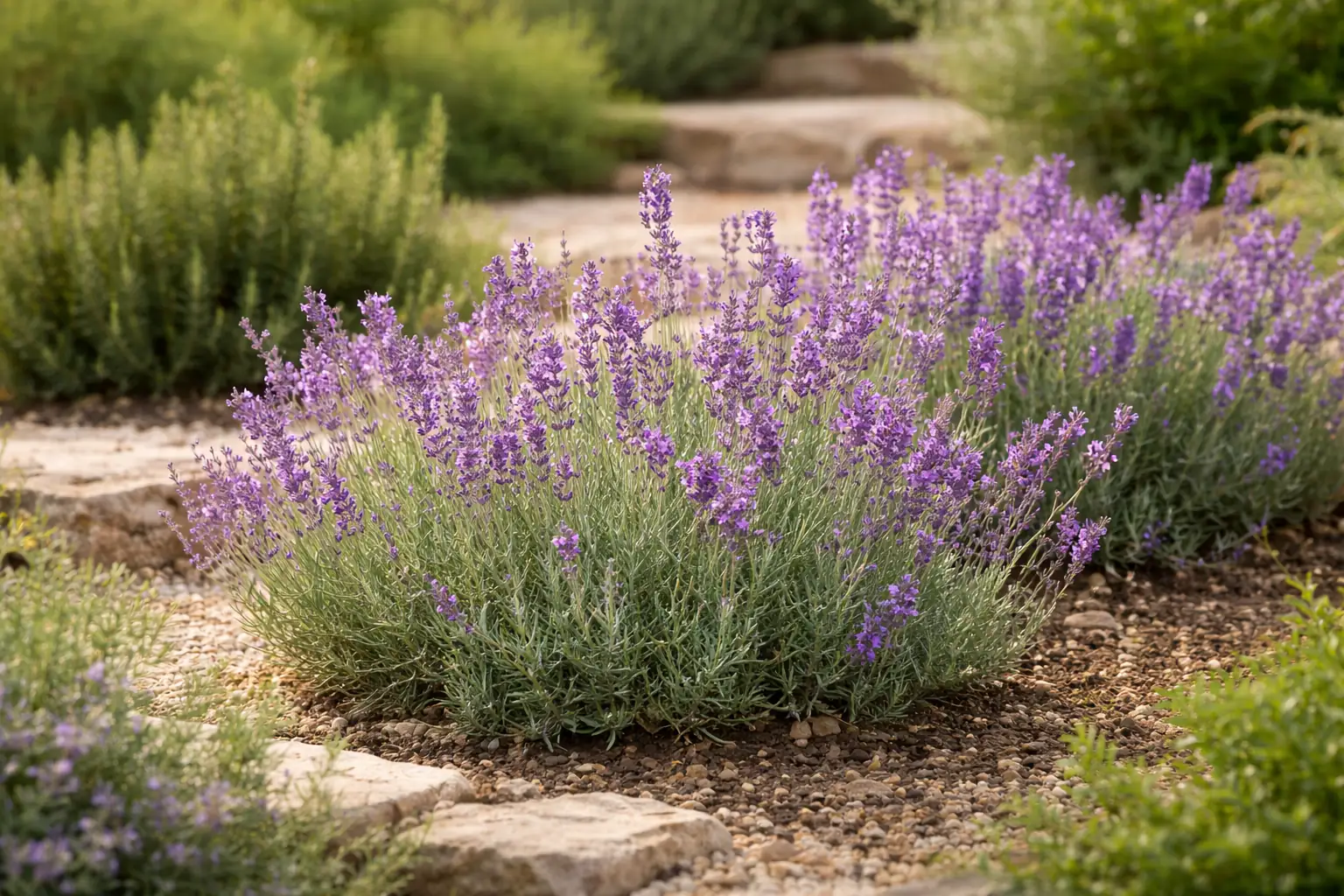
The name lavender is often connected with the Latin lavare, meaning “to wash,” which reflects its long association with bathing, cleanliness, and fresh scent. In Roman and later European household traditions, lavender was appreciated not only for its fragrance but also for the way dried flowers could scent rooms, linens, and personal care preparations.
In medieval and early modern Europe, lavender was often grown in herb gardens and used as a strewing herb, linen herb, fragrant sachet, and household plant. Dried lavender flowers were placed among stored fabrics, added to bath preparations, or used in aromatic bundles. These traditional uses belong to the plant itself, not necessarily to the modern concentrated essential oil.
Lavender also became culturally associated with calm, cleanliness, devotion, and domestic care. Its familiar scent made it a bridge between practical household use and symbolic meaning: a plant that could freshen a room, scent clothing, mark a garden path, or become part of quiet personal rituals.
What Does Lavender Essential Oil Smell Like?
Lavender essential oil has a floral-herbal scent with a soft, clean, and slightly sweet character. Good-quality lavender often feels balanced rather than heavy: floral enough to feel gentle, herbal enough to stay fresh, and soft enough to blend well with citrus, woods, resins, and other herbs.
Its aroma can vary. Some lavender oils are smooth and powdery, while others have a greener or more camphoraceous edge. This is one reason lavender can feel very different from one bottle to another, even when the botanical name is the same.
Common Uses of Lavender Essential Oil
Lavender essential oil is often chosen for routines that are meant to feel quiet, steady, and uncomplicated. It is not a cure-all, and it should not be treated as a replacement for medical care, but it can be a useful aromatic ingredient in everyday home and body-care practices.
Evening and Wind-Down Routines
Lavender is commonly used in evening diffuser blends, bedtime-adjacent room sprays, and gentle massage oils. Its soft aroma can help create a sense of transition at the end of the day, especially when paired with dim light, a slower routine, and reduced screen time.
For diffusion, a small amount is usually enough. A few drops in a diffuser can scent a room without overwhelming it. The goal is a subtle background aroma, not a heavy cloud of fragrance.
Diffuser Blends and Home Fragrance
Lavender works well in diffuser blends because it softens sharper notes and adds a calm floral-herbal body. It blends especially well with sweet orange, bergamot, lemon, cedarwood, frankincense, clary sage, rosemary, and chamomile-like aromas.
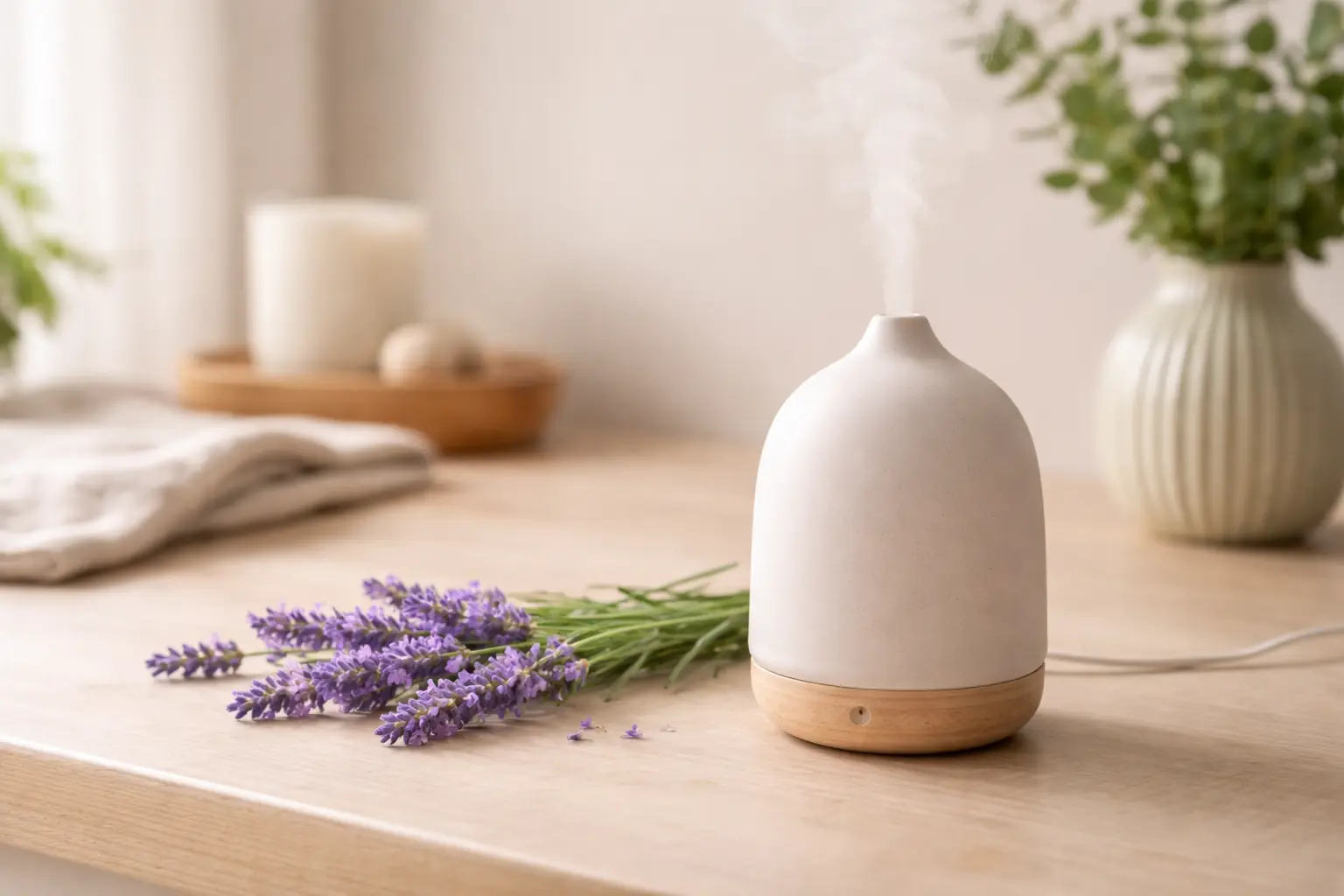
In home fragrance, lavender can feel clean without being sharp. It is often used in linen sprays, room sprays, closet sachet-inspired blends, and gentle household scent routines. When used in sprays, it should be properly dispersed and kept away from eyes, pets, polished surfaces, and delicate fabrics unless the recipe has been tested.
Massage and Body Care
When diluted in a carrier oil, lavender essential oil is often used in relaxing massage blends, foot oils, hand oils, body oils, and simple balm-style preparations. Its aroma pairs naturally with slow, calming routines, especially when the blend is kept simple.
For facial use, sensitive skin, children, or frequent use, dilution should be lower. Even gentle-smelling essential oils can irritate skin when used too strongly or too often.
Bath and Shower Products
Lavender is popular in bath salts, bath oils, shower steamers, and handmade soaps. Essential oils should not be dropped directly into bathwater without proper dispersion, because they can float on the surface and contact the skin undiluted. A finished bath product or properly formulated dispersing base is safer than adding neat drops straight into water.
Linen Sprays and Quiet Home Rituals
Lavender is strongly associated with linens, closets, pillows, and fresh laundry traditions. A carefully formulated linen spray can add a soft botanical scent to bedding or towels, but it should be used lightly and tested on fabric first.
For pillow or bedding use, keep the aroma subtle. Strong scent near the face can be unpleasant, and some people find fragrance disruptive rather than calming.
Quick Tips for Using Lavender Essential Oil
Evening Wind-Down
Add 3 to 5 drops of lavender essential oil to a diffuser and run it for 30 to 60 minutes before bedtime. Keep the room ventilated and stop diffusing if the scent feels too strong.
Relaxing Foot Massage
Dilute 1 to 2 drops of lavender essential oil in 1 teaspoon of carrier oil, then massage into the soles of the feet as part of an evening routine. Avoid broken or irritated skin.
Linen Spray
Use lavender essential oil in a properly formulated linen spray and mist lightly over bedding or towels. Test fabric first and avoid spraying near the eyes or face.
How to Use Lavender Essential Oil Safely
Lavender essential oil is often described as beginner-friendly, but beginner-friendly does not mean risk-free. It is still a concentrated aromatic extract. A small bottle of essential oil contains far more concentrated aromatic material than the plant itself.
Simple Dilution Guidance
For general adult body use, a 1% to 2% dilution is a common starting range. This means about 1 to 2 drops of essential oil per teaspoon of carrier oil. For facial use, sensitive skin, older adults, or frequent use, choose a lower dilution.
Good carrier oils for lavender blends include jojoba, fractionated coconut oil, sweet almond oil, apricot kernel oil, grapeseed oil, and sunflower oil. The right carrier depends on the texture you want, your skin type, allergies, shelf life, and the purpose of the blend.
Diffusion Guidance
For a typical room diffuser, start with 3 to 5 drops total essential oil. If you are blending lavender with other oils, count the total number of drops in the whole blend, not just the lavender.
Diffuse intermittently rather than continuously. Thirty to sixty minutes is often enough for a room scenting routine. Keep doors open or the room ventilated, and avoid forcing scent into small closed spaces.
Topical Guidance
For skin use, lavender essential oil should usually be diluted in a carrier oil or finished product. Avoid applying it near the eyes, inside the ears, inside the nose, or on mucous membranes. Do not apply essential oils to broken, inflamed, or irritated skin unless guided by a qualified professional.
A patch test is a useful habit, especially if you have sensitive skin, allergies, eczema, or a history of fragrance reactions.
Lavender Diffuser Blends
Lavender blends especially well with soft citrus, gentle woods, herbs, and quiet resinous notes. These blends are intended for a standard room diffuser. Start with fewer drops if you are sensitive to scent or using a small room.
Evening Garden
- 3 drops lavender
- 2 drops sweet orange
- 1 drop cedarwood
A soft, calm, slightly warm aroma that works well in evening diffuser routines.
Clean Linen
- 3 drops lavender
- 2 drops lemon
- 1 drop rosemary
A fresh herbal-citrus blend for a clean, bright room scent without feeling sharp.
Quiet Meadow
- 3 drops lavender
- 2 drops bergamot
- 1 drop frankincense
A gentle, rounded blend with a peaceful floral-resinous character.
Lavender Essential Oil in DIY Recipes
Lavender is one of the easiest essential oils to use in simple DIY body-care and home-care recipes because it blends well and does not dominate every formula. It can be used in body oils, bath products, linen sprays, room sprays, salves, and simple aromatic roll-ons when properly diluted.
For beginner recipes, keep the formula simple. One essential oil, one carrier, and a clear purpose is often better than a complicated blend with too many moving parts. Lavender is strong enough to stand on its own and flexible enough to support other oils.
Frequently Asked Questions
Can lavender essential oil be applied directly to skin?
It is better to dilute lavender essential oil before applying it to the skin. Some people use lavender undiluted, but undiluted use increases the risk of irritation or sensitization, especially with repeated use.
Can I diffuse lavender essential oil every night?
Occasional evening diffusion is different from constant nightly exposure. If you use lavender often, keep the amount low, diffuse intermittently, and pay attention to how you feel. If you notice headaches, nausea, irritation, or scent fatigue, stop diffusing and ventilate the room.
Is lavender essential oil safe for children?
Use extra caution with children. Keep essential oils out of reach, use very low dilutions when appropriate, avoid applying oils near the face, and do not diffuse in a closed room around babies or very young children without professional guidance.
Is lavender essential oil safe for pets?
Pets can be more sensitive to essential oils than humans. Avoid direct application unless guided by a veterinarian trained in this area. If diffusing at home, keep diffusion light, ventilate well, and make sure pets can leave the room.
Can lavender essential oil help with sleep?
Lavender’s aroma is often used in bedtime routines, and some research has explored lavender products and sleep-related outcomes. It is best described as a supportive aromatic routine, not a treatment for insomnia or a replacement for medical care.
Lavender Essential Oil, Spirituality, and Symbolism
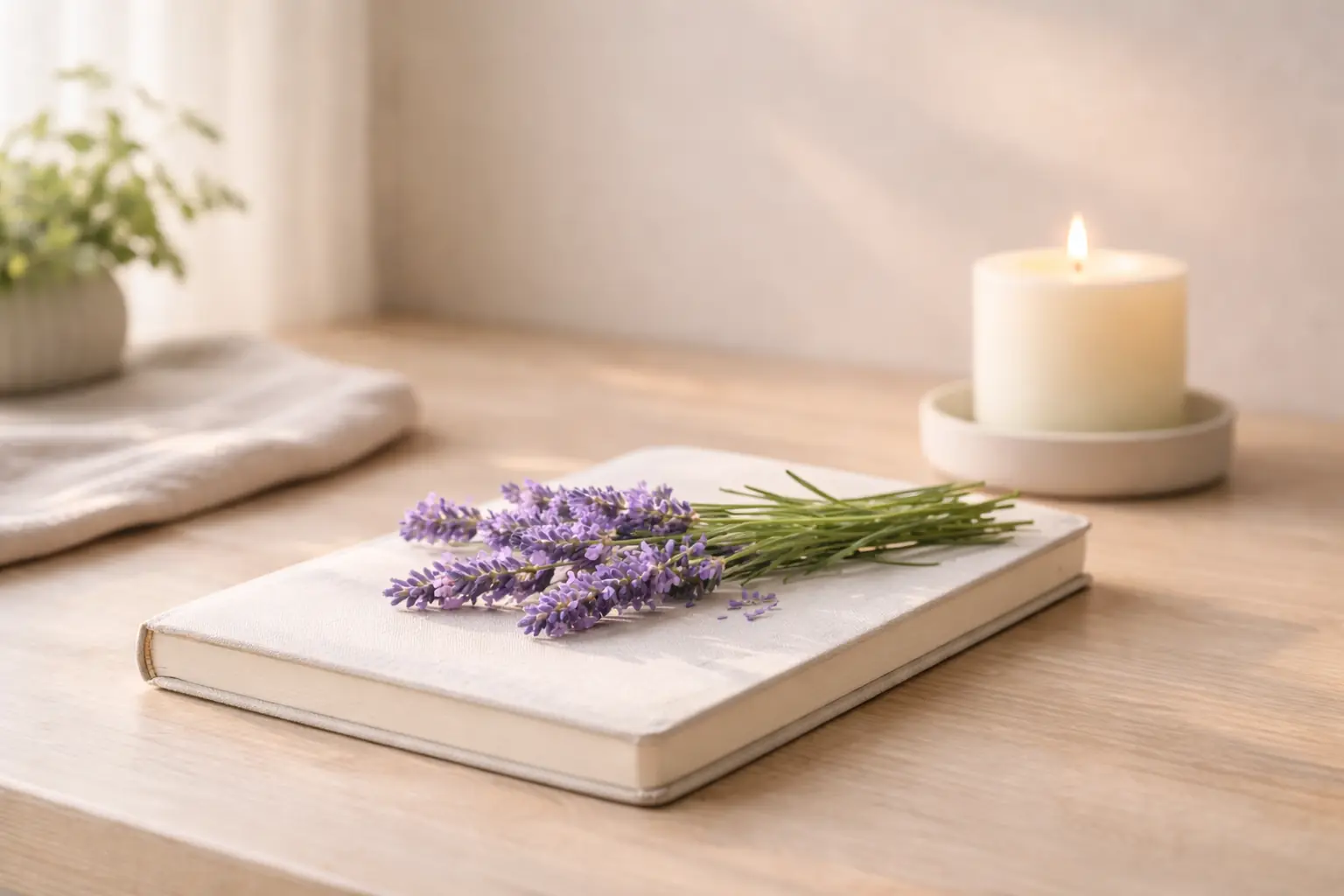
The main sections above focus on botanical information, practical use, dilution, and safety. Lavender also has a symbolic and spiritual life, shaped by its long association with calm, cleanliness, devotion, and quiet care.
Inner Quiet and Reflection
Lavender is often used symbolically in practices connected with rest, reflection, emotional steadiness, and gentle release. Its familiar scent can mark a transition from activity into stillness, especially when used as part of a quiet evening ritual.
Clarity and Cleansing
Because lavender has long been linked with washing, linens, and fresh scent, it also carries symbolic associations with cleansing and renewal. In modern spiritual or reflective practices, this symbolism may be interpreted as clearing mental clutter or creating a calmer inner atmosphere.
Crown Chakra Associations
In some contemporary aromatherapy and energy-work traditions, lavender is associated with the crown chakra and spiritual awareness. This is a symbolic use, not a medical claim. For readers who work with chakra practices, lavender may represent softness, openness, and quiet connection.
Safety Notes for Lavender Essential Oil
Lavender essential oil is generally considered one of the gentler essential oils, but it still needs thoughtful use. It should be diluted before topical application, kept away from the eyes and mucous membranes, and used with extra care around children, pets, pregnancy, asthma, allergies, or sensitive skin.
Do not ingest lavender essential oil unless you are working with a qualified professional. Internal use requires training, appropriate formulation, and attention to individual health context. A casual “drop in water” approach is not a safety-first practice.
For skin use, patch test first and avoid applying essential oils to broken, irritated, inflamed, or highly sensitive skin. If redness, itching, burning, headache, nausea, dizziness, breathing discomfort, or other unwanted symptoms occur, stop using the oil and ventilate the room or wash the area with mild soap and carrier oil as appropriate.
For diffusion, use moderate amounts, keep the room ventilated, and stop diffusing if the aroma feels overwhelming. Keep essential oils out of reach of children and pets, and store bottles tightly closed away from heat and direct light.
Further Reading and Sources
For a broader understanding of lavender, essential oil safety, dilution, and responsible aromatherapy practice, these resources are useful starting points:
This article is educational and does not replace medical advice. If you are pregnant, nursing, taking medication, managing a medical condition, or preparing essential oil products for children or pets, consult an appropriately qualified professional.