
How to Create a Signature Natural Perfume Mood
Beauty
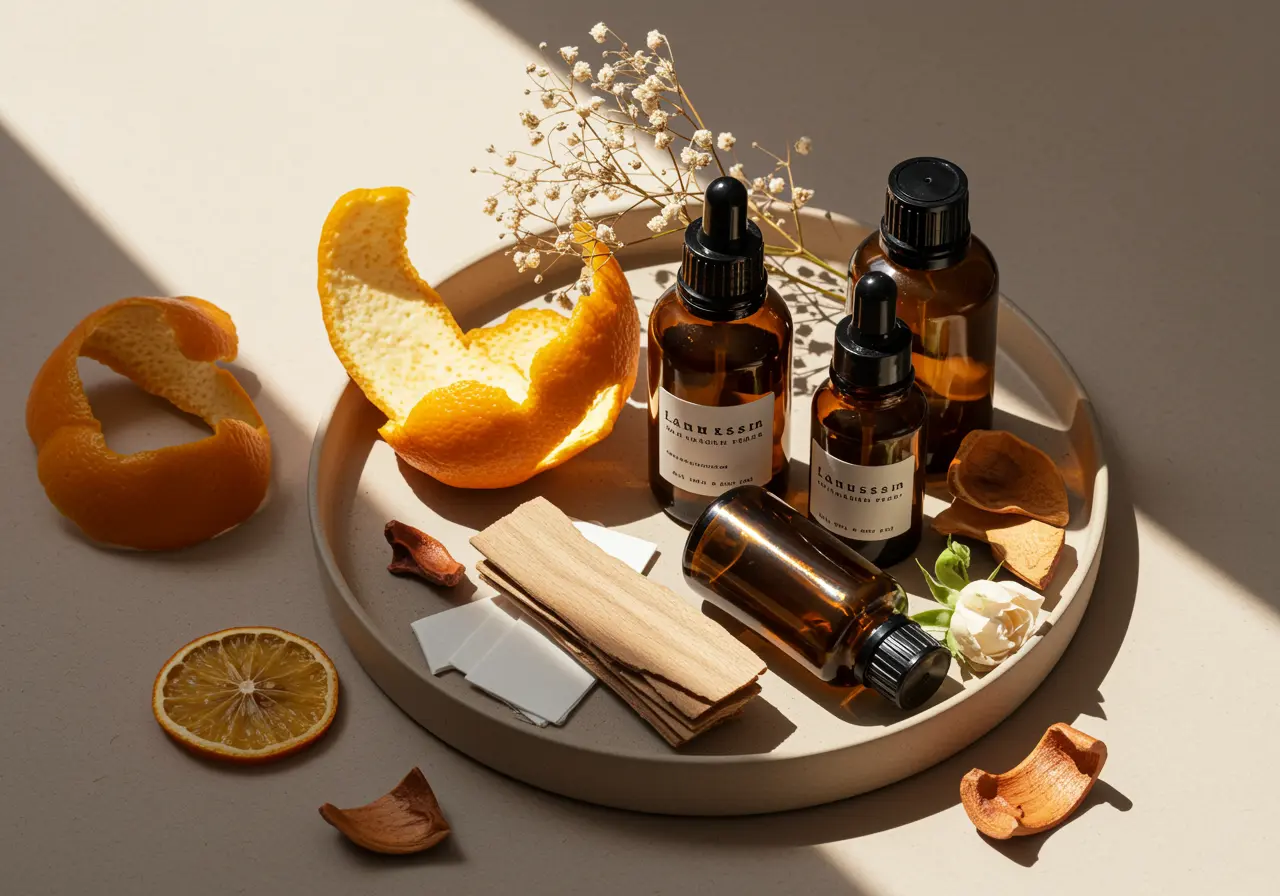
A signature natural perfume mood is less about finding one “perfect” formula and more about recognizing the atmosphere you want to carry with you. Some people want something citrus-fresh and bright. Others want floral-soft, woody-grounded, or resin-deep. Once you understand that mood, choosing oils becomes much easier.
This is useful because perfume choices often feel overwhelming when they start with too many individual notes. But when you start with a mood, the process becomes more intuitive. You are not choosing from every oil at once. You are narrowing the field to the materials that support the kind of presence you want the scent to have.
Quick Answer
To create a signature natural perfume mood, begin with a scent direction rather than a long list of oils. Citrus-fresh moods often lean on bergamot, sweet orange, or lime. Floral-soft moods may use lavender, geranium, or neroli. Woody-grounded and resin-deep directions often build from cedarwood atlas, patchouli, frankincense, or vetiver.
The most wearable natural perfume styles are usually simpler than they sound. A clear mood, a restrained blend, and a skin-aware dilution approach almost always feel more elegant than trying to combine too many competing ideas at once.
Think in Atmosphere, Not Just Ingredients
One of the easiest ways to make perfume building simpler is to stop thinking only in note names and start thinking in atmosphere. Do you want the scent to feel light, warm, airy, elegant, soft, grounded, or deeper and more contemplative? That emotional direction usually tells you more than a long shopping list of oils.
This also keeps a perfume idea more coherent. If you know you want a woody-grounded mood, you are much less likely to throw in bright citrus and sweet florals just because they smell nice individually. The blend becomes more focused because it is serving one atmosphere instead of several at once.
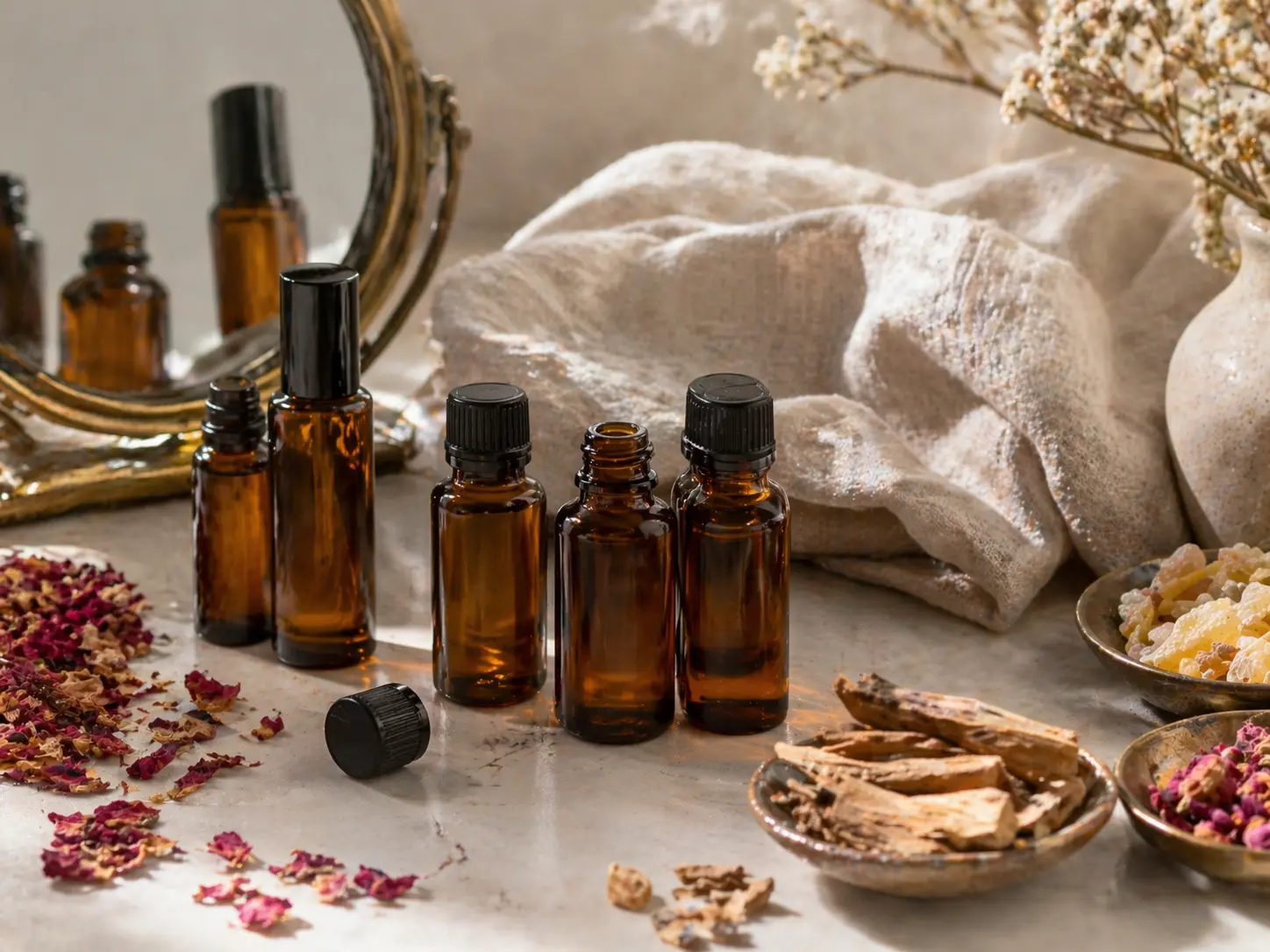
Four Useful Perfume Mood Directions
Citrus-fresh works well when you want something bright, clean, and easy. Bergamot, sweet orange, and lime can all support that mood, often with a touch of something green or woody underneath.
Floral-soft tends to feel more gentle and skin-close. Lavender, geranium, and neroli are useful here, especially when you want softness without sugary heaviness.
Woody-grounded often feels more settled and quietly confident. Cedarwood atlas and patchouli are especially helpful when you want structure and warmth without too much sweetness.
Resin-deep can create a slower, more contemplative effect. Frankincense and vetiver often work well when the mood wants more depth and stillness.
Signature Mood Directions
Citrus-fresh
Bergamot with sweet orange for a bright, approachable style.
Woody-grounded
Cedarwood atlas with patchouli for warmth and structure.
Wearability Matters More Than Complexity
A good natural perfume mood should feel wearable, not just interesting on paper. This is why simplicity tends to age better than overcomplication. A blend with a clear center is easier to understand and easier to reach for repeatedly. That consistency is often what makes something feel signature.
If you keep changing direction every time you blend, it becomes harder to recognize what actually suits you. A signature mood is often built through repetition and refinement, not through making every bottle completely different from the last one.
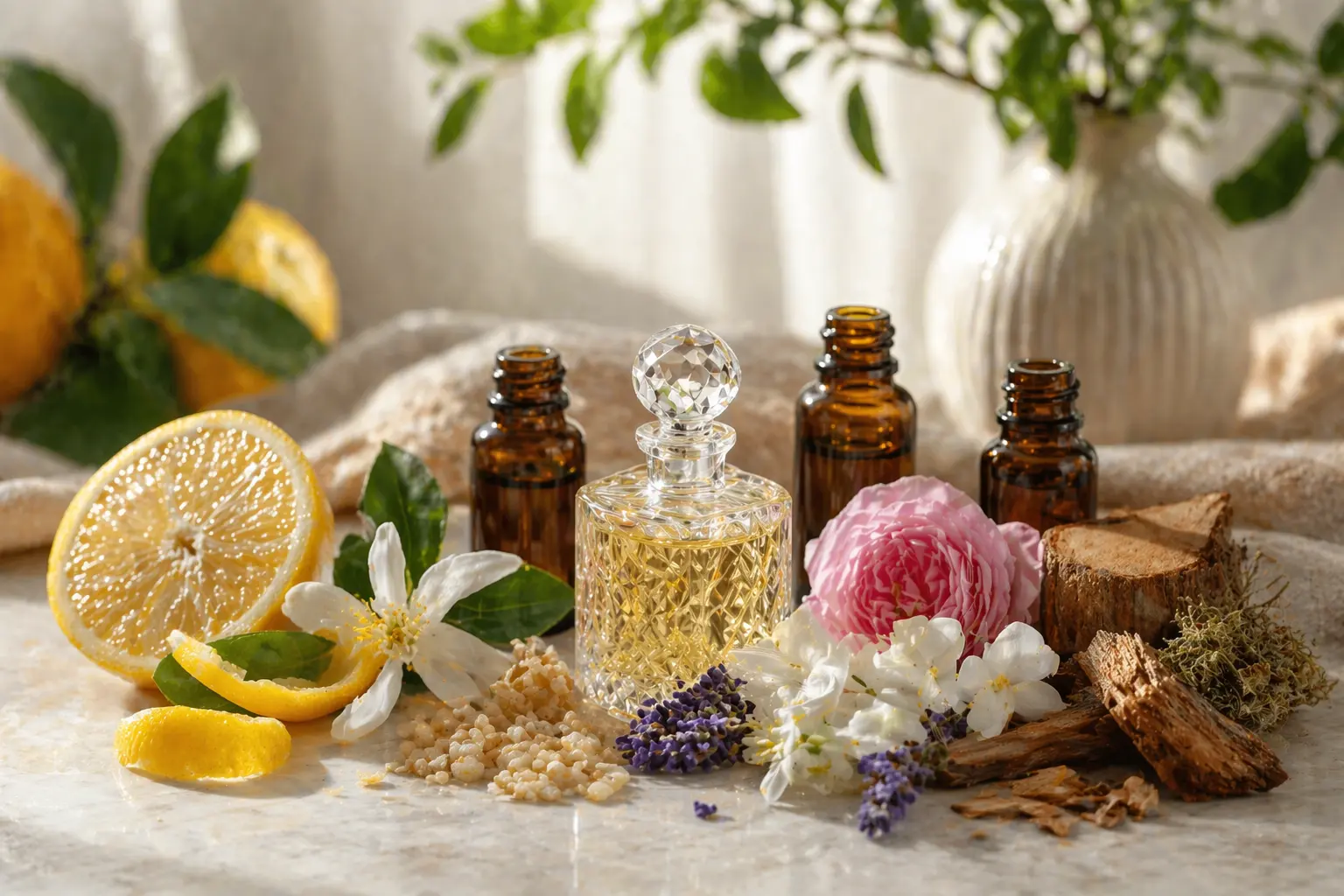
Test on Skin, Not Just in Theory
Natural perfume moods still need real-world testing. An oil combination that sounds perfect may feel different once it sits on skin, fabric, or warm air. That is why wear-testing and proper dilution matter so much. The true signature is the version that still feels right after the first few minutes and remains pleasant to live with over time.
If you want a more technical foundation for building that kind of blend, the next useful step is A Natural Perfume Guide with Essential Oils, which looks more closely at structure, note roles, and practical blending logic.
Perfume reminder: A signature natural perfume should feel wearable and calm, not crowded. Mood first, fewer oils second, and dilution always.
Beauty
A Natural Perfume Guide with Essential Oils
Build a gentle, wearable natural perfume style with essential oils by understanding note structure, dilution, testing, and skin-aware blending habits.

Beauty
How to Build a Gentle Everyday Body Oil with Essential Oils
A practical, skin-aware guide to building a simple everyday body oil with essential oils using gentle dilution, quiet scent structure, and realistic home routines.
Further Reading and Sources
These related pages help deepen perfume mood-building and skin-aware scent choices.