
A Natural Perfume Guide with Essential Oils
Beauty
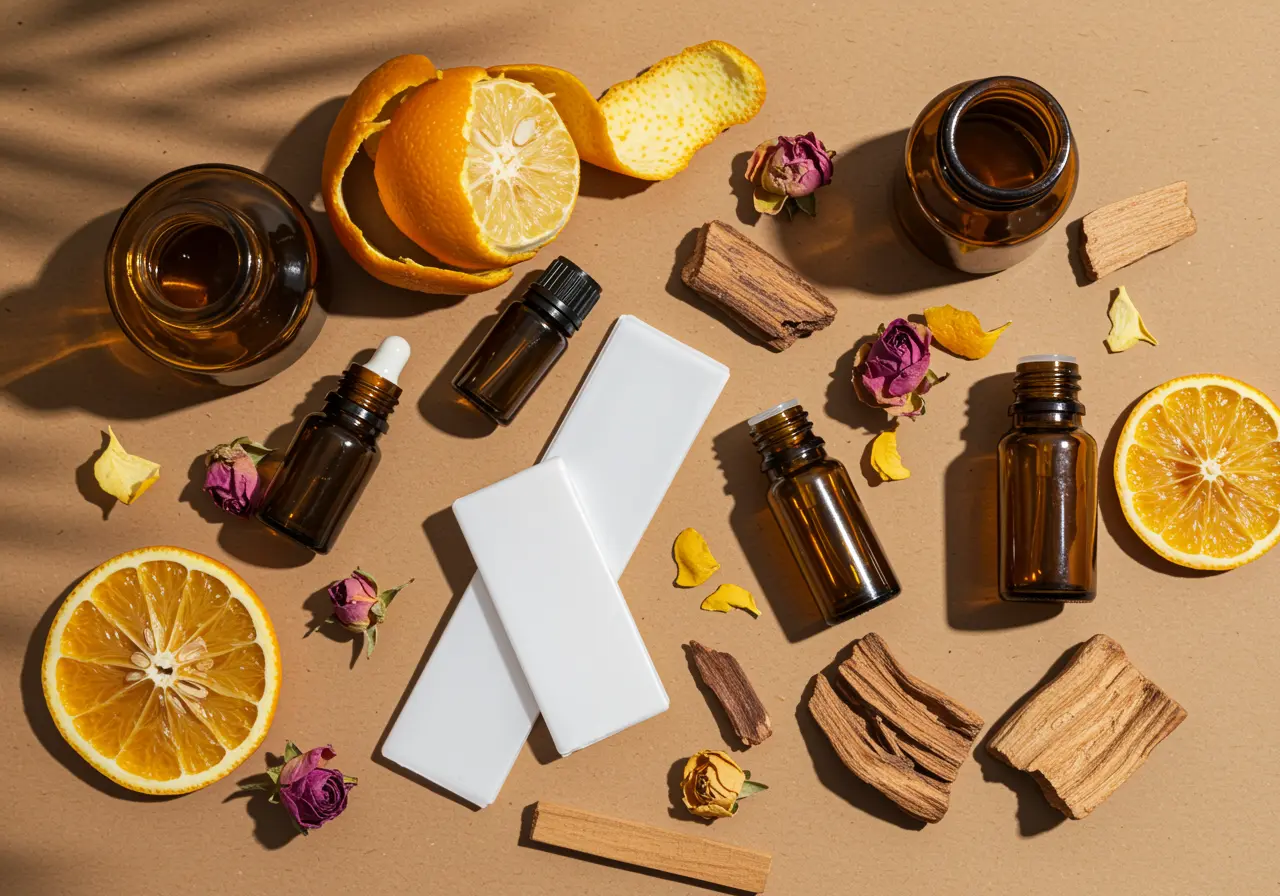
Natural perfume with essential oils can be beautiful, but it works best when the goal is elegance, wearability, and skin awareness rather than intensity. Essential oils do not behave exactly like synthetic perfume materials, so building a natural fragrance is less about forcing projection and more about creating a gentle scent story that suits the body and the day.
This guide walks through the basics of natural perfume structure, note balance, dilution, and testing. It also highlights essential oils that are especially useful in perfume-style blends, from citrus openings like bergamot to floral hearts like geranium and grounding bases like patchouli or vetiver.
Quick Answer
A natural perfume guide starts with three things: a simple note structure, a diluted base, and enough patience to let the blend settle. Most wearable blends are easier to enjoy when they combine a bright top note, a softer heart, and a grounding base rather than relying on one bold oil alone.
For many beginners, essential oils like bergamot, petitgrain, lavender, neroli, geranium, cedarwood atlas, sandalwood-style notes, patchouli, and vetiver offer the clearest starting points. The goal is not maximum strength. It is a balanced scent that feels good on skin and stays within safety-first limits.
Think in Notes, Not Just in Favorite Oils
The easiest way to build a perfume-style blend is to stop thinking in single oils and start thinking in roles. Top notes give the first impression. Heart notes shape the emotional center of the scent. Base notes create depth and help the blend feel anchored.
For example, a bright top might come from bergamot or sweet orange. A heart may come from lavender, geranium, or neroli. A base may come from cedarwood atlas, patchouli, or vetiver.
Choose a Small Palette First
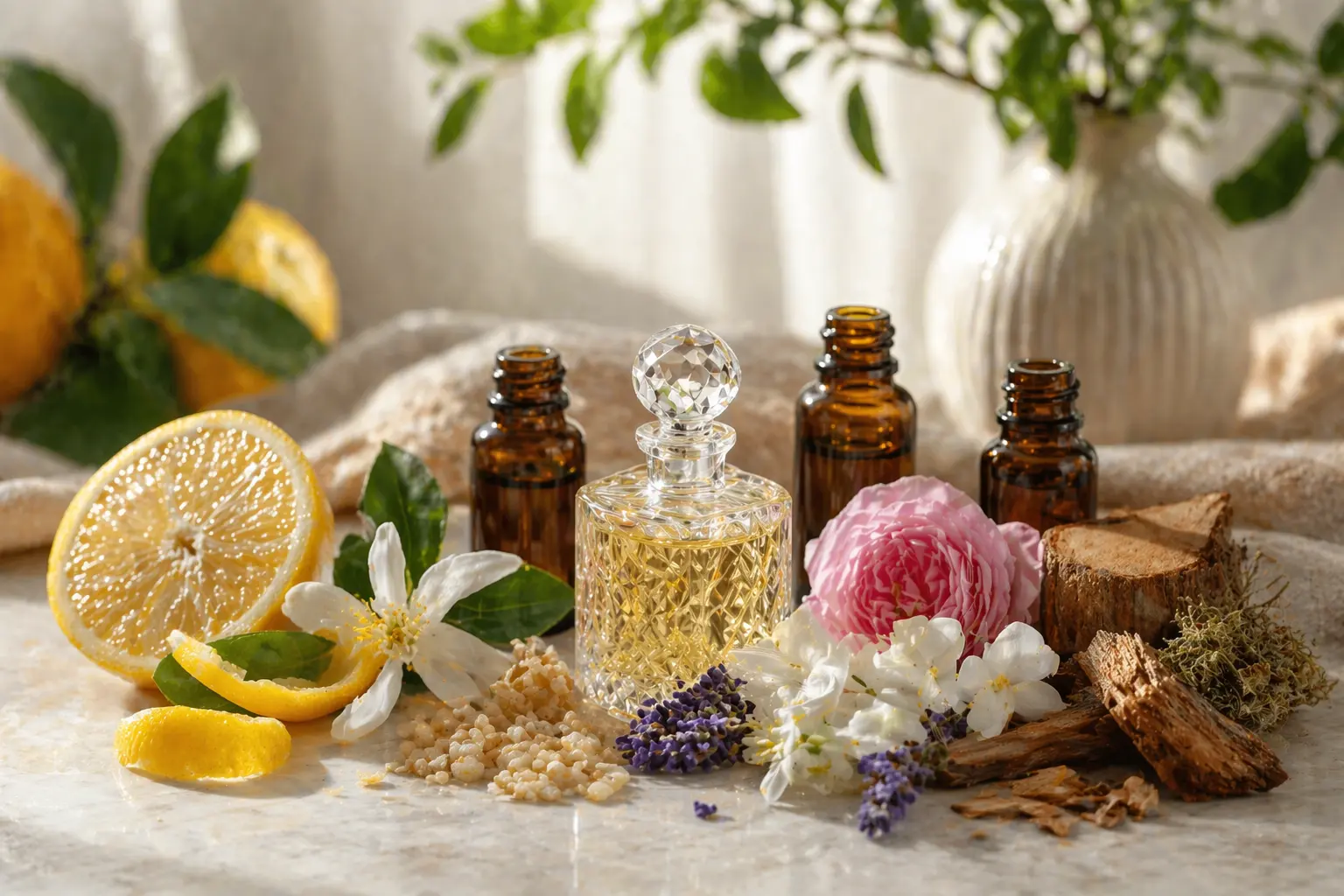
One of the most common beginner mistakes is adding too many oils too early. A natural perfume becomes easier to shape when you begin with three to five oils. That gives enough complexity to feel intentional without making the blend muddy or hard to troubleshoot.
A simple fresh cologne direction might use bergamot, petitgrain, lavender, and cedarwood atlas. A floral-soft direction might use neroli, geranium, lavender, and patchouli. A warm evening direction might lean on sweet orange, frankincense, cedarwood atlas, and vetiver.
Easy Perfume Directions
Fresh citrus-green
Bergamot, petitgrain, and cedarwood atlas.
Warm grounding
Frankincense, patchouli, and vetiver.
Dilution Makes Perfume More Wearable
Natural perfume is still topical essential oil use, which means dilution guidance matters. A perfume oil should not be treated as an excuse to use undiluted essential oils directly on pulse points. A diluted format is usually more elegant anyway. It wears closer to the skin, feels softer, and gives you room to notice the blend rather than just the strongest note.
This is especially important for citrus oils. If a perfume includes phototoxic citrus, the formula and use context need more care. That is one reason understanding citrus extraction matters in perfume work.
Perfume safety rule: Beautiful fragrance does not cancel topical safety. Keep perfume blends diluted, patch test carefully, and review phototoxicity before using citrus-heavy oils in leave-on products.
Test on Blotter First, Then on Skin
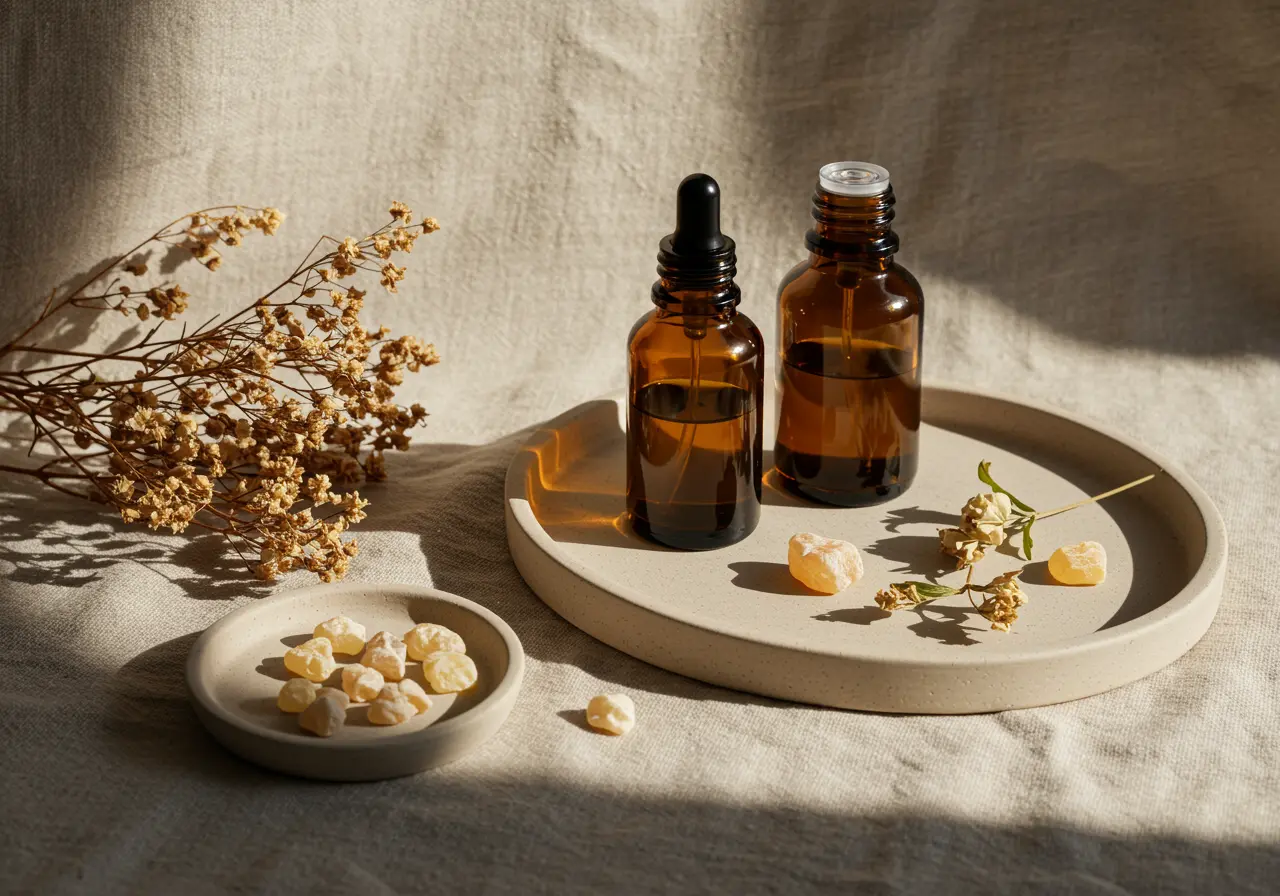
Blotter strips help you notice structure without skin chemistry getting in the way too early. They are useful for checking whether a blend has enough lift, whether the heart disappears too quickly, or whether the base feels too heavy. After that, skin testing shows the real experience: how the scent opens, settles, and changes over time on you.
Do not judge a blend too quickly. Natural perfume often softens and rounds out after resting. If you build your own perfume oils, label the bottle and come back to it later rather than adjusting it every few minutes.
Natural Perfume Is About Mood, Not Maximum Projection
One of the nicest things about essential oil perfume is that it can feel personal instead of loud. A natural blend may not project like a commercial fragrance, but that is not a weakness. It can create a softer scent bubble that fits journaling, quiet mornings, going out, or evening rituals without dominating the whole room.
For that reason, some of the best natural perfume oils are not the most dramatic ones. They are the ones you still want to wear after an hour. That usually means balance, restraint, and enough breathing room between the notes.
Beauty
How to Create a Signature Natural Perfume Mood
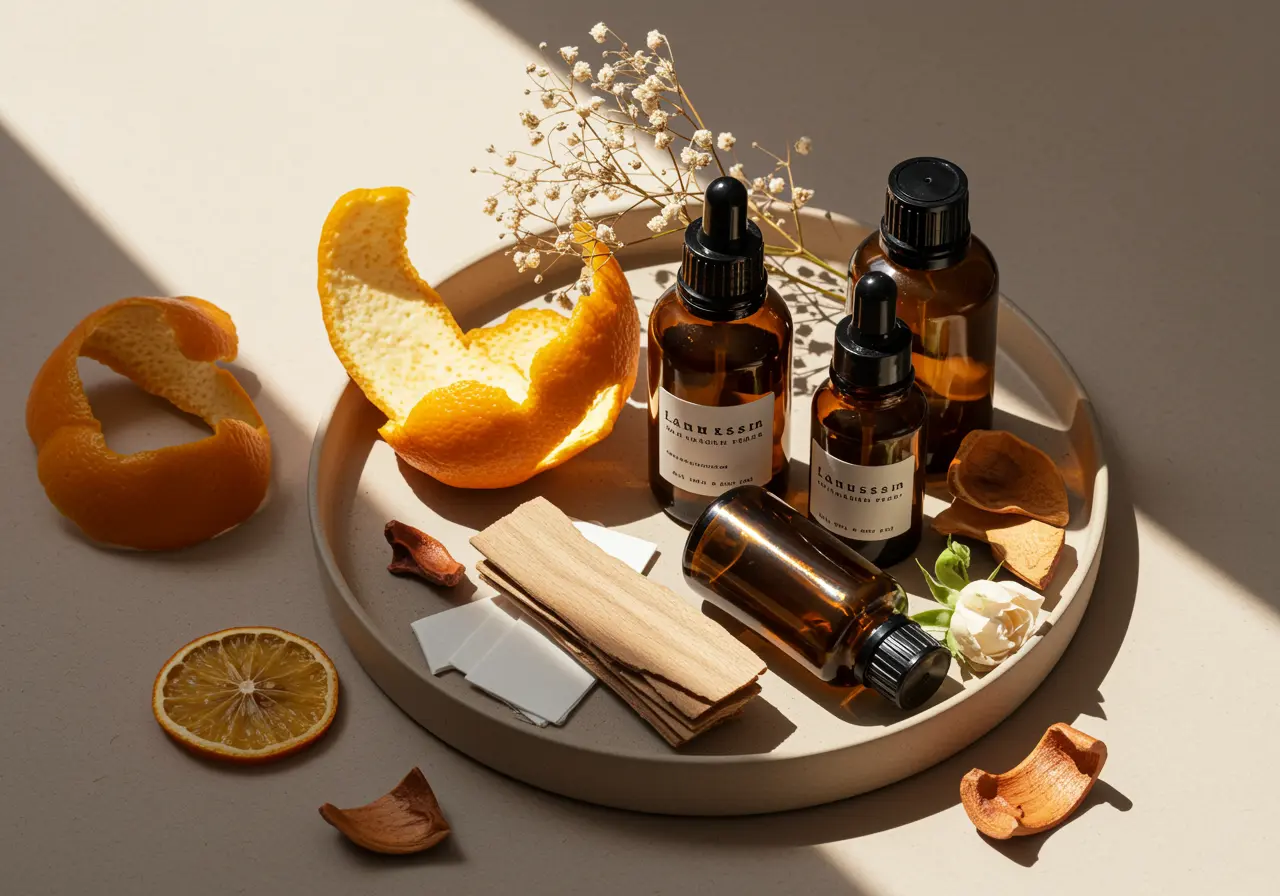
Choose a signature natural perfume mood by thinking in scent directions like citrus-fresh, floral-soft, woody-grounded, and resin-deep instead of chasing a single perfect formula.

Beauty
How to Build a Gentle Everyday Body Oil with Essential Oils
A practical, skin-aware guide to building a simple everyday body oil with essential oils using gentle dilution, quiet scent structure, and realistic home routines.
Further Reading and Sources
These pages pair especially well with perfume-style blending.