
Neroli Essential Oil for Rooms That Need Elegance Without Formality
Wellness
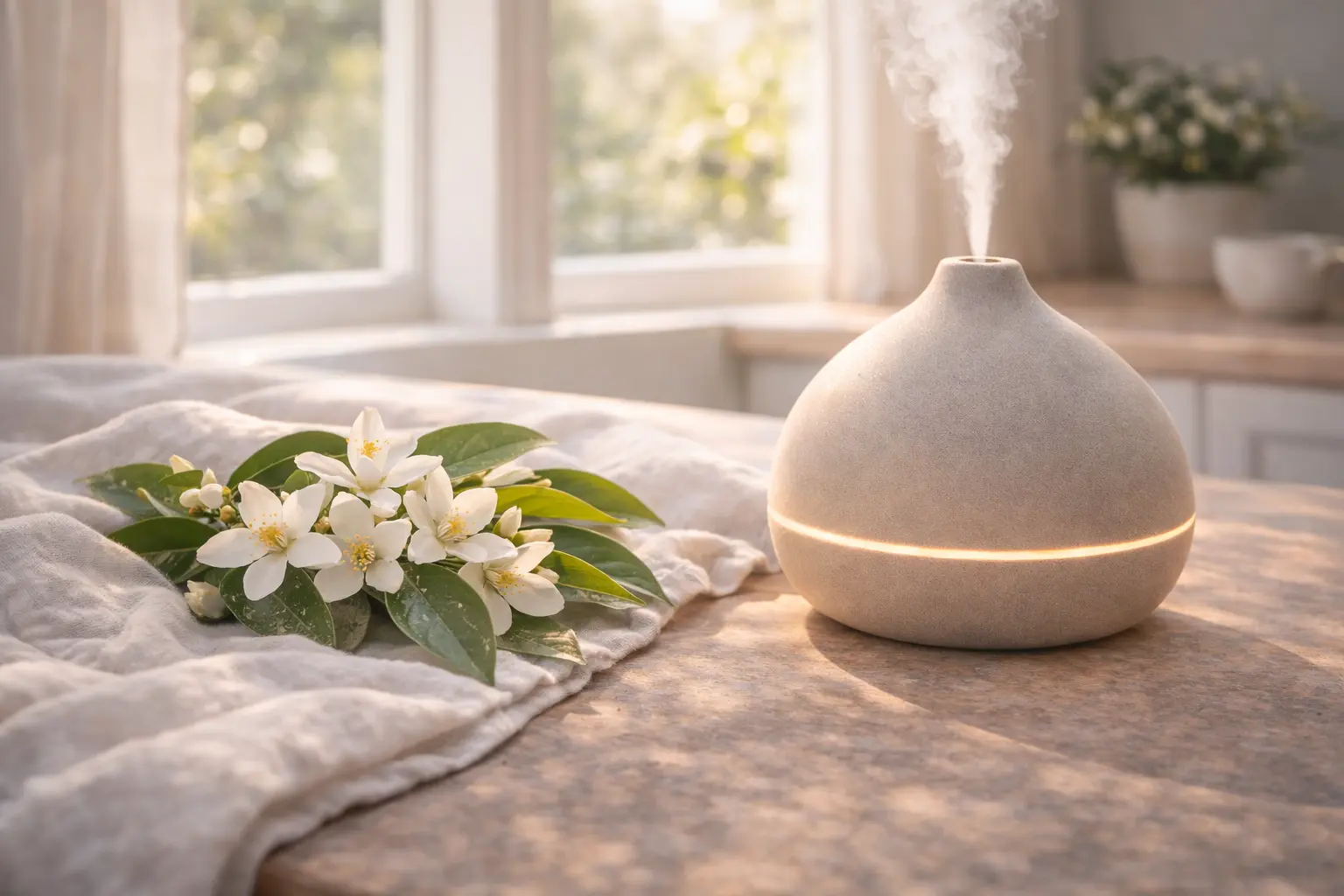
Neroli can feel intimidating if you only meet it through the language of luxury perfume. It is often described as elegant, precious, floral, and refined, which is all true enough, but not always helpful when you are standing in your actual living room wondering whether the scent will feel beautiful or too formal. In real home use, neroli is most interesting when it brings elegance without making the room feel dressed up for someone else's life.
That is the useful everyday angle for Neroli Essential Oil. It can make a room feel gentle, polished, and emotionally lighter, but it does not have to become a grand floral statement. Used with restraint, neroli can soften a space in a way that feels quietly graceful rather than perfumed.
Quick Answer
Neroli works best in rooms that need a softer, more elegant emotional tone without becoming sweet, heavy, or overly romantic. It is especially useful in bedrooms, slow morning spaces, gentle evening routines, and guest-ready rooms where you want refinement with warmth.
Pair it with bergamot, petitgrain, lavender, sandalwood, or a very light citrus note when you want neroli to feel airy and lived-in instead of formal.
Neroli Is Elegant Because It Has Air Around It
The best neroli room does not usually smell like a bouquet. It feels open, soft, and lightly polished. That difference matters because neroli can become too precious if it is treated like the whole point of the room. In a home, elegance rarely comes from intensity. It comes from fit, restraint, and the sense that nothing is trying too hard. Neroli can support that beautifully when it is allowed to breathe.
This is why neroli often pairs so naturally with petitgrain. Both come from bitter orange, but they bring different parts of the plant's personality into the room. Neroli brings blossom softness. Petitgrain brings leafy green structure. Together, they can make a room feel floral without becoming sentimental, which is a very useful balance if you want a softer home atmosphere that still feels grown-up.

Where Neroli Fits in a Real Home
Neroli is useful in rooms where you want comfort to feel more refined. A bedroom that should feel soft but not sleepy yet. A living room before a quiet visit. A bathroom after an evening shower, when lavender would be too familiar and citrus would be too bright. A slow weekend morning where the home needs gentleness, not energy. These are not dramatic uses, but they are exactly where neroli can shine.
It also works well when a room feels emotionally thin. Some spaces are tidy and light but lack warmth. Neroli can add a little human softness without adding clutter. That makes it a good companion to the thinking in What Makes a Scent Feel Expensive at Home, where polish comes from balance rather than volume.
How to Keep Neroli from Becoming Too Formal
The easiest way is to pair it with something that makes it more lived-in. Bergamot gives neroli brightness and social ease. Petitgrain makes it greener and more breathable. Sandalwood makes it warmer and smoother. Lavender softens it, though that pairing can become very floral if the dose is not careful. In a room, neroli usually needs less support than you think, but it does need context.
It also helps to avoid over-styling the moment. Neroli does not need candles, dramatic lighting, or a spa setup to work. It can be part of ordinary home care: fresh sheets, a clear bedside table, a glass of water, an open window, and a short diffuser session. That ordinary setting is often what keeps neroli from feeling theatrical.
The Best Neroli Mood Feels Gracious, Not Fancy
There is a difference between a room that feels expensive and a room that feels gracious. Neroli can do both, but the second is often more useful. A gracious room is soft enough to welcome you, clear enough not to smother you, and refined enough not to feel random. Neroli can help create that effect when it is used as a gentle atmospheric detail rather than a floral centerpiece.
That is why neroli deserves a place in real home routines, not just perfume conversations. Its best work is subtle, but the room notices.
Wellness
Essential Oils for a Calmer Evening Wind-Down Routine
A gentle, practical guide to using essential oils in an evening wind-down routine that softens the transition out of the day without turning bedtime into a big project.
Wellness
A Simple Aromatic Reset for Slow Weekend Mornings
A calm, readable guide to shaping a slow weekend morning with lighter scent, open windows, tea, journaling, and a home atmosphere that feels restorative instead of rushed.

Wellness
How to Choose the Lavender Mood That Actually Fits Your Routine
A practical guide to the different roles lavender can play in evening, linen, study, bedroom, and shared-space routines so it feels well-placed instead of automatic.
Wellness
12 Low-Effort Ways to Bring Lavender Essential Oil into Your Evening Routine
A lighter, more everyday guide to the small places lavender can fit into an evening routine when you want atmosphere, softness, and less friction instead of a complicated ritual.