
Tea Tree Essential Oil Beyond Cleaning: Where It Actually Fits at Home
Home
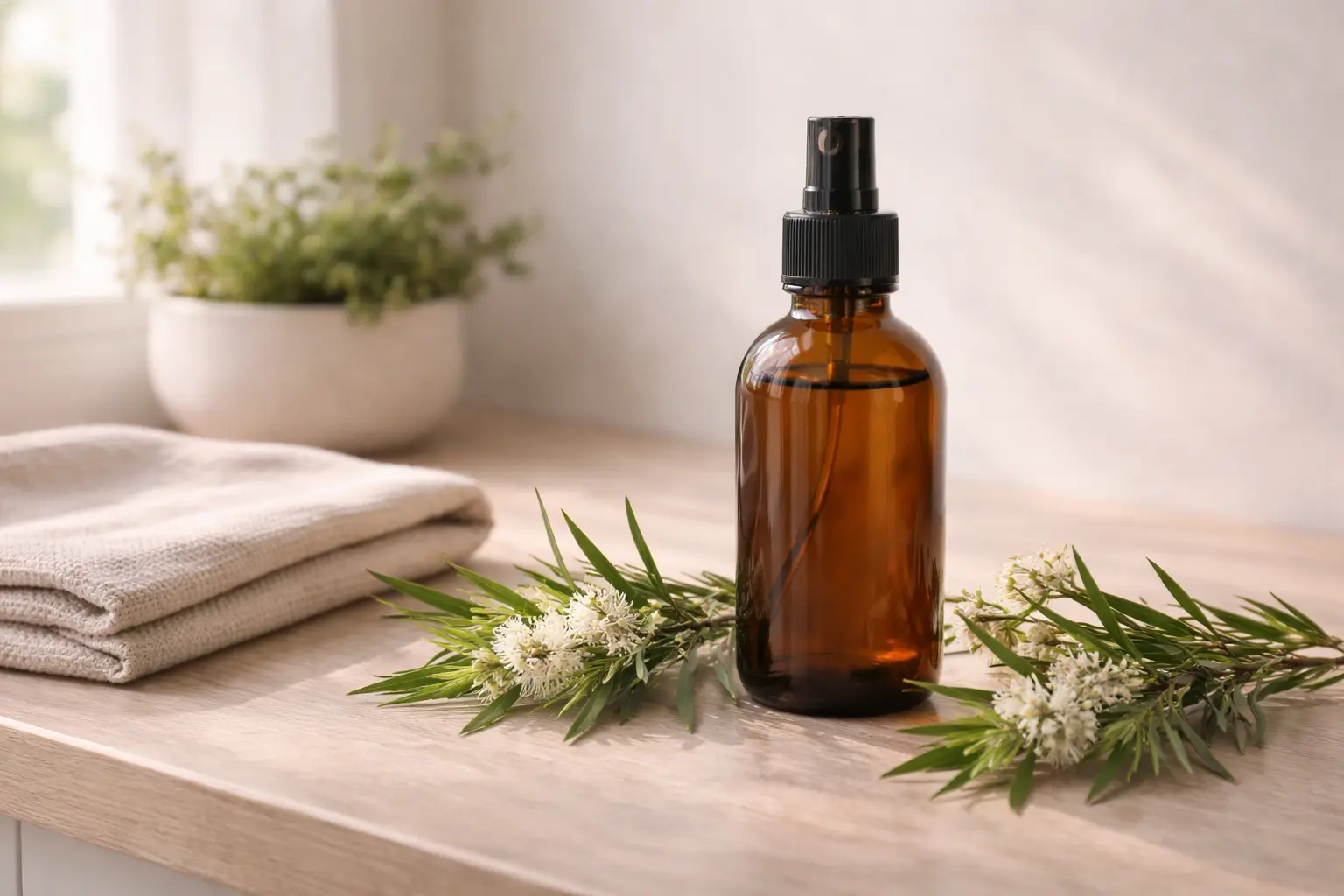
Tea tree tends to arrive in a home with a job already assigned to it. It is the cleaning oil. The practical one. The bottle that gets reached for when a room needs to feel sharper, not prettier. That reputation is not accidental, but it can flatten the oil into a single role and make people either overuse it or ignore it completely. Tea tree is not a decorative all-purpose room scent, but it also does not need to be locked inside a cleaning caddy forever.
The better question is not whether tea tree belongs in the home. It is where it fits naturally, and where it starts feeling forced. Once you make that distinction, the oil becomes much more useful. Tea tree can support certain corners of the house beautifully, especially where the room wants practical freshness rather than emotional softness. It just needs the right context.
Quick Answer
Tea tree essential oil tends to work best in bathrooms, sink areas, utility-adjacent routines, small odor-reset moments, and other spaces where the goal is practical cleanness rather than decorative fragrance. It can make a room feel fresher and more resolved when used lightly and paired with air or citrus.
It usually works less well in rooms that are supposed to feel soft, luxurious, or socially relaxed. There, its useful sharpness can read as too functional.
Tea Tree Is Best When the Home Needs Practical Freshness
Some oils help a room feel warmer, softer, more social, or more polished. Tea tree usually serves a different kind of need. It helps the home feel tidier in spirit. This is one reason it works so naturally in discussions around Natural Antimicrobial Claims: What They Actually Mean in Real Home Use. Even when you are not making big claims for it, tea tree has a practical scent logic that many homes find useful.
Bathrooms are a clear example. The goal there is usually not rich atmosphere. It is to make the air feel cleaner, quicker, and more put back together after use. Tea tree can help with that, especially when it is part of a broader reset involving surface care, hand towels, trash, and airflow. In that kind of setting, the oil does not feel severe. It feels appropriate.
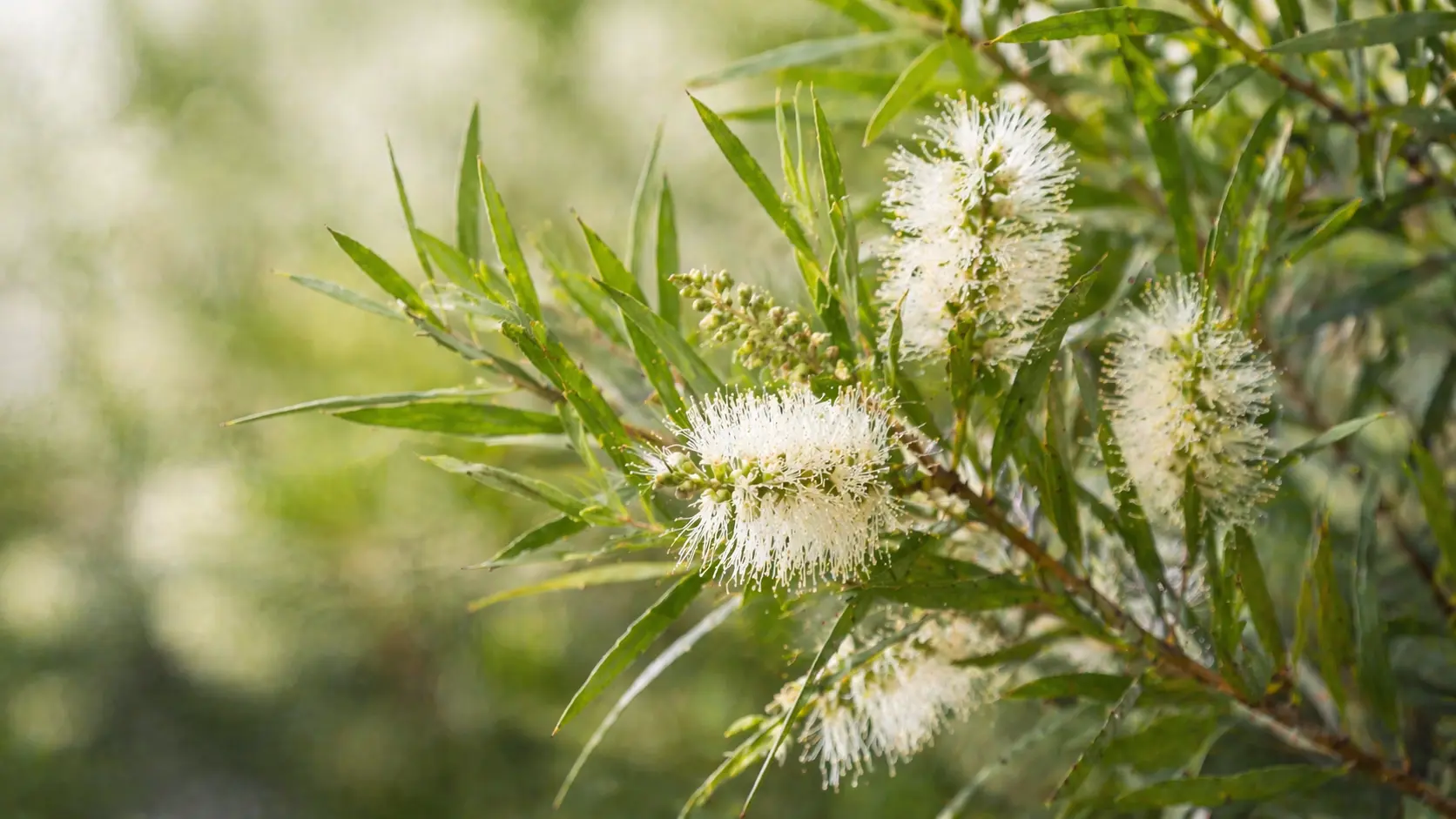
Where It Actually Fits Best
Tea tree often fits the small utility scenes of home life better than the central decorative ones. Think bathroom resets, sink-side finishing routines, laundry-adjacent freshness, trash-area cleanup, and little odor hotspots that influence more of the home than they should. It can also be a good accent in an entry-adjacent situation if the house has just taken on outside dampness, shoe smell, or that slightly stale mix of closed air and daily traffic.
This is why it can make sense beside articles like Small Home Odor Hotspots: Trash Can, Sink, Vacuum, and Entryway and Quick Bathroom Reset Before Guests. Tea tree is less about making the home smell beautiful from a distance and more about improving these small zones that quietly influence the whole atmosphere.
Tea Tree Usually Needs a Lighter Partner
On its own, tea tree can feel too straightforward for many people. That is not a flaw so much as a clue. It often needs another note that gives it air or brightness. Lemon can make it feel cleaner and more open. Eucalyptus radiata can add movement. In some cases, a restrained sweet citrus can stop the whole effect from becoming too medicinal.
That pairing logic matters because tea tree should rarely be asked to carry decorative atmosphere. It is more convincing when it behaves like a support note in a clean-home rhythm. The oil becomes easier to enjoy once you stop trying to make it perform elegance and instead let it help a room feel more finished.
Where Tea Tree Often Feels Wrong
Tea tree can struggle in spaces meant for softness, refinement, or emotional landing. Bedrooms, cozy living rooms, and slower evening corners often want warmth, woods, green-citrus grace, or quiet floral structure instead. In those places, tea tree may feel too functional, even if you personally like the smell. It can also overwhelm delicate blends if used with a heavy hand, because its usefulness has a clear scent identity behind it.
This is one reason it helps to think of tea tree less as a signature-room oil and more as a task-fitting oil. If the room's main emotional job is comfort or beauty, another oil will usually fit more naturally. If the room's job is to feel fresher, more breathable, and less stale, tea tree may be exactly right.
Home
How to Choose the Right Diffuser for Each Room
A practical room-by-room guide to choosing diffuser size, intensity, timing, and placement for bedrooms, living rooms, work corners, entryways, and bathrooms.
Home
How to Freshen Laundry and Linens with Essential Oils
Freshen laundry, bed linens, towels, closets, and fabric routines with essential oils in a simple, clean-feeling, safety-first way.
Home
Essential Oils for a Guest-Ready Living Room
Create a welcoming living-room atmosphere with essential oils that feel polished, lived-in, and guest-ready without turning the room overly sweet or heavy.
Home
How to Clean an Essential Oil Diffuser
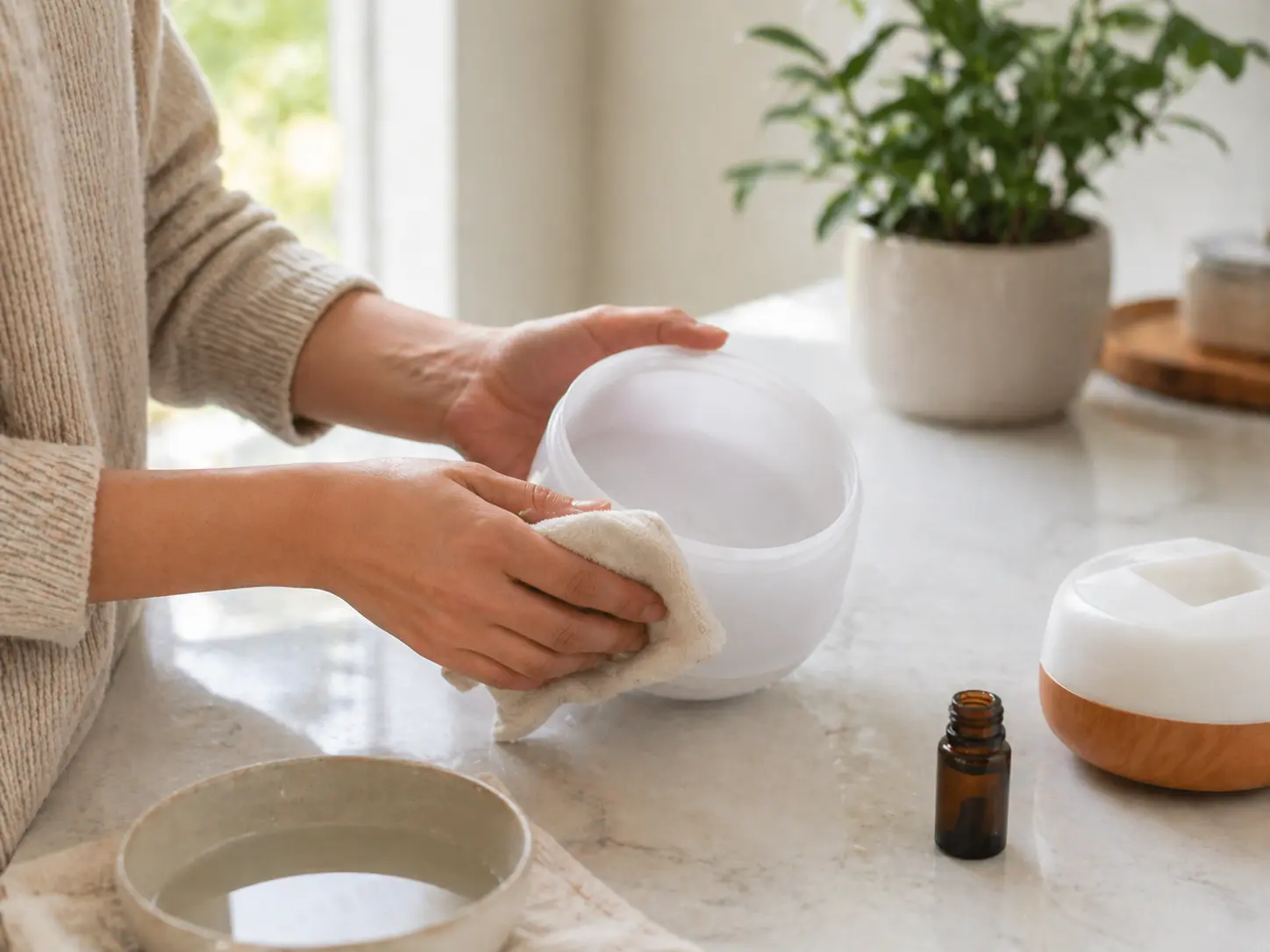
A practical, safety-first guide to cleaning an essential oil diffuser so it runs better, smells fresher, and fits cleanly into a real home routine.
Further Reading and Sources
These reads help place tea tree in practical home routines without forcing it into decorative roles it does not naturally want.