
How to Build a Spring Home Mood Without Making It Floral
Seasonal
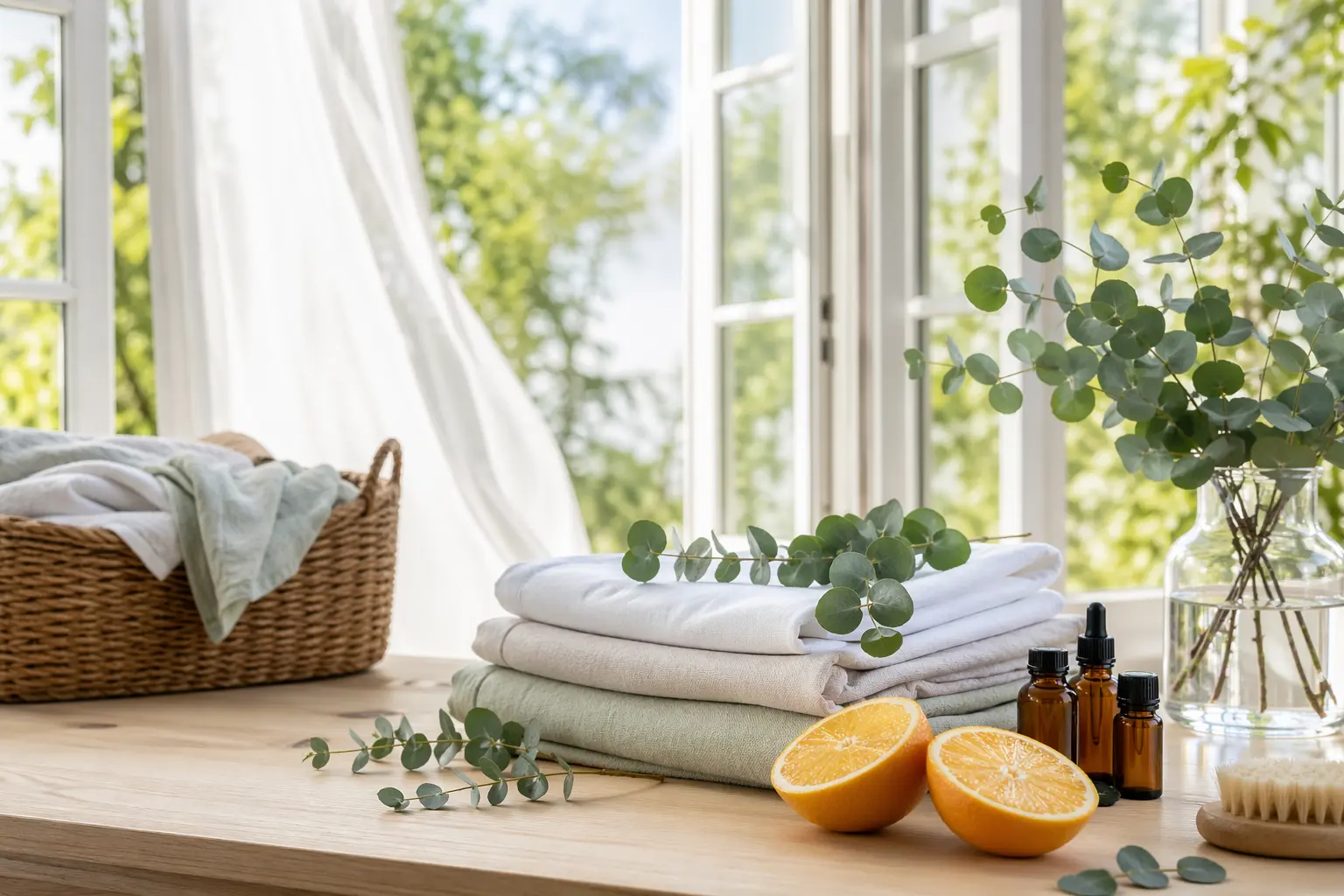
Not everyone wants spring at home to smell like flowers. For many people, the most convincing spring mood is greener, brighter, and cleaner than that. It feels like windows opening, fabric getting lighter, winter density lifting, and the room beginning to breathe again. There may be softness in it, but it does not have to arrive through obvious bloom.
That is good news if floral scents often feel too sweet, too powdery, or simply too decorative for the way you actually live. Spring mood can be built through air, light, herbs, citrus, green woods, and the sense of a room resetting its weight.
Quick Answer
If you want a spring home mood without floral sweetness, build it around brightness, air, and green structure instead. Open windows, lighter textiles, citrus, petitgrain, rosemary, eucalyptus radiata, and subtle fabric freshness usually create a more believable early-spring effect than obvious bouquet notes do.
The goal is not to remove softness. It is to let freshness lead, and let any softness arrive in a much lighter supporting role.
Spring Mood Is Often About Weight, Not Flowers
One reason spring content can become repetitive is that it confuses season with floral identity. But many real rooms do not shift into spring because they suddenly smell like blossoms. They shift because they lose winter heaviness. The curtains move more. The fabrics feel cleaner. The light stretches further into the room. The overall impression becomes less dense.
That is why non-floral spring moods often feel more believable than overtly floral ones, especially in early spring. They match the physical transition of the room more closely.
Green Structure Often Does More Than Floral Sweetness
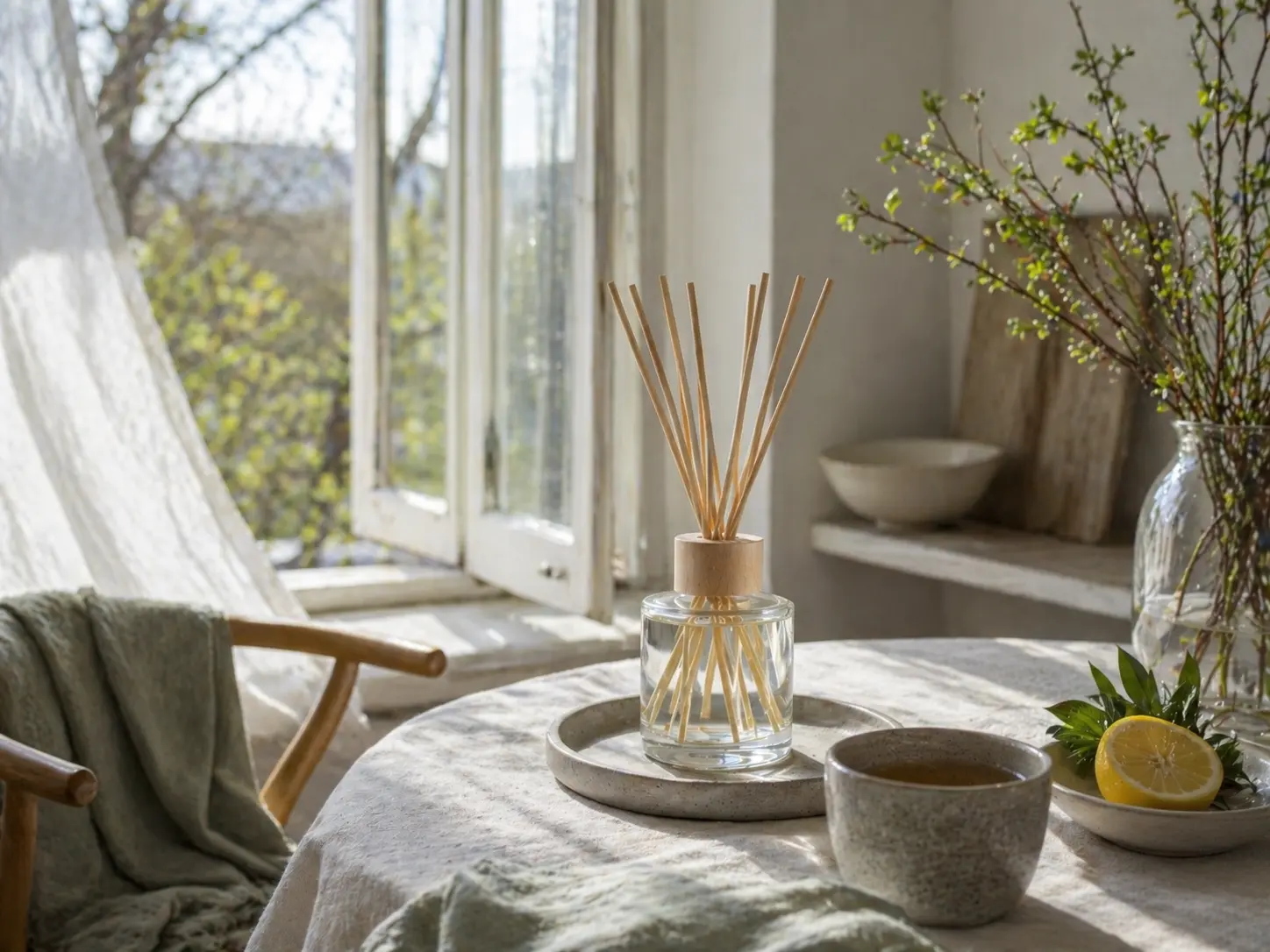
If you remove flowers from the picture, spring still has a strong scent language available to it. Green citrus, airy herbs, and certain dry-soft woods all help create the feeling of freshness returning. Petitgrain, rosemary, eucalyptus radiata, and clean citrus notes often create a spring home much more convincingly than a floral note that arrives before the room is ready for it.
These oils are not “more spring” in the abstract. They simply support brightness and movement without turning the room decorative too quickly.
The Room Still Needs to Participate
This is one of the biggest differences between a believable spring mood and a themed one. If the room is still heavy with winter fabric, stale air, and layered fragrance, a spring blend will usually feel pasted on. If the room has been lightened even a little, the same oils suddenly feel natural.
That is why the practical foundation matters: open the room, edit the fabrics, reduce older fragrance load, and let the air change before you try to style the season with scent.
How to Make Spring Feel Lighter Without Flowers
Lead with air
Open windows and lighter textiles make non-floral spring scent feel much more convincing.
Use citrus plus green
That pairing usually creates a seasonal lift without becoming sugary or bouquet-like.
Keep softness subtle
If you round the blend, do it gently so the fresh structure still leads.
Softness Can Still Be There, Just Not as the Main Event
A non-floral spring mood does not need to be harsh. You can still give it softness. The trick is to let softness arrive through tone rather than through obvious bloom. A little sweet orange, a small softening note of lavender, or simply the clean impression of fresh linen may be enough.
That kind of softness feels more architectural than decorative. It supports the room instead of trying to perfume it into spring by force.
Spring Home Mood Is Usually Better When It Feels Earned
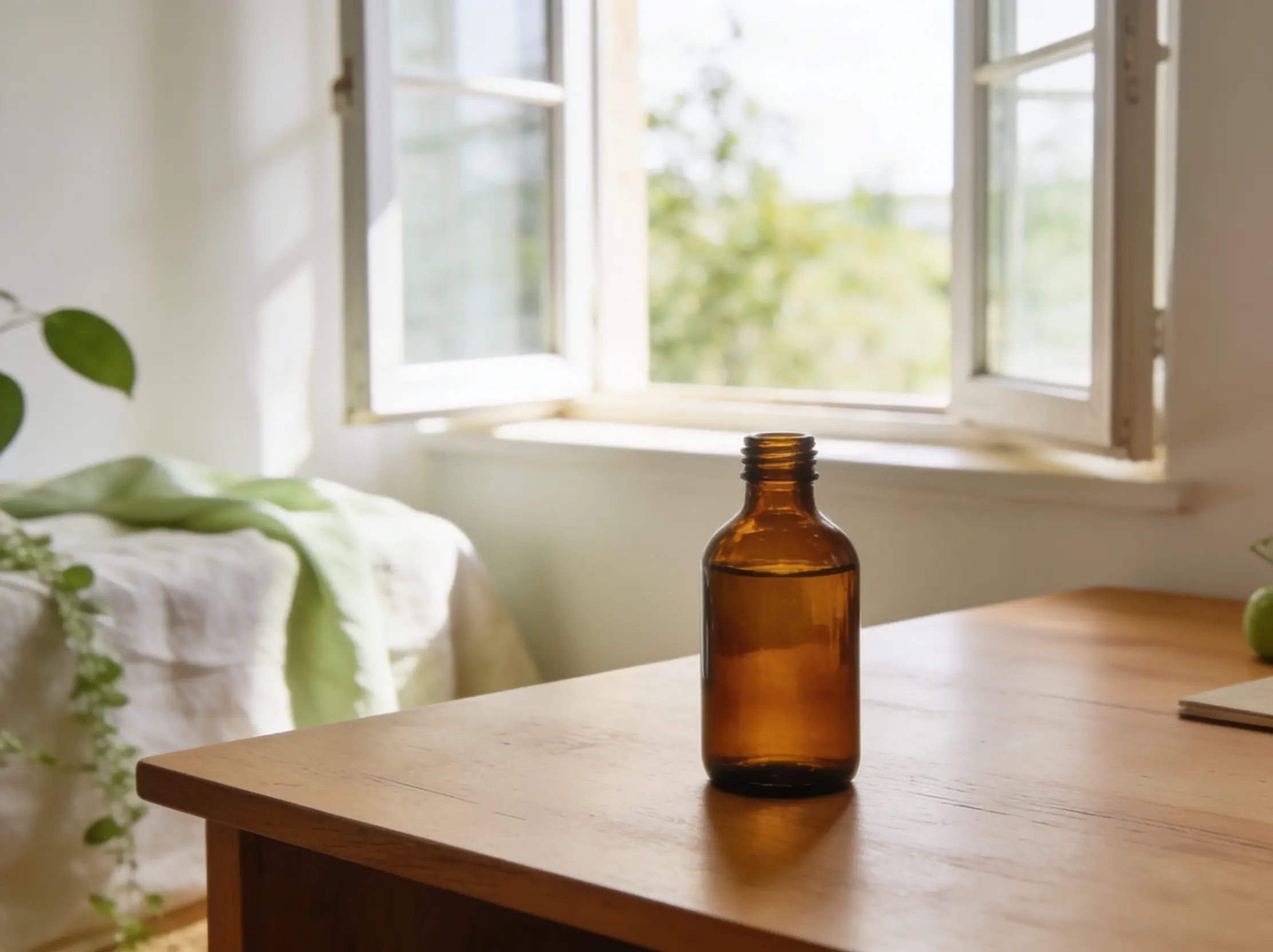
That may be the simplest way to put it. When spring scent arrives in a room that has already changed its weight, it feels earned. When it arrives as a shortcut over a still-heavy room, it often feels staged. Floral-free spring is powerful precisely because it leans into what the season is physically doing to the house already.
You are not inventing spring from nothing. You are helping the room recognize it.
Seasonal
Season-by-Season Home Scent Shifts
A practical guide to shifting home scent with the seasons, moving from bright spring freshness to warmer autumn and winter atmospheres without overcomplicating the routine.
Seasonal
Open-Window Spring Scent Ideas for a Lighter Home Mood
A spring scent guide built around open windows, lighter blends, green freshness, and room moods that feel brighter without tipping into sharp or soapy territory.
Further Reading and Sources
These reads help frame spring scent as a question of air, weight, and room mood rather than only floral identity.