
A Fresh-Start Home Reset with Small Aromatic Changes
Home

A home reset does not have to mean a deep-clean marathon or a whole new shopping list. Often the most noticeable shifts come from a few small changes that lighten the air, soften the room, and make the home feel easier to inhabit again.
Essential oils can help with that reset, but usually in a supporting role. The bigger changes are often airflow, textile freshness, clutter reduction, and room-by-room editing. Aroma helps most once those basics are already moving in the same direction.
Quick Answer
A good fresh-start reset usually comes from small aromatic changes layered onto simple room care: opening windows, freshening fabrics, resetting odor points, and choosing one light scent direction instead of trying to perfume everything.
The most useful oils are usually the ones that keep the room feeling clearer rather than richer, such as lemon, sweet orange, rosemary, and eucalyptus radiata.
Reset the Air Before You Reset the Aroma
If a room has been shut, stale, over-scented, or simply overused, the first improvement is often physical rather than aromatic. Open the windows. Move the air. Change or straighten the textiles that hold the room mood most strongly. Clear a few visual surfaces. Only then ask what scent would actually help.
This sounds simple because it is. And that is why it works.
Reset culture often makes people think they need a dramatic before-and-after. In practice, homes usually respond better to modest interventions that remove drag. The room does not need to become minimal, new, or highly styled. It only needs to stop carrying so much visual and sensory residue from the previous week.
That is where essential oils make more sense as an accent than a main event. Once the room already feels a little more open, aroma helps define the mood of that openness. Before then, it often just sits on top of the problem.
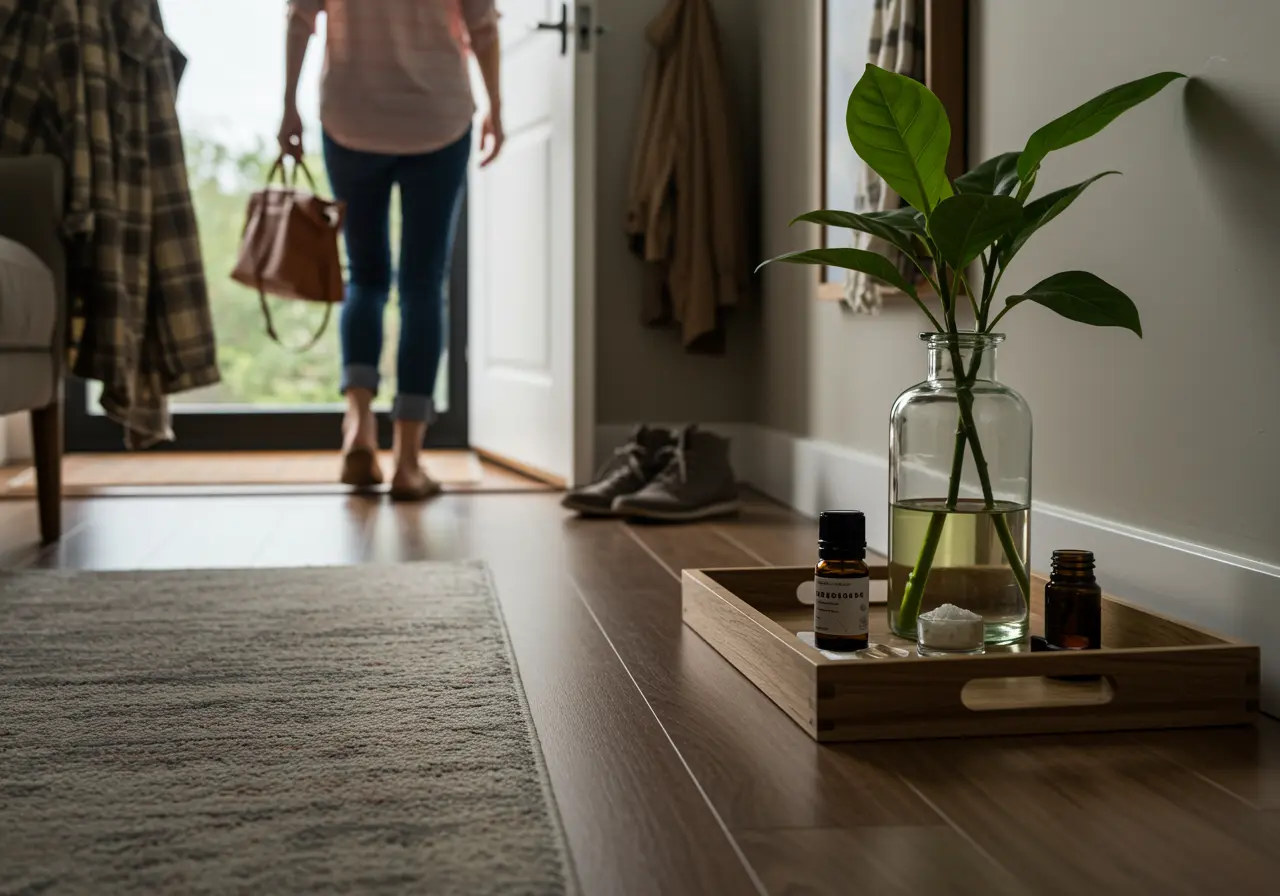
Pick One Room Tone, Not Five Messages
Many home resets fail because the scent story gets scattered. Citrus in one place, spice in another, a candle somewhere else, laundry fragrance in the background, and a stronger diffuser blend trying to unify it all. The result often feels busier, not fresher.
A better reset uses one tone. Clean-citrus and green. Soft airy evening. Fresh linen and open-window light. Pick one mood and let the whole room support it.
This same idea shows up in more commercial reset writing too. Plant Therapy's new-year swaps piece is strongest where it quietly argues for simplification rather than constant product layering. Fewer messages usually make a home feel more intentional than more products do.
If you are not sure what tone to choose, start by asking what the room most needs to stop feeling like. Stale? Busy? Heavy? Dull? That answer often tells you more than asking what fragrance sounds attractive in theory.
Use Aroma as the Finishing Move
This is where essential oils feel most worth it. Once the home already feels tidier and more breathable, one short diffuser session or one careful fabric-friendly routine can make the reset feel intentional rather than simply cleaned. Aroma becomes the final adjustment, not the emergency fix.
That is also why the related piece How to Make a Home Smell Cleaner Without Making It Smell Stronger fits so naturally with this one.
When people say a home feels reset, they often mean that everything seems to be pulling in the same direction. The room is cleaner, yes, but it is also quieter, clearer, and less resistant. A diffuser or linen routine works beautifully at that point because it reads as polish rather than repair.
If the room still feels wrong after scent is added, that is useful information. It usually means the aromatic layer arrived too early, or that the scent tone is not actually matching the reset you wanted.
Small Reset Moves That Change a Room Fast
Open one window for ten minutes
A little fresh air can do more for the room than another layer of scent.
Refresh one fabric surface
A throw, towel set, or pillow cover can shift the whole room faster than expected.
Run one short blend
Use a defined session rather than letting the room stay scented indefinitely.
The Best Fresh Start Usually Feels Modest
The strongest reset routines are often the least theatrical. They do not need a “whole new you” energy. They just make the home feel easier again. Lighter sink air. Less textile stagnation. A calmer entryway. A more breathable living room. That is enough to change how a day starts or ends.
This is why fresh-start content can stay useful beyond January. The real value is not seasonal novelty. It is learning how small, low-resistance changes can alter the feel of a lived-in room quickly. That logic still works in March, July, or late autumn when the house simply needs a different kind of reset.
Make It Repeatable
The real test of a reset is whether you would do it again next week. If the routine is too long or too decorative, it usually fades. If it is a short sequence of clear changes, it becomes part of how the home quietly takes care of itself.
That is also why it helps to think in sequences instead of ambitions. Air out the room. Clear one surface. Refresh one fabric. Run one short blend. Small orders are easier to repeat than vague intentions, and repeated small resets usually outperform occasional grand ones.
Home
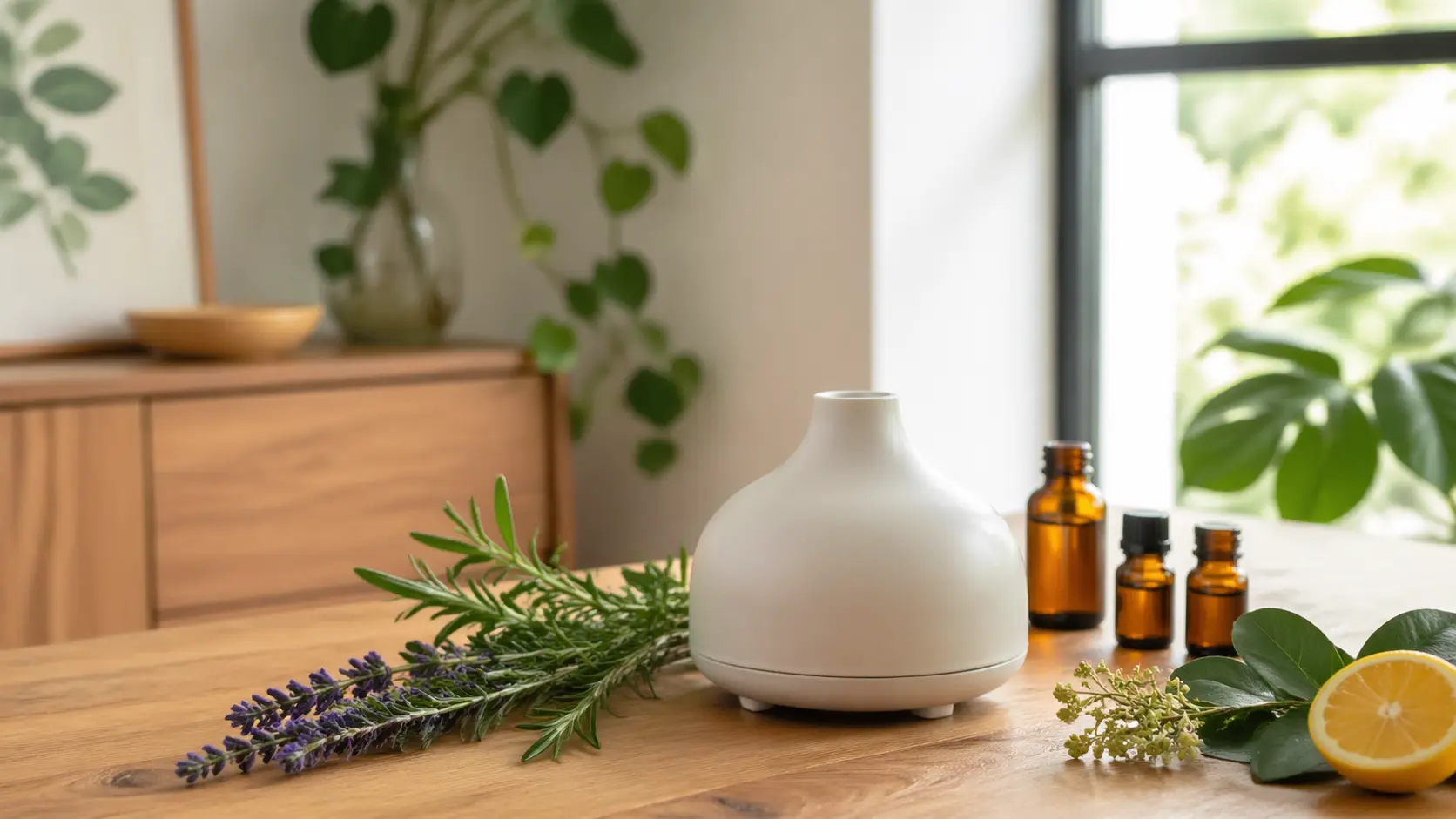
How to Choose the Right Diffuser for Each Room
A practical room-by-room guide to choosing diffuser size, intensity, timing, and placement for bedrooms, living rooms, work corners, entryways, and bathrooms.
Home
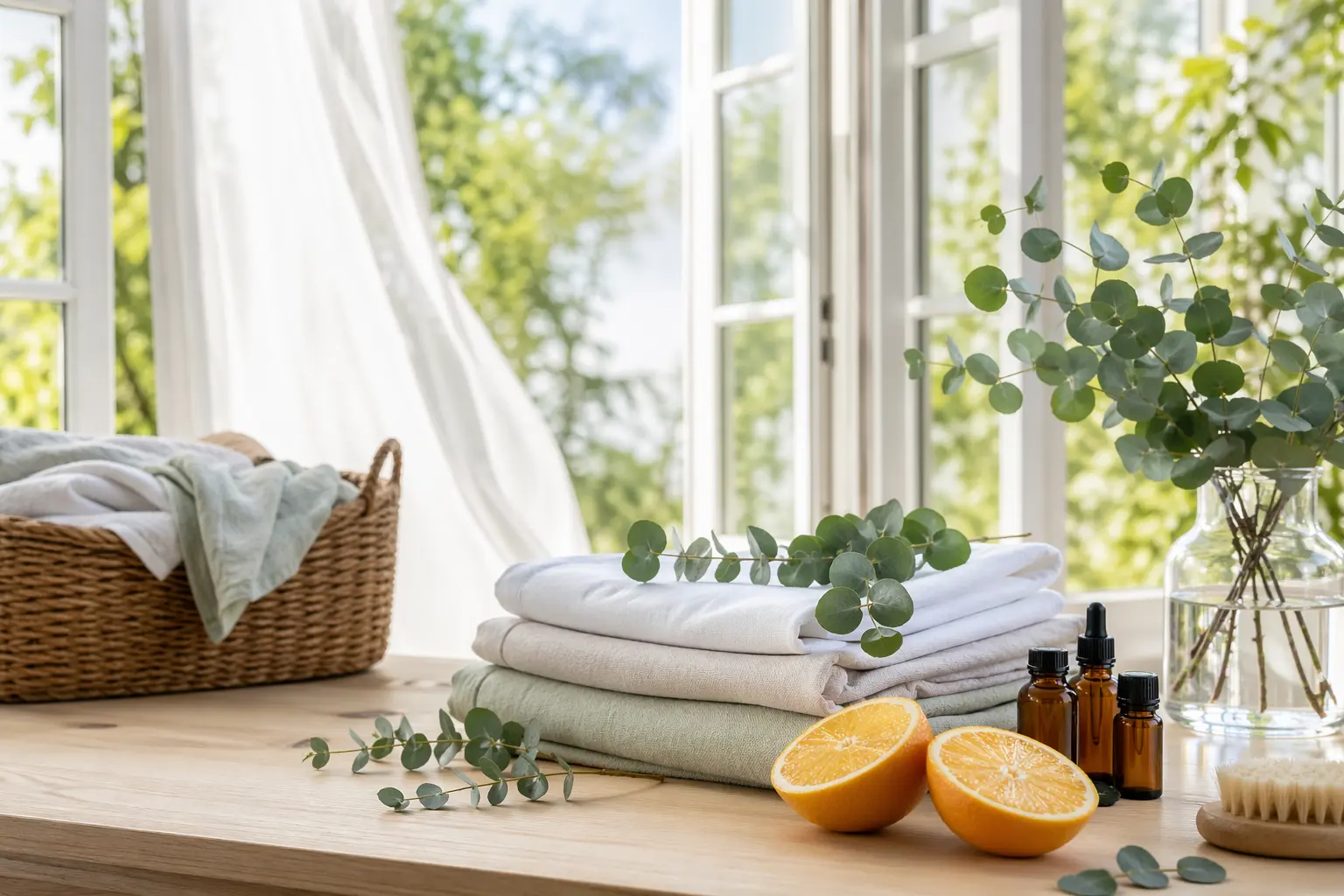
How to Freshen Laundry and Linens with Essential Oils
Freshen laundry, bed linens, towels, closets, and fabric routines with essential oils in a simple, clean-feeling, safety-first way.
Home
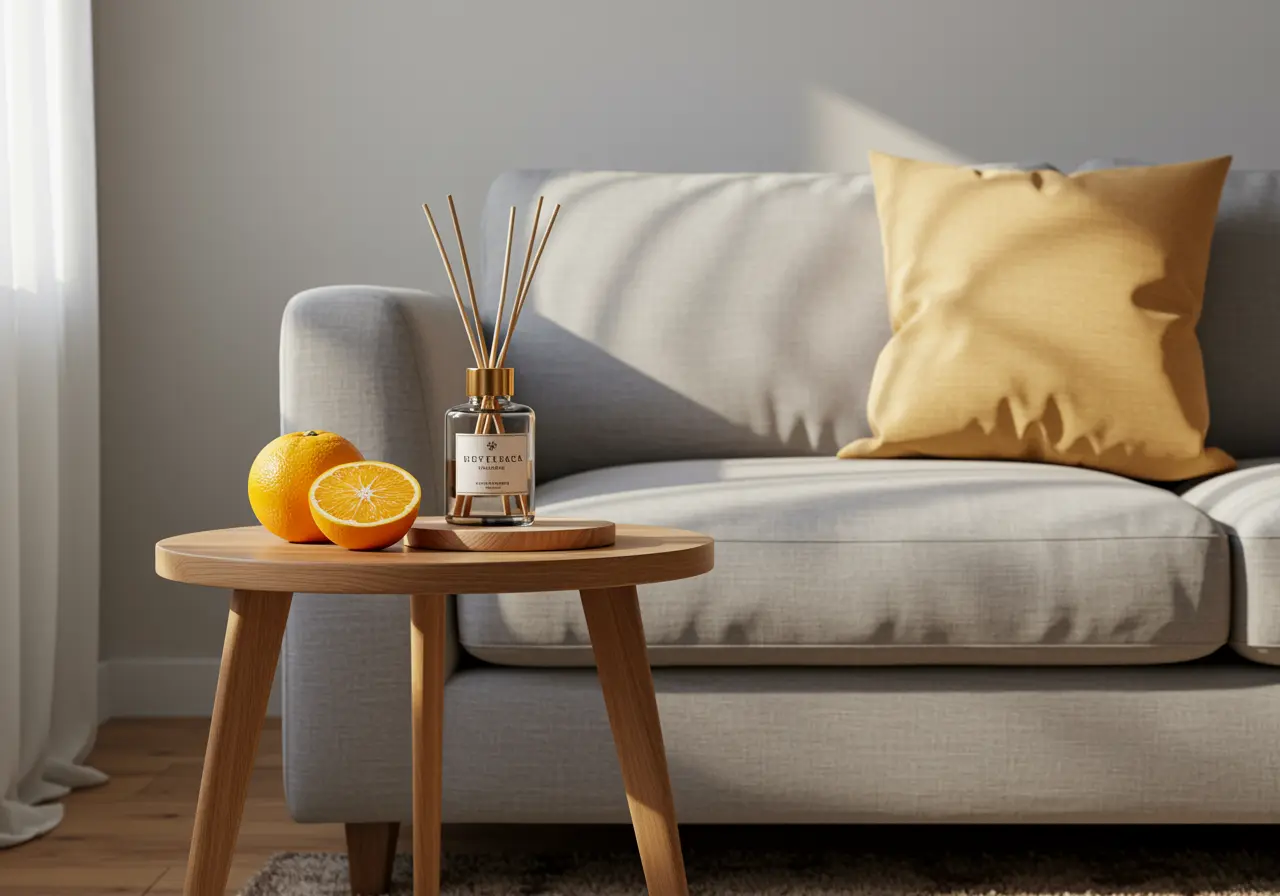
Essential Oils for a Guest-Ready Living Room
Create a welcoming living-room atmosphere with essential oils that feel polished, lived-in, and guest-ready without turning the room overly sweet or heavy.
Home
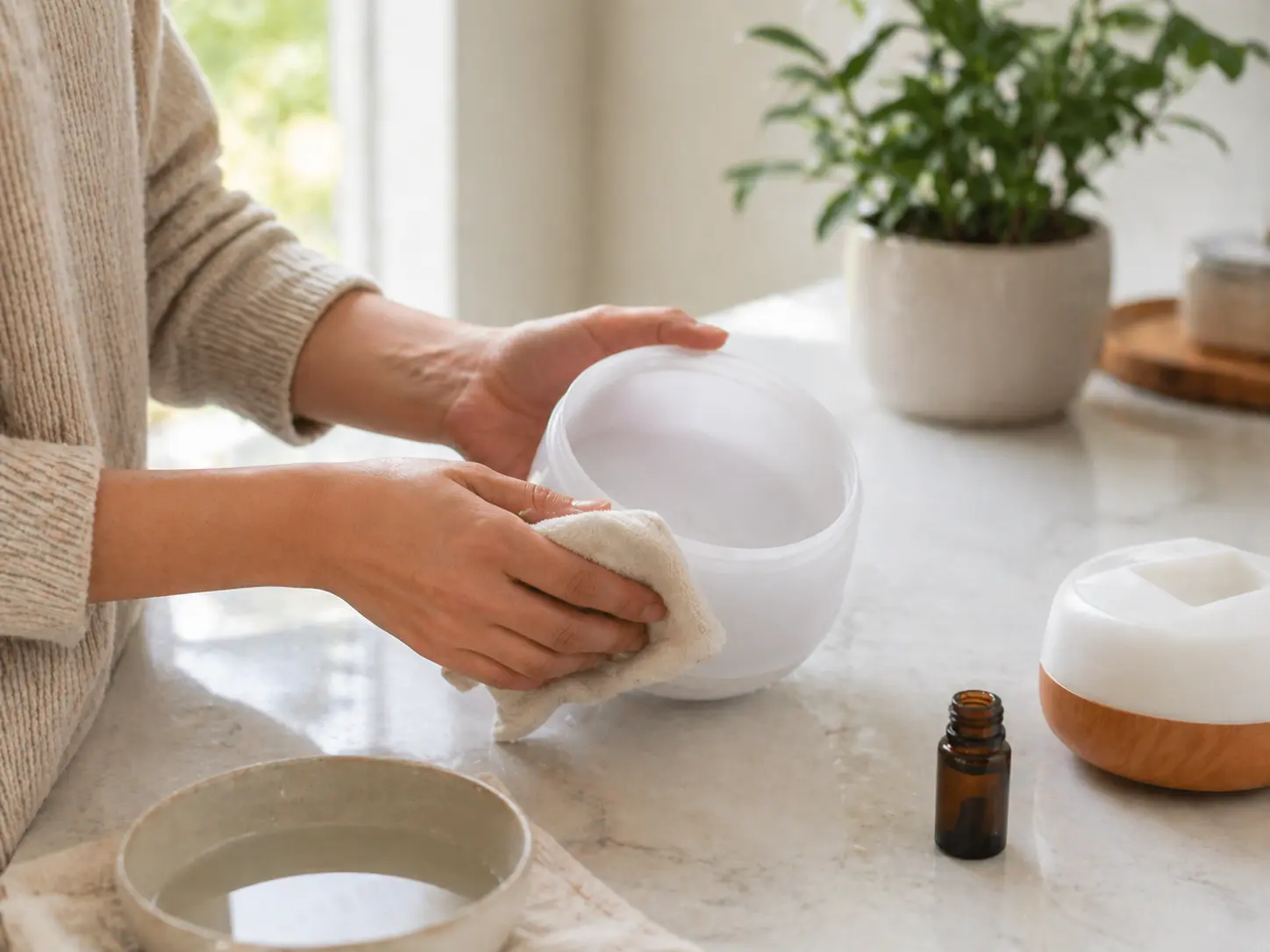
How to Clean an Essential Oil Diffuser
A practical, safety-first guide to cleaning an essential oil diffuser so it runs better, smells fresher, and fits cleanly into a real home routine.
Further Reading and Sources
These related reads help turn the “fresh-start” idea into a practical home rhythm.