
Cleaner Home Swaps for a Lower-Fragrance Routine
Cleaning
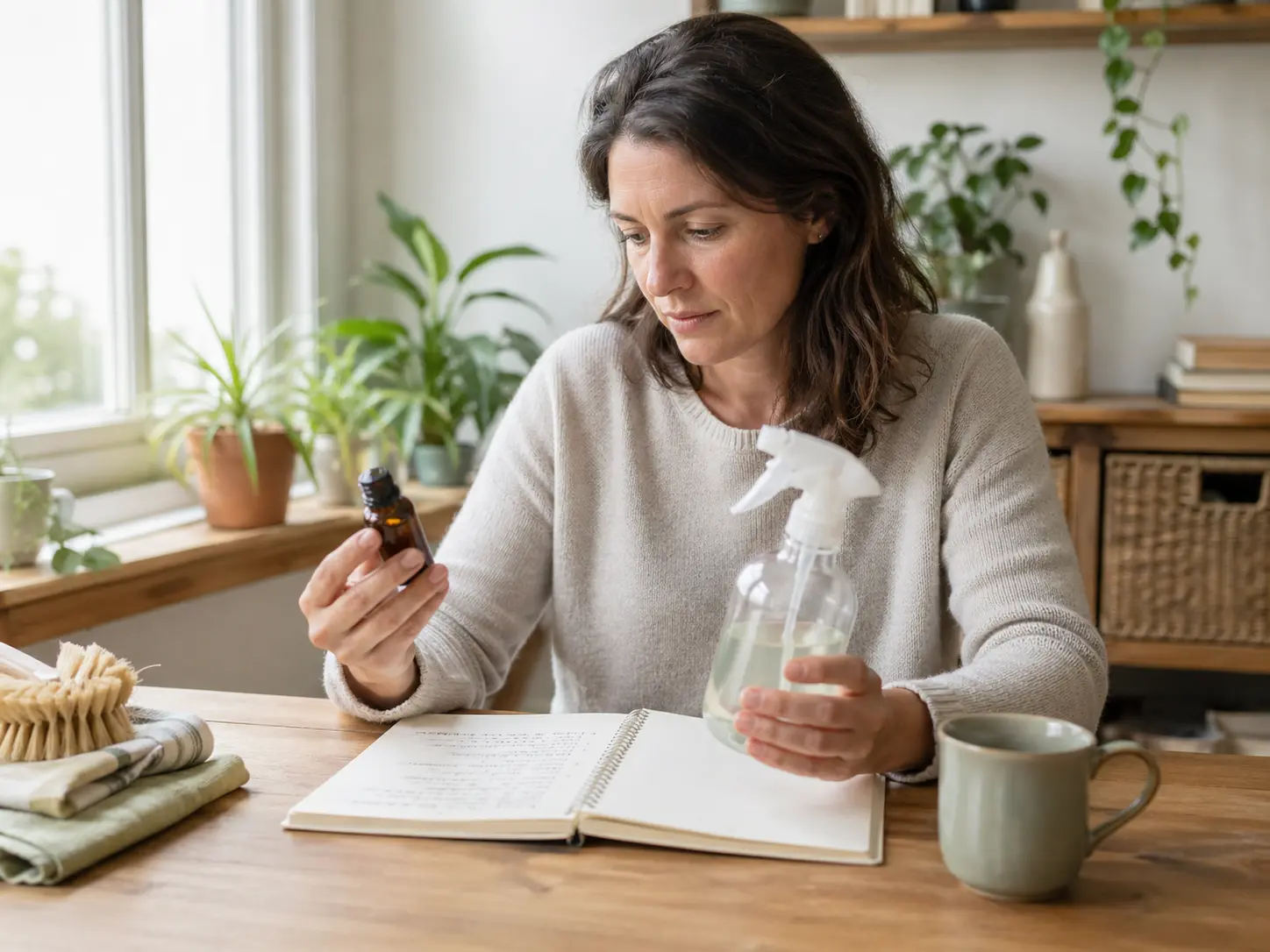
A lower-fragrance home routine does not mean a scentless home. It means shifting away from constant heavy fragrance and toward simpler patterns that still let rooms feel fresh, cared for, and comfortable to live in.
For many households, the biggest change is not adding a new essential oil. It is removing some of the automatic fragrance pressure already built into cleaners, laundry products, plug-ins, sprays, and fabric refreshers. Once that pressure drops, essential oils become easier to use well because they no longer have to fight with everything else in the room.
Quick Answer
The cleanest-feeling home swaps usually start by reducing how many fragranced products overlap in the same space. When one room is carrying scented laundry, a strong candle, a surface spray, and a plug-in at once, even good essential oils can feel crowded.
A lower-fragrance routine works better when the basics do more of the work: airflow, actual cleaning, fresh textiles, and only one light aromatic layer where it helps.
Start with Fragrance Load, Not Product Panic
People often imagine a home reset as a dramatic purge. In practice, the cleaner-feeling move is usually smaller. Notice where fragrance is stacking up. Laundry detergent, dryer products, bathroom sprays, mop water, kitchen cleaner, and a diffuser can all be contributing to the same background pressure.
When you reduce the stack, you do not lose freshness. You usually gain clarity. The room smells easier to read, and any essential oils you do use have more room to land properly.
This is a more useful starting point than trying to divide everything into "good" and "bad" products immediately. The first real improvement often comes from simply noticing how many scent sources are operating at once. A room can feel overloaded even when each individual product seems mild on its own.
That is why lower-fragrance living tends to feel more peaceful so quickly. You are not only changing ingredients. You are lowering sensory competition.
Swap Rooms, Not Just Products
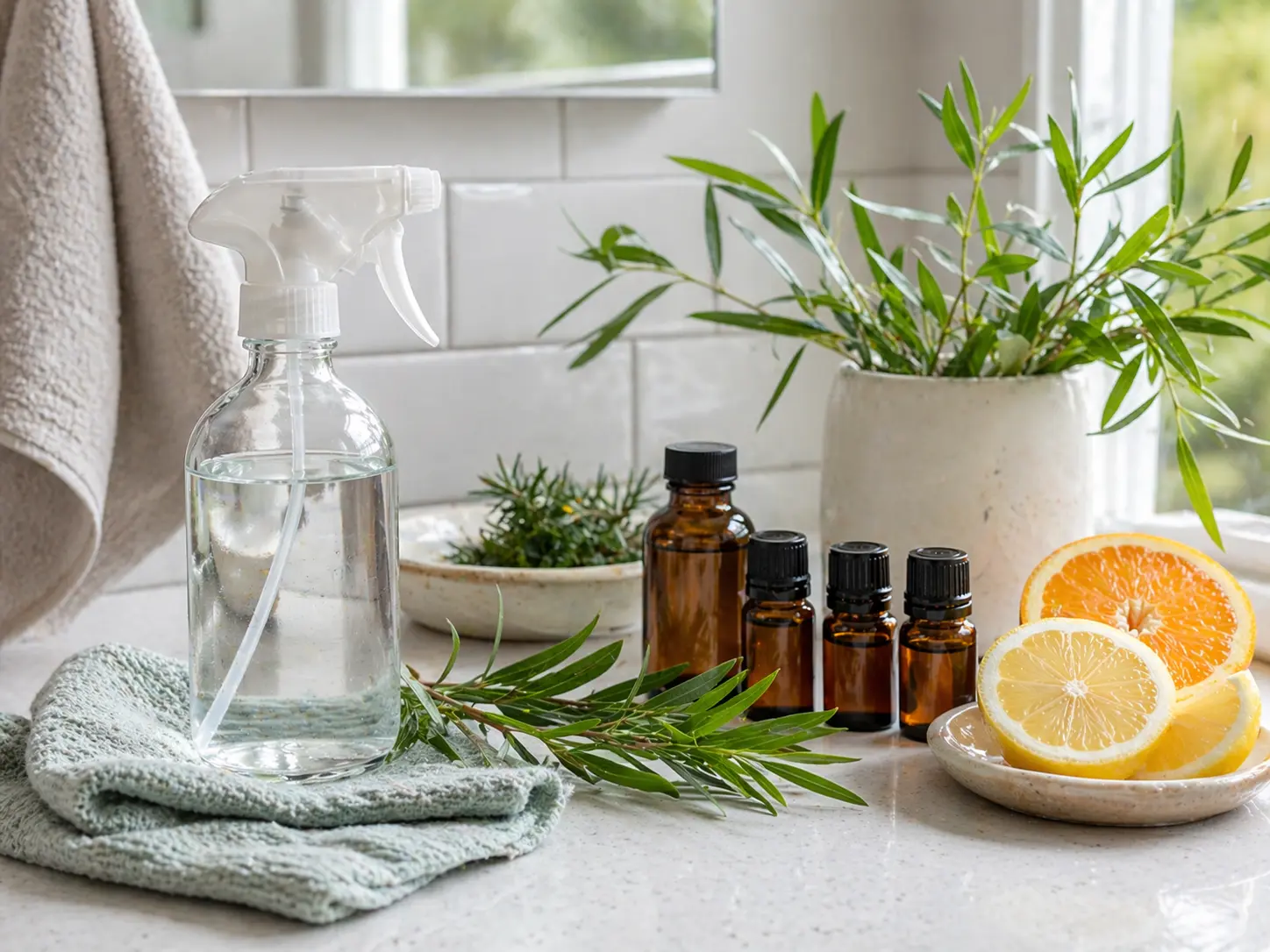
One of the most helpful mindset shifts is to think room by room. Bathrooms usually tolerate fresher, clearer notes. Laundry areas often need only a subtle clean-fabric direction. Bedrooms usually want less intensity than people think. Entryways often benefit more from airflow and textile freshness than from a strong welcoming scent.
The article How to Choose the Right Diffuser for Each Room pairs well with this because the same oil can feel very different depending on room size, ventilation, and what the space is used for.
Thinking room by room also keeps you from overcorrecting. A kitchen may benefit from a bright, fast reset after cooking, while a bedroom may only need lightly washed linen and less competing fragrance overall. Trying to solve both spaces with the same scented product is part of what makes many routines feel blunt.
Plant Therapy's household and laundry content lands best when it stays practical at this level: laundry, bathrooms, glass, linen, and carpets are not the same scent environment, so they usually should not be handled with the same aromatic weight.
The Best Swaps Usually Remove a Step
Good lower-fragrance living often means fewer separate scented products. Instead of a room spray plus a candle plus a diffuser, choose one. Instead of heavily fragranced fabric products plus a strong bedroom diffuser, let washed linen and fresh air carry more of the mood.
This is also why the strongest home swaps do not always look exciting on paper. A basket of fresh towels, a short open-window reset, and a restrained citrus-herbal diffuser session often do more for comfort than an elaborate lineup of aromatic products.
One quiet benchmark helps here: after the swap, does the routine feel easier or just different? If you replaced a heavy fragranced habit with a complicated homemade version that requires more effort than you want to give it, the routine probably will not last. Better swaps make the room gentler without making life harder.
That is why some of the best lower-fragrance changes are surprisingly plain. A simpler detergent choice. Less fabric refresher. A short post-cleaning diffuser session instead of permanent background fragrance. Those moves are not glamorous, but they are believable enough to repeat.
Easy Lower-Fragrance Swaps
Replace all-day scent with short sessions
Try a brief diffuser burst instead of keeping a room fragranced all day long.
Let clean textiles do more
Fresh towels, bedding, and throws often improve a room more than another scented product does.
Keep formulas simpler
One clear scent direction usually feels cleaner than three competing ones.
Essential Oils Work Better Once the Home Feels More Breathable
Essential oils tend to shine more in homes that are not already carrying a constant perfume cloud. A little lemon in a sink-area routine, some eucalyptus radiata in a bathroom reset, or a soft sweet orange note in a living room can feel much more elegant when the background is quieter.
That is also why a lower-fragrance routine is not anti-scent. It is pro-space. It lets aroma behave more like atmosphere and less like permanent coating.
The shift is conceptual as much as practical. Instead of using scent to reassure yourself that something happened, you let the underlying routine do more of the proof. The room is cleaner because it was cleaned. The towels are fresher because they were washed. Aroma is there to refine the impression, not replace the work.
Once you experience that difference, stronger fragrance often starts feeling less luxurious and more tiring. What seemed like a lack of scent at first begins reading as relief.
Where to Go Next
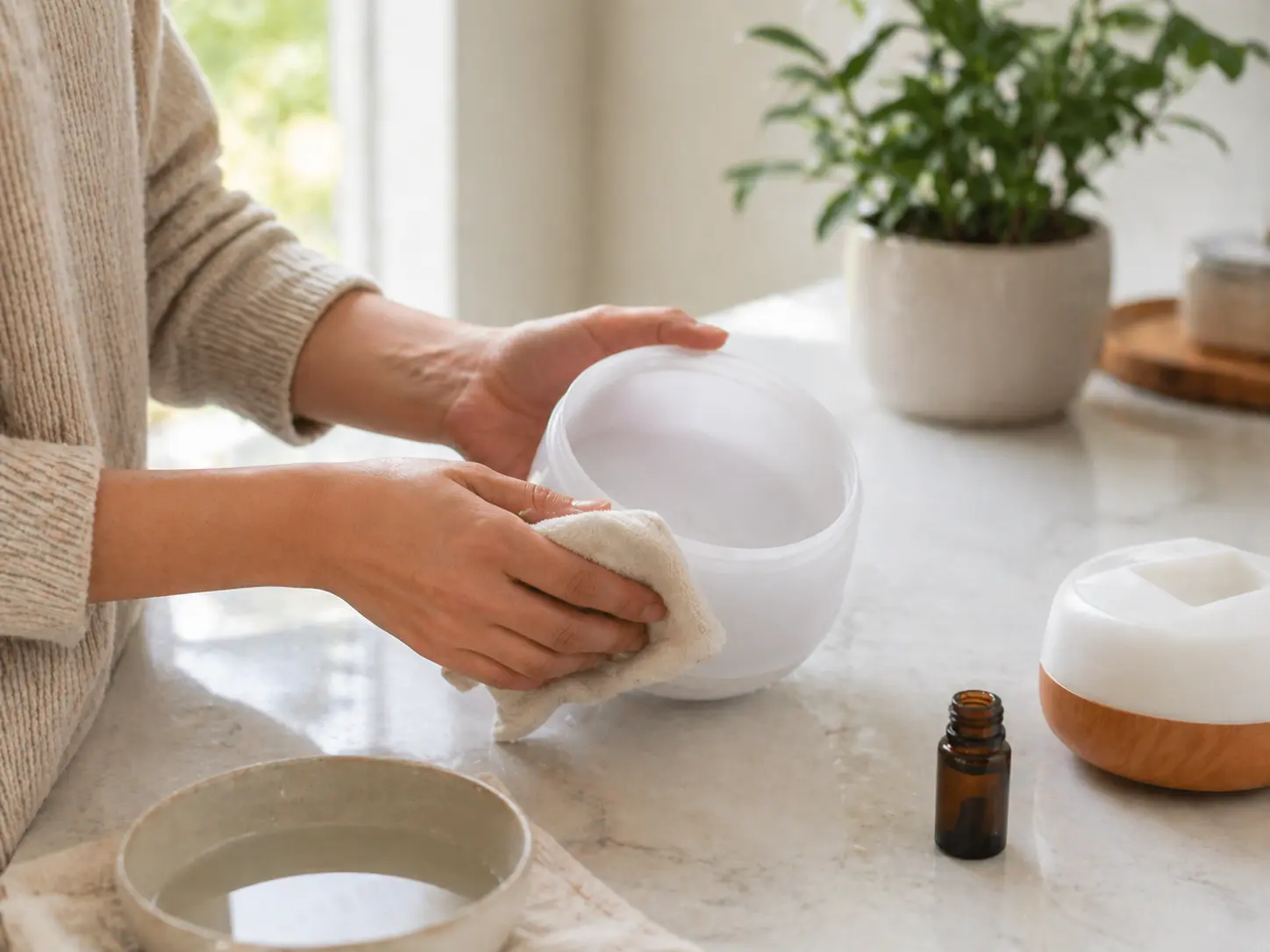
If you like this direction, the next useful step is to look at one routine at a time rather than trying to rework the whole house at once. Laundry, bathroom resets, sink odor, and guest spaces are usually the easiest wins. That is where the difference between “fresh” and “over-fragranced” becomes easiest to feel.
That is also where your own preferences become more trustworthy. Once the overall fragrance load drops, it is easier to notice whether you genuinely like an oil in a room or whether you previously just liked it more than the product it replaced. Lower-fragrance routines improve discernment as much as comfort.
Cleaning
How to Use Essential Oils in Natural Cleaning Routines
A safety-first guide to using essential oils in home cleaning routines, from scent goals and simple spray habits to ventilation and pet-aware choices.
Cleaning
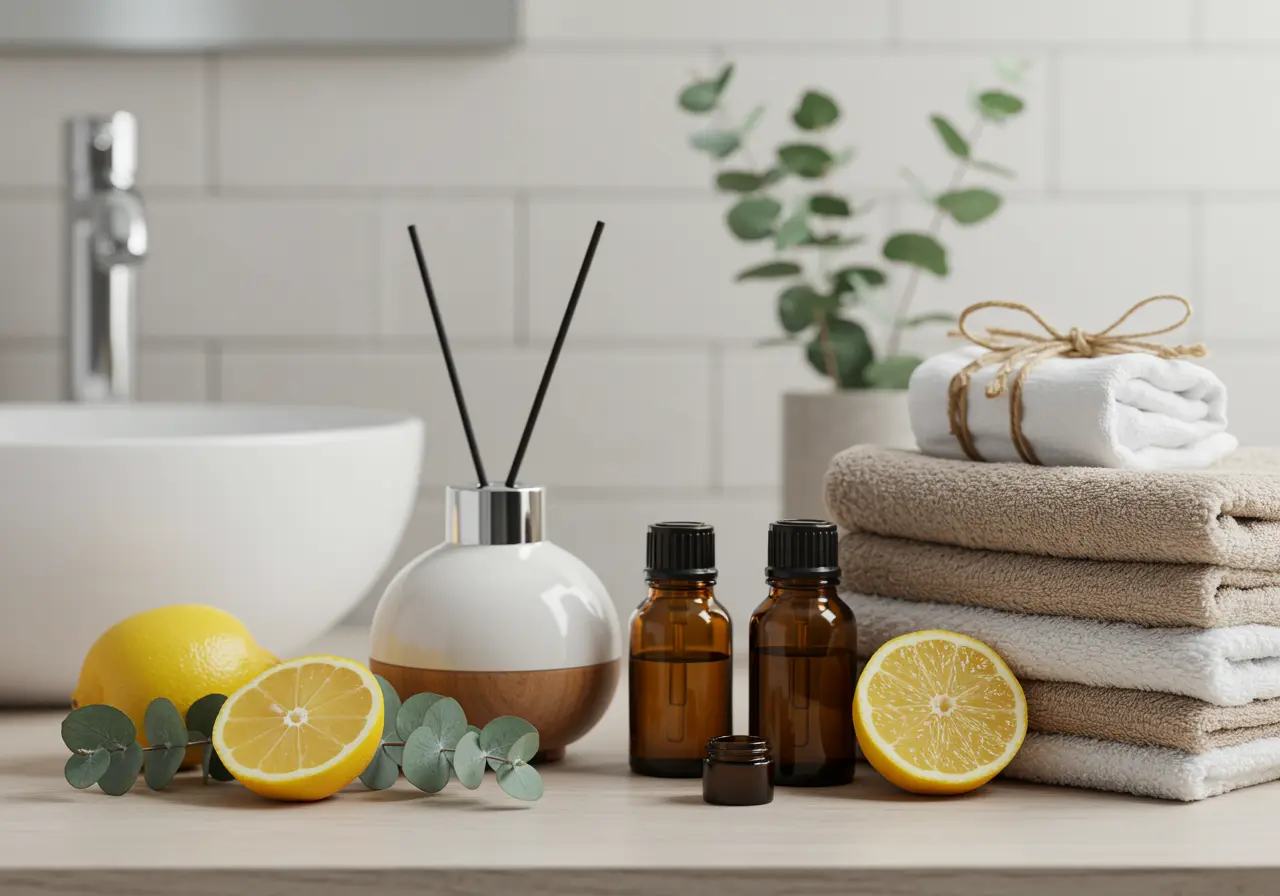
Essential Oils for a Fresh-Smelling Bathroom
A practical guide to creating a bathroom that smells fresh, clean, and spa-like with lighter diffuser habits, cleaning-friendly blends, and restrained aromatic finishing touches.
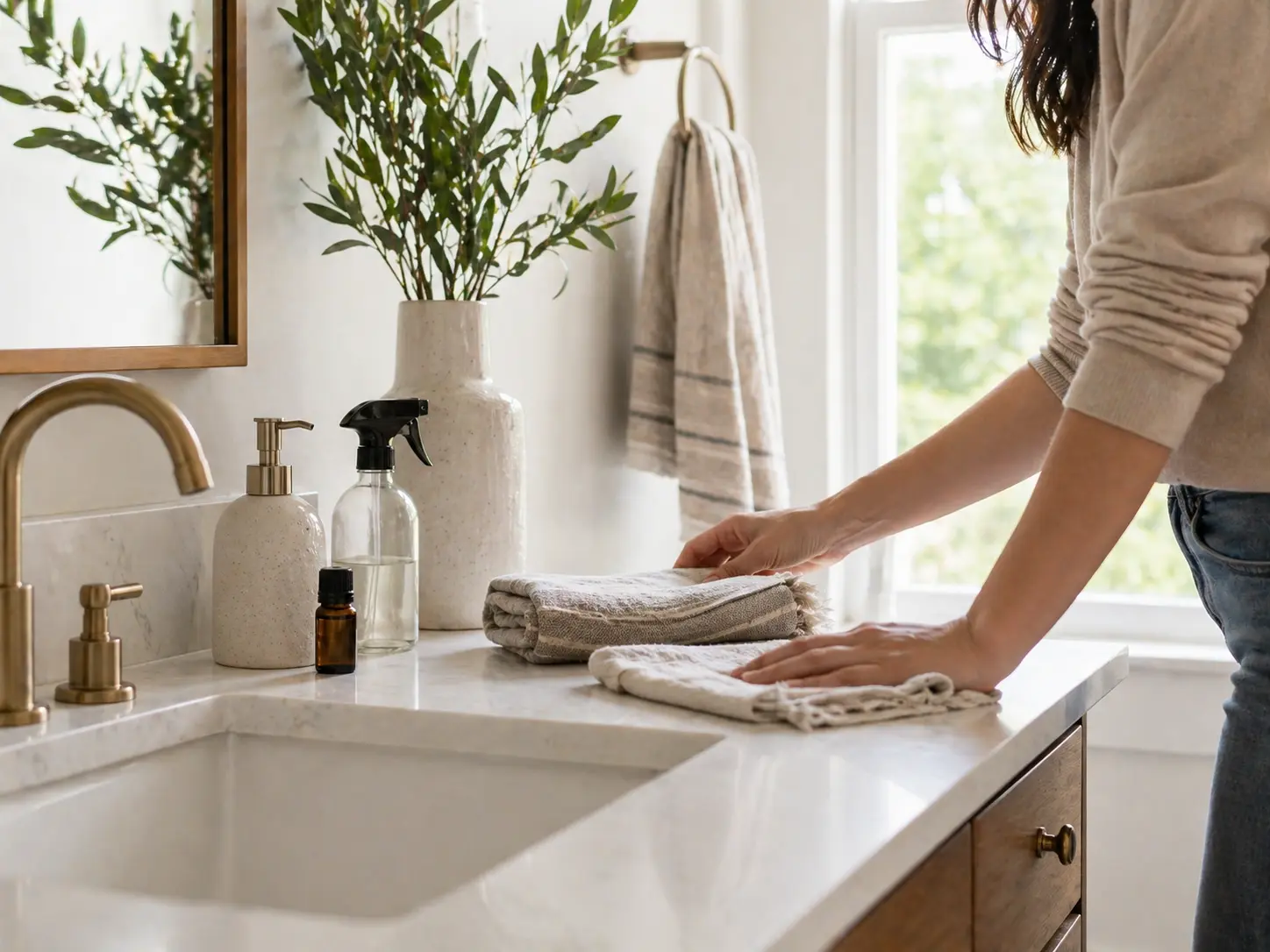
Cleaning
Quick Bathroom Reset Before Guests
A fast, safety-first bathroom refresh routine for guest-ready moments, using clean towels, airflow, and light essential oil finishing touches.
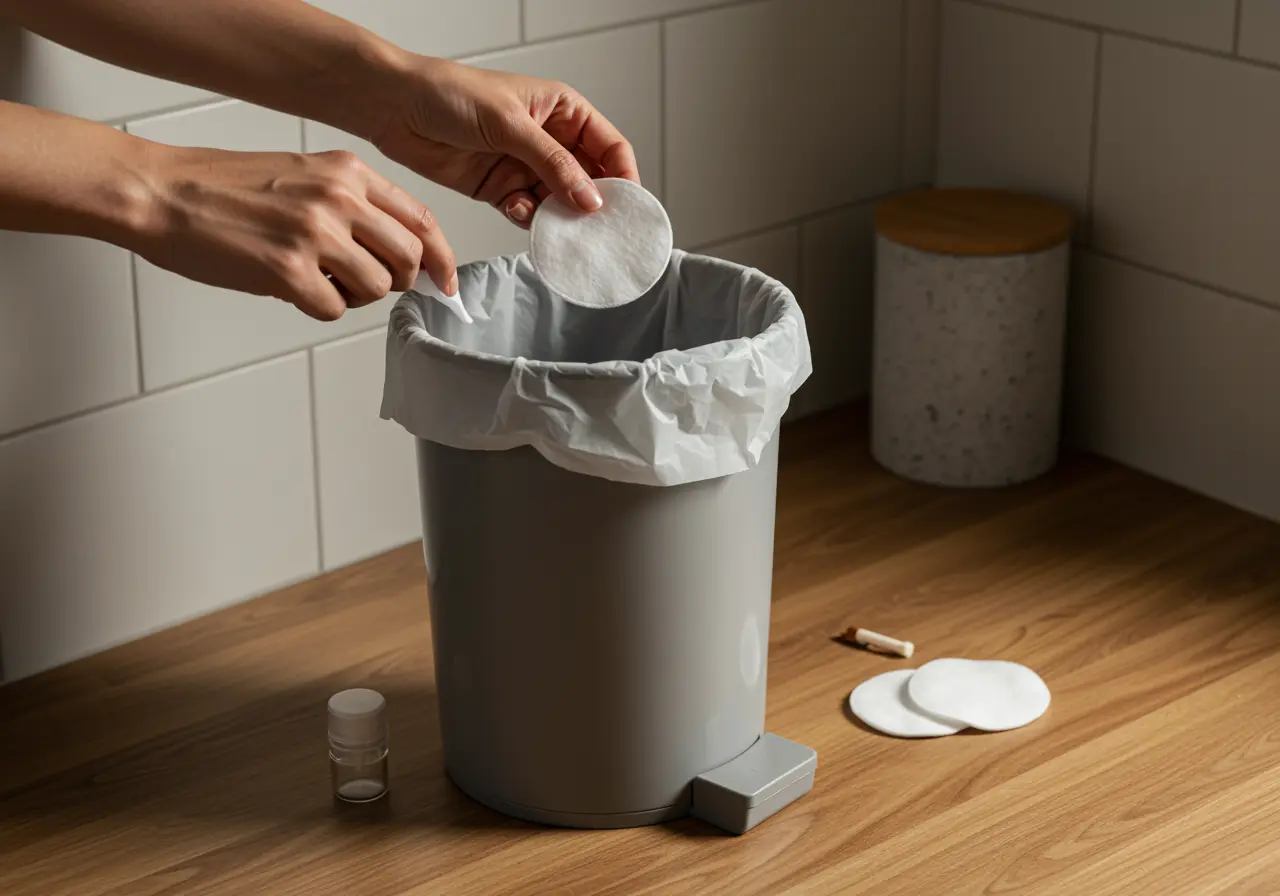
Cleaning
Small Home Odor Hotspots: Trash Can, Sink, Vacuum, and Entryway
A practical guide to the small odor hotspots that change how a home feels, with simple essential-oil-friendly routines for trash cans, sinks, vacuums, and entryways.
Further Reading and Sources
These related reads help turn lower-fragrance thinking into a more practical home routine.