
How to Make a Home Smell Cleaner Without Making It Smell Stronger
Home
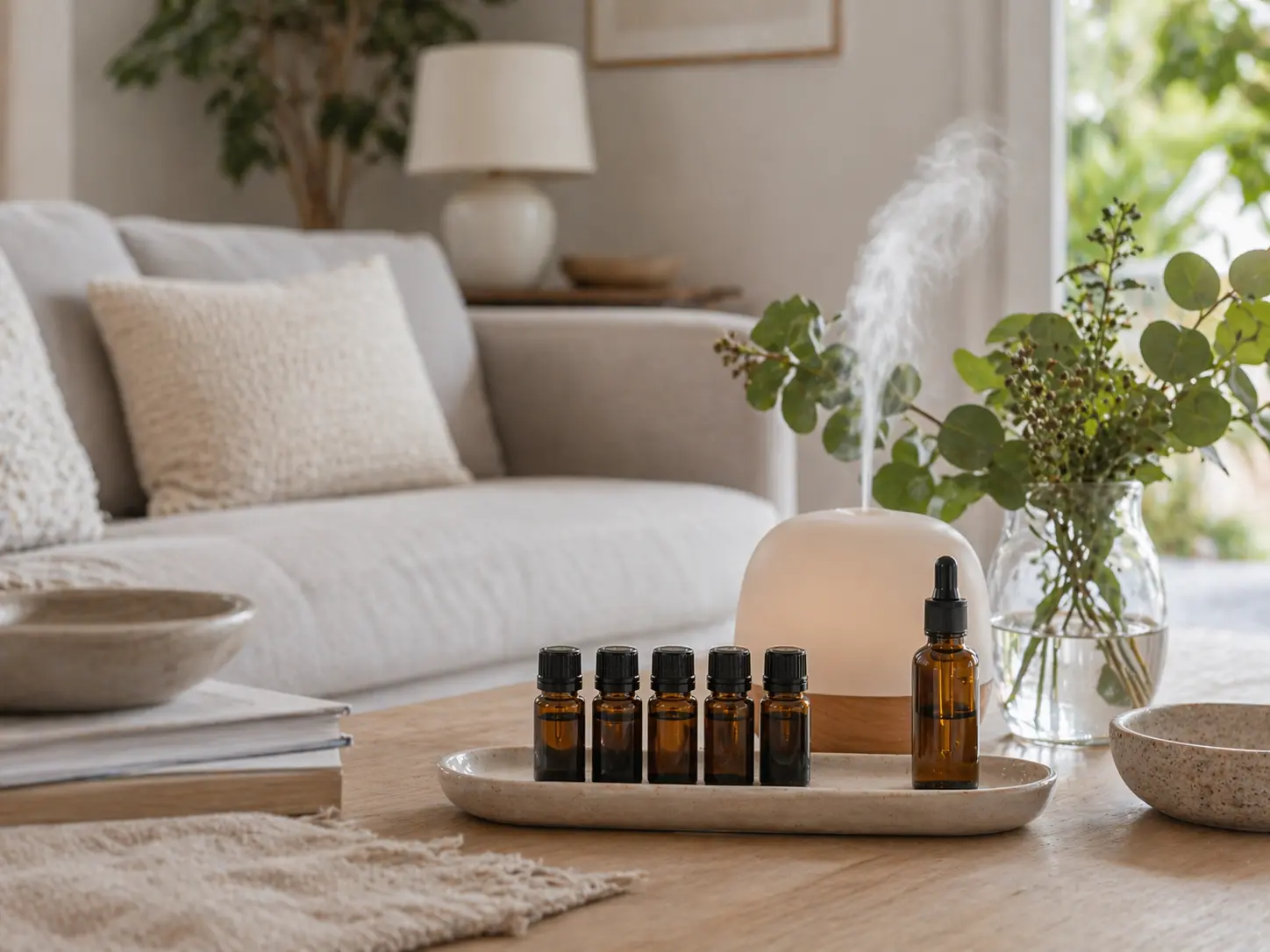
Making a home smell cleaner rarely means making it smell stronger. In fact, the moment a room starts feeling “loud,” it often stops feeling clean. It may smell fragrant, but not fresh.
The cleaner-feeling result usually comes from editing what is already in the room: stale fabric air, odor hotspots, windows that never open, and too many scent layers competing with one another. Essential oils can absolutely help, but they help best when the room is already moving in the right direction.
Quick Answer
If you want a home to smell cleaner, start with air, textiles, and hidden odor points before adding more scent. The best essential oil support usually comes from short, light, clean-profile aroma rather than constant fragrance pressure.
Fresh air, washed fabric, a reset sink, and a simple citrus-herbal or airy green blend usually take you further than trying to overpower the room with stronger oils.
Freshness Starts Before Scent
A room that smells clean is usually a room that has been given somewhere to breathe. Curtains have aired out. Towels are fresh. The trash can does not quietly dominate the corner. The sink does not carry a sour edge. The entryway is not trapping outside odor in fabric and shoes. Aroma works much better once those basics are addressed.
The related article Small Home Odor Hotspots is especially helpful if you want the practical checklist behind this idea.
This is one reason heavily fragranced rooms can feel strangely less clean than very simple ones. Scent is being asked to carry a burden that really belongs to ventilation, laundry, surfaces, and hidden buildup. When those basics are not handled, even a good blend starts reading as cover rather than clarity.
Plant Therapy leans into a similar reset logic in its recent Non-Toxic Swaps for the New Year piece, where the most useful shift is not "more natural fragrance everywhere" but fewer overlapping products and more breathable routines.
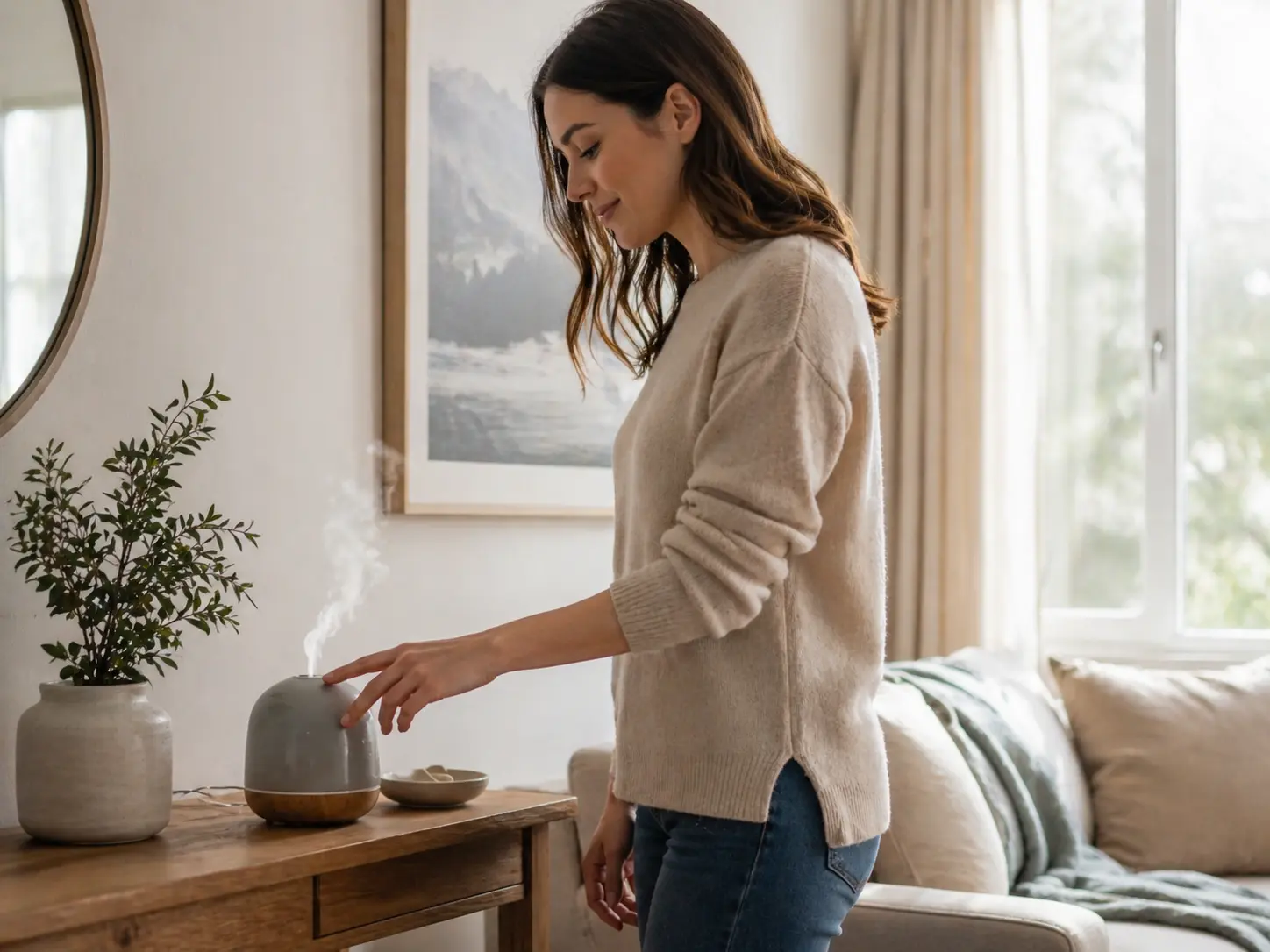
The Right Oils Usually Feel Lighter Than You Expect
Clean-home moods often work best with lemon, sweet orange, eucalyptus radiata, rosemary, or a little tea tree in a supporting role. These are not automatically “better” oils. They simply tend to create a more breathable effect.
Heavier floral-sweet or resin-rich blends can be beautiful, but they are usually asking for a different emotional job than “cleaner home.”
What often separates a clean-smelling room from a strongly scented one is not intensity but shape. Bright citrus lifts the front of the room, green herbs make it feel more structured, and airy woods keep it from collapsing into either sweetness or sharpness. Once you learn that structure, you stop chasing freshness by volume alone.
That is also why spring-style blends often feel more "clean" than rich winter blends even at lower strength. AromaWeb's spring diffuser notes repeatedly circle back to combinations like citrus, petitgrain, eucalyptus radiata, and herbs because they feel open rather than padded.
Cleaner Does Not Mean Sterile
One useful shift is to stop confusing clean with clinical. Most homes do not need to smell sharp or antiseptic to feel fresh. A better target is often clear, quiet, and lightly lifted. You want the room to feel easier to stand in, not aggressively processed.
This is also why clean-home scent tends to work best in shorter sessions. The room should get a reset, not a blanket.
This matters especially if you have become used to products that signal cleanliness through force. Sharpness can read as activity, but it does not necessarily read as comfort. For most homes, a cleaner-feeling atmosphere is one where the room seems recently aired, surfaces feel reset, and there is no competing stale undertone hiding under the fragrance.
If your nose keeps insisting that the room needs "more," it is worth asking whether what is missing is actually freshness, not fragrance. Sometimes the real missing ingredient is ten minutes of airflow, or washing the fabric that has been quietly carrying yesterday's smell.
Three Moves That Help Fast
Open one window first
Even a short airflow change makes aroma read more clearly and naturally.
Use one scent direction
A single clean-profile blend usually feels fresher than a room layered with mixed fragrance messages.
Refresh fabric, not just air
Towels, throws, and entry fabrics often decide the room mood more than the diffuser does.
Why Stronger Usually Backfires
Once the room crosses into obviously fragranced territory, it often stops feeling cleaner and starts feeling managed. The nose adapts, the fabric begins holding onto the aroma, and what first felt crisp can quickly become padded or stale. That is the same pattern explored in Why Diffusing Longer Usually Does Not Make a Blend Better.
There is also a perceptual reason for this. Olfactory adaptation and habituation mean that repeated exposure makes an odor feel less intense to the person already in the room, even while the room may still feel quite scented to someone arriving fresh. That often leads people to keep adding scent past the point where the room felt best.
So the goal is not to keep the aroma noticeable at every moment. The goal is to set the room correctly, then let it settle. If it begins fading for you, that is not always a problem to solve. It may just mean your nose is doing what noses do.
The Cleaner-Smelling Home Is Usually the More Edited Home
Freshness is often a subtraction story. Fewer layers. Shorter sessions. Better ventilation. More confidence that the room does not need to be performing all the time. Once that mindset changes, essential oils become much easier to use with taste.
This is one of the quiet advantages of a more restrained home scent routine: you start noticing what the room itself contributes. Light, air, cloth, humidity, and the temperature of the day all change how a blend lands. Instead of pushing past the room with fragrance, you begin working with it.
The result is usually more elegant and also easier to maintain. You are not constantly correcting the room. You are simply helping it stay in a cleaner-feeling state more often.
Home
How to Choose the Right Diffuser for Each Room
A practical room-by-room guide to choosing diffuser size, intensity, timing, and placement for bedrooms, living rooms, work corners, entryways, and bathrooms.
Home
How to Freshen Laundry and Linens with Essential Oils
Freshen laundry, bed linens, towels, closets, and fabric routines with essential oils in a simple, clean-feeling, safety-first way.
Home
Essential Oils for a Guest-Ready Living Room
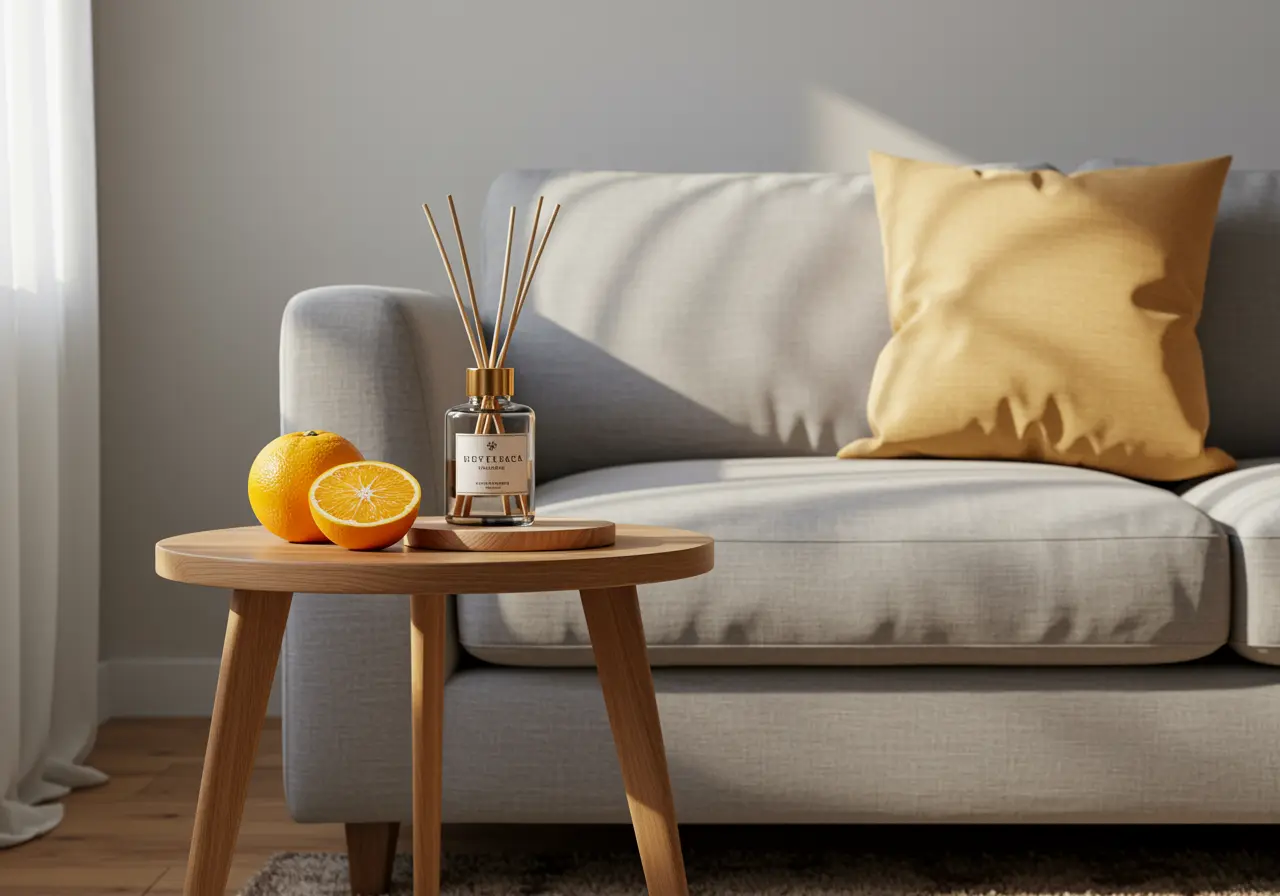
Create a welcoming living-room atmosphere with essential oils that feel polished, lived-in, and guest-ready without turning the room overly sweet or heavy.
Home
How to Clean an Essential Oil Diffuser
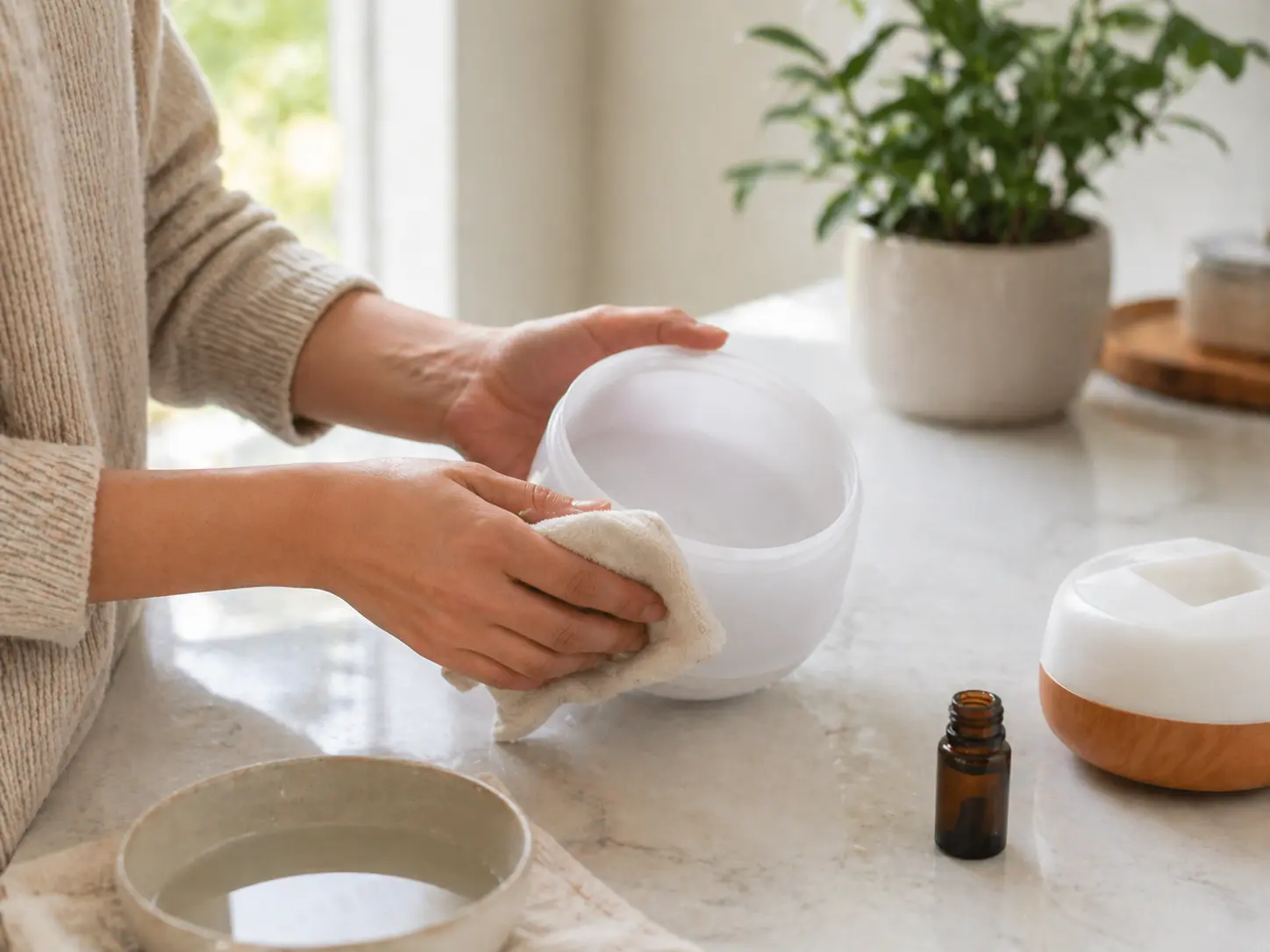
A practical, safety-first guide to cleaning an essential oil diffuser so it runs better, smells fresher, and fits cleanly into a real home routine.
Further Reading and Sources
These reads help deepen the clean-home logic without pushing the room into over-fragrance.
- Small Home Odor Hotspots
- How to Use Essential Oils in Natural Cleaning Routines
- Cleaner Home Swaps for a Lower-Fragrance Routine
- Why Diffusing Longer Usually Does Not Make a Blend Better
- Plant Therapy: Non-Toxic Swaps for the New Year
- Pamela Dalton: Psychophysical and Behavioral Characteristics of Olfactory Adaptation