
Why Diffusing Longer Usually Does Not Make a Blend Better
Home
Many people assume that if a diffuser blend smells good for ten or fifteen minutes, running it for an hour or two will make the room even better. In real homes, that is often where the experience starts getting worse. The room grows flatter, fuller, heavier, or simply less pleasant to be inside.
Longer diffusion is not automatically better diffusion. A good blend has a useful window. Past that point, the nose adapts, the room keeps holding onto the aroma, and the whole setup can start working against the atmosphere you wanted in the first place.
Quick Answer
Diffusing longer usually does not make a blend better because the room, the air, and your own sense of smell all adapt. What started as fresh, balanced, or elegant can become dull, stale, too sweet, too loud, or harder to read clearly after too much continuous exposure.
Most home diffuser routines work better in shorter sessions with some airflow than in long, uninterrupted runs. A blend should shape the room, not sit on it until everything feels saturated.
Why the Room Changes Before You Notice It
A diffuser does not just scent the air in a simple, linear way. Fabric, curtains, upholstery, bedding, and even the room’s temperature change how a blend sits over time. In winter, or in closed rooms with little ventilation, the effect builds quickly. The scent may stop feeling lively long before the machine stops running.
That is why a blend that seemed crisp at the beginning can feel oddly padded later on. It is not always that the formula was wrong. The room itself may simply be holding too much of it.
Your Nose Adapts Faster Than You Think
One of the biggest reasons long diffusion fails is simple olfactory adaptation. If you stay in the same aromatic field too long, your perception changes. The blend may seem weaker, blurrier, sweeter, sharper, or just less interesting. That can tempt people to keep diffusing longer or to start adding stronger oils the next time.
This is one reason the companion article How Scent Fatigue Changes the Way You Judge a Blend matters so much. A tired nose is not a reliable editor. If your perception has shifted, more output will usually not solve the problem.
Good Blends Often Work Best in Clear Time Windows
Most home blends have a sweet spot. Morning fresheners often work best in a short reset burst. Work blends may be useful for one block, then become distracting. Evening blends can soften a room for wind-down, but if they continue too long they can make the air feel loaded rather than restful.
That is why smart diffusion is usually rhythmic, not constant. The room gets a defined aromatic moment, then a break.
Signs a Diffuser Session Has Gone On Too Long
The room feels full instead of fresh
If the air starts feeling padded or heavy, the blend has probably overstayed its useful window.
You stop noticing nuance
When the blend turns into a general scented fog, the session is no longer helping you read what is beautiful about it.
You want to open a window immediately
That is often a better cue to stop the diffuser than to lower the blame onto the oil itself.
Short Sessions Usually Make Better Use of Better Blends
A well-built diffuser blend does not need to prove itself by endurance. If it is thoughtfully balanced, it often makes the strongest impression in the first part of the session, when the room is still clean and the nose is still attentive. Past that point, extension can flatten the elegance out of it.
In practice, this means a shorter session can actually let a better blend feel more refined. The same principle shows up in small-space passive diffusion too: less can feel more intentional.
Some Oils Overstay Faster Than Others
Dense woods, sweet resins, rich florals, and heavily sweet citrus-floral combinations can feel over-present more quickly than cleaner herbs, lighter citruses, or brisk green notes. That does not make them bad oils. It just means they usually benefit from more restraint in the diffuser.
If a blend leans toward richer materials such as patchouli, vetiver, or ylang ylang, the room may need less time, not more. Cleaner oils such as lemon, eucalyptus radiata, or rosemary can still overstay too, but they usually go stale in a different, flatter way rather than a heavy one.
Practical rule: if you are tempted to improve a room by running the same blend much longer, the better move is often to stop, ventilate, and start a fresh session later instead.
The Better Question Is Not “How Long Can This Run?”
The better question is: what is this session trying to do? Wake up a kitchen? Reset a work block? Ease a room toward evening? Freshen an entryway before guests? Once the goal is clear, the time window usually gets clearer too.
That mindset also helps when choosing the diffuser itself. A small room often needs different output than a larger one, which is why room-by-room diffuser choice matters more than many people expect.
Blends Usually Feel Better When the Room Can Reset Too
A pleasant home does not need to smell continuously managed. Some of the most polished scent routines come from letting a blend arrive, do its job, and leave a cleaner-feeling room behind rather than a saturated one. That gives the next session somewhere to land.
In other words, better diffusion is often less about output and more about timing. The room does not need permanent perfume. It needs a thoughtful rhythm.
Home
How to Choose the Right Diffuser for Each Room
A practical room-by-room guide to choosing diffuser size, intensity, timing, and placement for bedrooms, living rooms, work corners, entryways, and bathrooms.
Home
How to Freshen Laundry and Linens with Essential Oils
Freshen laundry, bed linens, towels, closets, and fabric routines with essential oils in a simple, clean-feeling, safety-first way.
Home
Essential Oils for a Guest-Ready Living Room
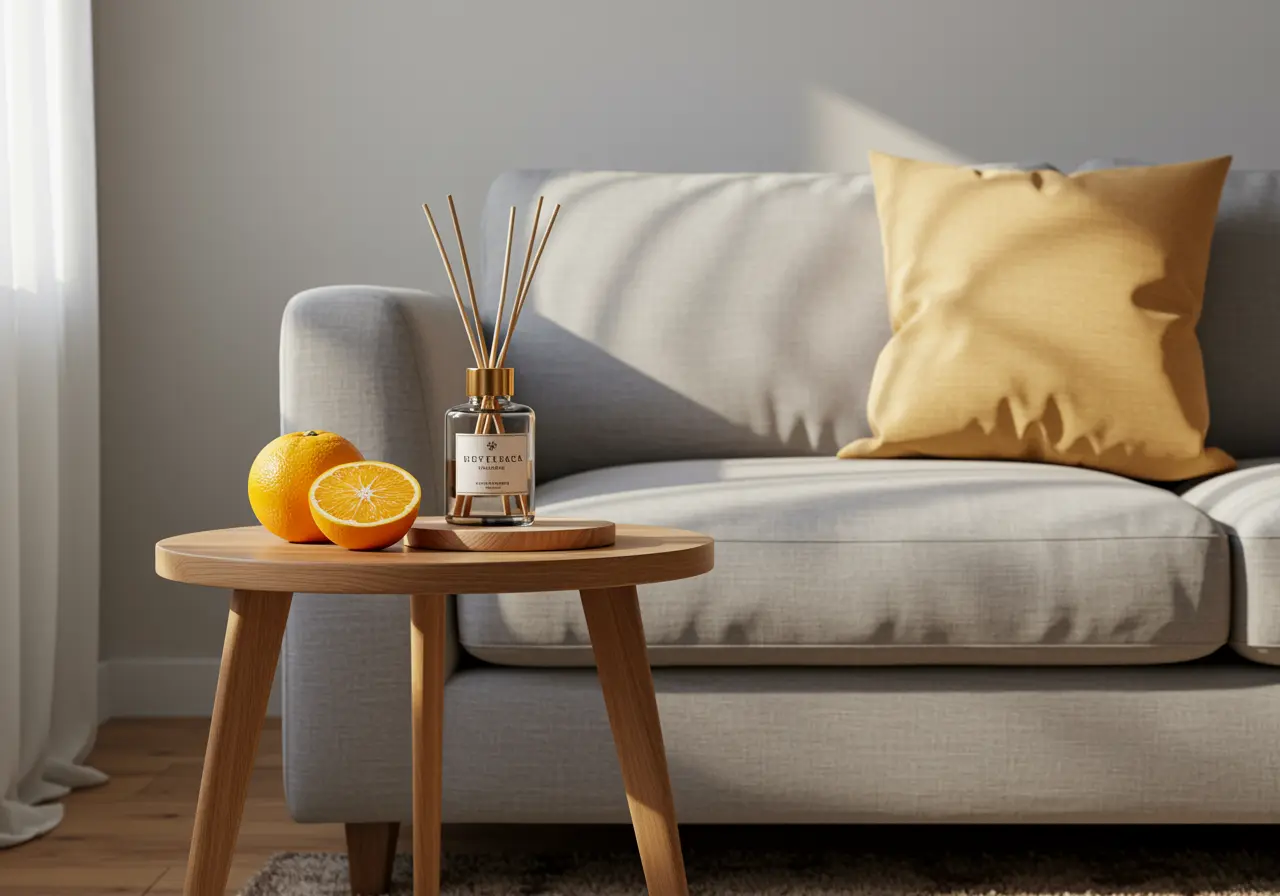
Create a welcoming living-room atmosphere with essential oils that feel polished, lived-in, and guest-ready without turning the room overly sweet or heavy.
Home
How to Clean an Essential Oil Diffuser
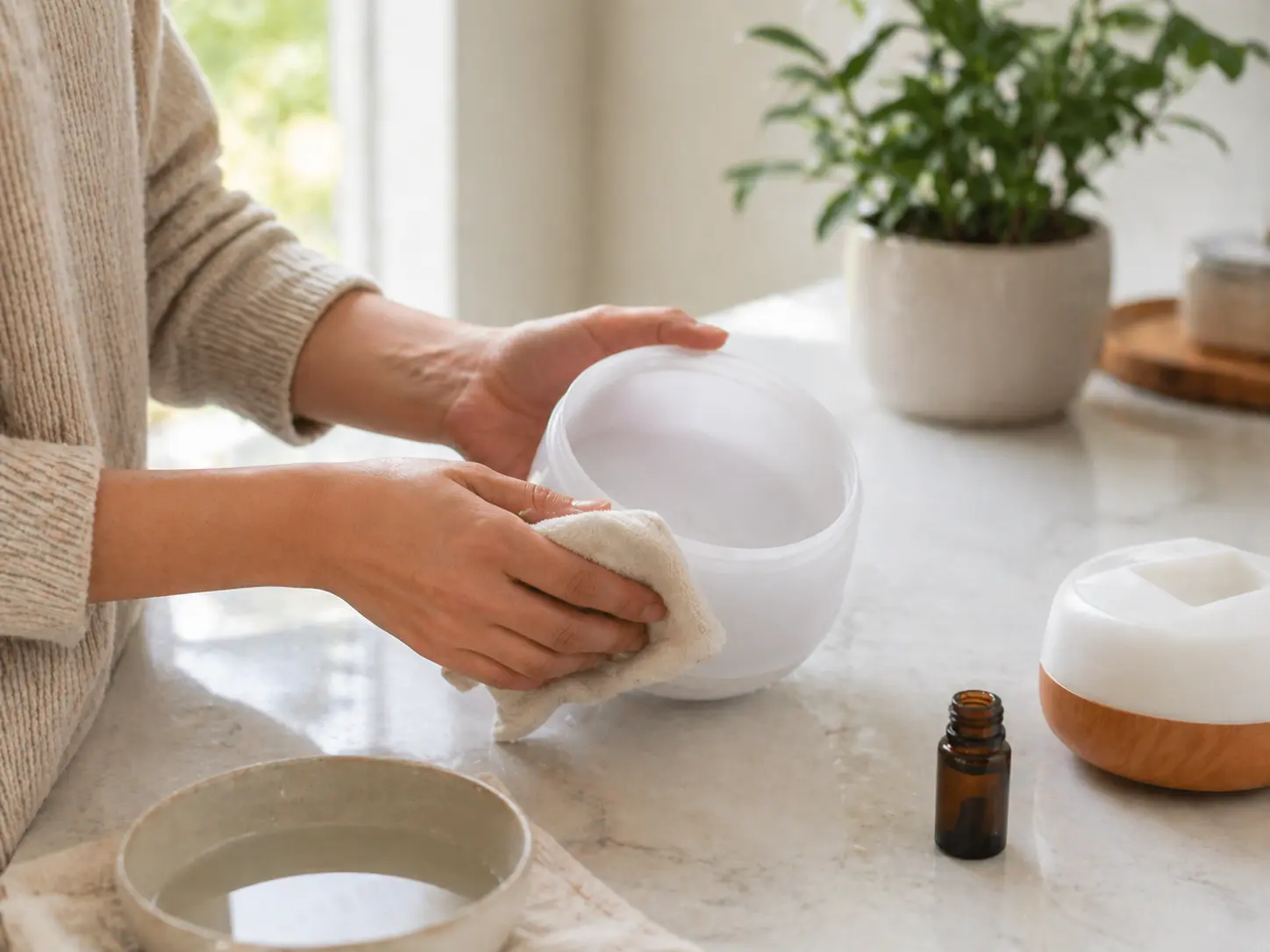
A practical, safety-first guide to cleaning an essential oil diffuser so it runs better, smells fresher, and fits cleanly into a real home routine.
Further Reading and Sources
These related pages help place diffuser timing inside the bigger picture of room fit, scent fatigue, and home atmosphere.