
Open-Window Spring Scent Ideas for a Lighter Home Mood
Seasonal
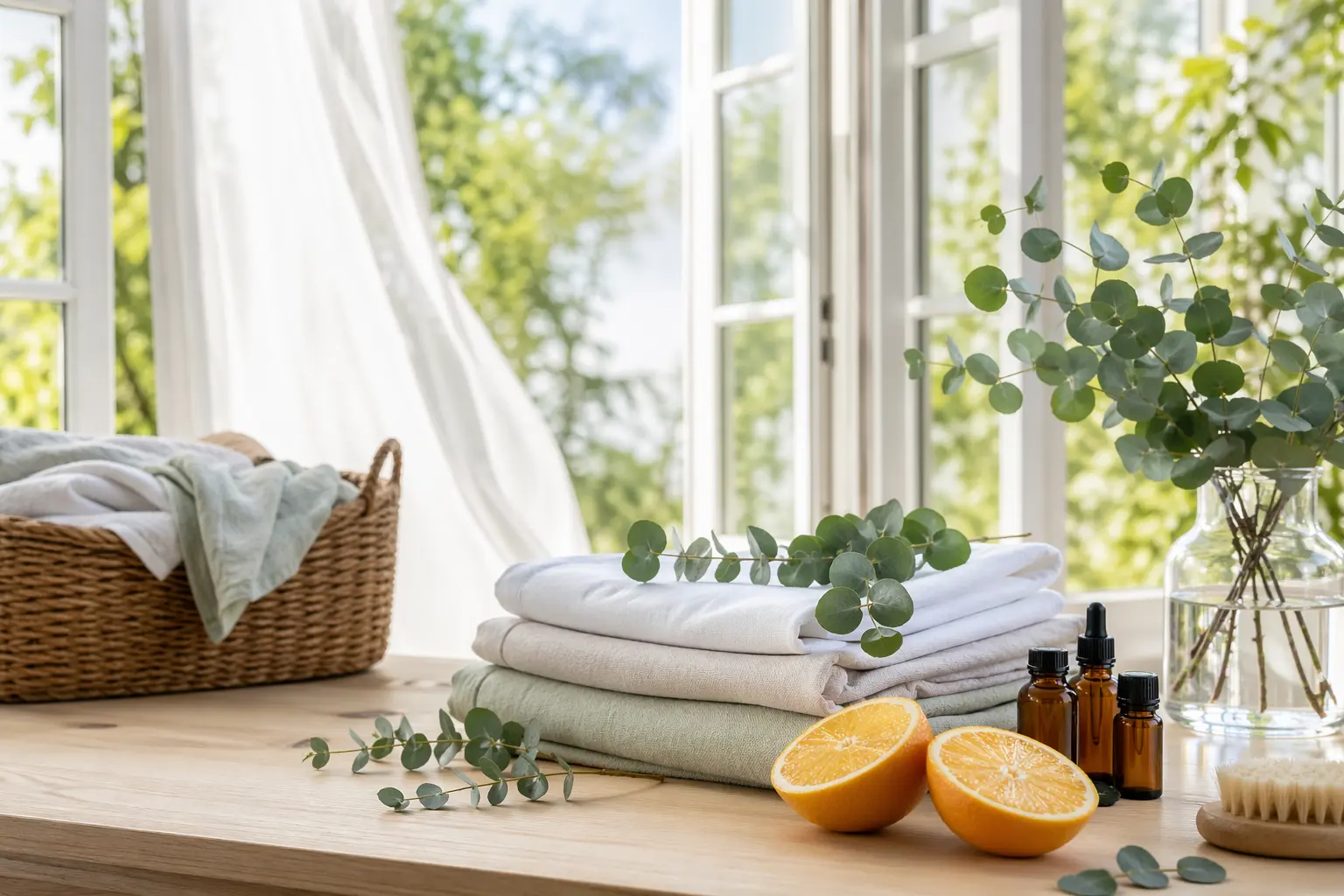
Spring home scent often works best when it feels like air first and aroma second. The room should feel opened, brighter, and easier to move through rather than obviously fragranced.
That is why the strongest spring scent ideas are usually built around movement: open windows, lighter textiles, cleaner edges, and blends that feel green, citrusy, or quietly botanical without tipping into soapiness or sharpness.
Quick Answer
Good spring scent ideas usually combine one bright note, one green or herbal note, and one softener that keeps the room from feeling too thin. Citrus, rosemary, petitgrain, eucalyptus radiata, and sometimes a little lavender often work especially well.
The goal is not full-bloom sweetness. It is breathable freshness with a little structure.
Spring Works Better When the Room Stays Light
One reason spring blends fail is that people carry winter habits forward too long. Dense woods, sweet resins, and rich spice can feel grounding in colder months, but once the room starts getting brighter they often weigh the atmosphere down more than they help it.
Spring does not always need less scent. It usually needs a more lifted shape. A room should feel aired out, not upholstered in aroma.
This is what spring blending advice tends to get right when it is useful. Even commercial blend lists often land on the same broad truth: fresh spring rooms are usually built from citrus, herbs, greens, and softer florals in smaller proportions than people expect. The lightness matters as much as the note choice.
It also helps to remember that spring is not one single mood. Early spring can still want a little structure and herbaceousness, while later spring can tolerate more softness and bloom. If a blend keeps missing, it may be seasonally ahead of the room.
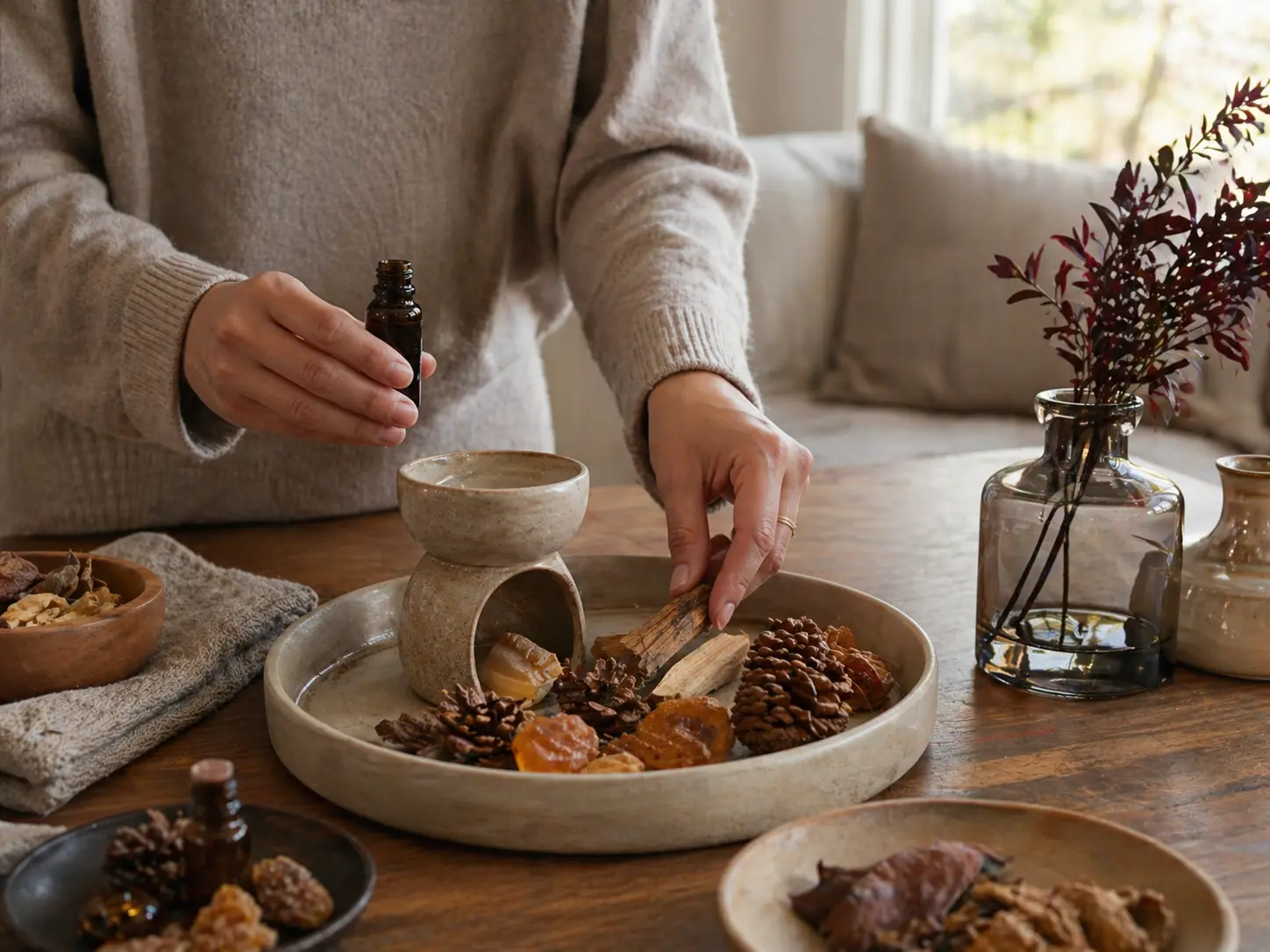
Build Around Brightness, Then Add Shape
A good spring room often starts with one bright note such as lemon or pink grapefruit. But brightness alone can disappear quickly. That is where green or herbaceous oils help. Rosemary, eucalyptus radiata, and petitgrain keep the room from feeling vague.
If the room still needs softening, a little lavender or sweet orange can round it out. The key is that the softener should support the fresh structure, not bury it.
AromaWeb's spring blend examples point toward the same layering logic. Even when a blend includes softer notes, there is usually still a green, citrus, or airy spine underneath it. That spine is what keeps the room feeling seasonal rather than perfumed.
So if a spring blend starts reading soapy, flat, or vaguely floral, it often needs more structure instead of more sweetness. A green note or an herb usually helps more than another rounder top note does.
Think in Scenes, Not Just Blends
Spring scent usually feels strongest when the rest of the room agrees with it. Open windows, lighter throws, washed towels, and reduced winter heaviness make aroma feel more convincing. A spring diffuser cannot do all of that work alone.
The companion article Season-by-Season Home Scent Shifts helps here, because it explains why the room context matters as much as the oils themselves.
This is also why open-window spring moods often feel so satisfying. The airflow gives brightness somewhere to go. The scent no longer feels trapped in fabric or forced against a closed room. It behaves more like weather passing through than decor being applied.
That scene-level agreement is what separates a believable spring home from a room that simply contains spring oils. The visual and physical reset matters more than most ingredient lists do.
Spring Scent Directions That Usually Work
Citrus plus green
A bright citrus with rosemary or petitgrain often feels cleaner than citrus alone.
Fresh linen mood
Soft citrus, a little lavender, and good airflow usually feel better than powdery florals.
Open-window herbal
Eucalyptus radiata or rosemary can make a room feel moving and awake without becoming minty-cold.
Do Not Rush Into Full Floral Spring
Many homes do better with floral restraint in early spring. A little floral softness can be lovely, but heavy bloom can feel strangely out of step before the room itself has caught up. It often works better to let green freshness lead and use floral notes later and more lightly.
If you want a softer spring mood, consider a clean green frame first, then round it with just a little floral lift rather than building the blend around the floral note from the start.
This is where people often confuse "spring" with "flower shop." Real spring at home is usually a transition: cooler air, brighter light, cleaner textiles, and less winter density. Floral notes can absolutely have a place, but they often work better as accent than announcement at first.
A Lighter Home Mood Is Usually About Editing
The best spring scent ideas are not always new purchases. They are often better editing. Run the diffuser a little less. Open the windows a little more. Keep one clear scent direction in the room instead of three. Let the home feel cleaner before you ask it to feel “seasonal.”
That editing instinct is part of what makes spring scent so satisfying when it works. You are not trying to reinvent the house. You are helping the room shed what no longer suits the light, the air, and the pace of the season.
Seasonal
Season-by-Season Home Scent Shifts
A practical guide to shifting home scent with the seasons, moving from bright spring freshness to warmer autumn and winter atmospheres without overcomplicating the routine.
Seasonal
How to Build a Spring Home Mood Without Making It Floral
A practical spring guide for people who want brightness, air, and reset in the room without leaning too hard on obvious floral sweetness.
Further Reading and Sources
These pages help place spring room scent inside a larger home and seasonal rhythm.