
Clary Sage Essential Oil for Evenings That Need Less Friction
Wellness
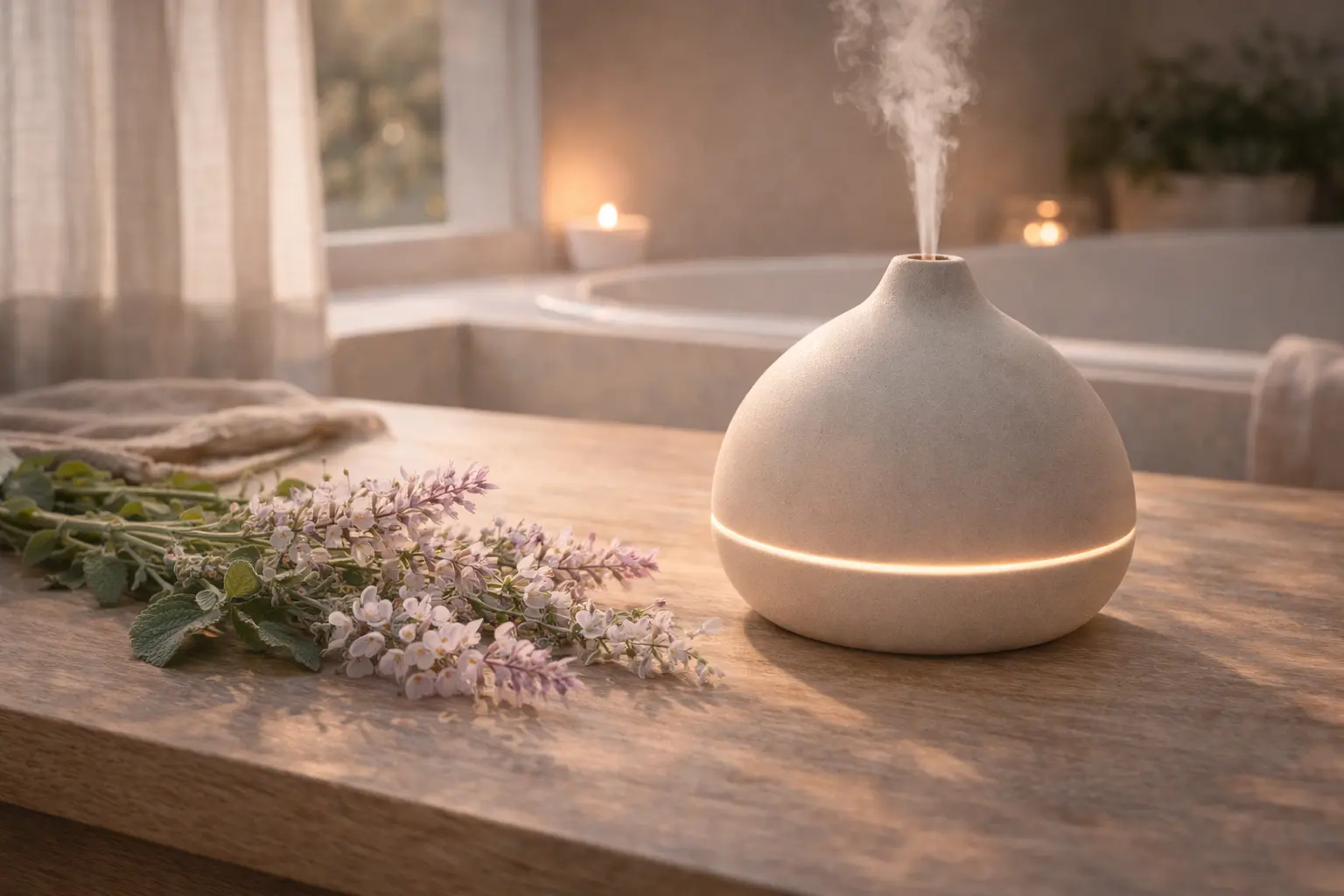
Some evenings are not exactly busy, but they still feel abrasive. The room is technically calm enough, yet your nervous system keeps catching on little edges. The day is still clinging to the air. The transition into night keeps stuttering. Clary sage can be interesting in that exact kind of evening because it often makes the room feel less resistant.
That is a different job from simple relaxation. Clary sage does not always feel like a blanket. Often it feels more like a release of tension in the room's posture. It can loosen a space that seems emotionally over-tightened, which is why it is so useful for evenings that need less friction rather than more perfume.
Quick Answer
Clary sage works best in evenings that feel edgy, internally noisy, or difficult to settle into. It can soften the room's friction and help the atmosphere feel more cooperative without becoming as obviously sleepy as some classic bedtime oils.
If the room feels calm on paper but not in your body, clary sage may be a more useful choice than another predictable "relaxing" scent.
Clary Sage Is Useful When Calm Still Feels Hard
There are evenings where the room already looks right. The lights are lower. The pace has slowed. The to-do list is more or less over. Yet the space still feels like it has tiny points of resistance in it. Clary sage can help with that because it often shifts the emotional texture more than the obvious scent identity. It is not always the first oil people reach for, but it can be one of the most satisfying when a room needs to feel less internally snagged.
This makes it a strong companion to pieces like Essential Oils for a Calmer Evening Wind-Down Routine and What the Research Actually Says About Essential Oils and Sleep, but it serves a slightly different emotional lane. It is often less about overt bedtime and more about getting the evening to stop scraping against itself.
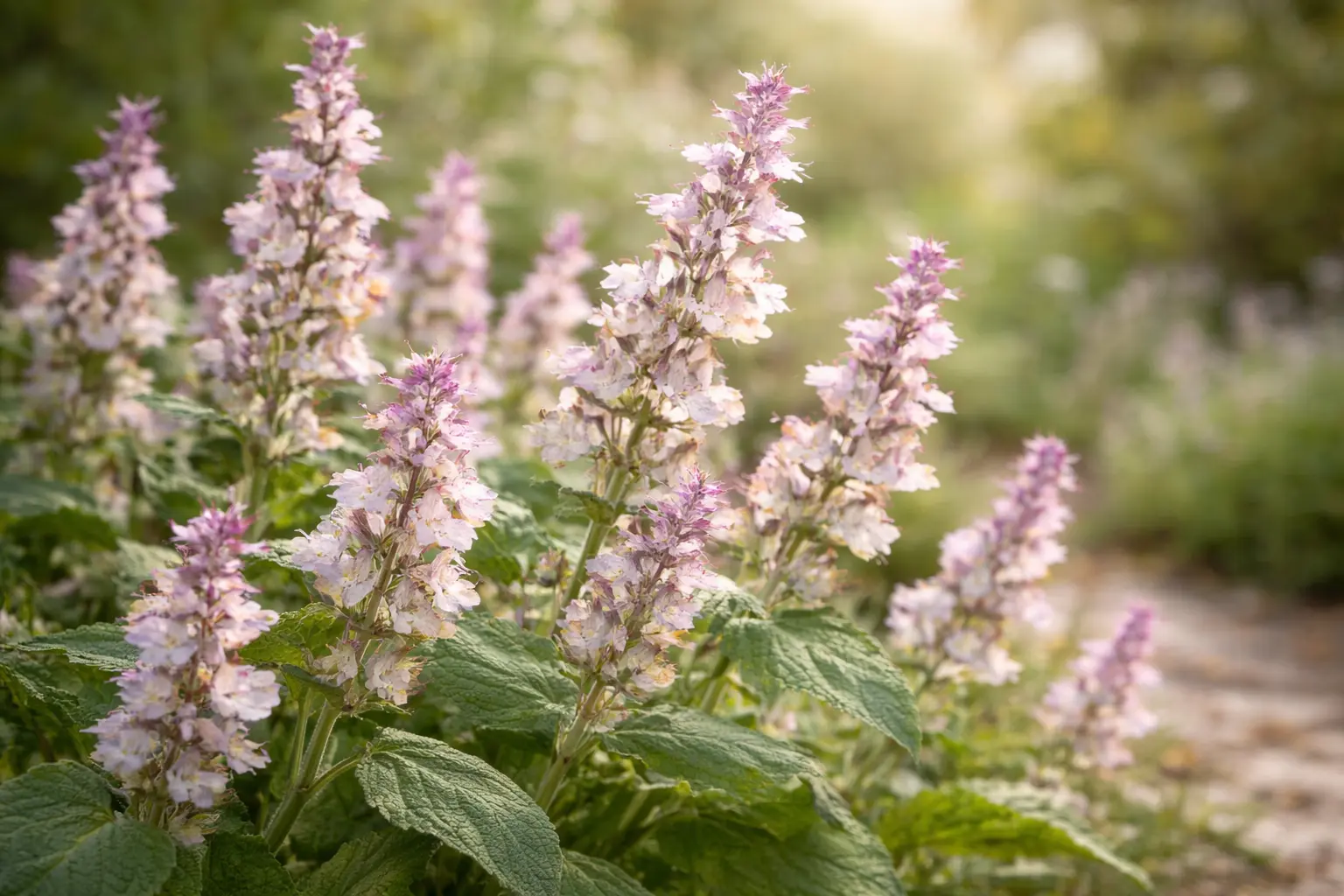
Where It Fits Best
Clary sage often works well in bedrooms before the final sleep stage, in quiet sitting rooms after a mentally crowded day, or in any part of the home where overstimulation lingers after the visible activity has ended. It may also suit evenings where you want a more adult softness than sweet orange or red mandarin naturally provide, but something less deep than frankincense alone.
It can be especially helpful when the room feels emotionally over-managed. If you have cleaned, dimmed, and organized everything, yet the atmosphere still feels tense, clary sage may offer the missing softness. It changes the room from polished-but-tight to more livable and yielding.
Clary Sage Often Needs Only One Supporting Note
Clary sage tends to work best in a simple structure. Lavender can make it more familiar. Frankincense can ground it. A quiet citrus note can keep it from feeling too inward if the room still needs a trace of openness. As with many good evening oils, the goal is not to build complexity for its own sake. It is to give the room the one missing correction it needs most.
This is also why clary sage can be more helpful than a large sleepy blend. Too many notes can make an already-frictional evening feel even more managed. Clary sage often lands best when the composition stays clear and unforced.
It Is Not the Right Oil for Bright, Social Rooms
If you are preparing a guest-ready living room, an upbeat morning kitchen, or an entry that needs quick freshness, clary sage may feel too inward. It generally belongs to slower emotional pacing. It can also feel vague if the room actually needs stronger structure from rosemary, eucalyptus radiata, or a better airing-out session.
But for evenings that are not loud, just difficult, clary sage can be quietly excellent. It reminds you that sometimes the room does not need more atmosphere. It needs less resistance.
Wellness
Essential Oils for a Calmer Evening Wind-Down Routine
A gentle, practical guide to using essential oils in an evening wind-down routine that softens the transition out of the day without turning bedtime into a big project.

Wellness
A Simple Aromatic Reset for Slow Weekend Mornings
A calm, readable guide to shaping a slow weekend morning with lighter scent, open windows, tea, journaling, and a home atmosphere that feels restorative instead of rushed.

Wellness
How to Choose the Lavender Mood That Actually Fits Your Routine
A practical guide to the different roles lavender can play in evening, linen, study, bedroom, and shared-space routines so it feels well-placed instead of automatic.
Wellness
12 Low-Effort Ways to Bring Lavender Essential Oil into Your Evening Routine
A lighter, more everyday guide to the small places lavender can fit into an evening routine when you want atmosphere, softness, and less friction instead of a complicated ritual.
Further Reading and Sources
These reads help place clary sage inside softer evening transitions and lower-friction room moods.