
Sandalwood Essential Oil When a Room Needs Warmth Without Clutter
Wellness
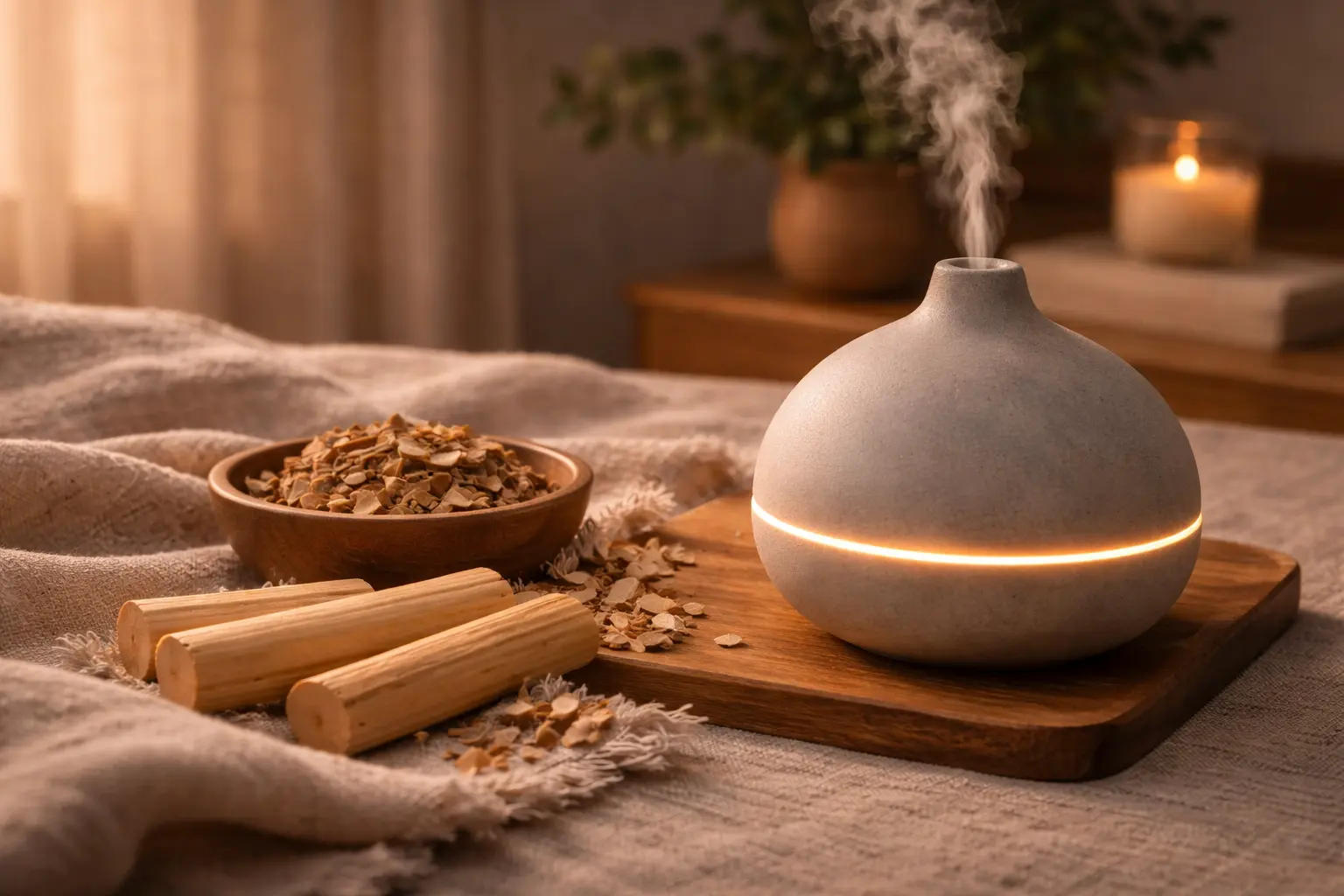
Sandalwood has a reputation for depth, luxury, and quiet. Those associations are not wrong, but they can make the oil feel more formal than it needs to be. In real home use, sandalwood is often most helpful when a room needs warmth without clutter. It can make a space feel smoother, calmer, and more composed without adding sweetness, brightness, or obvious decorative fragrance.
That makes Sandalwood Essential Oil especially interesting for people who want a home to feel inviting without smelling like dessert, laundry, or a spa lobby. Sandalwood does not have to dominate. In fact, it usually works better when it is quietly shaping the room from underneath.
Quick Answer
Sandalwood fits rooms that need warmth, polish, and a smoother emotional texture. It is useful in evening spaces, reading corners, bedrooms, and living rooms where you want depth but not heaviness.
Use it lightly with bergamot, lavender, cedarwood, frankincense, or soft citrus when you want warmth that feels clean and edited rather than crowded.
Sandalwood Makes Warmth Feel Edited
Warm home scents can go wrong quickly. They can become sweet, powdery, incense-heavy, or simply too much. Sandalwood is useful because its warmth is smoother and more restrained when handled carefully. It can make a room feel warmer without filling every corner with fragrance. That is a valuable difference in a home, where people need to live inside the atmosphere rather than merely admire it.
This edited warmth is why sandalwood often reads as refined. It does not need many moving parts around it. A little bergamot can lift it. A little lavender can soften it. A little cedarwood can make it more architectural. But sandalwood itself already has a rounded, quiet quality that makes the room feel less bare without adding clutter.
Where Sandalwood Belongs in the Home
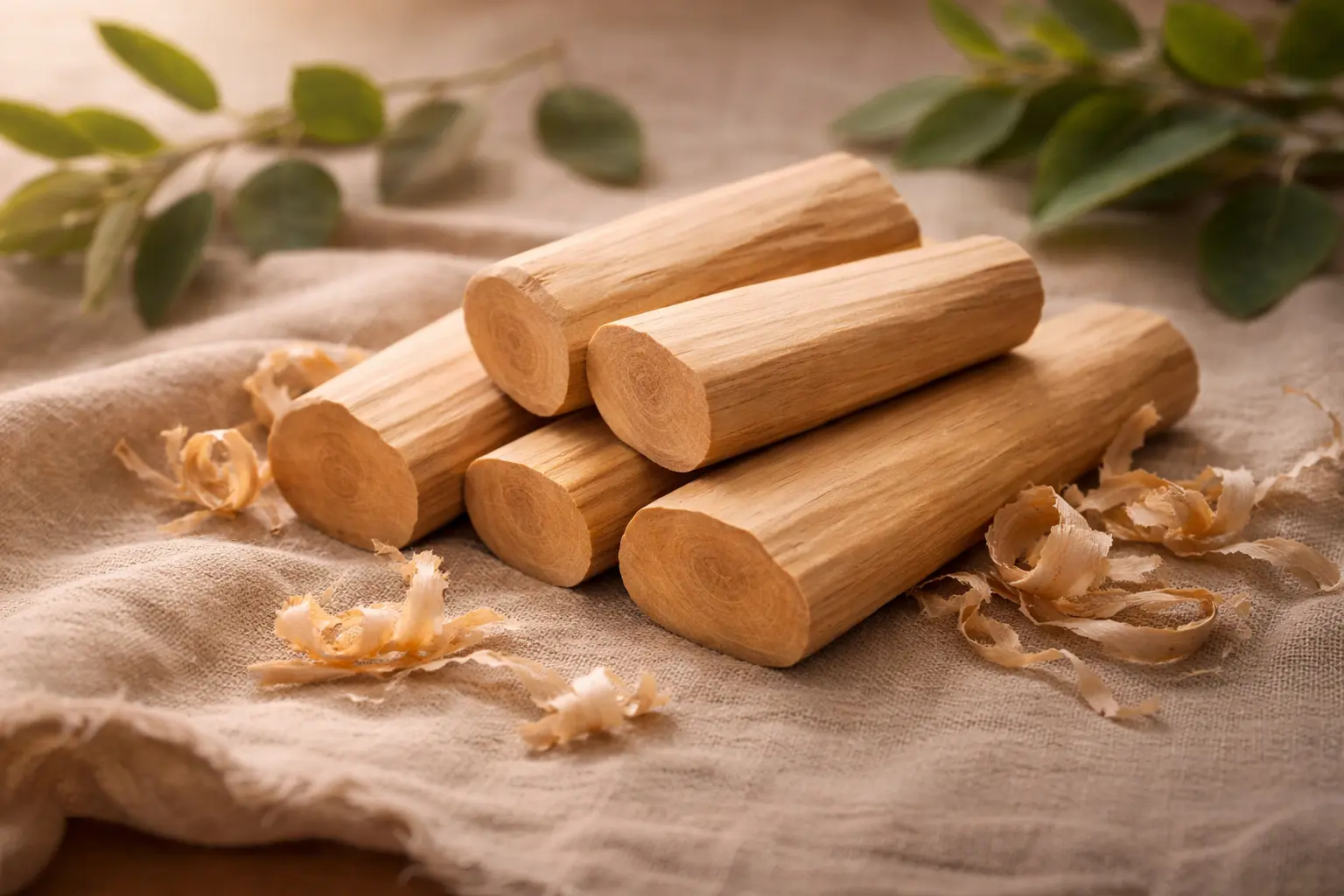
Sandalwood often belongs in rooms that are already calm but need a little more presence. A bedroom after linen has been changed. A living room before a quiet dinner. A reading chair in low light. A guest room that should feel warm but not fragranced in a personal way. These are spaces where sandalwood can quietly improve the emotional texture without pushing the room into a theme.
It also works when a room feels aesthetically nice but emotionally cool. Pale interiors, minimal rooms, and tidy spaces can sometimes feel a little untouchable. Sandalwood can add warmth without making the room busy. That makes it a useful companion to the thinking in What Makes a Scent Feel Expensive at Home.
How to Avoid the Heavy-Sandalwood Problem
The mistake is usually not choosing sandalwood. It is using it as if more depth will automatically mean more comfort. In smaller rooms, sandalwood can linger and flatten if it is overused. It is better to treat it as a warm line through the blend rather than the whole blend. Short sessions, lighter partners, and some air keep it elegant.
If the room starts to feel too dense, do not add more citrus in a panic. Stop diffusing, open the window, and let the room reset. Sandalwood is beautiful, but it is still a base note. It needs space to feel luxurious rather than heavy.
The Best Sandalwood Atmosphere Feels Quietly Considered
When sandalwood works, people may not immediately say, “This smells like sandalwood.” They may simply notice that the room feels calmer, warmer, and more put together. That is often the best outcome. Sandalwood does not have to be identifiable to be effective.
Used with restraint, it gives a home the kind of warmth that does not ask for attention. It just makes the room easier to stay in.
Wellness
Essential Oils for a Calmer Evening Wind-Down Routine
A gentle, practical guide to using essential oils in an evening wind-down routine that softens the transition out of the day without turning bedtime into a big project.
Wellness
A Simple Aromatic Reset for Slow Weekend Mornings
A calm, readable guide to shaping a slow weekend morning with lighter scent, open windows, tea, journaling, and a home atmosphere that feels restorative instead of rushed.
Wellness
How to Choose the Lavender Mood That Actually Fits Your Routine
A practical guide to the different roles lavender can play in evening, linen, study, bedroom, and shared-space routines so it feels well-placed instead of automatic.
Wellness
12 Low-Effort Ways to Bring Lavender Essential Oil into Your Evening Routine
A lighter, more everyday guide to the small places lavender can fit into an evening routine when you want atmosphere, softness, and less friction instead of a complicated ritual.