
Why Bergamot Essential Oil Belongs in More Than Just Relaxing Blends
Wellness
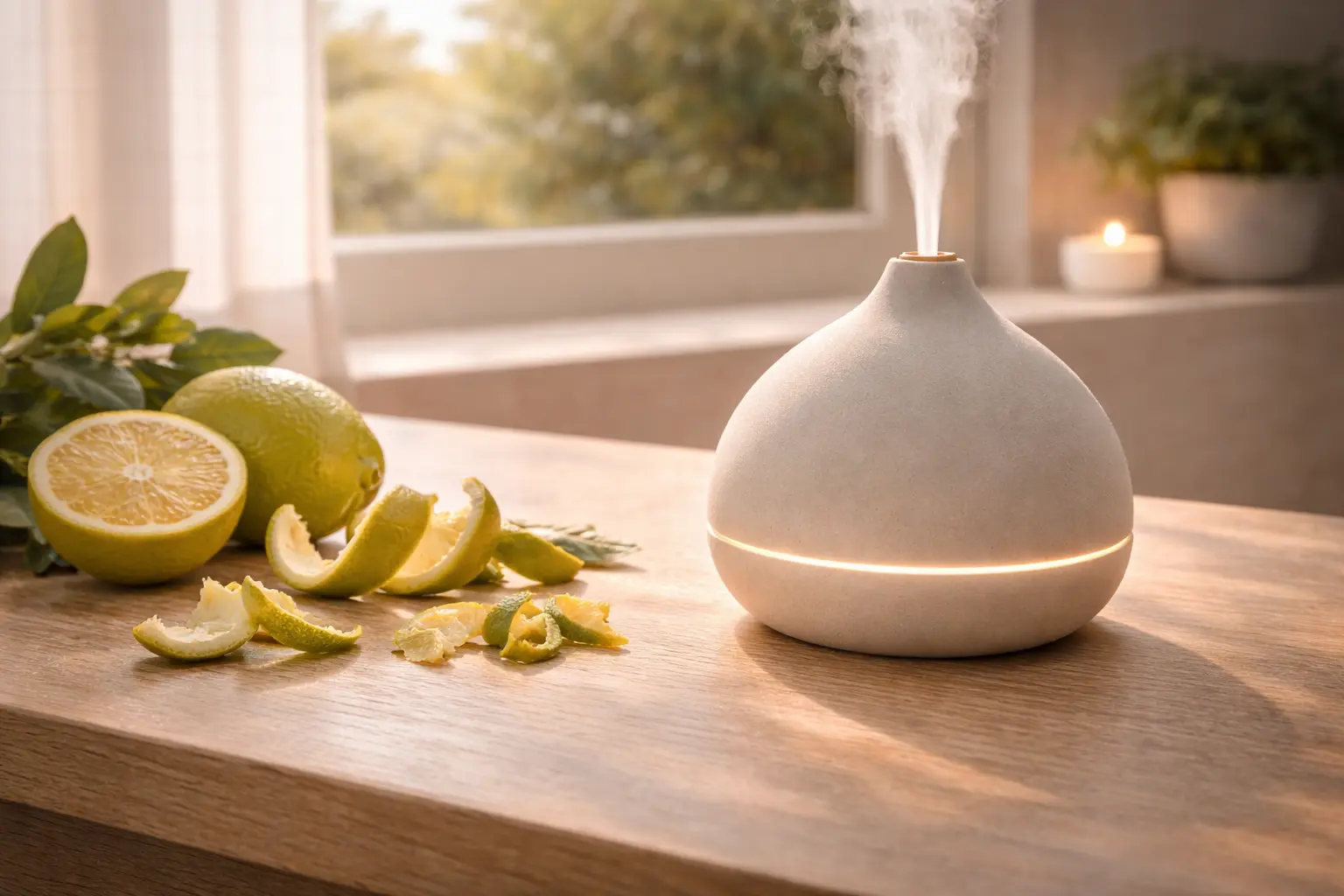
Bergamot has a small image problem. It gets filed very quickly into the calming category and then often stays there, as if its only purpose were to soften stress and float quietly through gentle blends. That is not a terrible fate for an oil to have, but it is much narrower than bergamot deserves. Bergamot can calm, yes. It can also brighten, polish, civilize, and make a room feel more composed without making it louder.
In home life, that range matters. A lot of rooms do not need deep relaxation. They need better balance. They need brightness that does not feel sharp, or softness that does not feel sleepy. They need a scent that can sit between clean and elegant, between cheerful and refined. Bergamot often lives beautifully in that middle space, which is exactly why it deserves more than a permanent job inside the relaxing blends drawer.
Quick Answer
Bergamot is not only useful for calm. It is also excellent for creating polished, airy, socially easy atmospheres. It can brighten a room more softly than lemon, soften a blend more elegantly than sweet orange, and help a space feel composed rather than merely fragranced.
If you like room scents that feel refined, adult, and breathable, bergamot often belongs in far more routines than the usual relaxation label suggests.
Bergamot Is One of the Best Middle-Register Oils
That may be the simplest way to understand its appeal. Some oils are very bright and assertive. Some are soft and settling. Bergamot often sits between those poles, which makes it uniquely helpful in rooms that need balance more than drama. It can make a space feel lighter without becoming sharp, and more relaxed without slipping into bedtime language. That middle-register quality is one reason bergamot is so often loved by people who do not want their home scent to feel either childish or medicinal.
It also explains why bergamot so often reads as put together. The oil has enough brightness to keep a room alive, but enough softness to prevent that brightness from feeling exposed. When people talk about a scent feeling polished or expensive, they are often responding to this kind of balance rather than to rarity or intensity alone.

Where Bergamot Fits Beyond Classic Calm Blends
One strong bergamot use is the refined daytime room. Living rooms, entry-adjacent areas, study corners, and guest-ready shared spaces often want brightness that feels a little more dressed than lemon. Bergamot can provide that. It keeps the room fresh, but with a softer contour and a slightly more social tone. In that role, it often overlaps beautifully with the logic behind What Makes a Scent Feel Expensive at Home.
Bergamot is also excellent in transition moods. It can help a late afternoon room move away from work intensity without becoming fully evening-soft. It can make a small home feel more breathable without sounding clinical. It can even act as a social softener when a space feels neat but emotionally stiff. These are all very different jobs from a standard relaxing blend, yet bergamot handles them naturally because it lives so comfortably in the in-between.
Bergamot Helps When You Want Softness Without Sleepiness
This may be one of its most useful qualities. Oils like lavender or chamomile can soften a room beautifully, but they also steer the atmosphere in a more overtly calm or bedtime direction. Bergamot often gives you some of that softness while keeping the room more alert and elegant. That makes it especially useful for evenings that are not about sleep yet, or for shared spaces where full sedation is not the mood you want.
It is also why bergamot can rescue a blend that is technically pleasant but emotionally one-note. A bright citrus blend may become more gracious with bergamot. A soft floral blend may gain more air. A woody room scent may feel less stern. Bergamot often improves not by taking over, but by improving how the other notes relate to each other.
The Oil Is Gentle, but Not Automatically Correct
Its reputation for ease can make bergamot feel universally safe in aesthetic terms, but room fit still matters. In a room that already leans sweet, bergamot may need a drier partner to stay clear. In a very small fabric-heavy room, even elegant oils can still create too much atmosphere if the session runs too long. And in spaces that need true freshness rather than refinement, lemon, rosemary, or eucalyptus radiata may still be the better answer.
So the point is not that bergamot should replace other oils. It is that it deserves to be seen as more than a calm-button oil. It is one of the most useful oils for rooms that want grace, lift, and softness in the same breath.
Wellness
Essential Oils for a Calmer Evening Wind-Down Routine
A gentle, practical guide to using essential oils in an evening wind-down routine that softens the transition out of the day without turning bedtime into a big project.

Wellness
A Simple Aromatic Reset for Slow Weekend Mornings
A calm, readable guide to shaping a slow weekend morning with lighter scent, open windows, tea, journaling, and a home atmosphere that feels restorative instead of rushed.

Wellness
How to Choose the Lavender Mood That Actually Fits Your Routine
A practical guide to the different roles lavender can play in evening, linen, study, bedroom, and shared-space routines so it feels well-placed instead of automatic.
Wellness
12 Low-Effort Ways to Bring Lavender Essential Oil into Your Evening Routine
A lighter, more everyday guide to the small places lavender can fit into an evening routine when you want atmosphere, softness, and less friction instead of a complicated ritual.
Further Reading and Sources
These reads help show why bergamot belongs in polished, bright, and socially easy routines as much as in classic calm blends.