
When a Home Starts Smelling "Busy" Instead of Fresh
Home
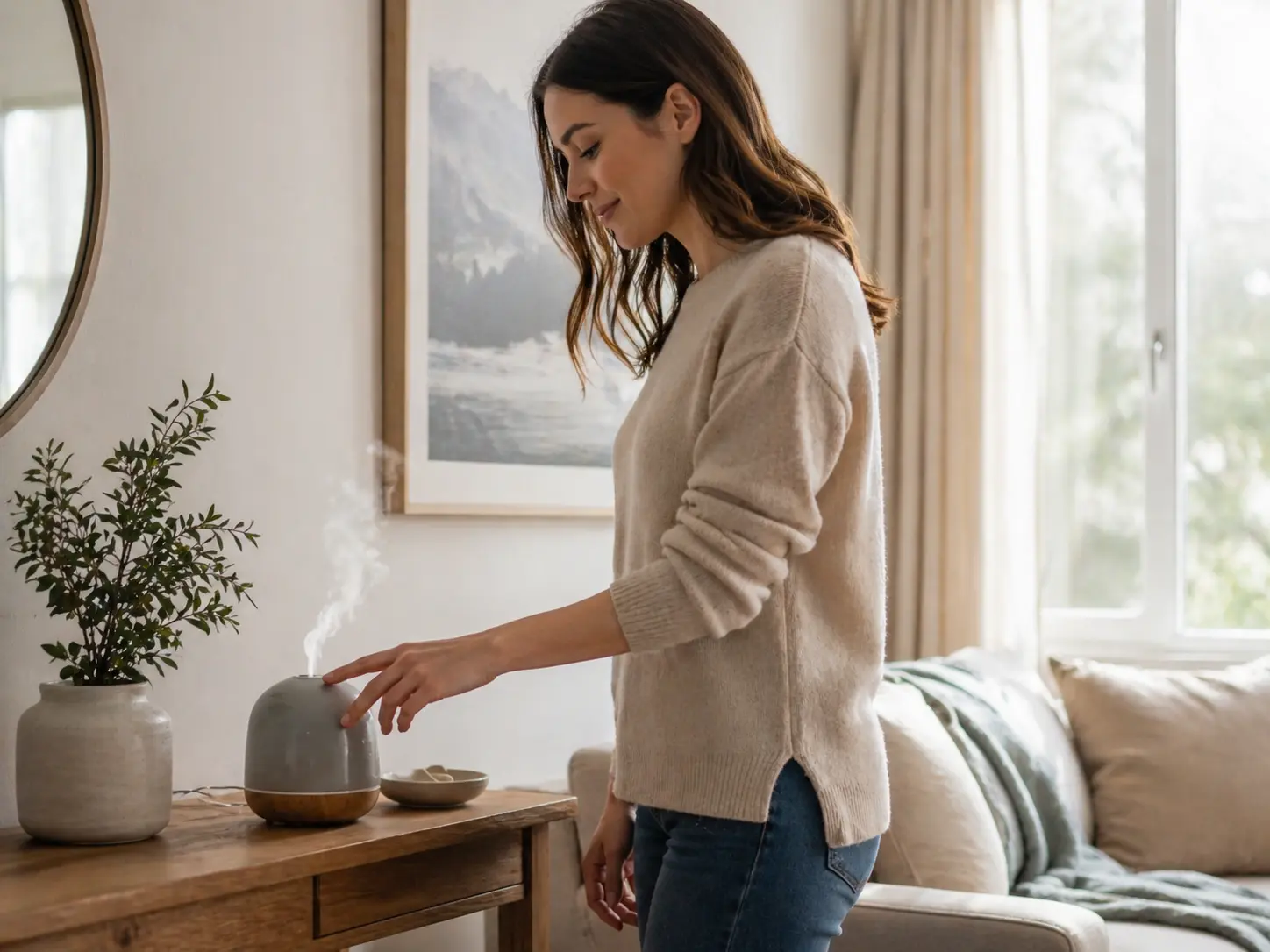
A home can smell pleasant and still not smell fresh. That is usually the moment a room starts feeling busy: not dirty exactly, not even obviously over-fragranced at first, but layered in a way that makes the air feel crowded. Laundry scent, a candle from last night, a room spray from the morning, a diffuser that ran a little too long, fabric holding onto yesterday’s blend, and maybe even cooking or cleaning traces are all still in the room together.
When that happens, the home stops feeling clear and starts feeling managed. The scent profile no longer reads like atmosphere. It reads like overlapping intention. That is why “busy” is such a useful word here. The room is doing too much at once, and the nose can feel it long before the eye sees a problem.
Quick Answer
A home starts smelling busy when too many scent signals are active at once or when older fragrance layers never fully leave the room. The result is not always a strong smell. It is often a crowded smell: sweet on top of clean, floral on top of citrus, fabric scent under a diffuser, or stale air under otherwise good oils.
The fix is usually not a better fragrance product. It is editing the room: less overlap, more airflow, shorter scent sessions, and one clearer aromatic message at a time.
Busy Rooms Usually Smell Layered, Not Necessarily Strong
This is why the problem can be tricky to catch early. A busy-smelling room is not always the same as a high-intensity room. Sometimes it is fairly soft, but the different notes keep pulling in different directions. Sweet laundry scent may still be sitting in the textiles while a citrus-cleaning routine added sharpness in the kitchen, and a floral candle from last night is still clinging to the air. None of these are necessarily terrible on their own. Together, they make the room feel less readable.
That loss of clarity is usually what people are reacting to when they say a home feels “too much” or “a bit stale even though it smells nice.” The scent story has become crowded enough that the room no longer feels edited.
Fabric Is Often Where the Crowd Starts
Textiles quietly keep old scent decisions alive. Curtains, throws, bedding, sofa fabric, laundry baskets, bath towels, and coats all hold onto aromatic residue longer than people expect. That is why homes can feel scented even when no scent product is actively running. The room is replaying earlier fragrance choices through fabric.
This is one reason busy scent is often mistaken for a product problem when it is really a room-memory problem. The air is not only carrying what you used today. It is carrying what the room kept from before.
Freshness Usually Has Fewer Messages
A fresh-smelling room tends to have one clear aromatic direction, or none at all. Maybe it is airy citrus and green. Maybe it is soft evening calm. Maybe it is simply clean fabric and open air with no active diffuser running. What it does not usually have is three or four competing moods layered into the same space.
This is why homes often improve quickly when fragrance load is reduced rather than upgraded. The room becomes easier to read. The nose no longer has to sort through several unfinished conversations at once.
Signs a Room Is Starting to Smell Busy
The room feels sweeter than it should
Lingering fabric scent and older fragrance layers are often still hanging in the background.
The “fresh” blend feels dull
It may not be weak. It may just be landing on top of too much existing scent information.
You keep changing products
If you are always trying a new fix, the issue may be overlap rather than ingredient choice.
Why This Happens More Easily Than People Expect
Modern homes often carry more scent by default than older routines did. Laundry products are stronger. Cleaning products are more layered. Candles and room sprays are more common. Even “clean” products often still leave an odor signature behind. Add essential oils to that without editing the background, and the room can tip from polished to crowded very quickly.
There is also the issue of adaptation. You stop noticing the room the way a newcomer would. That can make it tempting to add another small layer because the house no longer smells vivid to you, even though to someone else it already feels fairly busy.
The Best Fix Is Usually Subtraction
Busy scent is one of those problems that rarely improves by adding more complexity. It usually improves when the room is simplified. Open the window. Stop one scent source. Wash the fabric that is still carrying yesterday’s mood. Choose one aromatic direction and let the rest of the house quiet down around it.
This is the same editing instinct behind How to Make a Home Smell Cleaner Without Making It Smell Stronger. Freshness is often not an addition story. It is a subtraction story told well.
Home
How to Choose the Right Diffuser for Each Room
A practical room-by-room guide to choosing diffuser size, intensity, timing, and placement for bedrooms, living rooms, work corners, entryways, and bathrooms.

Home
How to Freshen Laundry and Linens with Essential Oils
Freshen laundry, bed linens, towels, closets, and fabric routines with essential oils in a simple, clean-feeling, safety-first way.

Home
Essential Oils for a Guest-Ready Living Room
Create a welcoming living-room atmosphere with essential oils that feel polished, lived-in, and guest-ready without turning the room overly sweet or heavy.
Home
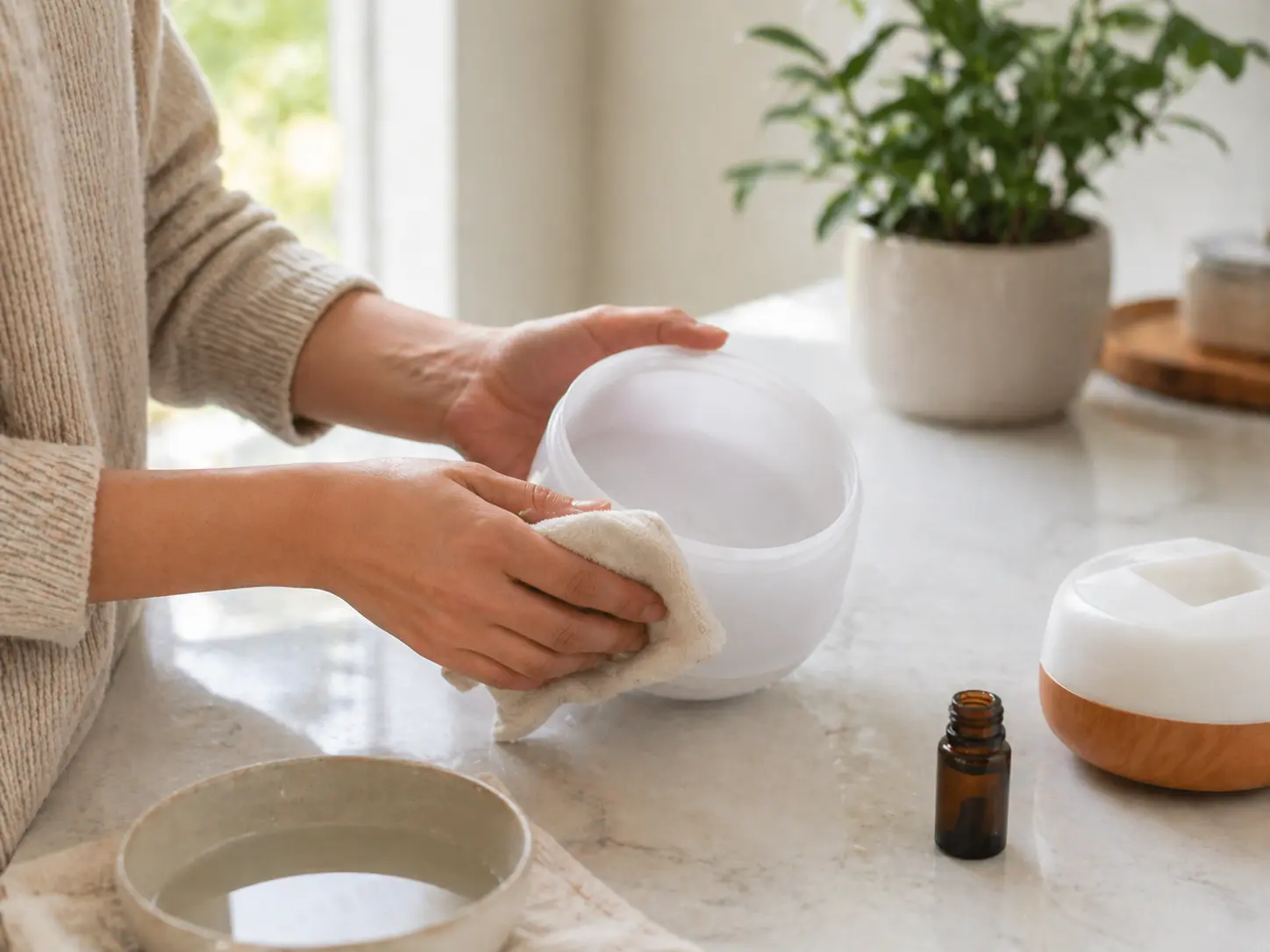
How to Clean an Essential Oil Diffuser
A practical, safety-first guide to cleaning an essential oil diffuser so it runs better, smells fresher, and fits cleanly into a real home routine.
Further Reading and Sources
These reads help explain why homes lose clarity when scent layers start stacking instead of resolving.
- How to Make a Home Smell Cleaner Without Making It Smell Stronger
- Cleaner Home Swaps for a Lower-Fragrance Routine
- Why Diffusing Longer Usually Does Not Make a Blend Better
- Plant Therapy: Non-Toxic Swaps for the New Year
- Pamela Dalton: Psychophysical and Behavioral Characteristics of Olfactory Adaptation