
Why Clean Linen Scents Feel Good to Some People and Tiring to Others
Home
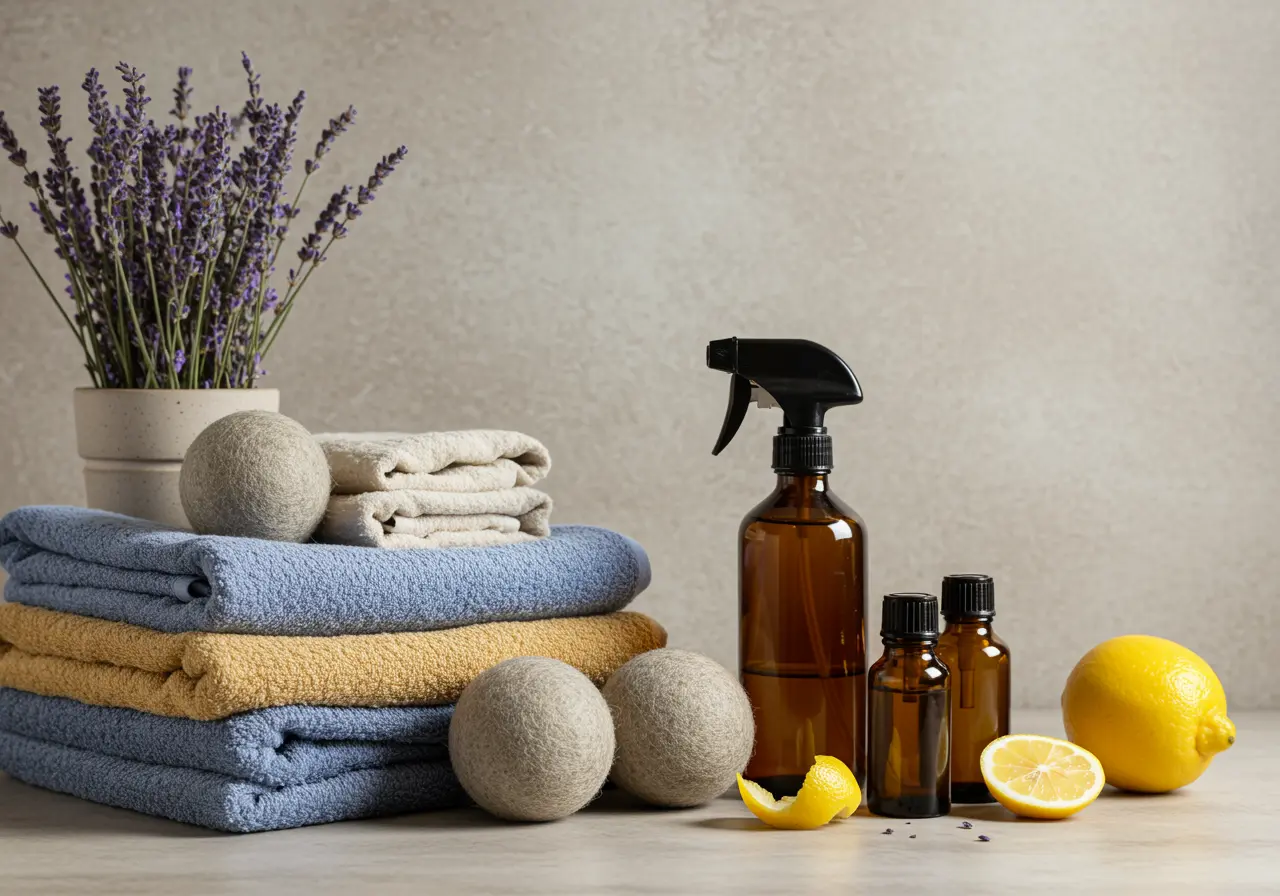
Clean linen is one of the most loved scent ideas in home life, and also one of the easiest to misread. To some people it feels calm, polished, and reassuring. It suggests fresh fabric, open windows, a made bed, and a room that has been quietly taken care of. To others it feels tiring, powdery, synthetic, or too insistently “clean,” especially when the effect comes from heavy layering rather than actual freshness.
That split is not random. Clean-linen scent sits at the intersection of memory, fabric, product culture, and personal sensitivity. People are not only smelling an aroma. They are smelling a whole set of associations, plus whatever physical experience that scent creates in the room or on the textile itself.
Quick Answer
Clean linen scents feel good to many people because they are strongly associated with hygiene, comfort, order, and freshly cared-for fabric. They feel tiring to others when they become too powdery, too constant, too synthetic-feeling, or too layered with existing room scent.
So the issue is not only whether the profile is “nice.” It is whether the linen effect feels airy and believable or heavy and performative in the actual room.
Clean Linen Is an Idea as Much as a Smell
Part of what makes linen scents powerful is that people are not reacting only to the fragrance profile. They are reacting to what the profile suggests. Fresh laundry, changed sheets, folded towels, morning light, and the emotional relief of order all sit close to that scent category. Research on odor and hygiene perception supports the broader point: certain smells, especially bright or fabric-adjacent ones, are culturally and perceptually tied to cleanliness far beyond their literal chemistry.
That is why clean-linen scents can feel instantly “right” in one context. They are doing symbolic work. They are telling the nervous system that the room is cared for.

Why the Same Scent Can Turn Tiring
The trouble usually begins when linen mood becomes linen pressure. A scent that was meant to suggest fresh cloth starts lingering like product. Powdery notes become padded. Sweetness stays too long in the fabric. The room stops feeling like laundry that dried well and starts feeling like a performance of laundry. That is when some people begin finding the profile tiring.
There is also the simple fact of sensitivity. Some noses enjoy fabric-like softness and find it comforting. Other noses experience the same profile as too present, too close, or too repetitive. Exposure history, fragrance preference, and even what products someone grew up around can all shape that reaction.
Fabric Changes the Experience
Linen scent is one of the clearest examples of why fabric matters so much. Towels, bedding, robes, throws, and drawer liners do not simply emit aroma once. They keep negotiating with it. The scent sits down into the textile, warms up again, and resurfaces later. What felt elegant for the first half hour may feel far more insistent by the evening if the room is closed and the fabrics are holding everything in place.
This is also why some people think they dislike linen scents when they really dislike linen accumulation. The issue is not always the concept. It is the persistence.
How to Keep Linen Mood from Getting Heavy
Start with actual freshness
The best linen mood grows out of clean fabric and air, not fragrance alone.
Keep the profile dry and airy
Too much powder or sweetness is often what tips the effect from calm to tiring.
Use less than fabric seems to invite
Textiles hold more aroma than you think, so the elegant amount is usually smaller.
Why Some Linen Scents Feel Better Than Others
Not all linen-style moods are built the same way. Some are basically airy citrus plus soft fabric notes. Some lean lavender and laundry. Some turn floral, powdery, or detergent-like very quickly. The best versions usually have enough air and dryness to keep the room feeling breathable.
This is one reason How to Choose the Lavender Mood That Actually Fits Your Routine matters here. Lavender can help create linen mood beautifully, but it can also thicken it if the room already has too much softness.
The Most Convincing Linen Mood Still Depends on Air
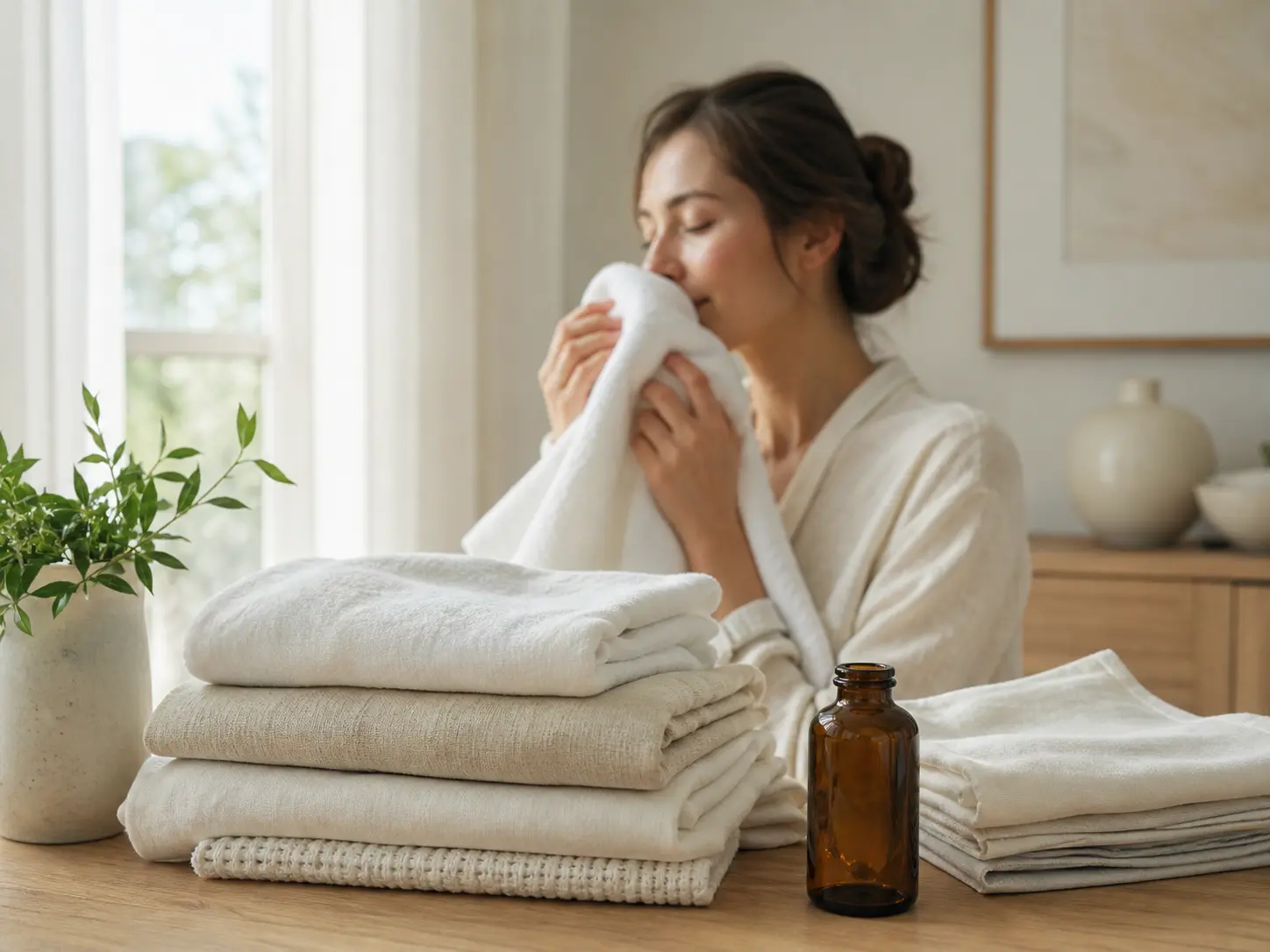
People often try to build linen mood by adding more fragrance to fabric, but the most convincing version of the effect usually depends on less. Washed cloth, open windows, lower background fragrance, and one carefully chosen supporting note will usually outperform a heavier “linen” performance. The room feels cleaner because it is cleaner, and the scent simply helps the impression read more clearly.
That is also why linen scents often connect so strongly to comfort in one home and irritation in another. One room is giving the scent air. The other is asking fabric and product to do all the storytelling on their own.
Home
How to Choose the Right Diffuser for Each Room
A practical room-by-room guide to choosing diffuser size, intensity, timing, and placement for bedrooms, living rooms, work corners, entryways, and bathrooms.

Home
How to Freshen Laundry and Linens with Essential Oils
Freshen laundry, bed linens, towels, closets, and fabric routines with essential oils in a simple, clean-feeling, safety-first way.
Home
Essential Oils for a Guest-Ready Living Room
Create a welcoming living-room atmosphere with essential oils that feel polished, lived-in, and guest-ready without turning the room overly sweet or heavy.
Home
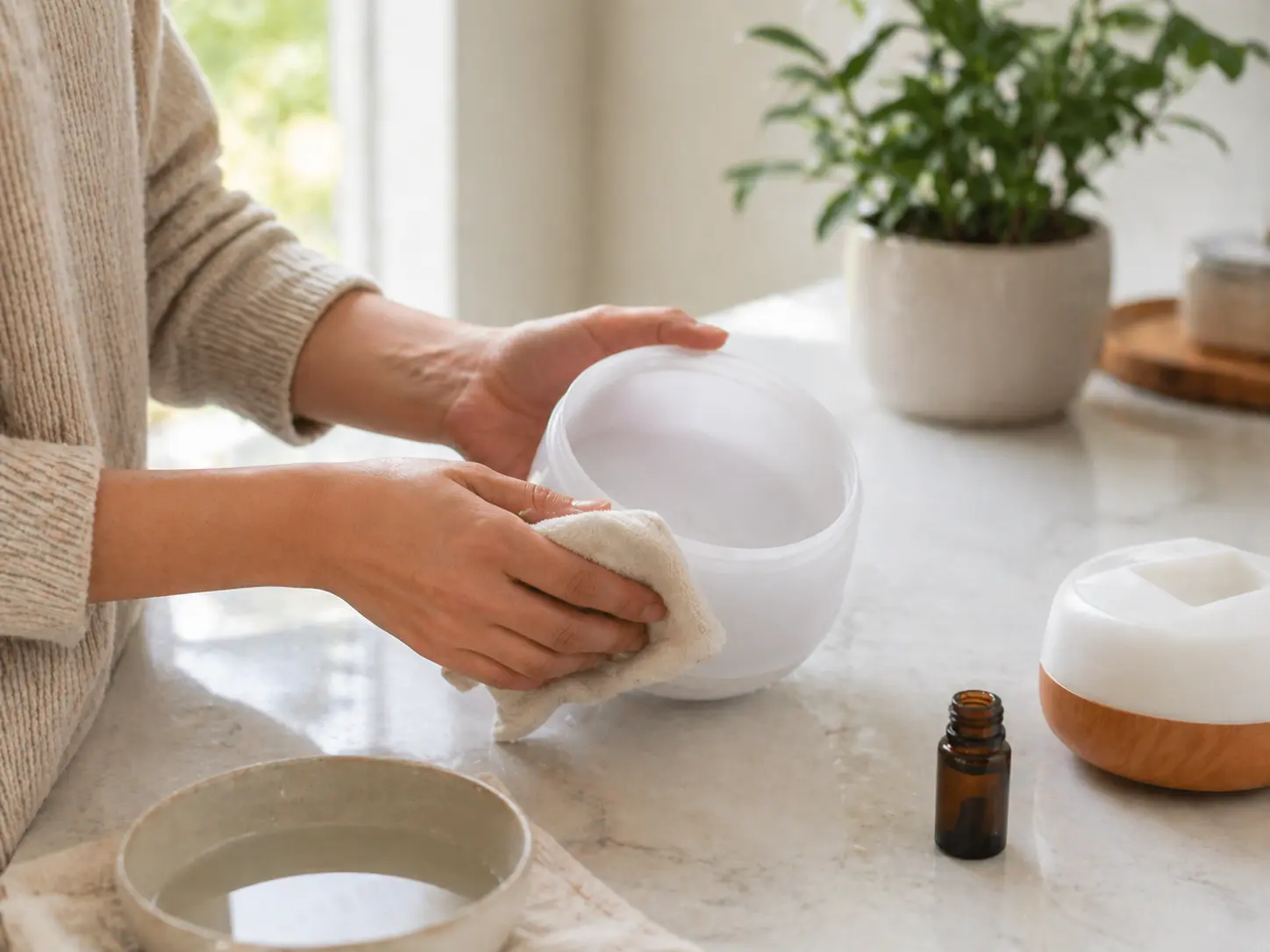
How to Clean an Essential Oil Diffuser
A practical, safety-first guide to cleaning an essential oil diffuser so it runs better, smells fresher, and fits cleanly into a real home routine.
Further Reading and Sources
These reads help explain why clean-linen scent is shaped by both cultural association and real room behavior.