
Patchouli Essential Oil Without Making Your Home Feel Heavy
Wellness
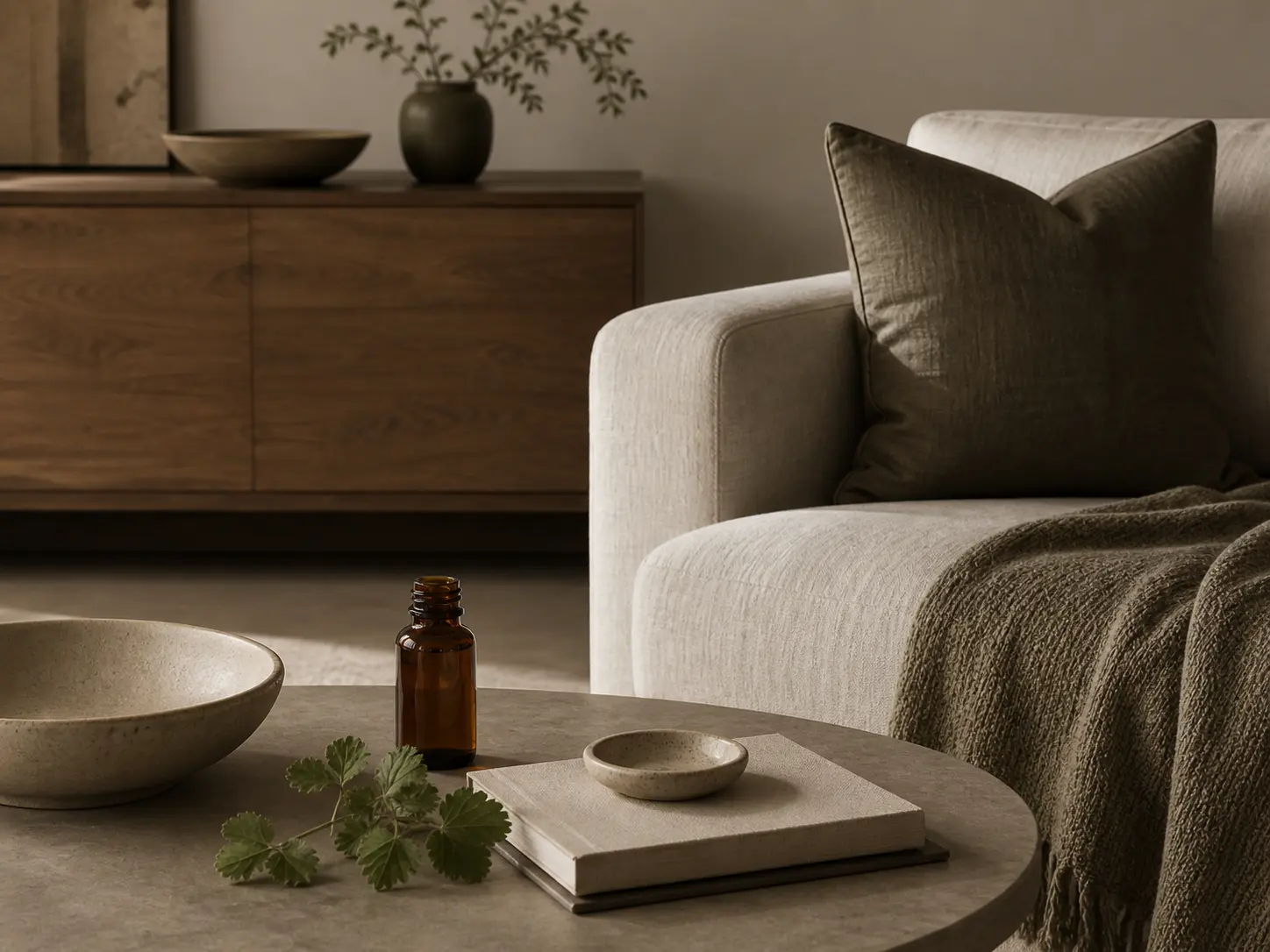
Patchouli arrives with baggage. For some people, it means depth, earth, warmth, and beautiful staying power. For others, it means heavy rooms, dated associations, and a scent that seems to enter before anyone invited it. Both reactions make sense, because patchouli is powerful. The question is not whether it has character. The question is whether you can give that character enough restraint to work in a modern home.
Patchouli Essential Oil can be genuinely useful when a room needs earthiness, warmth, or a deeper base note. But it needs editing. Used carelessly, it can make a room feel heavy. Used carefully, it can make a room feel grounded, textural, and more interesting without becoming a cliché.
Quick Answer
Patchouli works best at home as a low-dose grounding note, not as the whole room scent. It can add earthy warmth to citrus, woods, florals, and evening blends, but too much can quickly feel dense, dated, or muddy.
Pair it with bergamot, pink grapefruit, cedarwood, sandalwood, or a soft floral-green note when you want depth that feels contemporary rather than heavy.
Patchouli Needs Negative Space
The most modern way to use patchouli is to give it space. That means fewer oils, cleaner surroundings, shorter sessions, and enough air in the room. Patchouli is not improved by crowding. If it is paired with too many other rich notes, the blend can become thick before it becomes beautiful. A little citrus, a little wood, and a tiny patchouli base often feels more refined than a long list of earthy materials.
This is why patchouli can work surprisingly well in minimal rooms. Pale walls, linen, wood, stone, and matte ceramics can give its earthiness somewhere to land. In a cluttered or stale room, the same oil may feel too intense. Patchouli does not just scent the air; it interacts strongly with the room's visual and emotional weight.
Where Patchouli Actually Fits
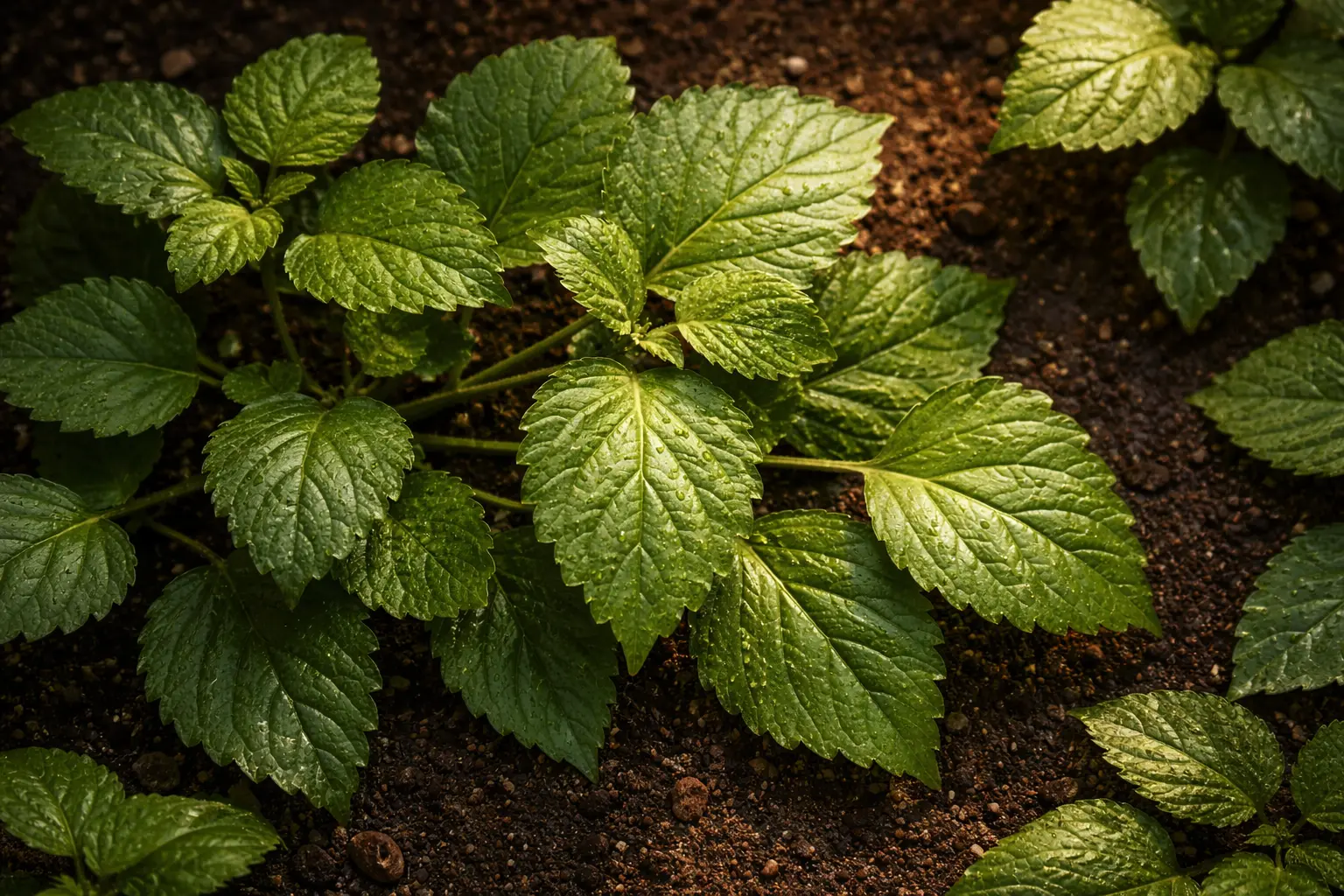
Patchouli fits best when a room needs more texture. A citrus blend that disappears too quickly. A woody blend that feels too dry. A floral blend that needs a less delicate base. A closet sachet that should feel warmer and less laundry-like. A fall or winter room that needs depth but not spice. In those roles, patchouli does not need to be obvious to be doing important work.
It also belongs in conversations about room fit. Some people love patchouli in perfume-style blends but dislike it in a diffuser. That is not a contradiction. Diffusion gives a scent physical scale. An oil that feels beautiful close to the skin may feel too large in a room. This is exactly the kind of mismatch explored in What to Do When You Like an Oil but Not in Your Actual Home.
How to Make Patchouli Feel Cleaner
Citrus is the easiest answer, but not all citrus works the same way. Bergamot makes patchouli more polished. Pink grapefruit makes it brighter and less solemn. Sweet orange can make it warmer, though sometimes too round. Lime can sharpen it, but that combination needs care so the top and base do not feel disconnected. Cedarwood and sandalwood help if the goal is grounded warmth rather than freshness.
The other answer is dose. If you are wondering whether one more drop of patchouli would make the blend better, the answer is often no. Patchouli has enough persistence that even a small amount can influence the room long after the diffuser stops.
Patchouli Can Be Beautiful Without Being a Theme
The goal is not to erase patchouli's personality. Its earthiness is the point. But a modern home rarely needs patchouli to become a full identity. It usually needs it to add one low, warm line underneath something more breathable.
Used that way, patchouli can feel grounded, tasteful, and surprisingly flexible. It stops being a cliché and becomes a tool.
Wellness
Essential Oils for a Calmer Evening Wind-Down Routine
A gentle, practical guide to using essential oils in an evening wind-down routine that softens the transition out of the day without turning bedtime into a big project.
Wellness
A Simple Aromatic Reset for Slow Weekend Mornings
A calm, readable guide to shaping a slow weekend morning with lighter scent, open windows, tea, journaling, and a home atmosphere that feels restorative instead of rushed.
Wellness
How to Choose the Lavender Mood That Actually Fits Your Routine
A practical guide to the different roles lavender can play in evening, linen, study, bedroom, and shared-space routines so it feels well-placed instead of automatic.
Wellness
12 Low-Effort Ways to Bring Lavender Essential Oil into Your Evening Routine
A lighter, more everyday guide to the small places lavender can fit into an evening routine when you want atmosphere, softness, and less friction instead of a complicated ritual.