
Why Petitgrain Essential Oil Feels So Good in Quiet, In-Between Hours
Wellness
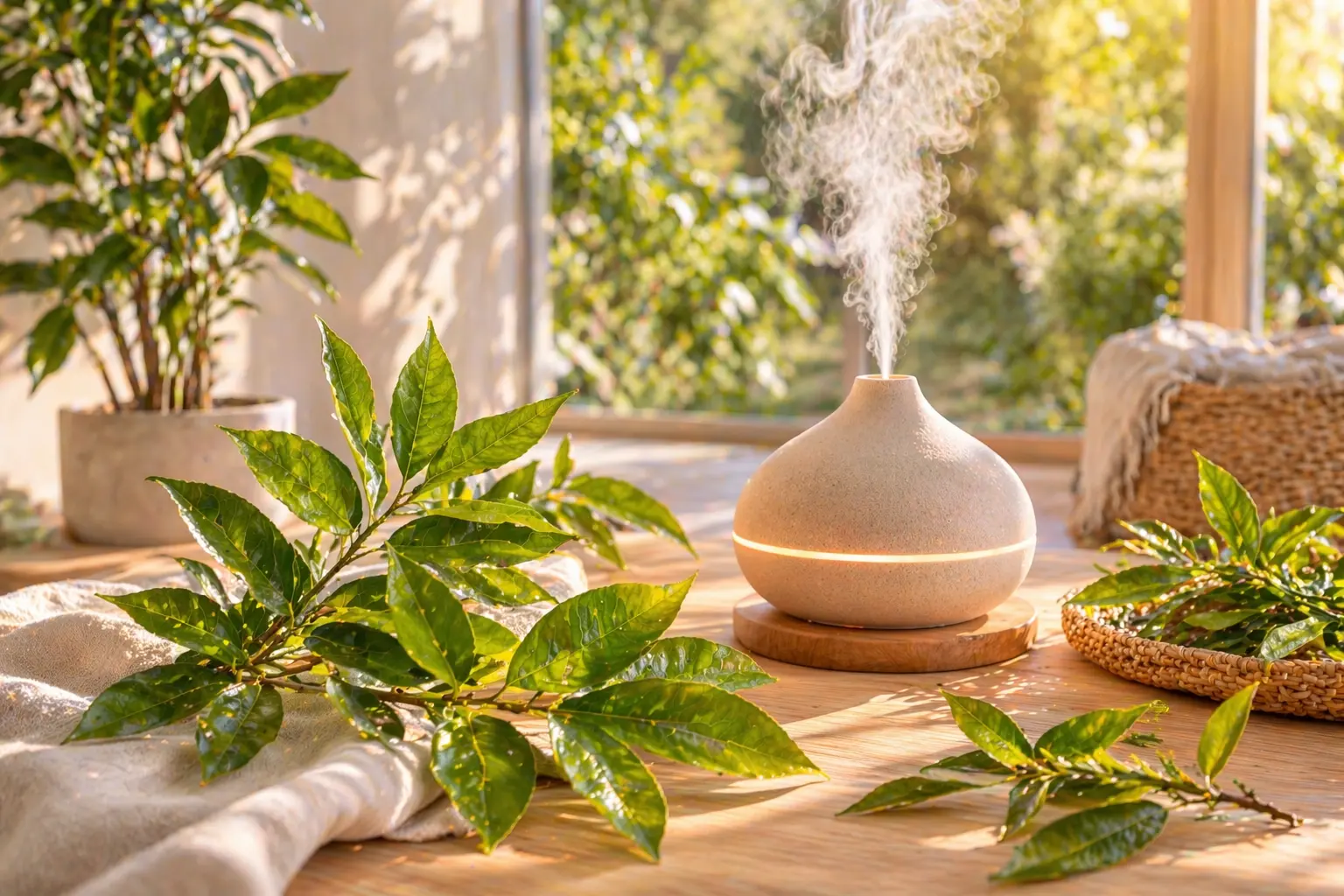
Petitgrain is not usually the oil people talk about first, and that is part of its charm. It does not arrive with the loud familiarity of lemon or lavender. It tends to be discovered later, often by people who realize they like scents that are less obvious, less sugary, and a little harder to summarize in one word. Petitgrain often feels good not because it dominates the room, but because it understands these quieter, transitional spaces better than many more famous oils do.
There are parts of the day that do not belong cleanly to one category. Late afternoon. The hour before guests. The calm after a tidy-up but before full evening. A room that is no longer in work mode but not yet in bedtime mode. Petitgrain often feels unusually right here. It has freshness, but not cheerfulness for its own sake. It has softness, but not sleepiness. It has elegance, but not stiffness. That combination is rare.
Quick Answer
Petitgrain essential oil is especially good in transitional hours and shared spaces that need green softness, polished air, and a quieter kind of freshness. It can make a room feel composed without making it sleepy or strongly perfumed.
If you enjoy citrus, but often find bright citrus too cheerful or too thin, petitgrain may be the note that finally feels like home.
Petitgrain Lives Beautifully in Transitional Moods
This may be its most attractive quality. Some oils seem to belong to one strong emotional lane. They are clearly energizing, clearly cozy, clearly bedtime, clearly festive. Petitgrain is more subtle than that. It thrives in the hours where the room is becoming something else, but has not fully arrived yet. It can support the shift from work to evening, from cleaning to resting, from empty room to quietly social room.
That is why petitgrain so often feels at home in the same conversations as What Makes a Scent Feel Expensive at Home. Its elegance does not come from intensity. It comes from balance. The green edge keeps it clear, the citrus family keeps it alive, and the softer undercurrent keeps it from becoming too brisk. The result often feels expensive because it feels well judged.

Why It Feels So Good in Quiet Hours
Quiet hours do not always want deep calm. Sometimes they want lower friction. They want the room to feel easier to inhabit. This is where petitgrain can be unexpectedly wonderful. It can soften a shared room without making it sleepy. It can keep an entry-adjacent or living-room space feeling awake without becoming busy. It can also make a late-afternoon corner feel less emotionally sharp, especially if the day has been mentally crowded.
Many people who like bergamot end up liking petitgrain for a related reason, though the effect is different. Bergamot often feels more polished and luminous. Petitgrain often feels greener and quieter. That difference matters. In rooms where bergamot might feel a little too social or a little too bright, petitgrain can bring the same refinement with less sparkle and more hush.
Petitgrain Is Excellent for Blend Correction
Like many understated oils, petitgrain is often more powerful in use than it first appears. A blend that feels too sweet, too rounded, or too emotionally vague can become clearer with petitgrain. It brings green architecture. It can add shape without the sharpness that rosemary would introduce, and freshness without the obvious brightness that lemon would create. This makes it particularly useful in the kind of blend thinking explored in How to Tell Whether a Blend Needs More Air, More Green, or More Softness.
It is also a natural companion for people who want their home to feel calmer without smelling like a formal relaxation routine. Petitgrain does not announce that you are winding down. It simply makes the room easier to stay in.
What Petitgrain Is Not Trying to Be
Petitgrain is probably not the oil for a loud cheerful morning or a very cozy winter-night cocoon. It usually does not want center stage in a playful citrus blend, and it does not naturally create the heavier landing that frankincense or woods can bring. Its specialness lies in restraint. If you keep expecting it to act like a brighter citrus or a richer evening oil, it may seem too quiet. If you let it do its own job, it often feels deeply right.
For many homes, that job is more useful than it first sounds. Real rooms spend a lot of time in these in-between emotional states. They are not always celebrating, sleeping, focusing, or cleaning. Sometimes they are simply shifting. Petitgrain seems to understand that better than most oils.
Wellness
Essential Oils for a Calmer Evening Wind-Down Routine
A gentle, practical guide to using essential oils in an evening wind-down routine that softens the transition out of the day without turning bedtime into a big project.

Wellness
A Simple Aromatic Reset for Slow Weekend Mornings
A calm, readable guide to shaping a slow weekend morning with lighter scent, open windows, tea, journaling, and a home atmosphere that feels restorative instead of rushed.

Wellness
How to Choose the Lavender Mood That Actually Fits Your Routine
A practical guide to the different roles lavender can play in evening, linen, study, bedroom, and shared-space routines so it feels well-placed instead of automatic.
Wellness
12 Low-Effort Ways to Bring Lavender Essential Oil into Your Evening Routine
A lighter, more everyday guide to the small places lavender can fit into an evening routine when you want atmosphere, softness, and less friction instead of a complicated ritual.
Further Reading and Sources
These reads help place petitgrain in polished shared rooms, transitional moods, and more nuanced blend decisions.