
Ylang Ylang Essential Oil When a Room Needs Lushness With Restraint
Wellness
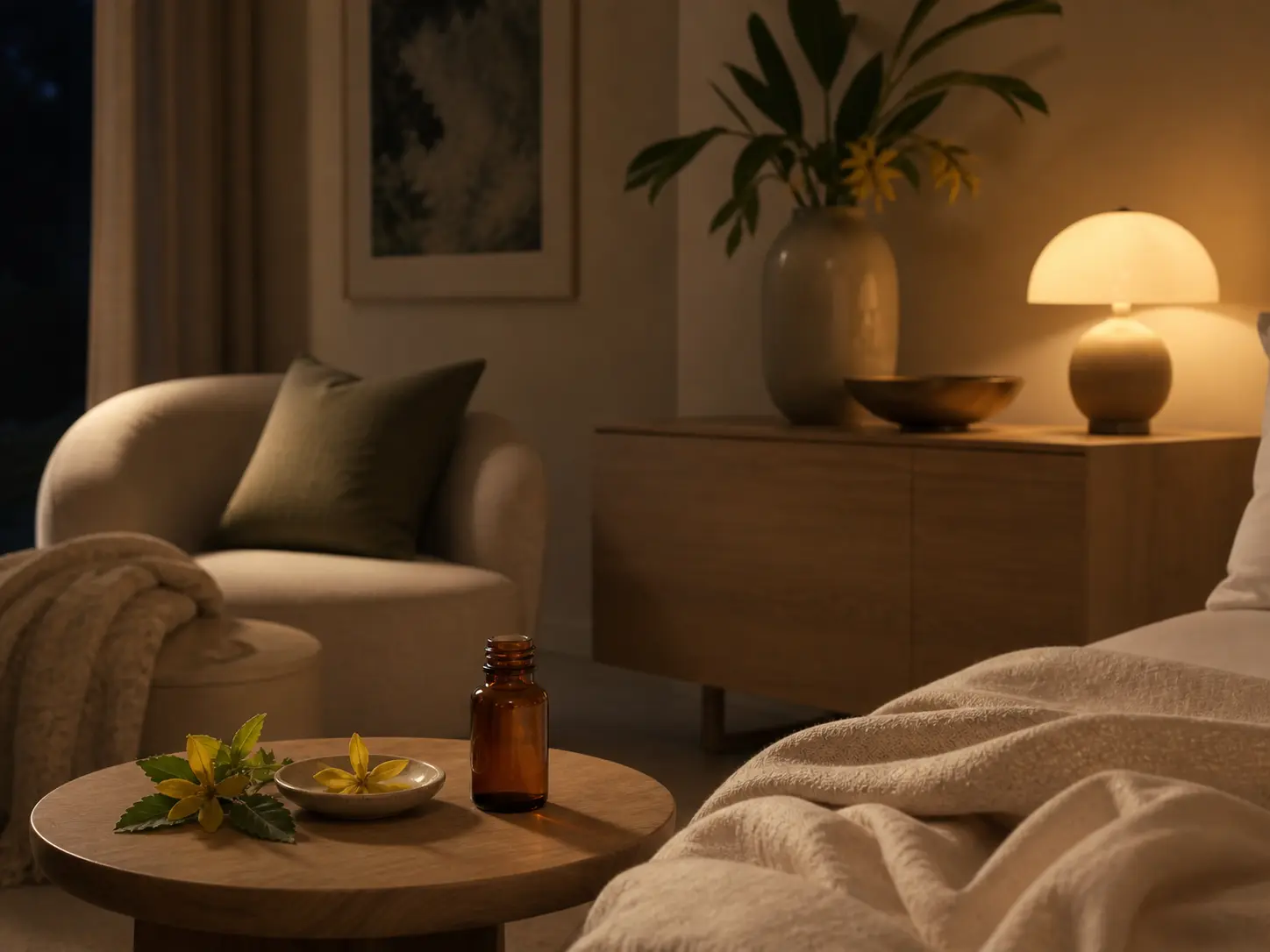
Ylang ylang is beautiful, but it is not casual. It can make a room feel lush, warm, and emotionally rounded, but it can also become too much very quickly. That is why the best home use of ylang ylang is not about making a room smell intensely floral. It is about knowing when a room needs lushness and then stopping before lush becomes heavy.
Ylang Ylang Essential Oil belongs in the careful-use category. It can soften a room, add warmth, and make an evening feel more sensorial, but it needs structure around it. Without restraint, it can become cloying. With restraint, it can be one of the most beautiful oils for making a room feel fuller and more emotionally present.
Quick Answer
Ylang ylang works best when a room needs softness, warmth, and a lush floral base, but it should be used very lightly. It is usually better as an accent than as the dominant scent in a diffuser blend.
Pair it with bergamot, sandalwood, cedarwood, lavender, or a small citrus note when you want a room to feel rounded and elegant without becoming heavy or perfume-like.
Ylang Ylang Needs a Light Hand
The first rule with ylang ylang at home is simple: start smaller. It is not an oil that needs to be loud to be noticed. Even a tiny amount can change the emotional texture of a blend, making it warmer, more rounded, and more floral. That power is useful, but it also means there is very little margin between beautiful and too much.
In a room, too much ylang ylang can feel dense. It may start as lushness and then become pressure. This is especially true in bedrooms, small sitting rooms, or spaces with heavy textiles. If the goal is comfort, restraint usually creates more comfort than intensity does. This is close to the logic in Why Diffusing Longer Usually Does Not Make a Blend Better.
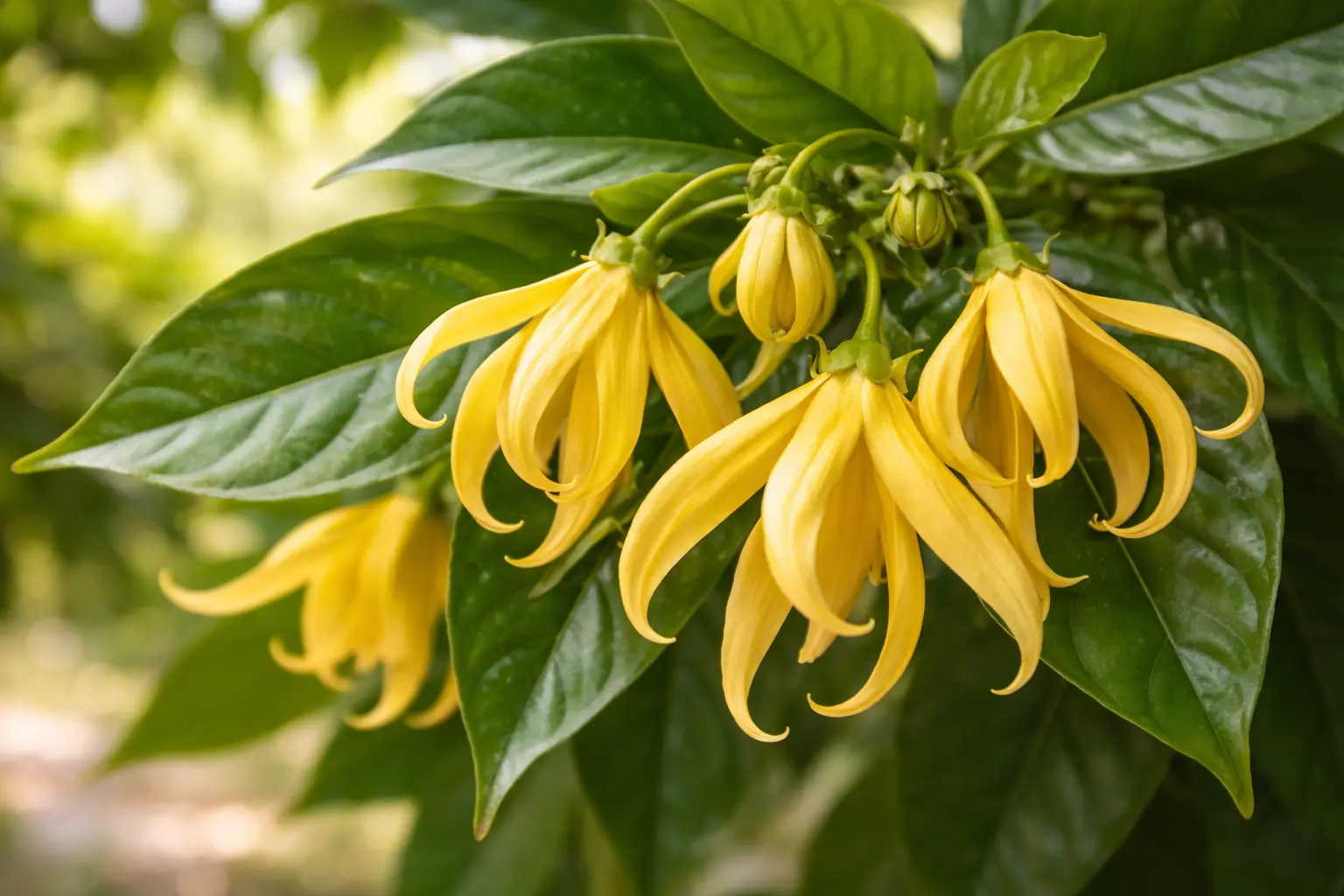
Where Ylang Ylang Fits Best
Ylang ylang often makes most sense in evening spaces that already want softness. A bedroom that feels too plain. A sitting room with warm light. A bath-adjacent routine where the room should feel relaxed but not spa-staged. A natural perfume mood where a floral heart needs more body. These are all good contexts, because the room is already asking for something rounded.
It is usually less convincing in fresh-start spaces, work zones, or bathrooms that need crispness. In those rooms, ylang ylang can feel out of step. A beautiful oil can still be the wrong oil for a room, and ylang ylang proves that point very clearly. Fit matters more than prestige.
How to Keep Lushness from Becoming Heavy
Pair ylang ylang with notes that give it air or structure. Bergamot can make it more elegant and less dense. Sandalwood can make it smoother, but that pairing needs restraint because both oils can feel rich. Cedarwood gives it a drier frame. Lavender softens it further, though the result may become very floral if the blend is not balanced. A tiny amount of citrus can keep the room from feeling too enclosed.
The room itself matters too. Ylang ylang works better in an aired, visually calm room than in a cluttered one. If the room is already full of texture, fragrance, laundry, or food smells, ylang ylang may feel like one more layer. If the room is calm and lightly prepared, the oil can feel much more graceful.
Use Ylang Ylang When the Room Needs Fullness
Some rooms feel sharp. Some feel stale. Some feel thin. Ylang ylang is most useful for the third kind. It can give a space more body and emotional warmth when everything feels a little too bare or functional. But that fullness should still leave room to breathe.
Used carefully, ylang ylang can make a room feel lush without making it feel trapped inside the scent. That is the balance worth aiming for.
Wellness
Essential Oils for a Calmer Evening Wind-Down Routine
A gentle, practical guide to using essential oils in an evening wind-down routine that softens the transition out of the day without turning bedtime into a big project.
Wellness
A Simple Aromatic Reset for Slow Weekend Mornings
A calm, readable guide to shaping a slow weekend morning with lighter scent, open windows, tea, journaling, and a home atmosphere that feels restorative instead of rushed.
Wellness
How to Choose the Lavender Mood That Actually Fits Your Routine
A practical guide to the different roles lavender can play in evening, linen, study, bedroom, and shared-space routines so it feels well-placed instead of automatic.
Wellness
12 Low-Effort Ways to Bring Lavender Essential Oil into Your Evening Routine
A lighter, more everyday guide to the small places lavender can fit into an evening routine when you want atmosphere, softness, and less friction instead of a complicated ritual.