
Get Closer to Lemon Essential Oil Through Fresh, Bright Home Habits
Home
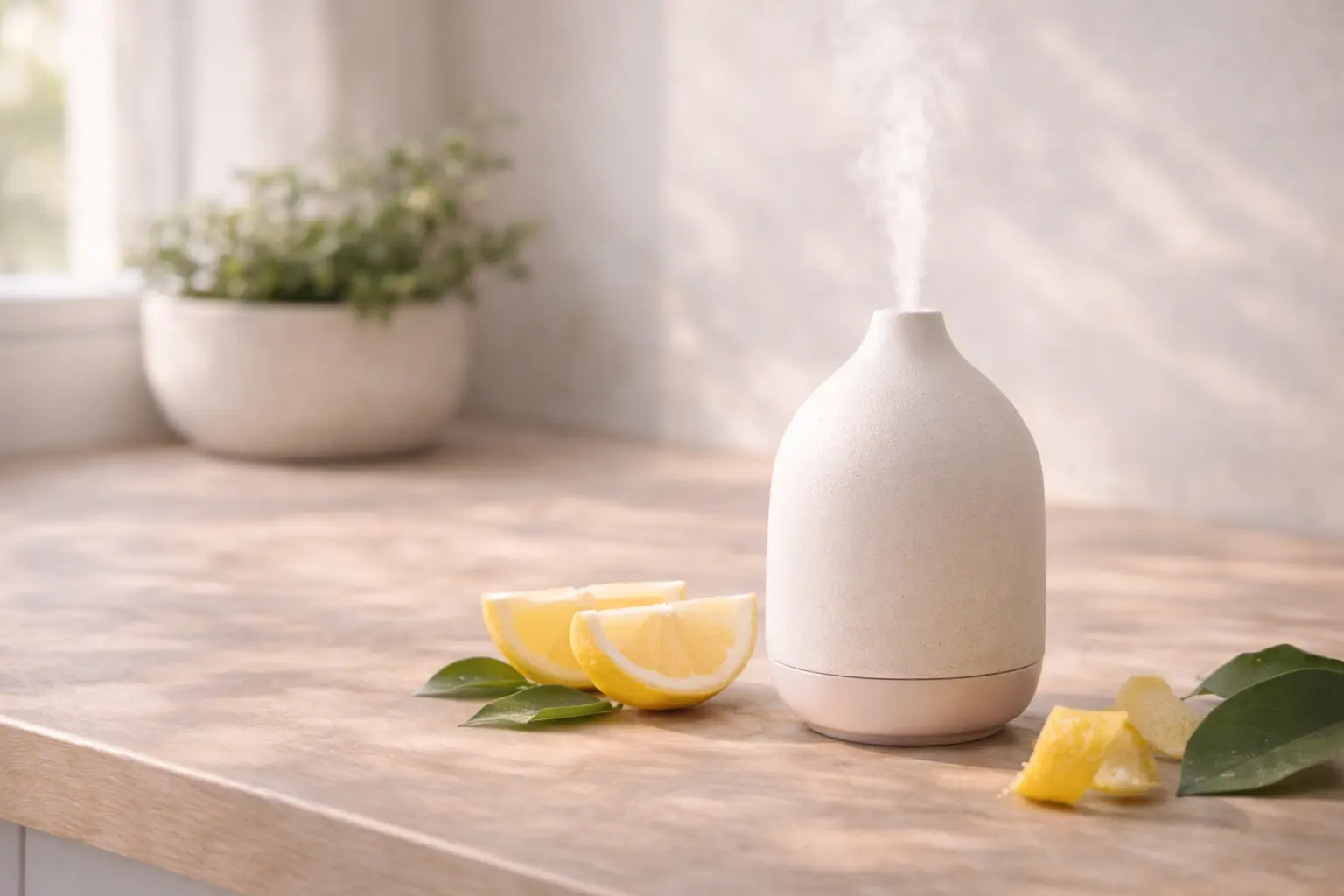
Lemon is one of those oils people think they already understand. It smells bright. It smells clean. It smells fresh. End of story. But that shortcut is also why lemon sometimes gets underused. When you treat it as only a generic fresh note, you miss what it actually does well in home life: it sharpens air, clarifies mood, cleans up visual heaviness, and gives ordinary routines a lighter edge without making them feel decorated.
A better way to get closer to lemon essential oil is to stop asking it to be a whole personality and start letting it be a habit oil. Lemon belongs in the kinds of routines that benefit from brightness, movement, and a feeling of reset. The oil becomes much more interesting when you meet it in those small moments instead of only smelling it straight from the bottle.
Quick Answer
Lemon essential oil works best when it is tied to bright, breathable habits: morning room resets, kitchen freshness, open-window cleaning rhythms, desk clear-outs, or quick diffuser sessions that wake a room up without making it feel cold.
If lemon keeps feeling too simple or too fleeting, it usually needs better context rather than more explanation. In real life, it becomes more memorable when it is placed next to air, light, rhythm, and a cleaner-feeling routine.
Lemon Is More Useful as a Habit Than a Statement
Some oils are most expressive when the room slows down around them. Lemon is usually the opposite. It comes alive when the room is moving toward freshness, not when it is sitting in fragrance for fragrance's sake. This is why lemon so often fits well into moments people already associate with reset: opening windows, clearing a countertop, resetting an entryway after people come and go, or making a small kitchen corner feel brighter after the practical part of cleaning is done.
That habit-based approach also protects lemon from one of its main disappointments: thinness. On its own, lemon can smell bright but brief. In the right routine, that brevity stops being a flaw and starts being part of the charm. A bright citrus note that arrives, clears the mood, and leaves before becoming sticky is often exactly what a real home wants.

The Bright Home Habits Where Lemon Makes the Most Sense
One of the easiest places to understand lemon better is the morning home reset. A room that has sat closed overnight often does not need perfume. It needs movement. A cracked window, a little tidying, maybe some clean surface work, and then a short lemon-led diffuser session can make the entire space feel more awake. The oil is not carrying the whole transformation. It is giving the reset a cleaner outline.
Lemon also makes sense in practical freshness routines that still want atmosphere. Kitchens, utility areas, desk zones, and entry transitions often respond well to oils that smell bright without becoming too decorative. That is why lemon keeps showing up across articles like How to Make a Home Smell Cleaner Without Making It Smell Stronger and How to Make an Entryway Smell Better Without Using Constant Fragrance. It gives clarity without demanding softness or sweetness.
Another strong use is what might be called the emotional housekeeping role of lemon. Not every reset is about dirt or clutter. Sometimes the room just feels mentally stale. Lemon can help signal a shift into a clearer headspace, especially when combined with a smaller task: putting a few things away, refreshing a work surface, or airing out a study corner before you start again.
Lemon Gets Better When It Has a Partner
Because lemon is so bright, it often becomes more satisfying when something steadies it. Rosemary gives it shape. Eucalyptus radiata adds movement and cleaner lift. Lavender softens the edges if the room needs gentleness rather than sharpness. Even when lemon remains the most obvious note, those quieter partners help it feel less like a quick flash and more like a true room direction.
This is especially important if you have ever found lemon disappointing in a diffuser. The issue is not usually that lemon is weak. It is that the room may be asking for more structure than lemon naturally provides on its own. Once you start listening for that difference, lemon becomes much easier to place well.
What Lemon Is Not Great At
Lemon is not always the right oil for emotional softness. It can feel too brisk for rooms that need cocooning, grounding, or deeper evening calm. It also does not reliably fix a room that already smells crowded. In that situation, lemon often sits on top of the problem and makes the room feel fresh and stale at the same time. If the space is already carrying too many messages, the better move is to edit first and scent second.
That is why getting closer to lemon also means learning when not to reach for it. A room that wants warmth may do better with sweet orange or frankincense. A room that wants gentleness may do better with lavender or chamomile. Lemon is most convincing when the job truly is brightness, lift, and a cleaner-feeling line.
The Best Way to Learn Lemon Is to Use It in Motion
Lemon becomes more itself when it is allowed to move with real life. Open the window. Reset the counter. Clear the desk. Lighten the bathroom air. Let it accompany a room that is already trying to feel more breathable. Once you experience it that way a few times, the oil stops being merely familiar and starts becoming specific. That is usually when people begin to like it more.
Home
How to Choose the Right Diffuser for Each Room
A practical room-by-room guide to choosing diffuser size, intensity, timing, and placement for bedrooms, living rooms, work corners, entryways, and bathrooms.

Home
How to Freshen Laundry and Linens with Essential Oils
Freshen laundry, bed linens, towels, closets, and fabric routines with essential oils in a simple, clean-feeling, safety-first way.

Home
Essential Oils for a Guest-Ready Living Room
Create a welcoming living-room atmosphere with essential oils that feel polished, lived-in, and guest-ready without turning the room overly sweet or heavy.
Home
How to Clean an Essential Oil Diffuser
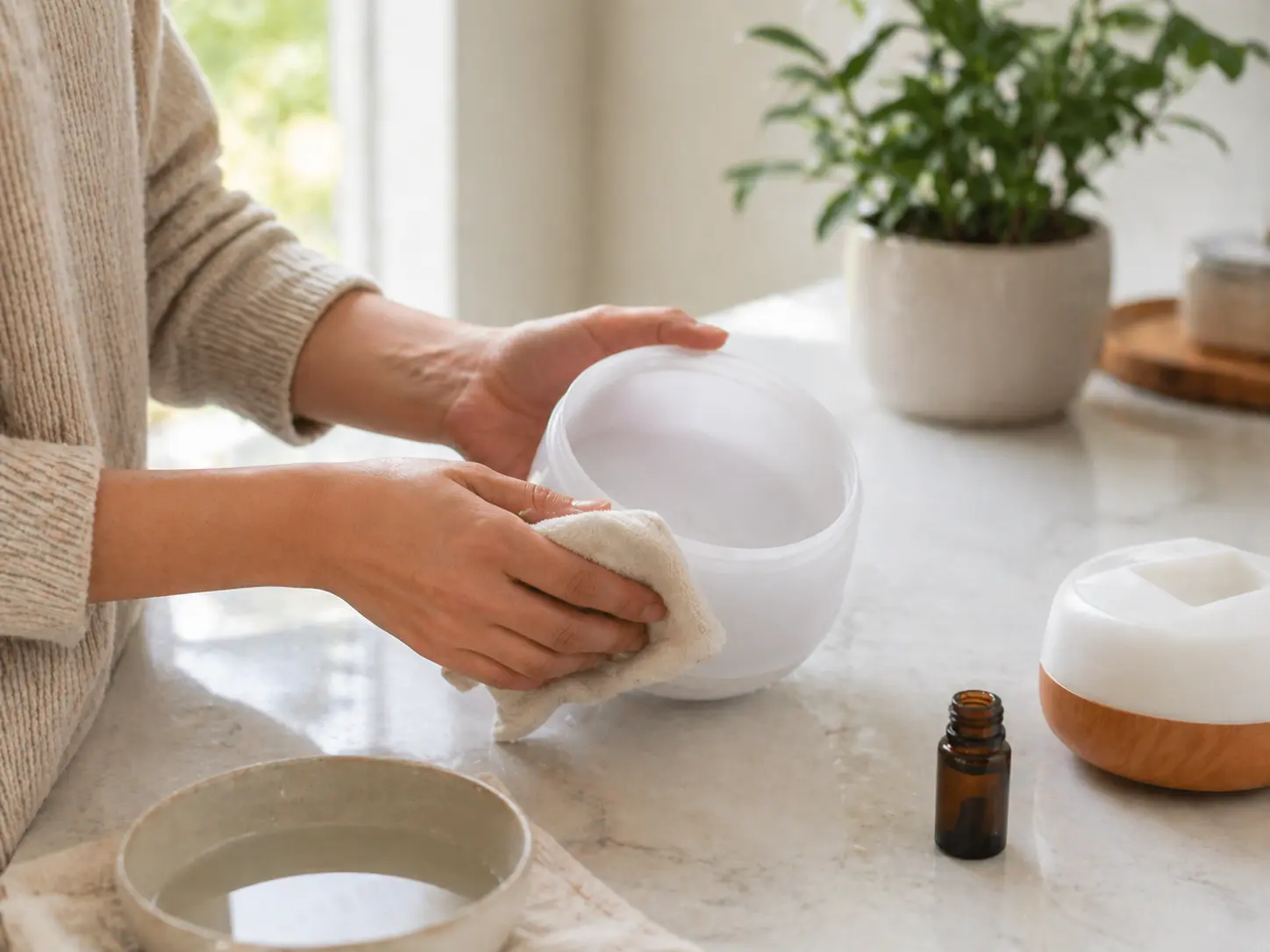
A practical, safety-first guide to cleaning an essential oil diffuser so it runs better, smells fresher, and fits cleanly into a real home routine.
Further Reading and Sources
These reads help place lemon inside practical home life rather than generic freshness language.
- Lemon Essential Oil
- How to Make a Home Smell Cleaner Without Making It Smell Stronger
- Open-Window Spring Scent Ideas for a Lighter Home Mood
- Small Home Odor Hotspots: Trash Can, Sink, Vacuum, and Entryway
- Plant Therapy: Lemon Essential Oil Benefits and Uses
- Cold Pressed vs Steam Distilled Citrus Oils