
Sweet Orange Essential Oil
Essential Oils
Sweet orange essential oil is a warm, cheerful citrus oil usually expressed from the peel of Citrus sinensis. It is loved for its juicy, familiar, sunny aroma and is often used in diffuser blends, room sprays, body-care products, cleaning-adjacent DIY recipes, and bright home fragrance routines.
Sweet orange is one of the most approachable essential oils for beginners because its scent is instantly recognizable and generally softer than sharper citrus oils such as lemon or lime. Even so, it is still a concentrated peel oil. It should be diluted for skin use, stored carefully to reduce oxidation, and used thoughtfully around children, pets, pregnancy, nursing, asthma, allergies, and scent-sensitive people.
Quick Answer
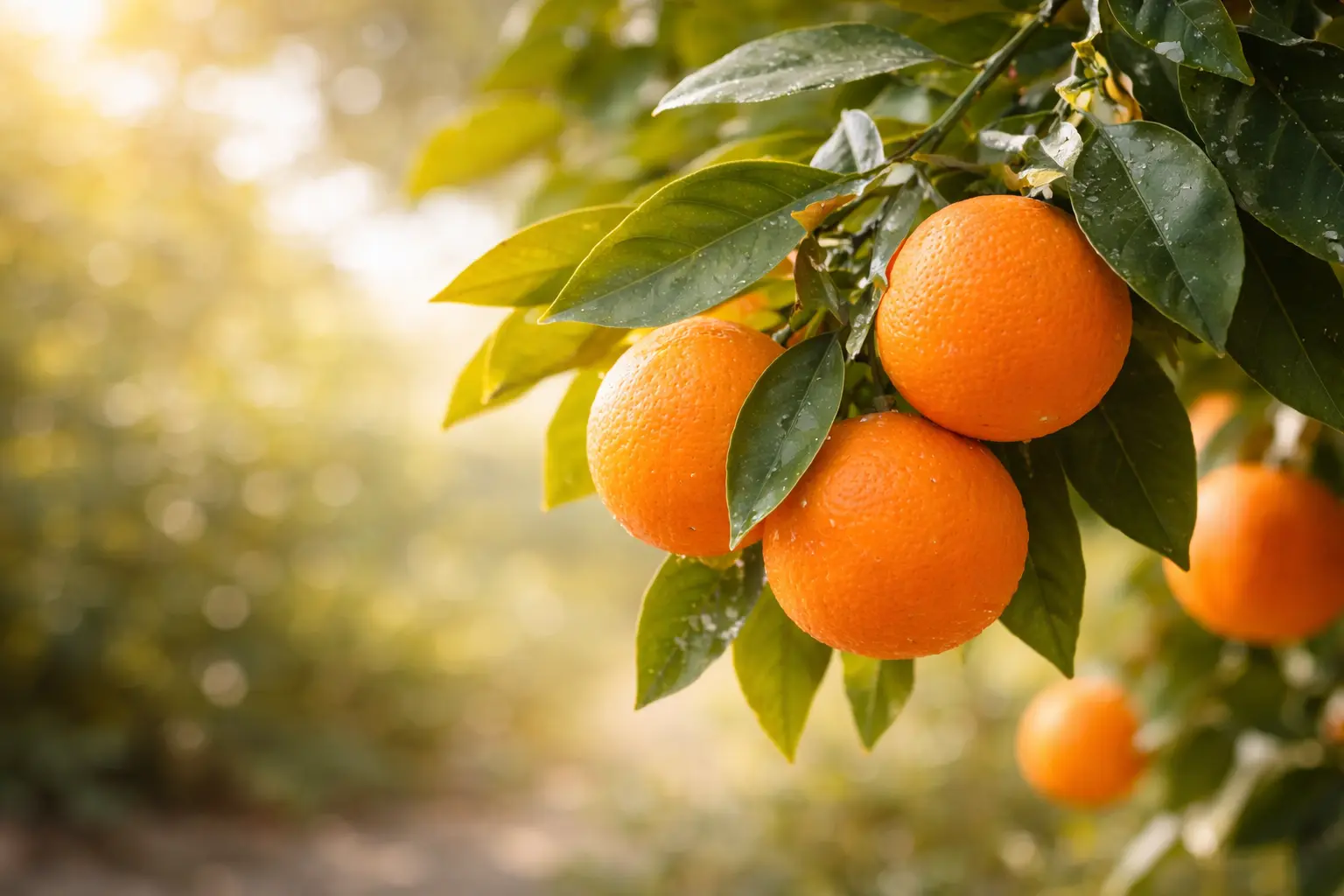
Sweet orange essential oil is a concentrated citrus oil most often expressed from the peel of Citrus sinensis. It has a sweet, juicy, warm citrus aroma and is commonly used in cheerful diffuser blends, room sprays, body-care formulas, and fresh home routines. It is usually considered gentler in aroma than lemon or peppermint, but it should still be diluted before topical use and stored well because citrus oils can oxidize over time.
Quick Facts
Common name:
Sweet orange
Botanical name:
Citrus sinensis
Plant family:
Rutaceae
Plant part:
Fruit peel
Extraction:
Expression, usually cold pressing
Aroma:
Sweet, citrus, warm, juicy
Aroma note:
Top note
What Is Sweet Orange Essential Oil?
Sweet orange essential oil is usually produced by mechanically expressing the outer peel of Citrus sinensis fruit. The aromatic oil is stored in tiny glands in the peel, which is why a freshly peeled orange releases such a strong and familiar scent.
The oil is usually thin, bright, and orange to yellow-orange in color. Its aroma is sweet, juicy, cheerful, citrusy, and gently sparkling. Compared with lemon, sweet orange usually feels rounder, warmer, less tart, and less sharp.
Sweet orange belongs to the Rutaceae family, the citrus family. This connects it botanically with lemon, bergamot, grapefruit, lime, mandarin, bitter orange, neroli, and petitgrain. These citrus oils share family similarities, but they are not interchangeable. The plant part, extraction method, aroma, and safety profile all matter.
Sweet orange essential oil is not the same thing as orange juice, orange zest, orange extract, orange flavoring, or dried orange peel. It is a concentrated aromatic material and should be used with essential oil safety in mind.
Sweet Orange Plant History and Traditional Use
Sweet orange has a long history as a cultivated fruit, culinary ingredient, fragrant peel, and symbol of warmth and abundance. The sweet orange is thought to have originated from older citrus lineages in Asia and gradually spread through trade and cultivation into the Middle East, the Mediterranean, and eventually warm growing regions around the world.
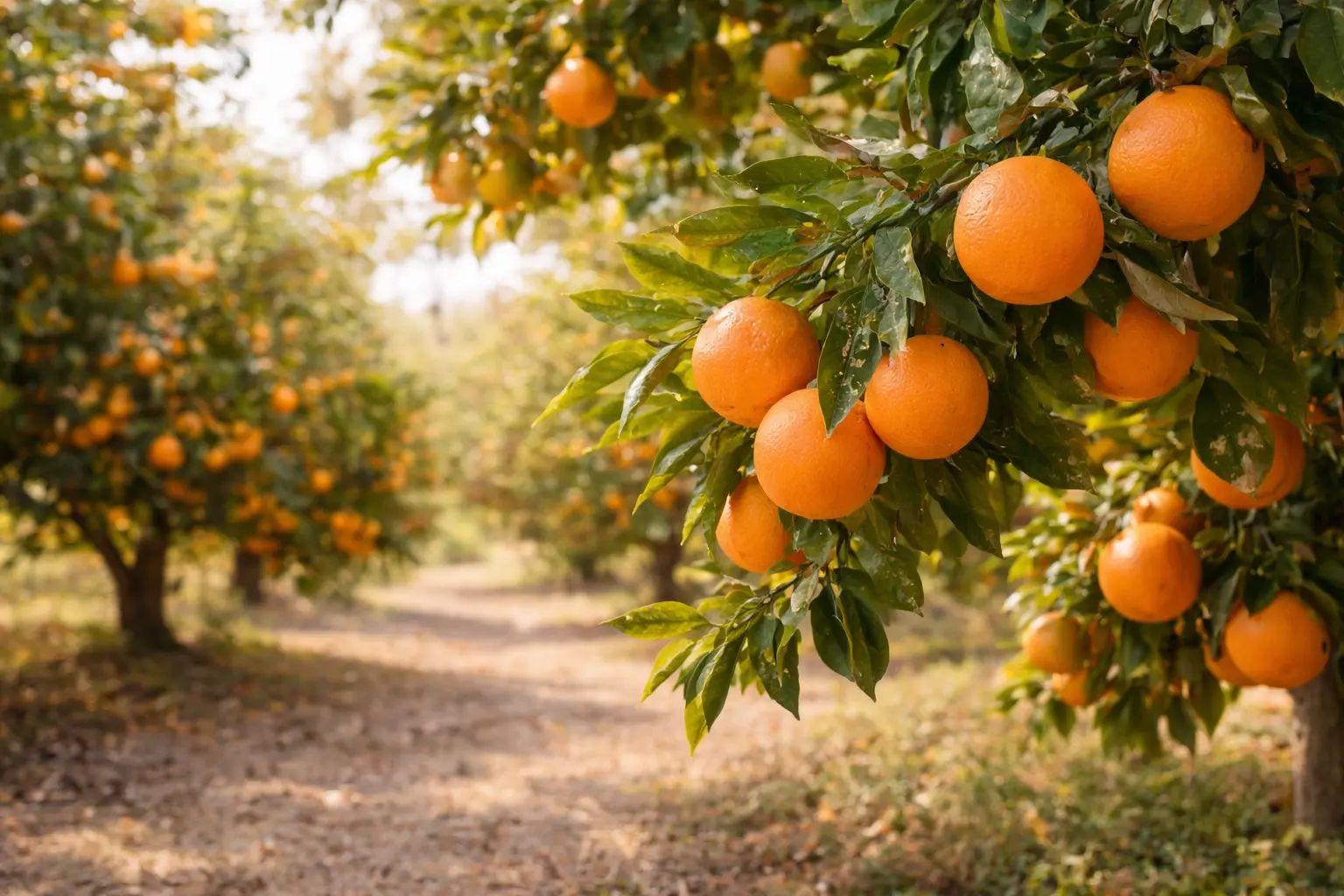
Historically, oranges were valued both as food and as fragrant botanical material. The fruit became associated with hospitality, celebration, winter brightness, and trade. Orange peel was used in sweets, preserves, beverages, liqueurs, perfumery, and household scenting traditions.
In many cultures, oranges came to symbolize good fortune, generosity, sweetness, and the return of light during darker seasons. Their vivid color and fragrant peel made them feel precious before global shipping made citrus fruit ordinary in many parts of the world.
These traditional uses belong to the fruit, peel, and whole plant context. Modern sweet orange essential oil is a concentrated peel extract, so it should not be treated exactly like eating an orange or using fresh peel in cooking.
What Does Sweet Orange Essential Oil Smell Like?
Sweet orange essential oil smells warm, juicy, sweet, citrusy, bright, and familiar. It has a sunny top note that feels softer and more rounded than lemon. Many people find it cheerful without being piercing.
Compared with lemon, sweet orange is less tart and more mellow. Compared with bergamot, it is less floral and less complex. Compared with grapefruit, it is sweeter and less bitter. Compared with peppermint, it feels warm and friendly rather than cool and intense.
Sweet orange blends beautifully with lavender, cedarwood atlas, frankincense, bergamot, lemon, rosemary, clary sage, roman chamomile, patchouli, ginger, cinnamon leaf, clove bud, and many conifer oils. In blends, it often acts like light through a window: it softens, brightens, and makes the formula feel more approachable.
Common Uses of Sweet Orange Essential Oil
Sweet orange essential oil is often chosen when a blend needs warmth, brightness, friendliness, or a cheerful citrus top note. It is common in diffuser blends, room sprays, body oils, bath products, soaps, natural perfumes, cleaning-adjacent recipes, and cozy seasonal blends.
Because the scent is so familiar and pleasant, sweet orange is easy to overuse. A few drops can make a blend feel sunny; too much can make it smell flat, candy-like, or overly sweet. It usually works best when paired with herbs, woods, resins, florals, or spices.
Cheerful Diffuser Blends
Sweet orange is one of the easiest oils to use in a diffuser. It makes a room feel warm and welcoming, especially when paired with lavender, frankincense, cedarwood atlas, bergamot, rosemary, or gentle spice notes.
In morning blends, sweet orange can feel bright and upbeat. In evening blends, it can soften stronger oils and add a comforting citrus warmth. It is less sharp than lemon, so it works well when the goal is cheerful rather than crisp.
Warm Home Fragrance
Sweet orange is popular in home fragrance because it smells familiar, clean, and friendly. It can make a room feel lighter without the “cleaning product” edge that lemon sometimes brings.
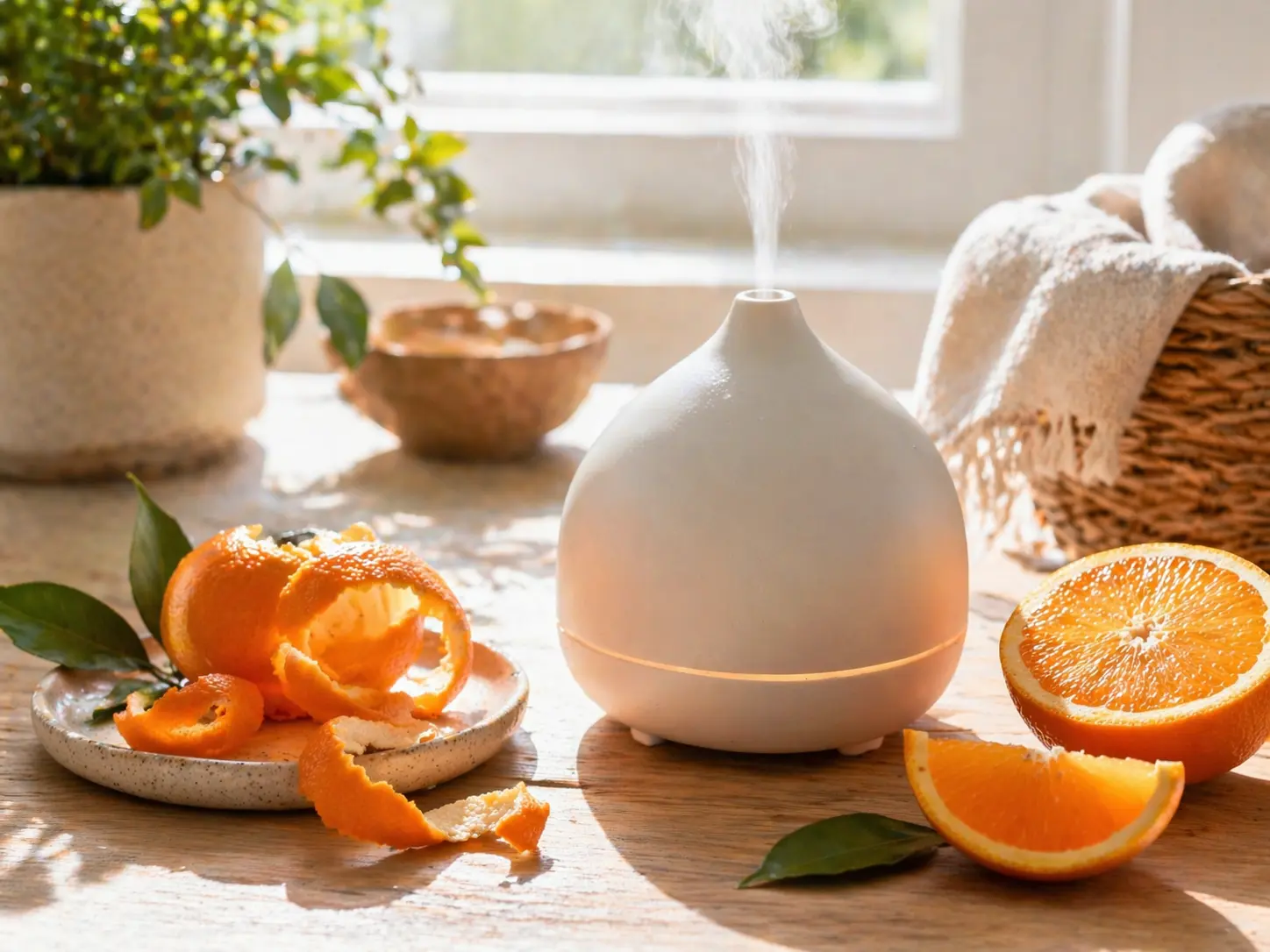
It is especially useful in living rooms, kitchens, entryways, and daytime workspaces, as long as the space is ventilated and the scent is not overwhelming. In shared spaces, keep blends gentle and avoid assuming everyone enjoys strong citrus fragrance.
Relaxation and Comfort Routines
Sweet orange is often used in relaxation blends because it feels emotionally warm without being heavy. It pairs beautifully with lavender, roman chamomile, frankincense, cedarwood atlas, and clary sage in quiet evening routines.
This does not mean sweet orange treats stress, anxiety, or sleep problems. It is better described as an aromatic support for a calming atmosphere, especially when paired with other helpful habits such as dim lighting, quiet time, a bath, journaling, or a slower bedtime routine.
Body Care and Massage Blends
Sweet orange can add a pleasant citrus note to adult massage oils, body oils, scrubs, balms, and lotions. It is often used when a product needs to feel warm, friendly, and approachable.
For leave-on skin products, dilution still matters. Citrus oils can irritate skin when used too strongly or when old and oxidized. If using sweet orange in body oils or lotions, keep the dilution low and avoid applying to broken, irritated, or highly sensitive skin.
Bath and Shower Products
Sweet orange is popular in soaps, shower gels, bath salts, scrubs, and bath oils. Its scent pairs well with vanilla-like notes, woods, florals, resins, and warm spices.
Essential oils should not be dropped directly into bathwater without proper dispersion. They can float on the surface and contact the skin undiluted. Use a properly formulated bath product or dispersing base instead.
Cleaning-Adjacent DIY Recipes
Sweet orange is often used in cleaning-adjacent recipes because it smells fresh and cheerful. It can make room sprays, surface-scenting recipes, and household blends feel warmer and less sharp than lemon-heavy formulas.
However, a pleasant citrus scent does not make a recipe safe for every surface, child, pet, or situation. Avoid spraying essential oil blends near eyes, food preparation surfaces, polished wood, delicate fabrics, pets, or poorly ventilated areas unless the formula is appropriate for that use.
Seasonal and Holiday Blends
Sweet orange is a beautiful bridge between fresh and cozy. In autumn and winter blends, it pairs well with cedarwood atlas, frankincense, cinnamon leaf, clove bud, ginger, cardamom, and black spruce. In spring and summer blends, it pairs well with lavender, lemon, bergamot, rosemary, and roman chamomile.
When blending with strong spice oils such as cinnamon or clove, keep the total amount low and use extra caution for skin. Spice oils can be much more irritating than sweet orange itself.
Quick Tips for Using Sweet Orange Essential Oil
Sunny Room Blend
Add 3 drops sweet orange, 2 drops lavender, and 1 drop frankincense to a diffuser for a warm, cheerful room scent. Keep the space ventilated.
Soft Body Oil
Dilute 1 drop sweet orange essential oil in 1 teaspoon of carrier oil for a simple adult body oil. Avoid irritated skin and do not use old or oxidized citrus oil on skin.
Cozy Citrus
Pair sweet orange with cedarwood atlas or frankincense when you want a warm citrus blend that feels less sharp than lemon.
How to Use Sweet Orange Essential Oil Safely
Sweet orange essential oil is often described as gentle and beginner-friendly, but it is still a concentrated citrus peel oil. The main safety topics are dilution, oxidation, eye contact, children, pets, internal use, and surface safety in home-care recipes.
Sweet orange is generally considered a lower phototoxicity concern than citrus oils such as bergamot, expressed lime, or some lemon oils. However, product guidance can vary, and citrus safety depends on oil type, extraction method, concentration, and use pattern. If you are using any citrus oil in a leave-on product before sun exposure, it is wise to check the specific oil and supplier guidance.
Simple Dilution Guidance
For general adult body use, a 1% dilution is a comfortable beginner starting point. This means about 1 drop of sweet orange essential oil per teaspoon of carrier oil. For sensitive skin, facial use, frequent use, or blends containing other strong oils, use less.
Because sweet orange smells pleasant and food-like, it can be tempting to use a lot. More is not better. A small amount usually gives enough aroma, especially in leave-on products or diffuser blends.
Phototoxicity Guidance
Phototoxicity is mainly a concern with certain expressed citrus peel oils that contain furanocoumarins. Sweet orange is commonly treated as much less concerning than bergamot or expressed lime, and many aromatherapy safety discussions consider expressed sweet orange generally not phototoxic in typical use.
Still, it is better not to make blanket promises. If you are making leave-on skin products for sun-exposed areas, check the exact oil, extraction method, and supplier safety documentation. When uncertain, use conservative dilution, avoid sun-exposed application, or choose a clearly non-phototoxic option.
Diffusion Guidance
For a typical room diffuser, sweet orange can be used at around 3 to 5 drops total blend. It is often pleasant on its own, but it becomes more interesting when blended with lavender, lemon, bergamot, cedarwood atlas, frankincense, rosemary, or roman chamomile.
Diffuse intermittently rather than continuously. Even friendly citrus aromas can cause discomfort if used too strongly or for too long. Keep the room ventilated and stop diffusing if anyone notices headache, nausea, irritation, or scent fatigue.
Topical Guidance
For skin use, dilute sweet orange essential oil in a carrier oil, lotion, balm, scrub, cleanser, or properly formulated product. Good carrier choices include jojoba, sunflower oil, sweet almond oil, apricot kernel oil, grapeseed oil, and fractionated coconut oil.
Avoid applying sweet orange essential oil near the eyes, inside the ears, inside the nose, around the mouth, on mucous membranes, or on broken and irritated skin. Patch testing is useful if you have sensitive skin, eczema, allergies, or a history of fragrance reactions.
Oxidation and Storage
Citrus oils are prone to oxidation. Sweet orange oil can lose its fresh, juicy aroma over time, especially when exposed to heat, light, oxygen, and repeated opening.
Store sweet orange essential oil tightly closed, away from heat and direct light. A cool, dark place is best. If the oil smells dull, stale, sticky, harsh, or noticeably different from fresh orange peel, avoid using it on skin.
Children, Pets, Pregnancy, and Home Use
Sweet orange may smell gentle, but essential oil bottles should still be kept out of reach of children. The food-like aroma makes safe storage especially important.
Do not apply sweet orange essential oil directly to pets. If diffusing in a home with animals, keep diffusion light, ventilated, and optional by allowing pets to leave the room. Cats, birds, and small animals can be especially sensitive to essential oils.
During pregnancy or nursing, low-level diffusion or properly diluted topical use may be acceptable for some people, but individual context matters. Avoid casual internal use and seek professional guidance when unsure.
Sweet Orange Diffuser Blends
Sweet orange is a generous blending oil: it softens sharp notes, warms florals, brightens woods, and makes resinous oils feel more approachable. It is especially useful when a blend needs a friendly citrus lift.
Morning Glow
A bright, cheerful citrus-herbal blend for a fresh daytime atmosphere.
Soft Sunshine
- 3 drops sweet orange
- 2 drops lavender
- 1 drop frankincense
A warm, gentle blend that feels calm, bright, and softly comforting.
Cozy Orchard
- 3 drops sweet orange
- 2 drops cedarwood atlas
- 1 drop bergamot
A rounded citrus-wood blend with a warm, elegant, slightly cozy character.
Sweet Orange Essential Oil in DIY Recipes
Sweet orange essential oil can be useful in DIY recipes when a formula needs warmth, sweetness, and a friendly citrus top note. It appears often in room sprays, diffuser blends, body oils, scrubs, soaps, bath products, cleaning-adjacent recipes, and seasonal home fragrance blends.
For beginner DIY, sweet orange is easy to pair. It works beautifully with lavender, lemon, bergamot, frankincense, cedarwood atlas, rosemary, roman chamomile, clary sage, and gentle spice notes. It can soften medicinal oils like tea tree and brighten heavier base notes.
For skin products, keep the dilution low and use fresh oil. Citrus oils are more vulnerable to oxidation than many heavier oils, so old sweet orange oil is better reserved for non-skin aromatic use or discarded if the aroma has changed noticeably.
Frequently Asked Questions
Is sweet orange essential oil phototoxic?
Sweet orange is generally considered much less of a phototoxicity concern than bergamot, expressed lime, or some lemon oils, and it is often treated as non-phototoxic in typical aromatherapy use. Still, check the exact oil, extraction method, and supplier guidance if using it in leave-on products before sun exposure.
Can sweet orange essential oil be applied directly to skin?
It is better to dilute sweet orange essential oil before applying it to skin. Undiluted use can increase the risk of irritation, especially with sensitive skin, repeated use, or oxidized oil.
Can I put sweet orange essential oil in water?
Essencyclopedia does not recommend casually adding sweet orange essential oil to drinking water. Orange juice, orange zest, and sweet orange essential oil are not the same thing. Internal essential oil use requires appropriate formulation, dose control, and professional guidance.
Is sweet orange essential oil safe for children?
Sweet orange should still be used cautiously around children. Keep bottles out of reach, avoid undiluted application, use low amounts in well-ventilated spaces, and remember that the sweet food-like smell can attract curious children.
Is sweet orange essential oil safe for pets?
Do not apply sweet orange essential oil directly to pets. If diffusing in a home with pets, use very small amounts, ventilate well, and make sure the animal can leave the room. Avoid diffusion around birds, small animals, young pets, or animals with health problems.
What oils blend well with sweet orange essential oil?
Sweet orange blends well with lavender, lemon, bergamot, rosemary, frankincense, cedarwood atlas, roman chamomile, clary sage, patchouli, ginger, and gentle spice oils. It is especially useful when a blend needs warmth and friendliness.
Can sweet orange essential oil be used for cleaning?
Sweet orange is often used in cleaning-adjacent recipes because of its cheerful citrus scent. It should still be used carefully, kept away from children and pets, and not sprayed on delicate surfaces, food areas, or near the eyes unless the formula is appropriate for that use.
Sweet Orange Essential Oil, Spirituality, and Symbolism
The main sections above focus on botanical information, practical use, dilution, and safety. Sweet orange also has a symbolic and spiritual life, shaped by its associations with warmth, joy, abundance, generosity, and gentle optimism.
Joy and Warmth
Sweet orange’s round, sunny aroma makes it a natural symbol of joy and warmth. In reflective routines, it may represent friendliness, emotional generosity, and the simple pleasure of returning to brightness.
Abundance and Celebration
Because oranges have historically been valued as seasonal gifts, festive foods, and vivid winter fruits, sweet orange can symbolize abundance and celebration. Its scent can bring a sense of welcome without becoming heavy or solemn.
Solar Plexus and Heart Associations
In some contemporary aromatherapy and energy-work traditions, sweet orange is associated with the solar plexus because of its connection with confidence and vitality, and with the heart because of its warm, generous emotional tone. These are symbolic uses, not medical claims.
Safety Notes for Sweet Orange Essential Oil
Sweet orange essential oil should be diluted before topical use and kept away from the eyes, inner ears, nose, mouth, mucous membranes, and broken or irritated skin. It is often gentle in aroma, but it can still irritate skin when used too strongly or when old and oxidized.
Sweet orange is generally considered a lower phototoxicity concern than certain other expressed citrus oils, but avoid making assumptions when formulating leave-on products for sun-exposed skin. Check the exact oil, extraction method, and supplier safety information, especially if using higher concentrations or blending with other citrus oils.
Do not ingest sweet orange essential oil as a casual home practice. Orange juice, orange zest, and sweet orange essential oil are different materials. Internal essential oil use requires professional guidance, appropriate formulation, and careful dose control.
Use extra caution around children, pets, pregnancy, nursing, asthma, allergies, sensitive skin, complex medical conditions, and medication use. Do not apply sweet orange essential oil directly to pets, and keep diffusion light, brief, and well ventilated if animals are in the home.
Store sweet orange essential oil tightly closed, away from heat and light. Citrus oils can oxidize over time, and old or poorly stored oil may be more irritating. If the aroma becomes dull, sticky, harsh, stale, or noticeably changed, avoid using it on skin.
Further Reading and Sources
For a broader understanding of sweet orange essential oil, citrus safety, and responsible aromatherapy practice, these resources are useful starting points:
- Tisserand Institute: Phototoxicity, Essential Oils, Sun and Safety
- Tisserand Institute: Citruses, a Comparison of Different Oils
- PubMed: Citrus sinensis Essential Oil Systematic Review
- PubMed: Citrus sinensis Essential Oil Antioxidant and Antimutagenic Study
This article is educational and does not replace medical advice. If you are pregnant, nursing, taking medication, managing a medical condition, preparing essential oil products for children or pets, or considering internal use, consult an appropriately qualified professional.