
Lemon Essential Oil
Essential Oils
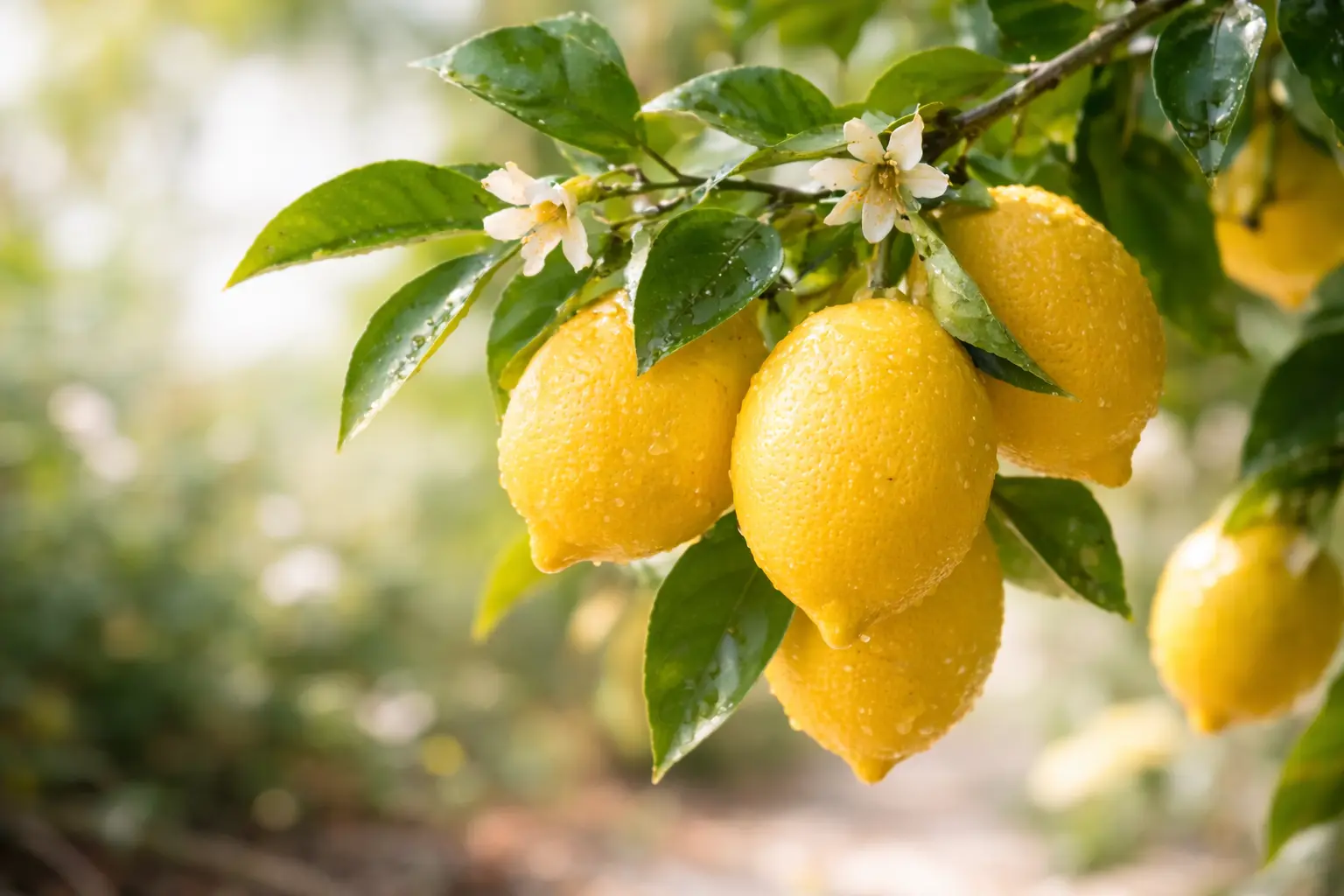
Lemon essential oil is a bright, crisp citrus oil usually expressed from the peel of Citrus limon. It is loved for its fresh, clean, zesty aroma and is often used in diffuser blends, room sprays, cleaning-adjacent DIY recipes, daytime routines, and cheerful home fragrance blends.
Lemon feels simple and familiar because the fruit is so common, but the essential oil still needs thoughtful use. Cold-pressed lemon oil can raise phototoxicity concerns when used in leave-on skin products before UV exposure, and oxidized citrus oils may become more irritating to the skin. Use it lightly, store it well, and treat it as a concentrated aromatic material rather than ordinary lemon juice or lemon peel.
Quick Answer
Lemon essential oil is a concentrated citrus oil most often expressed from the peel of Citrus limon. It has a bright, fresh, zesty aroma and is commonly used in diffuser blends, room sprays, fresh home-care recipes, and cheerful daytime routines. For skin use, it should be diluted carefully, and cold-pressed lemon oil should not be used on sun-exposed skin unless phototoxicity has been properly considered.
What Is Lemon Essential Oil?
Lemon essential oil is usually produced by mechanically expressing the outer peel of Citrus limon fruit. Unlike many essential oils that are steam distilled from leaves, flowers, bark, or roots, lemon oil is most commonly pressed from the aromatic rind. This is where much of the lemon’s bright citrus scent is concentrated.
The oil is thin, fresh-smelling, and usually pale yellow to yellow-green. Its aroma is immediately recognizable: crisp, juicy, tart, clean, lightly sweet, and sparkling. It is one of the easiest essential oils for beginners to understand because the scent closely resembles fresh lemon peel.
Lemon belongs to the Rutaceae family, the citrus family. This connects it botanically with sweet orange, bergamot, grapefruit, lime, mandarin, and bitter orange. Citrus oils share a bright peel-based aromatic character, but they are not interchangeable. Each citrus oil has its own aroma profile and safety considerations.
Lemon essential oil is not the same thing as lemon juice, lemon zest, lemon extract, lemon flavoring, or dried lemon peel. It is a concentrated aromatic oil and should be handled with more care than ordinary culinary lemon.
Lemon Plant History and Traditional Use
Lemon has a long history as a culinary, household, fragrant, and symbolic fruit. Its exact early origins are complex, but lemons are thought to have developed from older citrus lineages in Asia before spreading through trade, cultivation, and migration into the Middle East, the Mediterranean, and eventually many warm regions around the world.

In Mediterranean food traditions, lemon became an important culinary ingredient because of its sharp juice, fragrant peel, and ability to brighten dishes. The fruit was used with fish, vegetables, preserves, drinks, sweets, and sauces. Lemon peel also became valued for its aroma, especially in confections, liqueurs, perfumery, and household preparations.
Historically, lemons also became associated with cleanliness and freshness. Before modern cleaning products, fresh lemon, citrus peels, vinegar, herbs, and soap were all part of practical household routines. These traditional uses belong to the fruit and peel themselves, not automatically to modern concentrated lemon essential oil.
In cultural symbolism, lemon often carries meanings of brightness, purification, refreshment, clarity, and vitality. Its sharp scent and vivid color make it feel like sunlight in botanical form: clean, clear, and hard to ignore.
What Does Lemon Essential Oil Smell Like?
Lemon essential oil smells bright, zesty, fresh, tart, crisp, and lightly sweet. It has a fast-opening top note that reaches the nose quickly and can make a blend feel instantly cleaner or more energetic.
Compared with sweet orange, lemon is usually sharper, brighter, and more tart. Sweet orange feels rounder and warmer, while lemon feels cleaner and more sparkling. Compared with bergamot, lemon is less floral and less tea-like, with a more straightforward citrus peel character.
Lemon can lift heavy blends, brighten herbal notes, soften the medicinal edge of tea tree, and add freshness to woods such as cedarwood atlas or resins such as frankincense.
Common Uses of Lemon Essential Oil
Lemon essential oil is often chosen when a blend needs to feel fresh, bright, clean, cheerful, or mentally clear. It is common in diffuser blends, room sprays, surface-scenting recipes, homemade cleaning-adjacent blends, bath and shower products, and simple daytime routines.
Its familiarity makes it easy to use, but also easy to overuse. Lemon is best treated as a lively top note: a small amount can make a blend sparkle, while too much can become sharp or one-dimensional.
Fresh Diffuser Blends
Lemon is one of the most popular diffuser oils because it quickly makes a room smell brighter. It blends well with herbal oils, woods, resins, florals, and other citrus oils. A few drops can make a room feel clean and awake without becoming heavy.
For daytime diffusion, lemon pairs especially well with peppermint, rosemary, eucalyptus radiata, tea tree, and sweet orange. For softer blends, it can be balanced with lavender, frankincense, or cedarwood atlas.
Clean Home Fragrance
Lemon’s scent is strongly associated with freshness, which is why it appears so often in home fragrance and cleaning-inspired blends. It can help a room smell lighter, brighter, and less stale.

In home-care recipes, lemon essential oil should still be used thoughtfully. A fresh scent does not guarantee that a recipe is safe for every surface, pet, child, or person in the home. Avoid spraying essential oil blends near eyes, food preparation areas, delicate surfaces, polished wood, or pets unless the formula is designed for that use.
Daytime Energy and Workspaces
Lemon is often used in workspaces because it feels clear and upbeat. Its aroma can mark the start of a focused routine, especially when paired with fresh air, a clean desk, natural light, and a short list of tasks.
For a work or study blend, lemon can be paired with rosemary, peppermint, or eucalyptus radiata. Use a light hand, especially in small rooms or shared spaces, because bright citrus oils can become too sharp if overused.
Bath, Shower, and Body-Care Products
Lemon can smell beautiful in shower products, soaps, body scrubs, and bath blends, but skin safety matters. Cold-pressed lemon oil may be phototoxic in leave-on products if used at unsafe levels before UV exposure. Wash-off products carry much less concern, but they still need proper formulation and dilution.
If you want a citrus note in leave-on body oil, lotion, or massage oil used before sun exposure, choose the oil and dilution carefully. Steam-distilled lemon or properly furanocoumarin-reduced citrus options may be more appropriate when phototoxicity is a concern.
DIY Room Sprays and Linen Sprays
Lemon is useful in room sprays because it gives an immediate fresh impression. It blends especially well with lavender, sweet orange, rosemary, frankincense, and cedarwood atlas.
For linen sprays, use caution with fabrics. Citrus oils can discolor or mark some materials, especially when used too strongly. Always test a small hidden area first and avoid spraying directly near the face, eyes, children, or pets.
Blending With Other Citrus Oils
Lemon works well with other citrus oils, but each citrus brings a different mood. Sweet orange adds warmth and friendliness. Bergamot adds elegance and a soft floral-tea quality. Grapefruit feels bright and tangy. Lime feels sharp and sparkling.
When blending multiple expressed citrus oils for topical use, phototoxicity and oxidation should be considered for the whole blend, not just one ingredient.
Quick Tips for Using Lemon Essential Oil
Bright Desk Blend
Add 3 drops lemon, 1 drop peppermint, and 1 drop rosemary to a diffuser for a crisp daytime aroma. Use less in a small room.
Fresh Room Spray
Use lemon in a properly formulated room spray with lavender or sweet orange. Shake well, spray lightly, and avoid pets, eyes, polished surfaces, and delicate fabrics.
Sunny Diffuser Lift
Pair lemon with frankincense or cedarwood atlas when you want brightness without a harsh cleaning-product feel.
How to Use Lemon Essential Oil Safely
Lemon essential oil is familiar, but it is still a concentrated citrus peel oil. The most important safety topics are dilution, phototoxicity, oxidation, eye contact, pets, children, and surface use in home-care recipes.
Cold-pressed lemon oil can contain furanocoumarins, a group of compounds linked with phototoxic reactions when certain oils are used on skin before UV exposure. Steam-distilled lemon oil contains much lower levels of these compounds and is generally handled differently from expressed lemon oil.
Simple Dilution Guidance
For general adult topical use, keep lemon essential oil well diluted. A 0.5% to 1% dilution is a cautious beginner range for leave-on products, especially if the skin may be exposed to sunlight. If using cold-pressed lemon in a leave-on product, check phototoxicity guidance carefully or choose a non-phototoxic option.
Do not apply cold-pressed lemon oil to skin and then expose that area to strong sun or tanning beds unless the product has been formulated within safe phototoxicity limits. When in doubt, avoid leave-on use before UV exposure.
Phototoxicity Guidance
Phototoxicity can happen when certain plant compounds on the skin react with UVA light. The result may look like an exaggerated sunburn, sometimes with redness, blistering, or pigmentation. It can appear hours after exposure, which makes it easy to miss the connection.
Cold-pressed citrus peel oils are the main citrus category to think about. Not every citrus oil is equally phototoxic, and extraction method matters. Distilled citrus oils are generally much less of a concern because the heavier furanocoumarins do not pass over in the same way during distillation.
For lemon, the safest practical rule is simple: avoid using cold-pressed lemon oil in leave-on skin products before sun exposure unless you know the product is formulated within recognized safety limits. Wash-off products, such as soap or shower products, are a different risk category but still need sensible formulation.
Diffusion Guidance
For a typical room diffuser, lemon can be used at around 3 to 5 drops total blend, often paired with other oils. If blending lemon with stronger oils such as peppermint, rosemary, eucalyptus radiata, or tea tree, keep the total blend light and the room ventilated.
Diffuse intermittently rather than continuously. Lemon may smell cheerful and easy, but constant fragrance exposure can still cause headaches, nausea, or irritation in scent-sensitive people.
Topical Guidance
For skin use, lemon essential oil should be diluted in a carrier oil, unscented lotion, balm, cleanser, or properly formulated product. Good carrier choices include jojoba, sunflower oil, sweet almond oil, apricot kernel oil, grapeseed oil, or fractionated coconut oil.
Avoid applying lemon essential oil near the eyes, inside the nose, inside the ears, around the mouth, on mucous membranes, or on broken and irritated skin. Patch testing is useful, especially for sensitive skin or fragrance-sensitive people.
Oxidation and Storage
Citrus oils are prone to oxidation. Exposure to heat, light, oxygen, and time can make them smell less fresh and may increase the chance of skin irritation.
Store lemon essential oil tightly closed, away from heat and direct light. A cool, dark place is best. If the oil smells stale, dull, sticky, harsh, or no longer bright and fresh, avoid using it on skin.
Children, Pets, Pregnancy, and Home Use
Use caution around children and keep essential oil bottles out of reach. Lemon may smell food-like, which makes safe storage especially important.
Do not apply lemon essential oil directly to pets. If diffusing in a home with animals, keep diffusion light, ventilated, and optional by allowing pets to leave the room. Cats, birds, and small animals can be especially sensitive to essential oils.
During pregnancy or nursing, lemon essential oil may be used by some people in low, properly diluted or diffused amounts, but individual context matters. Avoid casual internal use and seek professional guidance when unsure.
Lemon Diffuser Blends
Lemon blends beautifully with citrus, herbs, woods, resins, and soft florals. In diffuser blends, it works best as a bright top note that lifts the rest of the formula.
Sunlit Kitchen
- 3 drops lemon
- 2 drops sweet orange
- 1 drop rosemary
A bright citrus-herbal blend for a cheerful daytime room scent.
Clean Breeze
- 3 drops lemon
- 1 drop tea tree
- 1 drop eucalyptus radiata
A crisp, clean, airy blend for a fresh and practical home atmosphere.
Golden Clarity
- 3 drops lemon
- 2 drops frankincense
- 1 drop cedarwood atlas
A bright but grounded blend with citrus sparkle and a warm resinous base.
Lemon Essential Oil in DIY Recipes
Lemon essential oil is useful in DIY recipes when a formula needs brightness, freshness, and a clean citrus top note. It appears often in room sprays, diffuser blends, cleaning-adjacent recipes, soaps, shower products, scrubs, and fresh body-care blends.
For beginner DIY, keep the formula simple. Lemon is strong enough to brighten a blend with just a few drops, especially when paired with lavender, sweet orange, rosemary, cedarwood atlas, or frankincense.
Use extra care in leave-on body products. Cold-pressed lemon may be phototoxic if used at unsafe levels before sun exposure, and citrus oils can oxidize faster than many other oils. For facial products, sensitive skin products, children’s products, or sun-exposed body oils, choose the oil type and dilution carefully.
Frequently Asked Questions
Is lemon essential oil phototoxic?
Cold-pressed lemon essential oil can raise phototoxicity concerns in leave-on skin products, especially before sun or tanning bed exposure. Steam-distilled lemon oil is generally much less of a concern. If you are unsure which type you have, avoid applying it to sun-exposed skin.
Can I put lemon essential oil in water?
Essencyclopedia does not recommend casually adding lemon essential oil to drinking water. Lemon juice and lemon essential oil are not the same thing. Internal essential oil use requires appropriate formulation, dose control, product quality, and professional guidance.
Can lemon essential oil be used for cleaning?
Lemon essential oil is often used in cleaning-adjacent DIY recipes because of its fresh scent. It should still be used carefully, kept away from children and pets, and not sprayed on delicate surfaces, food areas, or near the eyes unless the formula is appropriate for that use.
Can lemon essential oil be applied directly to skin?
No. Lemon essential oil should be diluted before skin use. Undiluted use increases the risk of irritation, and cold-pressed lemon oil also requires phototoxicity awareness for leave-on products.
Is lemon essential oil safe for children?
Lemon should be used cautiously around children. Keep bottles out of reach, avoid undiluted application, avoid the face, and use low amounts in well-ventilated spaces. Because it smells food-like, safe storage is especially important.
Is lemon essential oil safe for pets?
Do not apply lemon essential oil directly to pets. If diffusing in a home with pets, use very small amounts, ventilate well, and make sure the animal can leave the room. Avoid diffusion around birds, small animals, young pets, or animals with health problems.
What oils blend well with lemon essential oil?
Lemon blends well with lavender, peppermint, rosemary, tea tree, eucalyptus radiata, sweet orange, bergamot, cedarwood atlas, and frankincense. It is especially useful when a blend needs a bright top note.
Lemon Essential Oil, Spirituality, and Symbolism
The main sections above focus on botanical information, practical use, dilution, and safety. Lemon also has a symbolic and spiritual life, shaped by its associations with brightness, cleansing, optimism, clarity, and fresh beginnings.

Brightness and Optimism
Lemon’s vivid color and sparkling aroma make it a natural symbol of brightness and optimism. In reflective routines, it can represent a fresh perspective, a lighter mood, or the first clear moment after a heavy season.
Cleansing and Simplicity
Because lemon is so strongly linked with freshness and cleanliness, it is often used symbolically for clearing and simplifying. This does not mean lemon essential oil literally purifies a space in a guaranteed way; rather, its scent can support the feeling of beginning again with a cleaner atmosphere.
Solar Plexus Associations
In some contemporary aromatherapy and energy-work traditions, lemon is associated with the solar plexus chakra because of its symbolic connection with confidence, clarity, and personal energy. This is a symbolic use, not a medical claim.
Safety Notes for Lemon Essential Oil
Lemon essential oil should be diluted before topical use and kept away from the eyes, inner ears, nose, mouth, mucous membranes, and broken or irritated skin. Like other citrus oils, it can irritate skin when used too strongly or when the oil has oxidized.
Cold-pressed lemon essential oil may be phototoxic in leave-on skin products if used at unsafe levels before UV exposure. Avoid applying cold-pressed lemon oil to skin that will be exposed to sun or tanning beds unless the product has been formulated within recognized safety limits. When in doubt, choose diffusion, wash-off use, or a non-phototoxic citrus option instead.
Do not ingest lemon essential oil as a casual home practice. Lemon juice, lemon water, and lemon essential oil are not the same thing. Internal essential oil use requires professional guidance, appropriate formulation, and careful dose control.
Use extra caution around children, pets, pregnancy, nursing, asthma, allergies, sensitive skin, complex medical conditions, and medication use. Do not apply lemon essential oil directly to pets, and keep diffusion light, brief, and well ventilated if animals are in the home.
Store lemon essential oil tightly closed, away from heat and light. Citrus oils can oxidize over time, and old or poorly stored oil may be more irritating. If the aroma becomes dull, sticky, harsh, stale, or noticeably changed, avoid using it on skin.
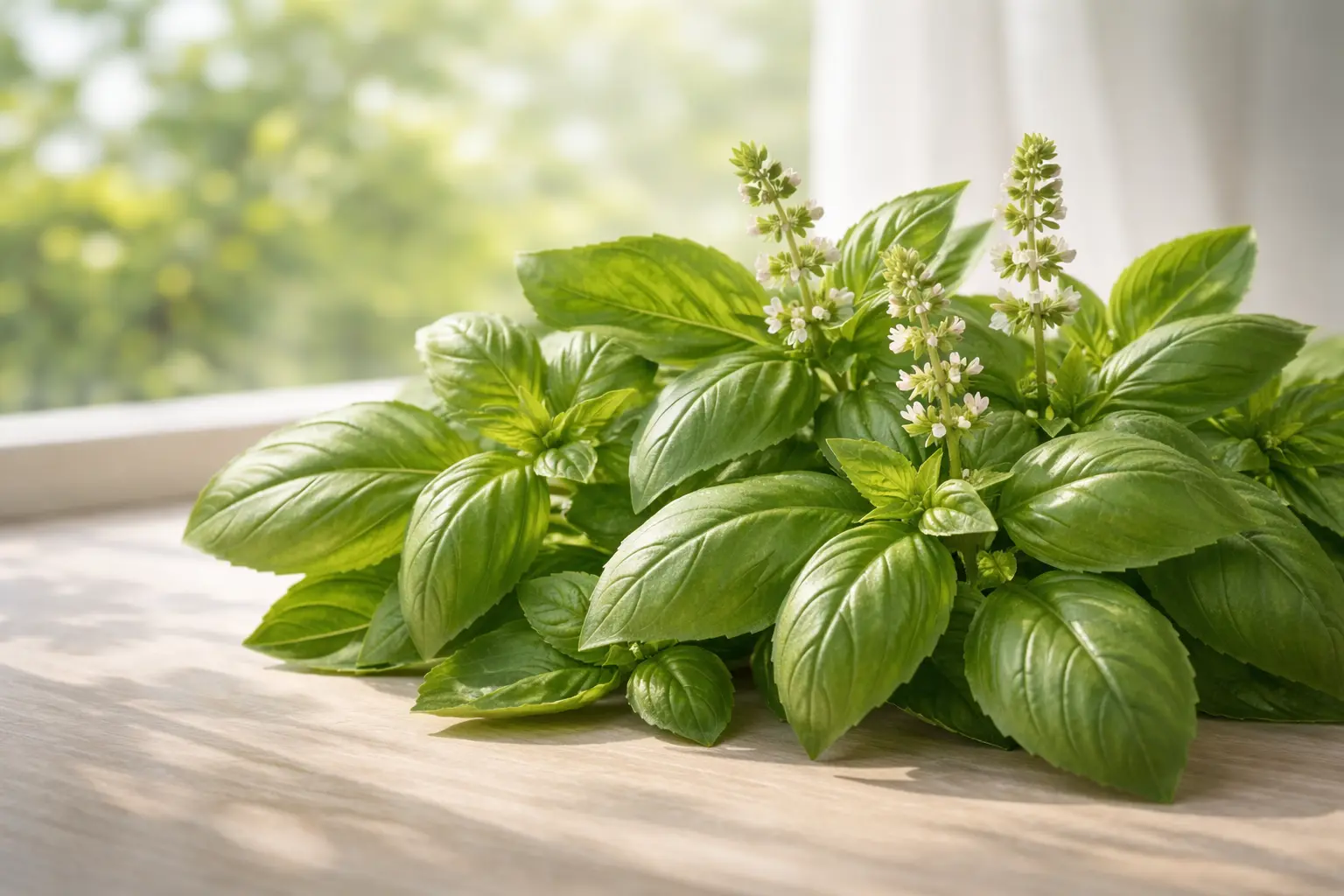
Basil Essential Oil
Basil essential oil is bright, green, sweet, and herbaceous: a familiar kitchen-garden aroma transformed into a concentrated aromatic oil with a crisp, lively personality. Steam distilled from the leaves and flowering tops of Ocimum basilicum, Basil essential oil is often used in diffuser blends, fresh herbal accords, natural perfumery, and carefully diluted body-care formulas. It can feel clear and uplifting in a room, especially when paired with citrus, mint, soft florals, or other Mediterranean herbs. Because basil oils vary widely in chemistry, this is also an oil where chemotype, dilution, and safety notes matter.

Bergamot Essential Oil
Bergamot essential oil is a bright, elegant citrus oil expressed from the peel of Citrus bergamia. It is best known for its fresh green-citrus aroma, soft floral undertone, connection to Earl Grey tea, and its long-standing role in perfumery, diffuser blends, emotional wellness rituals, and natural fragrance. Bergamot smells lighter and more complex than many familiar citrus oils. It has the sparkle of lemon, the gentle sweetness of sweet orange, a slightly bitter green edge, and a delicate floral quality that makes it blend beautifully with herbs, woods, resins, and florals.
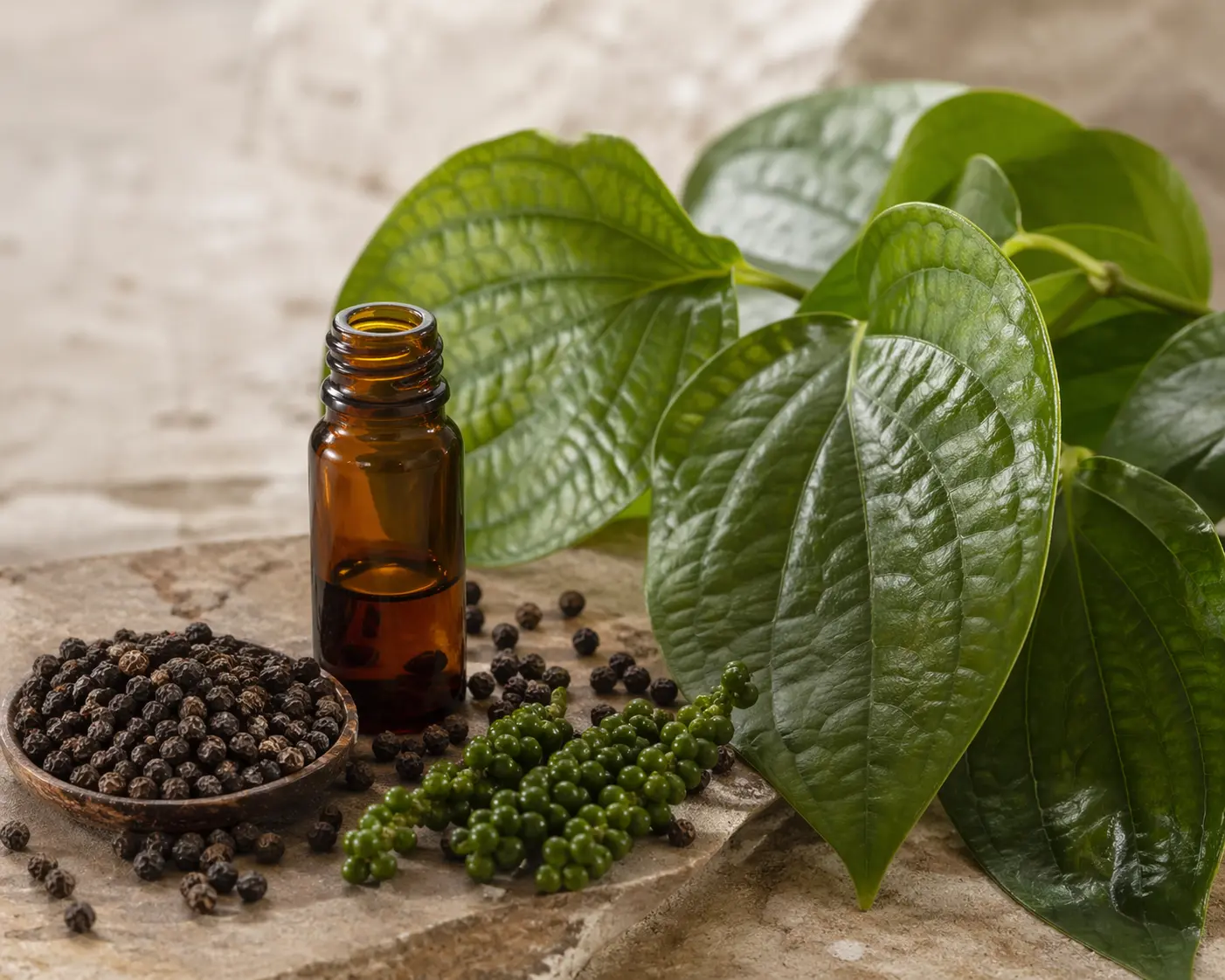
Black Pepper Essential Oil
Black Pepper essential oil is warm, dry, spicy, and quietly energizing, with the familiar spark of cracked peppercorns softened into a smooth aromatic oil. Steam distilled from the fruits of Piper nigrum, Black Pepper essential oil is often used in diffuser blends, natural perfumery, warming-feeling massage oils, and cozy routines where a dry spice note is wanted. It smells recognizable, but it is not the same as sprinkling pepper on food. The essential oil is a concentrated aromatic extract, used by the drop, and it should be diluted carefully before topical use.
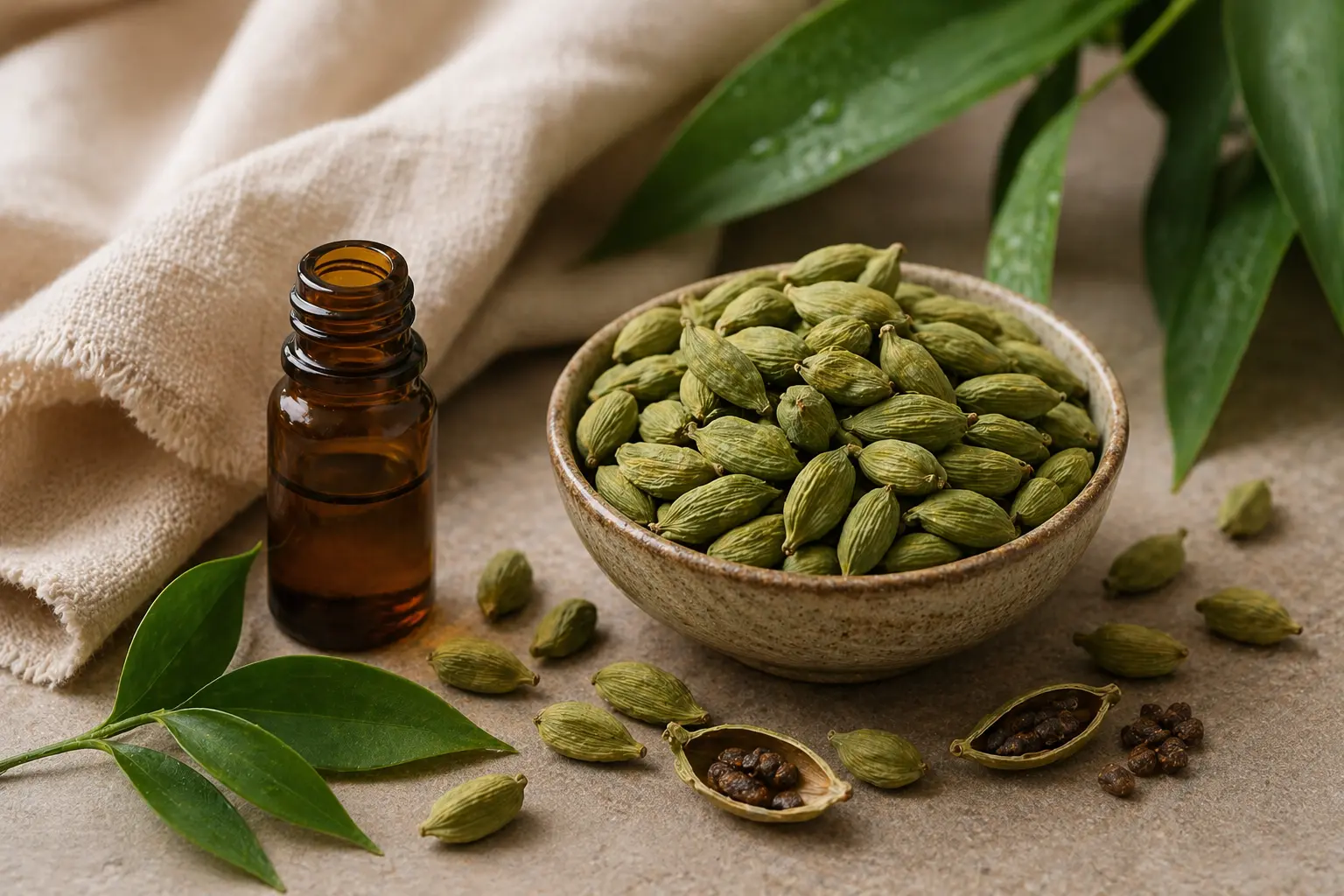
Cardamom Essential Oil
Cardamom essential oil is warm, sweet, spicy, and softly aromatic, with the elegant scent of green cardamom pods, citrus peel, fresh spice markets, and cozy kitchen rituals. Steam distilled from the seeds of Elettaria cardamomum, Cardamom essential oil is often used in diffuser blends, natural perfumery, massage oils at low dilution, and comforting home routines where a smooth spice note is wanted. It is gentler in aroma than many hot spice oils, but it is still a concentrated essential oil and should be diluted, diffused moderately, and used with care around sensitive people.
Further Reading and Sources
For a broader understanding of lemon essential oil, citrus phototoxicity, and responsible aromatherapy practice, these resources are useful starting points:
- Tisserand Institute: Phototoxicity, Essential Oils, Sun and Safety
- Tisserand Institute: Citruses, a Comparison of Different Oils
- PubMed: Citrus limon Review
- PubMed: A Study of the Phototoxicity of Lemon Oil
- PubMed: Citrus limon Peel Essential Oil-Induced Hypersensitivity Reaction
This article is educational and does not replace medical advice. If you are pregnant, nursing, taking medication, managing a medical condition, preparing essential oil products for children or pets, or considering internal use, consult an appropriately qualified professional.