
Sandalwood Essential Oil
Essential Oils
Sandalwood essential oil is a warm, creamy, woody base-note oil steam distilled from the aromatic heartwood of mature Santalum album trees. It is best known for its smooth, soft, long-lasting aroma and is commonly used in natural perfume, meditation blends, skincare aromas, body oils, beard oils, bath products, and grounding diffuser routines.
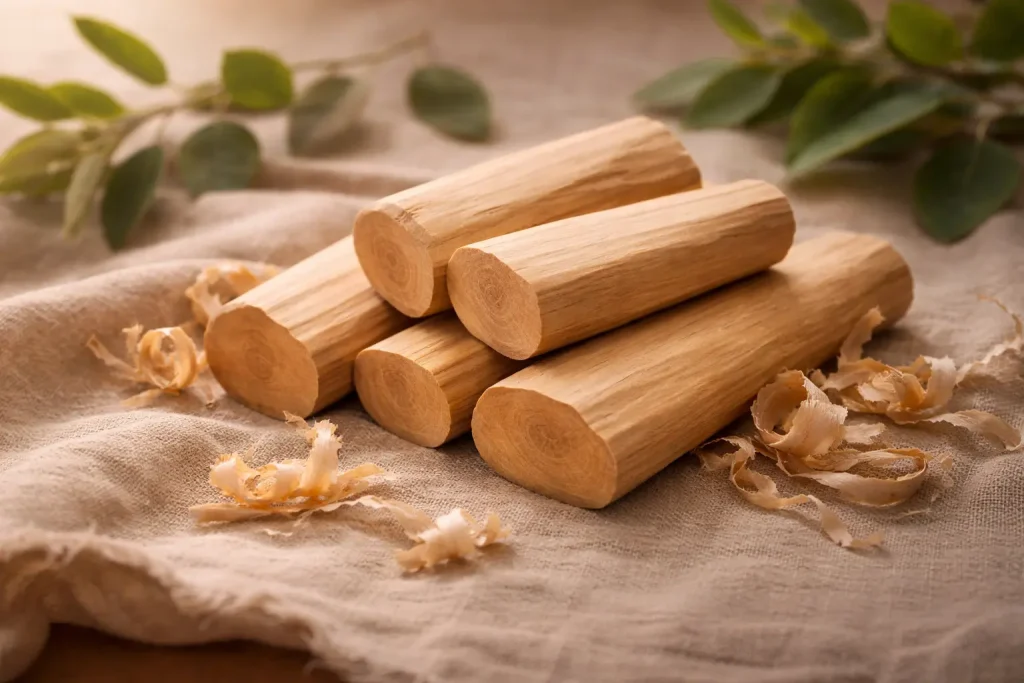
This profile focuses on Santalum album, often called Indian sandalwood, East Indian sandalwood, or true sandalwood. Sandalwood is one of the most precious aromatic woods in the world, and it should be approached with extra attention to botanical name, sourcing, sustainability, and quality. A good sandalwood oil can feel creamy, soft, woody, balsamic, meditative, and quietly luxurious.
Quick Answer
Sandalwood essential oil is commonly used for natural perfume, meditation blends, grounding diffuser routines, skincare aromas, beard oils, body oils, bath products, and slow evening rituals. It blends especially well with bergamot, cedarwood atlas, frankincense, patchouli, vetiver, ylang ylang, neroli, and lavender.
The most important point is quality and sourcing. “Sandalwood” can refer to different species and sometimes to imitations or adulterated products. For Santalum album sandalwood essential oil, look for clear botanical naming, transparent sourcing, and responsible cultivation or sustainability information.
What Is Sandalwood Essential Oil?
Sandalwood essential oil is steam distilled from the aromatic heartwood of mature Santalum album trees. The heartwood is the dense, fragrant inner wood that develops as the tree matures. This is why true sandalwood oil is precious: it comes from slow-growing trees, requires time for aromatic heartwood to form, and has historically been overharvested in some regions.
Santalum album belongs to the Santalaceae family. It is a small to medium-sized tree that is partly root-parasitic, meaning it connects with host plants through its roots. This botanical habit, combined with slow growth and high commercial value, makes sandalwood cultivation and conservation more complex than many common essential oil crops.
Sandalwood essential oil is often associated with sesquiterpenols, especially alpha-santalol and beta-santalol. These compounds are important contributors to the soft, creamy, woody aroma of high-quality Santalum album oil. Natural composition varies depending on tree age, origin, heartwood quality, distillation, storage, and species.
Santalum Album vs. Other Sandalwood Oils
The word “sandalwood” can be confusing because different aromatic woods and oils may be sold under sandalwood-related names. This profile focuses on Santalum album, often called Indian sandalwood, East Indian sandalwood, or true sandalwood.
Santalum album sandalwood essential oil is the classic sandalwood oil used in fine perfumery, traditional aromatic practices, and luxury body-care products. It is known for its creamy, soft, sweet-woody profile and high santalol content.
Australian sandalwood essential oil usually comes from Santalum spicatum. It can be beautiful and useful, but it has a different aroma and chemical profile from Santalum album. Some Australian sandalwood sources also raise important sustainability questions, especially around wild harvest and regeneration.
Some products marketed as “sandalwood” may be blends, synthetic fragrance materials, amyris oil, or adulterated oils. Amyris essential oil, from Amyris balsamifera, is sometimes called West Indian sandalwood, but it is not true sandalwood. It has its own profile and should not be treated as interchangeable with Santalum album.
For safety, sourcing, and aroma accuracy, always check the botanical name. “Sandalwood” alone is not enough information.
What Does Sandalwood Essential Oil Smell Like?
Sandalwood essential oil smells creamy, soft, woody, warm, smooth, balsamic, musky, and slightly sweet. Unlike sharper woods such as cedarwood atlas, sandalwood feels rounded and velvety. Unlike vetiver, it is less smoky and rooty. Unlike patchouli, it is less earthy and more polished.
In blends, sandalwood acts as a luxurious base note. It softens florals, anchors citrus, warms resins, and gives perfume blends a smooth, lingering finish. It works beautifully with bergamot, red mandarin, neroli, ylang ylang, rose absolute, jasmine absolute, frankincense, patchouli, vetiver, and vanilla oleoresin.
Common Uses of Sandalwood Essential Oil
Sandalwood essential oil is most often chosen when a blend needs to feel smooth, grounded, meditative, sensual, luxurious, warm, and emotionally steady. It is not a fresh-clean oil or a sharp top note. It is slow, soft, and long-lasting. Used well, it gives a blend depth without heaviness.
Natural Perfume
Sandalwood is one of the most treasured base notes in perfumery. It gives natural perfumes a creamy, woody foundation and helps connect citrus, floral, resinous, and earthy notes. It works especially well with bergamot, neroli, geranium, rose absolute, jasmine absolute, ylang ylang, patchouli, and vanilla oleoresin.
Because true sandalwood is expensive and powerful, it is usually used in small amounts. Even a small percentage can make a perfume feel smoother, warmer, and more finished.
Meditation and Quiet Rituals
Sandalwood is deeply associated with meditation, prayer, and contemplative spaces. Its aroma feels calm, centered, and spacious without being sharp or distracting. It pairs naturally with frankincense, cedarwood atlas, vetiver, patchouli, and lavender.
These uses should stay atmospheric and symbolic. Sandalwood essential oil should not be presented as treating anxiety, trauma, depression, insomnia, or any mental health condition.
Skincare Aromas
Sandalwood is popular in facial oils, creams, balms, and body butters because its aroma feels soft, refined, and skincare-like. It is often associated with mature, dry, delicate, or irritated-feeling skin in aromatherapy writing, but these should remain cosmetic and aromatic associations, not medical claims.
Sandalwood should not be presented as treating acne, eczema, psoriasis, dermatitis, wounds, infections, scars, or any diagnosed skin condition. For facial products, use a very low dilution and patch test first.
Beard Oils and Grooming Products
Sandalwood is a classic choice in beard oils, shaving products, balms, and grooming blends because it smells warm, woody, polished, and not overly sweet. It blends well with cedarwood atlas, vetiver, bergamot, frankincense, and lavender. Avoid freshly shaved, irritated, or broken skin.
Body Oils and Massage Blends
Sandalwood can make body oils and massage blends feel warm, slow, and luxurious. It works well in carrier oils such as jojoba oil, sweet almond oil, apricot kernel oil, and fractionated coconut oil. Because the scent is long-lasting, use it sparingly and let the blend rest before deciding whether to add more.
Evening and Bedtime-Style Blends
Sandalwood is often used in evening blends because its aroma feels slow, smooth, and grounding. It should not be described as curing insomnia or treating sleep disorders. A safer way to frame sandalwood is as part of a peaceful evening routine, quiet room atmosphere, or meditative wind-down ritual.
Quick Tips for Using Sandalwood Essential Oil
Meditation Diffuser
Diffuse 1 drop sandalwood, 2 drops frankincense, and 2 drops bergamot for a calm, resinous-woody atmosphere.
Soft Perfume Base
Use sandalwood with neroli, bergamot, rose absolute, or ylang ylang to create a smooth natural perfume base.
Beard Oil Aroma
Dilute 1 drop sandalwood and 1 drop cedarwood atlas in 1 tablespoon of jojoba oil. Avoid freshly shaved or irritated skin.
Sourcing Check
Look for the botanical name Santalum album and transparent sourcing. Sandalwood is precious and commonly imitated.
Dilution Guidance
General Adult Dilution
For general adult topical use, sandalwood essential oil is usually best kept around 0.5% to 1% dilution for many everyday blends. A 1% dilution is about 1 drop of essential oil per teaspoon of carrier oil.
Some adult body blends may use up to 2% total essential oil, but true sandalwood is precious and persistent, so smaller amounts are often enough. For facial products, sensitive skin, first-time use, or large-area body application, use much less, often around 0.25% to 0.5%.
Sandalwood should not be applied undiluted to the skin. Avoid the eye area, lips, mucous membranes, broken skin, irritated skin, and freshly shaved skin. Patch test before using sandalwood in body oils, facial oils, beard oils, creams, balms, perfumes, or massage blends.
How to Use Sandalwood Essential Oil
In a Diffuser
Use 1 to 3 drops of sandalwood as part of a diffuser blend, depending on room size and personal sensitivity. It works well with frankincense, cedarwood atlas, vetiver, patchouli, lavender, bergamot, red mandarin, and neroli. Diffuse intermittently in a ventilated room.
On Skin
Always dilute sandalwood essential oil before applying it to skin. It can be used in body oils, facial oils, beard oils, creams, balms, massage oils, bath products, and perfume oils when properly diluted. Use lower dilutions for sensitive skin, facial use, or large-area application.
In Facial Products
Sandalwood is valued in facial products for its soft woody aroma, but facial skin is delicate. Use a very low dilution, avoid the eye area, and patch test first. Do not apply essential oils to inflamed, wounded, rashy, infected, or medically treated skin unless guided by a qualified professional.
In Bath Products
Do not add sandalwood essential oil directly to bathwater. Essential oils do not dissolve in water and can sit on the surface, increasing the chance of irritation. Mix sandalwood into an appropriate dispersant, unscented bath gel, or fully emulsified bath product before adding it to water.
In Natural Perfume
Sandalwood is a classic base note in natural perfume. Use it with citrus top notes, floral heart notes, resins, and other woods. It is especially beautiful with bergamot, neroli, rose absolute, jasmine absolute, ylang ylang, frankincense, patchouli, vetiver, cedarwood atlas, and vanilla oleoresin.
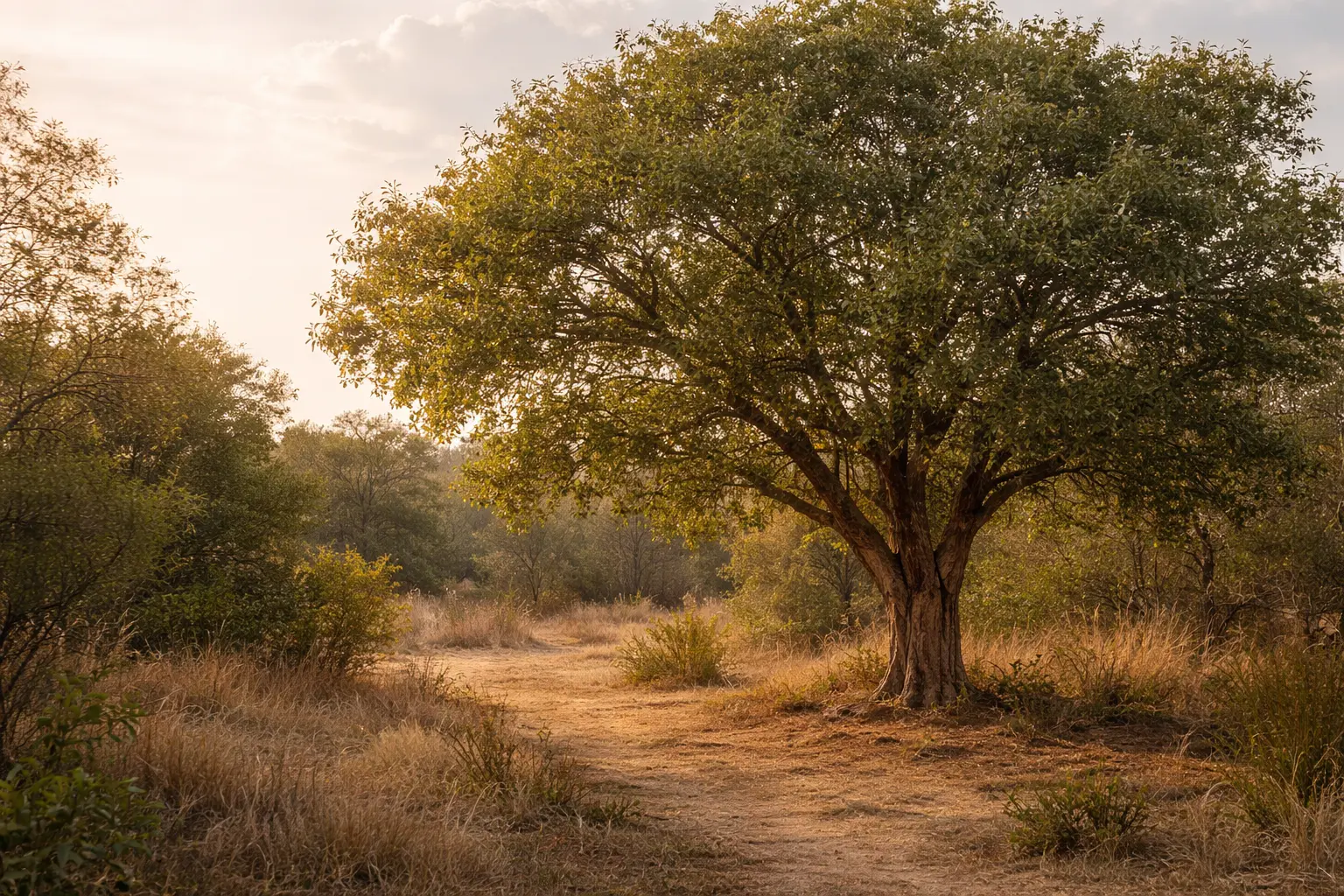
History and Origins of Sandalwood
Sandalwood has one of the richest cultural histories of any aromatic material. Santalum album is native to parts of India and Southeast Asia and has been cultivated and traded for centuries. Its fragrant heartwood has been used in perfumery, incense, carved objects, ritual practice, traditional medicine systems, and luxury goods.
In India, sandalwood has long been associated with temples, meditation, cooling pastes, sacred objects, and devotional practice. The wood was valued not only for its scent but also for its smooth texture, pale color, and ability to retain fragrance over time. In many traditions, sandalwood became a symbol of purity, calm, devotion, and refined beauty.
Sandalwood also became important in global perfumery. Its creamy woody base note is prized because it can soften sharp edges, round floral notes, and give fragrances longevity. It appears in incense, attars, fine perfumes, soaps, cosmetics, body oils, and meditation blends.
Because sandalwood trees grow slowly and the heartwood is valuable, overharvesting has been a serious problem in some regions. Modern sandalwood use should therefore include sustainability awareness. Cultivated, legally sourced, traceable sandalwood is preferable to vague or suspiciously cheap products. If a sandalwood oil seems unusually inexpensive, it may be diluted, adulterated, synthetic, or from a different botanical material.
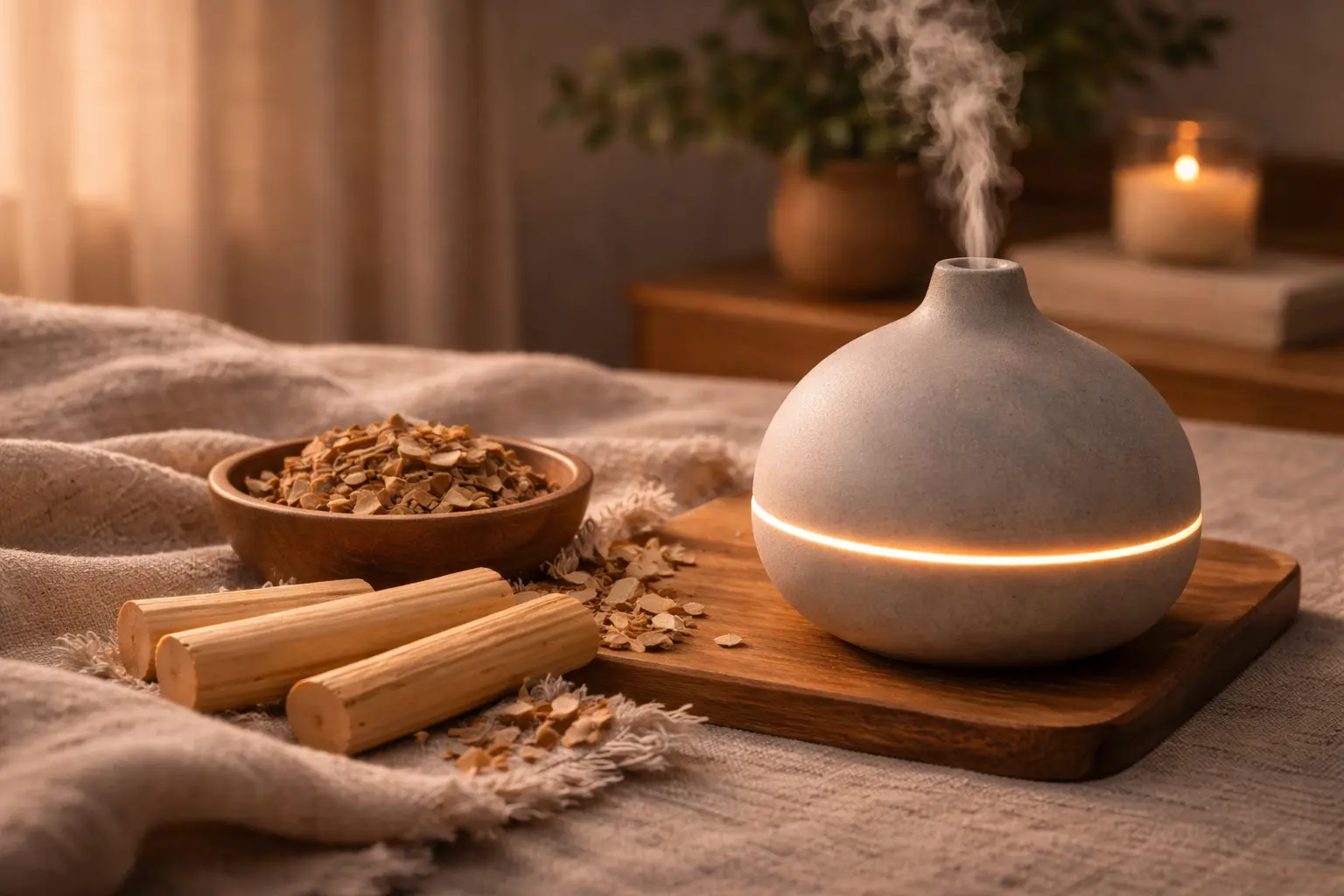
Sandalwood Diffuser Blends
Sandalwood diffuser blends are best when they are simple, smooth, and spacious. It pairs beautifully with resins, soft citrus, florals, and other woods. Use small amounts and let the blend breathe.
Temple Quiet
- 1 drop sandalwood
- 2 drops frankincense
- 2 drops bergamot
A smooth resin-wood-citrus blend for meditation, reflection, and calm evening spaces.
Soft Gold
- 1 drop sandalwood
- 3 drops red mandarin
- 1 drop neroli
A gentle citrus-floral-wood blend with a warm, comforting, luminous character.
Velvet Flower
- 1 drop sandalwood
- 1 drop ylang ylang
- 2 drops lavender
A soft floral-wood blend for slow evenings, body care rituals, and natural perfume moods.
Deep Wood Prayer
- 1 drop sandalwood
- 1 drop vetiver
- 2 drops cedarwood atlas
A deep wood-root blend for stillness, grounding, and meditative room atmosphere.
What Blends Well with Sandalwood Essential Oil?
Sandalwood blends naturally with bergamot, red mandarin, sweet orange, neroli, geranium, rose absolute, jasmine absolute, ylang ylang, lavender, clary sage, frankincense, cedarwood atlas, patchouli, vetiver, and vanilla oleoresin.
For meditation blends, pair sandalwood with frankincense, cedarwood atlas, vetiver, patchouli, or lavender. For natural perfume, use it with bergamot, neroli, rose absolute, jasmine absolute, ylang ylang, or vanilla. For soft evening blends, combine it with red mandarin, lavender, roman chamomile, or clary sage.
FAQ About Sandalwood Essential Oil
Is sandalwood essential oil always Santalum album?
No. Sandalwood can refer to different species and sometimes to substitutes or imitations. This profile focuses on Santalum album, often called Indian sandalwood or true sandalwood. Always check the botanical name.
What is the difference between Indian sandalwood and Australian sandalwood?
Indian sandalwood usually refers to Santalum album. Australian sandalwood usually refers to Santalum spicatum. Both are sandalwood species, but they have different aroma profiles, chemistry, and sustainability considerations.
Why is sandalwood essential oil so expensive?
True sandalwood oil comes from aromatic heartwood that develops as the tree matures. The trees grow slowly, the heartwood is valuable, and high-quality sustainable sourcing requires care. Cheap sandalwood oil may be diluted, adulterated, synthetic, or from a different botanical material.
Can sandalwood essential oil be used on the face?
Yes, but only at a very low dilution and only if your skin tolerates it. Avoid the eye area, lips, broken skin, inflamed skin, and active irritation. Patch test first, especially if you have sensitive or allergy-prone skin.
Can sandalwood essential oil be used for meditation?
Sandalwood is commonly used in meditation and contemplative blends because its aroma feels calm, soft, and grounding. It should not be described as producing guaranteed spiritual or emotional effects, but it can help create a quiet ritual atmosphere.
Can sandalwood essential oil be used during pregnancy?
Pregnancy use should be cautious. Pregnant or breastfeeding people should consult a qualified healthcare professional or trained clinical aromatherapist before using sandalwood essential oil, especially for topical use or frequent diffusion.
Can sandalwood essential oil be applied directly to skin?
No. Sandalwood essential oil should be diluted in a carrier oil, cream, lotion, balm, or other suitable base before topical use. Undiluted use increases the risk of irritation or sensitization.
Can sandalwood essential oil be ingested?
Do not ingest sandalwood essential oil as a casual wellness practice. Essential oils are concentrated aromatic extracts, and internal use should only happen under qualified professional guidance.
Sandalwood Essential Oil, Spirituality, and Soul
The main sections above focus on botanical information, practical use, dilution, and safety. Sandalwood also has a symbolic and spiritual life in modern aromatherapy, where its creamy woody aroma is often associated with stillness, devotion, inner quiet, sacred simplicity, and grounded beauty.
Sandalwood does not feel hurried. It feels like a quiet room, a smooth wooden threshold, or a breath before prayer. Its aroma may be chosen for meditation, journaling, devotion, self-reflection, and rituals that need calm rather than drama.
Stillness and Devotion
In symbolic aromatherapy, sandalwood is often connected with spiritual practice because of its long history in incense, sacred objects, temples, and contemplative spaces. It may be chosen when someone wants to create a ritual atmosphere of reverence and quiet attention.
Root and Crown Connection
Sandalwood has an unusual symbolic quality: it feels grounded and elevated at the same time. Some traditions associate it with both root energy and higher awareness. These associations are symbolic, not medical or scientific claims.
Beauty Without Noise
Sandalwood’s beauty is soft, smooth, and restrained. Symbolically, it can represent elegance without performance, spiritual depth without spectacle, and calm presence without force.
Safety Notes
Sandalwood essential oil should be diluted before topical use. Do not apply it undiluted to the skin, do not use it in or near the eyes, and do not take it internally as a casual wellness practice.
Sandalwood may cause skin irritation or allergic reaction in some people, especially if used too strongly or if the product is old, adulterated, or poorly stored. Patch test before using sandalwood in facial oils, body oils, beard oils, balms, perfumes, or massage blends.
Use caution during pregnancy, breastfeeding, around babies and young children, with pets, and for people with asthma, allergies, complex medical conditions, medication use, or very sensitive skin. Diffuse in moderation, keep rooms ventilated, and avoid continuous diffusion. Choose responsibly sourced sandalwood and verify the botanical name before use.
Further Reading and Sources
For botanical, chemical, sustainability, and safety-oriented background, these sources may be useful starting points:
- Biosynthesis of sandalwood oil: Santalum album santalols and bergamotol
- Biological properties of sandalwood oil and synthesis of major sesquiterpenoids
- Comparison of commercial sandalwood oils with the international standard
- Sandalwood album oil as a botanical therapeutic in dermatology research background
- Kew Plants of the World Online: botanical reference database