
Palmarosa Essential Oil
Essential Oils
Palmarosa essential oil is soft, rosy, green, and gently sweet, with the surprising elegance of a grass that smells almost like a fresh botanical rose.
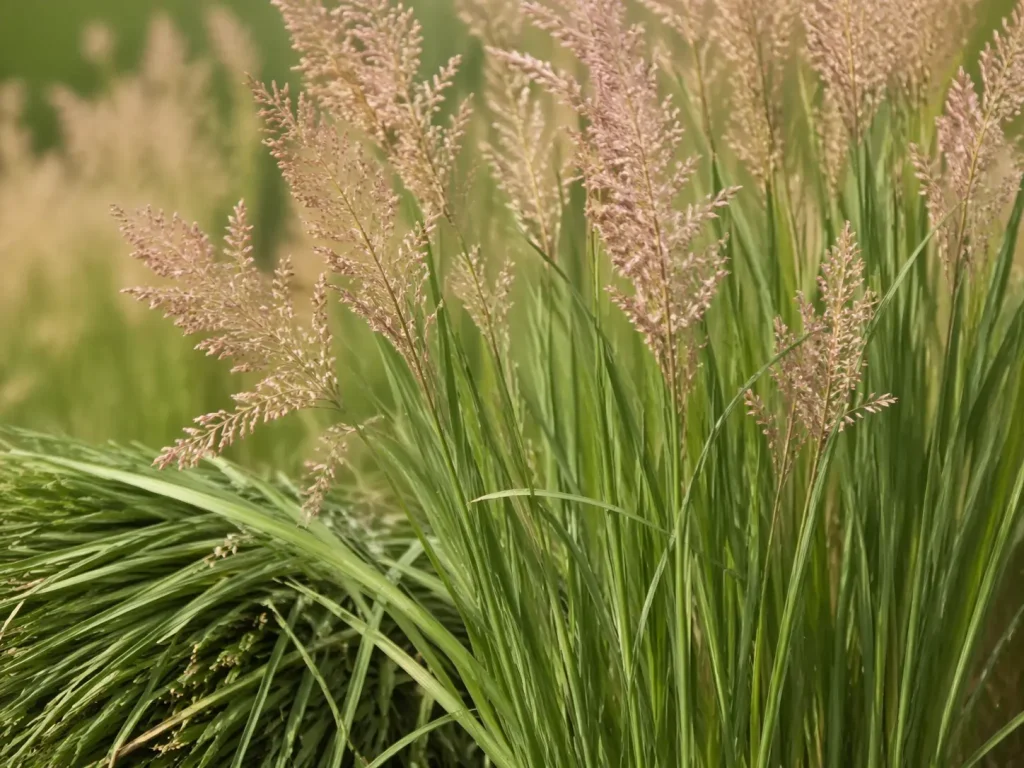
Steam distilled from the aromatic grass Cymbopogon martinii, Palmarosa essential oil is often chosen for natural perfumery, soft floral diffuser blends, fresh body-care aromas, and calm everyday routines. It belongs to the same broad grass family as Lemongrass Essential Oil, but its character is quite different: less sharp lemon, more rosy-green warmth.
Quick Answer
Palmarosa essential oil is a rosy, green, softly floral oil from Cymbopogon martinii, often listed botanically as Cymbopogon martini. It is commonly used in diffuser blends, natural perfumes, gentle-feeling body-care formulas, and fresh floral-herbal routines. It is usually rich in geraniol, so it should still be diluted before topical use and avoided in casual ingestion.
What Is Palmarosa Essential Oil?
Palmarosa essential oil comes from Cymbopogon martinii, a perennial aromatic grass in the Poaceae family. Botanical databases may list the accepted name as Cymbopogon martini, while essential oil literature and product labels often use Cymbopogon martinii. Both spellings commonly point to the same palmarosa plant used for the essential oil.
The plant is native across parts of the Indian subcontinent and Indo-China, and it has long been cultivated for its fragrant oil. Unlike true rose oil, Palmarosa essential oil does not come from rose petals. Its rosy aroma comes largely from geraniol and related compounds, which give the oil its soft floral-green character.
In blending, Palmarosa is valued as a bridge between grass, citrus, floral, and skin-care style aromas. It can make a blend feel smoother, more graceful, and lightly rosy without becoming heavy or overly sweet.
Palmarosa vs Lemongrass Essential Oil
Palmarosa and Lemongrass both come from the Cymbopogon genus, but their aromas are very different. Lemongrass Essential Oil from Cymbopogon citratus is bright, sharp, lemony, and grassy, often rich in citral.
Palmarosa essential oil is softer, rosier, greener, and more floral. It is often rich in geraniol rather than citral, which makes it feel closer to Geranium Essential Oil or rose-style accords than to lemon peel.
In practical blending, choose Lemongrass when you want a bold lemon-green top note. Choose Palmarosa when you want a gentle rosy-green note, a soft floral lift, or a bridge between citrus, herbs, and flowers.
What Does Palmarosa Essential Oil Smell Like?
Palmarosa essential oil smells rosy, green, fresh, lightly grassy, and gently sweet. It has a soft floral body with a clean herbal edge, so it rarely feels as dense or powdery as some heavier floral oils.
The aroma can remind people of fresh rose leaves, geranium, green grass, herbal tea, and soft citrus-floral perfume. In a diffuser blend, Palmarosa can make a room feel bright but calm. In natural perfumery, it is useful when a blend needs a rosy impression without the cost, intensity, or emotional weight of true rose materials.
Common Uses of Palmarosa Essential Oil
Palmarosa essential oil is commonly used in natural perfumery because of its soft rose-like aroma. It blends well with Geranium Essential Oil, Neroli Essential Oil, Lavender Essential Oil, and citrus oils such as Bergamot Essential Oil and Sweet Orange Essential Oil.
It is also popular in diffuser blends when a room needs a gentle floral-green atmosphere. Palmarosa can soften sharper oils, round out citrus, and make herbal blends feel more graceful. It is especially useful when Lemongrass Essential Oil feels too bold but a fresh grassy note is still wanted.
In body-care formulas, Palmarosa is often chosen for its pleasant skin-care style aroma. It can be added at appropriate dilution to body oils, lotions, massage blends, and bath-adjacent products when properly dispersed. It should not be used undiluted, and sensitive users should patch test first.
Palmarosa also works beautifully in simple calm routines: a clean room, a soft diffuser blend, folded linens, or a quiet evening reset. These are aromatic uses, not medical claims, and they work best alongside ordinary care, rest, and good ventilation.
Quick Tips for Using Palmarosa Essential Oil
Use It as a Rose Bridge
Palmarosa gives a rosy impression without being true rose oil, making it useful in soft floral blends.
Pair With Citrus
Try it with bergamot, sweet orange, or red mandarin for a bright floral lift.
Soften Sharp Oils
A drop of Palmarosa can soften lemongrass, herbs, and woods without making the blend heavy.
Dilute Before Skin Use
Palmarosa is gentle in aroma, but it is still concentrated. Dilute, patch test, and avoid sensitive areas.
Dilution Guidance
For adult topical use, Palmarosa essential oil should be diluted before applying to skin. A conservative everyday range is about 0.5% to 1% for leave-on body products. This means about 1 to 2 drops of essential oil in 2 teaspoons, or 10 ml, of carrier oil.
For small-area adult blends, some people may use up to 2% dilution, but lower amounts are often enough because Palmarosa has a distinct aroma. For facial use, sensitive skin, pregnancy, breastfeeding, children, older adults, or anyone with a history of fragrance sensitivity, use extra caution and consult a qualified professional.
Because Palmarosa is often rich in geraniol, it may cause irritation or allergic response in sensitive users. Patch testing is a wise step, especially in leave-on products.
Simple Dilution Reminder
For a 1% dilution, use about 1 drop of Palmarosa essential oil in 1 teaspoon, or 5 ml, of carrier oil. Patch test first, avoid broken or irritated skin, and stop use if redness, itching, or discomfort occurs.
How to Use Palmarosa Essential Oil
For diffusion, add 1 to 3 drops of Palmarosa essential oil to a blend with citrus, floral, herbal, or woody oils. Diffuse in short sessions in a well-ventilated room, especially around sensitive users.
For a soft floral diffuser blend, combine Palmarosa with Lavender Essential Oil, Geranium Essential Oil, or Neroli Essential Oil. Add citrus if you want the blend to feel brighter.
For body oil, dilute Palmarosa essential oil in a carrier such as jojoba, sunflower, fractionated coconut oil, or sweet almond oil. It works well in soft, fresh, skin-care style blends, especially with lavender, geranium, sandalwood, or frankincense.
For natural perfumery, use Palmarosa as a rosy-green middle note. It can support floral accords, freshen citrus blends, and soften earthy base notes such as Vetiver Essential Oil, Patchouli Essential Oil, and Cedarwood Atlas Essential Oil.

History and Origins of Palmarosa
Palmarosa has deep roots in the aromatic grass traditions of South Asia. Kew lists Cymbopogon martini as native from the Indian subcontinent to Indo-China, and the oil has long been associated with India’s aromatic plant cultivation and fragrance trade.
The name “palmarosa” reflects the oil’s rose-like aroma, even though the plant is a grass rather than a rose. Its geraniol-rich scent made it valuable in perfumery, cosmetics, soaps, and fragrant body-care products, especially where a soft rosy note was desired.
Like other Cymbopogon oils, Palmarosa sits at the meeting point of practical plant use and fine fragrance. It carries the freshness of grass, the softness of flowers, and a clean herbal brightness that makes it unusually flexible in blends.
Diffuser Blends with Palmarosa Essential Oil
Rose Grass Morning
- 2 drops Palmarosa Essential Oil
- 2 drops Bergamot Essential Oil
- 1 drop Lavender Essential Oil
Soft, bright, and floral-green, with a fresh morning atmosphere.
Garden Linen
- 2 drops Palmarosa Essential Oil
- 2 drops Sweet Orange Essential Oil
- 1 drop Geranium Essential Oil
Rosy, clean, and lightly sweet, like fresh linens near a summer garden.
Soft Green Rest
- 2 drops Palmarosa Essential Oil
- 1 drop Frankincense Essential Oil
- 1 drop Cedarwood Atlas Essential Oil
Gentle, resinous, and grounded, with a quiet floral-green center.

What Blends Well with Palmarosa Essential Oil?
Palmarosa essential oil blends beautifully with floral oils such as Geranium Essential Oil, Lavender Essential Oil, Neroli Essential Oil, Roman Chamomile Essential Oil, and Ylang Ylang Essential Oil. These combinations bring out its soft, rosy character.
It also pairs well with citrus oils, including Bergamot Essential Oil, Sweet Orange Essential Oil, Lemon Essential Oil, Lime Essential Oil, Pink Grapefruit Essential Oil, and Red Mandarin Essential Oil. Citrus keeps Palmarosa bright and airy.
For grounding and depth, try Palmarosa with Frankincense Essential Oil, Cedarwood Atlas Essential Oil, Sandalwood Essential Oil, Vetiver Essential Oil, or Patchouli Essential Oil. It can also soften sharper green oils such as Lemongrass Essential Oil, Basil Essential Oil, and Rosemary Essential Oil.
Palmarosa Essential Oil FAQ
Is Palmarosa essential oil a rose oil?
No. Palmarosa essential oil comes from an aromatic grass, not from rose petals. It smells rosy because it is often rich in geraniol, a naturally fragrant compound also found in some floral-smelling oils.
What is Palmarosa essential oil commonly used for?
It is commonly used in diffuser blends, natural perfumery, body-care aromas, massage oils at appropriate dilution, and soft floral-green routines.
What does Palmarosa essential oil smell like?
It smells rosy, green, grassy, lightly sweet, and softly floral. It is fresher and less heavy than many floral oils.
Can Palmarosa essential oil be used on skin?
Yes, but it should be diluted first. Patch test before broader use, avoid broken or irritated skin, and use extra caution with sensitive users.
Is Palmarosa the same as Lemongrass?
No. Both are aromatic grasses in the Cymbopogon genus, but Palmarosa is rosy and geraniol-rich, while Lemongrass is sharper, lemony, grassy, and often citral-rich.

Palmarosa Essential Oil, Spirituality, and Soul
The main sections above focus on botanical information, practical use, dilution, and safety. Palmarosa also has a symbolic and spiritual life in modern aromatherapy, shaped by its gentle rose-like aroma and its origin as a resilient aromatic grass.
In symbolic routines, Palmarosa essential oil is often used when someone wants an atmosphere of softness without heaviness. Its scent can feel like a fresh emotional room: aired out, kind, and quietly green.
Palmarosa also carries a useful balance between tenderness and practicality. It is not dramatic or overpowering. It can be part of a simple ritual of washing the day away, preparing a calm room, writing a few honest lines, or choosing gentler attention toward the body. These uses are symbolic and personal, not promises of emotional, energetic, or medical effects.
Safety Notes
Palmarosa essential oil is concentrated and should be used with care. Dilute before topical use, avoid eyes, mucous membranes, broken skin, and sensitive areas, and do not ingest casually.
Use Palmarosa essential oil moderately in a well-ventilated room. Avoid continuous diffusion, especially around babies, young children, pregnant or breastfeeding people, pets, older adults, and anyone with asthma, respiratory sensitivity, migraines, allergies, or strong scent sensitivity.
For topical use, patch test first and keep dilution appropriate. Because Palmarosa is often rich in geraniol, sensitive users may react even when the aroma feels soft. Avoid applying it to broken, irritated, freshly shaved, or highly reactive skin.
Stop use if irritation, redness, itching, headache, nausea, coughing, wheezing, dizziness, or any other adverse reaction occurs. Keep essential oils out of reach of children and pets, and never use them as a replacement for medical care.
Safety-first reminder: Palmarosa essential oil may smell gentle, but it is still a concentrated aromatic oil. Dilution, patch testing, ventilation, and individual sensitivity matter.
Further Reading and Sources
For botanical, chemical, and safety-oriented background, these sources may be useful starting points:
- Kew Plants of the World Online: Cymbopogon martini (Roxb.) Will.Watson
- Essential Oil Yield and Chemical Composition Changes during Leaf Ontogeny of Palmarosa
- Design of Nanostructured Lipid Carriers Containing Cymbopogon martinii Essential Oil
- Antimicrobial Action of Palmarosa Oil (Cymbopogon martinii) on Saccharomyces cerevisiae
- Tisserand Institute: Essential Oils and Shared Constituent Groups
- Tisserand Institute: Q&A Safety Maximums for Dermal Application